

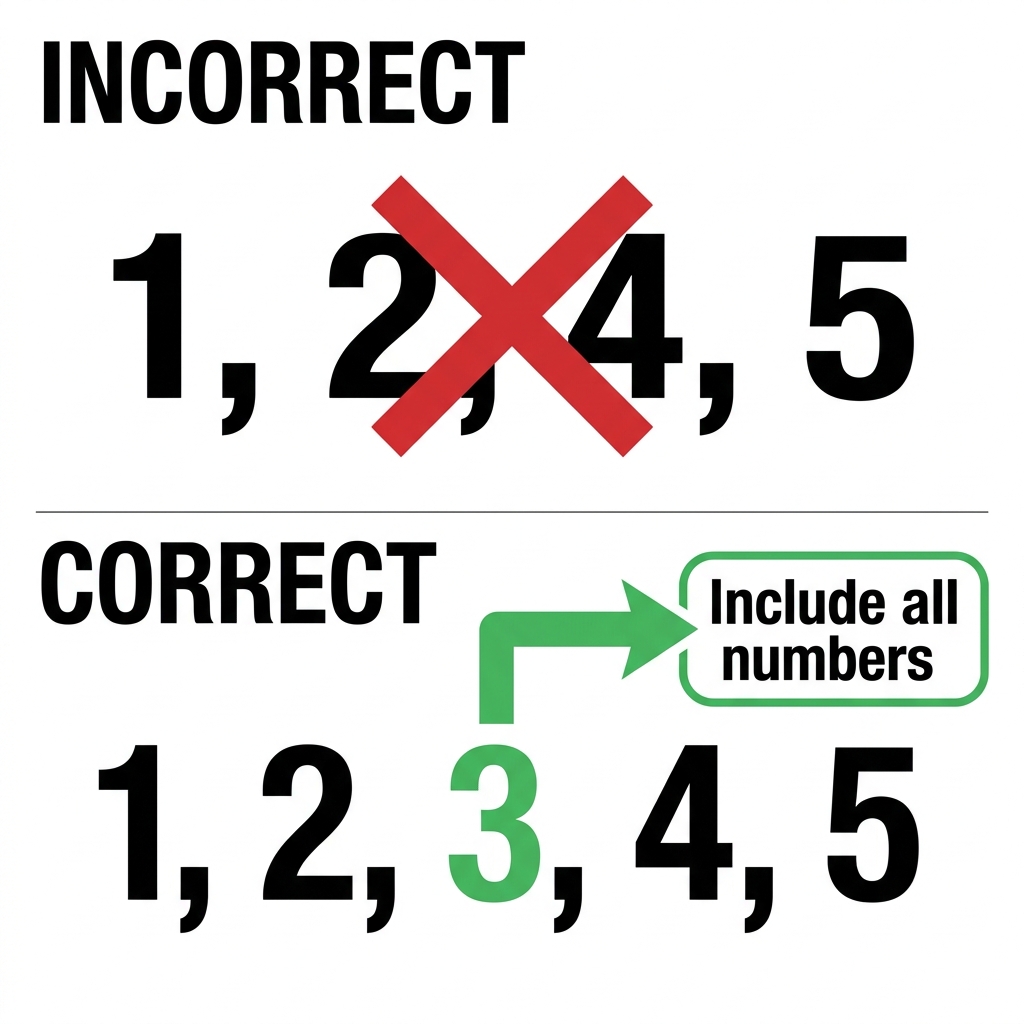
“Count within 1000; skip-count by 5s, 10s, and 100s.” That is the entire core of the standard, and it reads like a warm-up you could knock out between lunch and recess. It isn’t. Counting within 1000 means crossing hundreds boundaries without stalling, and skip-counting by 100s only makes sense to a child who knows which digit is doing the moving. California then tacks on a sentence that changes the job: students should use skip-counting as a strategy for adding, and as early preparation for the patterns that turn into multiplication.
For second grade math, that addition matters. It means the standard is about more than a chant. The code is CA.MATH.2.NBT.2, the California Common Core version, sitting in Number and Operations in Base Ten under the cluster Understand place value. The same lesson page also carries CCSS.MATH.2.NBT.A.2, which is the national wording of the same expectation: the counting and the skip-counting by 5s, 10s and 100s, without California’s extra line about adding and multiplication. One lesson, two codes, and the California part is the one with teeth.
Why this standard gets squeezed
Place value tends to show up early in the second grade year, right when a teacher is also building routines, giving beginning-of-year assessments, and trying to get addition facts moving. Skip-counting looks like something the class already knows. Half of them can rattle off 5, 10, 15, 20 before you finish the question. So it gets a day, maybe a morning, and the unit moves on.
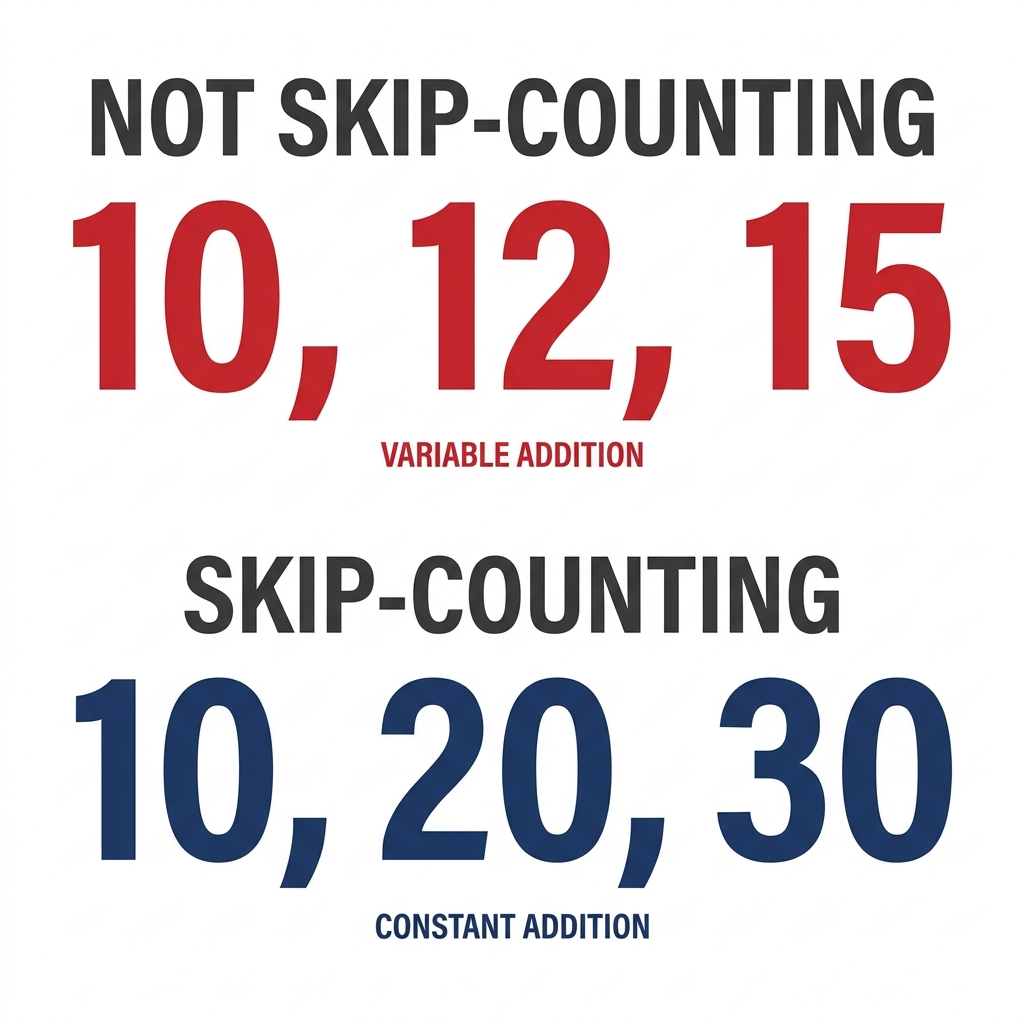
I think that is a mistake, and I made it more than once. Reciting by 5s is a song. Knowing that every jump adds five, and that the last number you say is the total, is math. Teachers in Orange Unified, Newport-Mesa Unified, Millbrae Elementary School District and Ukiah Unified all teach this exact standard, since it reads the same from one end of California to the other, and the calendar pressure on it is the same everywhere too.
What the lesson actually asks students to do
Counting and Skip-Counting Numbers runs about 45 minutes, and its objective is plain: count by 5s, 10s and 100s so you can add and find totals faster. That framing is the California addition in kid language, which I appreciate.
It opens by reminding students that when there are lots of items, counting one at a time is slow, and that skip-counting is just adding the same number again and again. The worked example uses a chain of beads in groups of 5, which gives children something to picture instead of an abstract list. Then guided practice moves to chairs in an auditorium, a setting where rows naturally invite counting by groups. The lesson closes the loop with a store clerk counting boxes that each hold 10 items, so the reason for skip-counting is a person doing a real job, not a worksheet.
Two vocabulary terms carry the lesson:
- Skip-counting: counting by adding the same number over and over to reach a total
- Total: the final amount once all the groups are put together
Where students slip
The most common error I saw was a student who counted the jumps instead of the amount. Four groups of 5 beads becomes “four.” The vocabulary pairing of skip-counting with total is a good guard against that, and it is worth pausing on out loud.
The other trouble spot is the hundreds. Counting by 10s past 100, or by 100s past 900, is where confident chanters suddenly go quiet. One honest caveat: a single 45-minute lesson is one solid exposure, not mastery. Students who wobble at those boundaries will still need number lines, base-ten blocks, and a few more days of practice from you.
Using it when the week got away from you
This is where a self-contained lesson earns its spot. If the class is behind and you need to cover skip-counting properly in one period, it works as a whole-class assignment with you circulating during the auditorium problem. If a student missed the week the unit happened, it gives them the same examples and vocabulary the rest of the class heard, so they come back speaking the same language. It also fits attendance recovery well, since the lesson stands on its own and has a clear objective you can check against.
If you are looking for a second grade skip-counting lesson that treats counting by groups as an adding strategy, start there, and then ask your students one question afterward: how many beads on six chains of 5? The ones who answer thirty without counting their fingers are ready for the next unit.
Related lessons
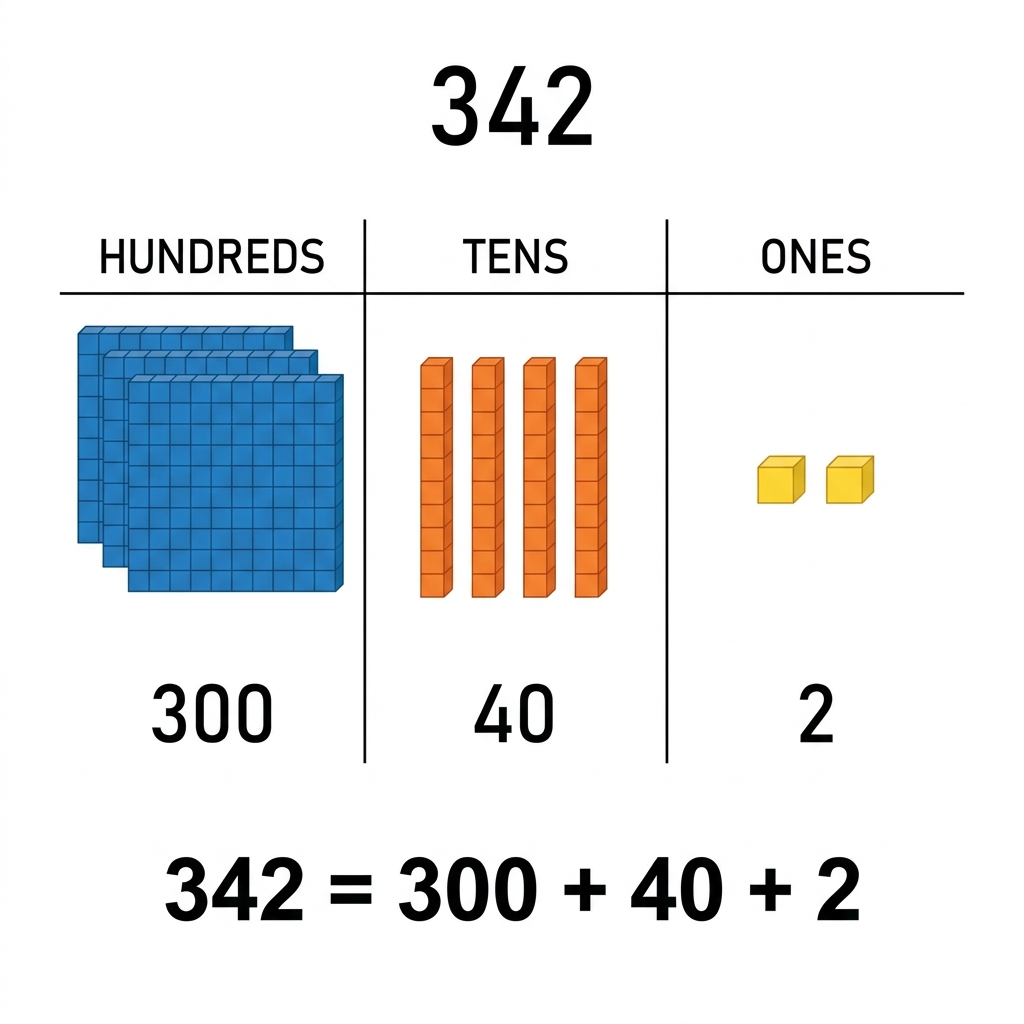
Understanding Three-Digit Numbers, Reading and making sense of numbers in the hundreds
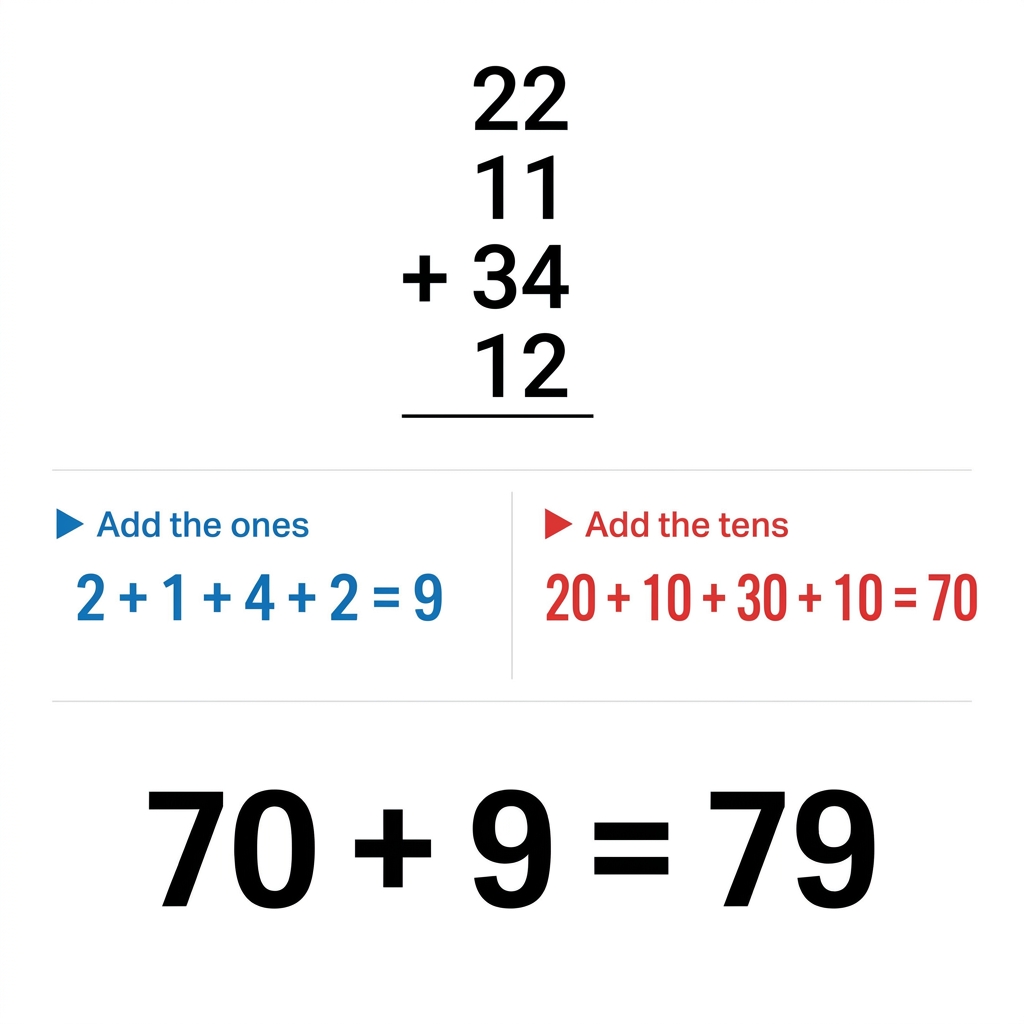
Adding Multiple Two-Digit Numbers, Adding several two-digit numbers together to find one sum
Understanding Place Value, What each digit in a number is worth by position