

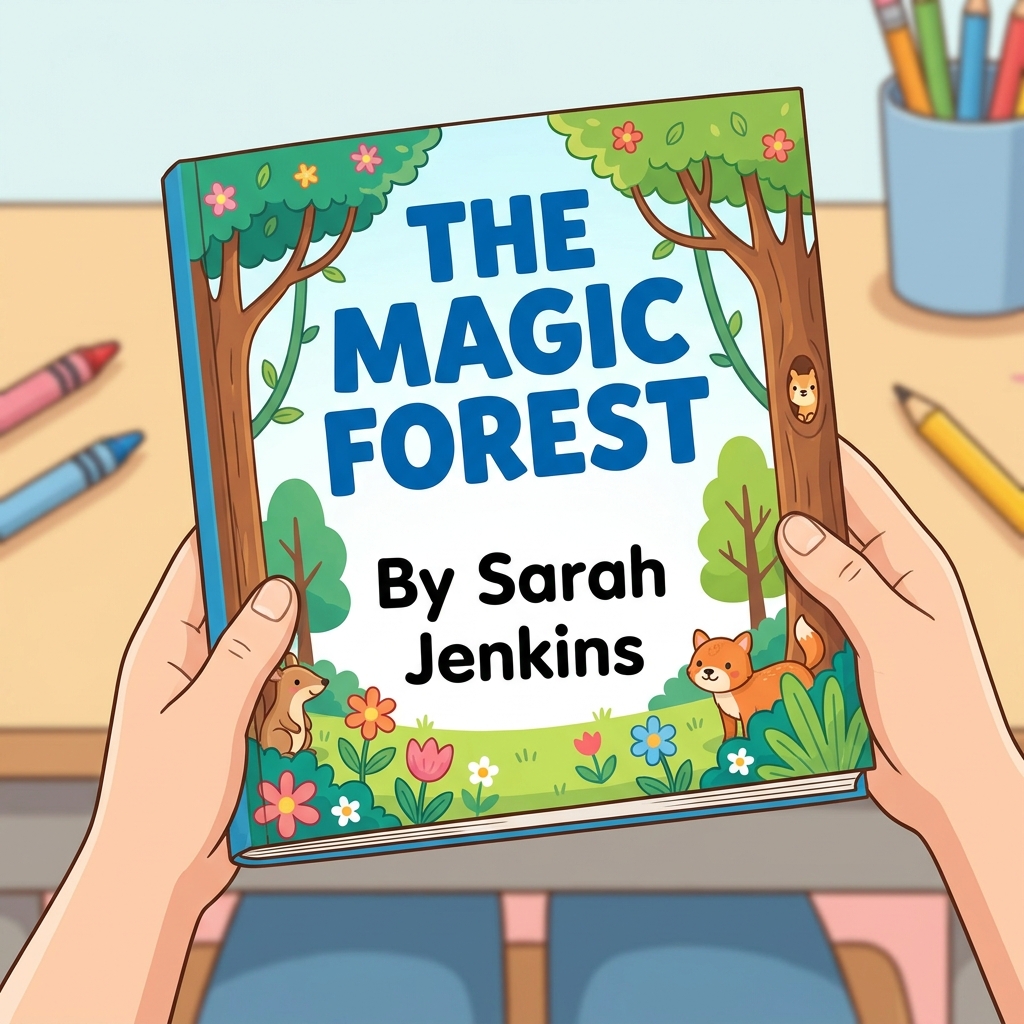
There is a point in the kindergarten year, usually once read-aloud time has become a settled routine and the rug no longer needs to be negotiated every afternoon, when students start asking questions about the books themselves. Who picked these pictures? Did somebody make this? That curiosity is the right moment for a kindergarten English language arts lesson about authors, and I would rather catch it then than teach the word “author” in the first week, when it is just one more sound in a flood of new vocabulary.
Who Made the Story? is built for exactly that window. It runs about 15 minutes, and its target is one sentence a five-year-old can actually say and mean: “I can name the person who wrote the story.” That is the whole objective. I like that it is small. Kindergartners can hold one idea firmly far better than they can hold three loosely.
The standard behind it is CA.ELA.RL.K.6, from the Craft and Structure cluster of Reading: Literature in the California Common Core standards for English language arts. It asks that students, with prompting and support, name the author and illustrator of a story and explain the role each one plays in telling it. Notice the phrase “with prompting and support.” Nobody expects a kindergartner to flip open a picture book and announce the illustrator unprompted. The standard expects a teacher’s question, a pointed finger at the cover, and a student who can answer. Students in Saddleback Valley Unified, Clovis Unified, Evergreen Union School District and Hollister School District work toward this same standard, since it reads the same in every California kindergarten classroom.
How the lesson moves, start to finish
Watching the lesson the way I would watch a colleague teach it, the arc is tidy. It opens by reaching for what students already know: that stories come from somewhere, and that they have been hearing stories read aloud all year. This is the prior knowledge piece, and it matters more than it looks. Kindergartners tend to assume the person reading the book is the person who made it. More than one of my students over the years believed I wrote every book on our shelf, and I did not always correct them fast enough.
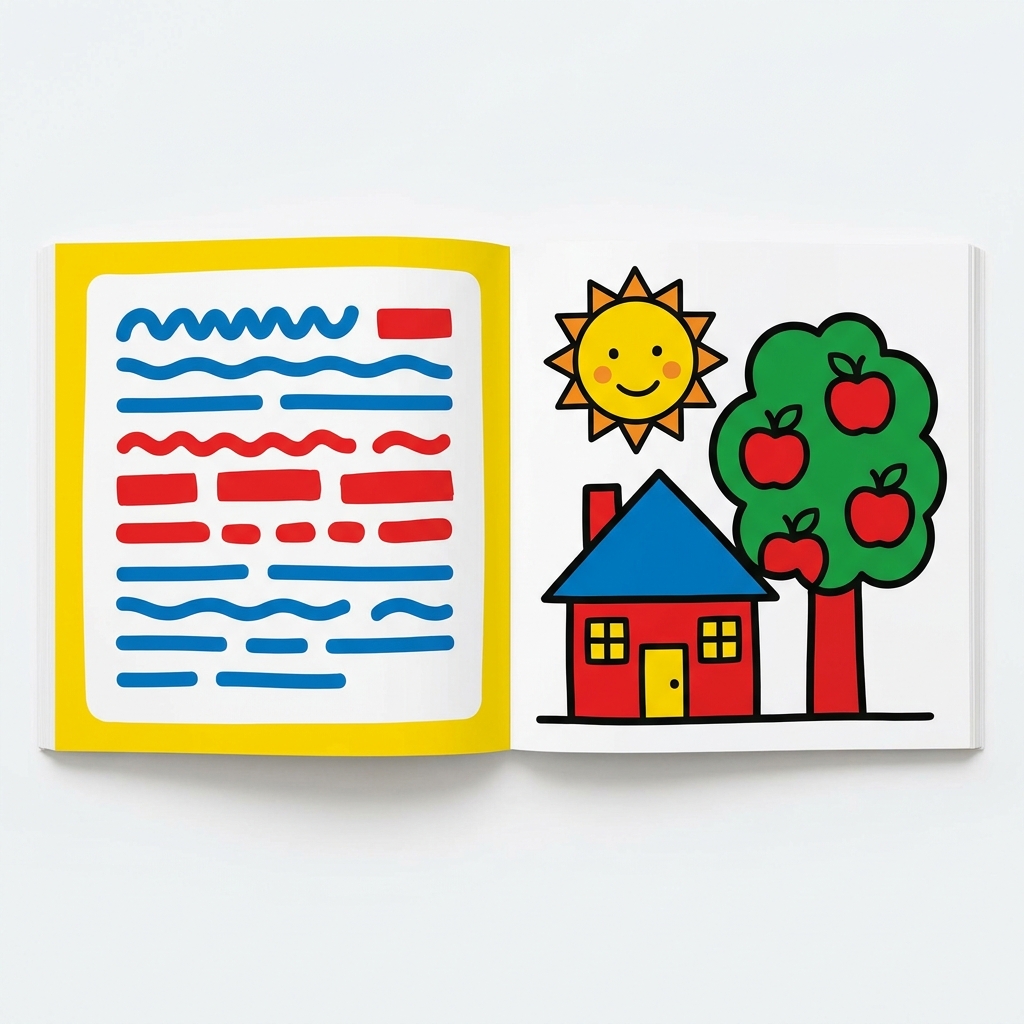
From there the lesson lands the concept. A real person wrote the words of this story, and that person has a name and a job title: author. The skill follows directly from the concept. Students practice finding and saying the author’s name, which is the move the objective names. The catalog description and the standard both bring in the illustrator too, the person who makes the pictures, so the two jobs sit side by side: one person tells the story with words, another tells it with pictures.
The vocabulary is short, which is how it should be:
- author: the person who wrote the words of the story
- illustrator: the person who made the pictures
Guided practice is where a lesson like this either sticks or slides off. Students try the skill with support, answering the question the lesson’s title asks. The goal is not reading the name independently (most kindergartners cannot decode an author’s full name yet, and that is fine). The goal is knowing that the name belongs to someone, that the someone is called the author, and being able to say it back when asked. Closure brings students back to the “I can” statement, so they leave able to say what they learned in their own voice.
Fifteen minutes is enough for all of that if the class has been doing read-alouds regularly. If they have not, I would spend a day or two pointing at covers before assigning it.
Where it fits, and one thing to watch
My honest caveat: the objective leans hard on the author. The standard asks for author and illustrator, and for the role of each. The lesson’s core concept is framed around the person who wrote the story, so the illustrator half of the standard gets less weight than the author half. I do not think that is a flaw for a first pass, because kindergartners mix the two jobs up constantly and separating them one at a time is sensible. But a teacher who wants the full standard covered should plan to come back to illustrators, ideally the next time a picture book comes out, by asking “and who made these pictures?” and waiting for an answer.
The other place students slip is in the jump from “a person made this” to “this specific person made this.” Saying “the author wrote it” is not quite the same as naming the author. Push for the name, even if you have to read it to them first and have them repeat it.
As for how to use it, I see this as a strong whole-class assignment right before a read-aloud, since the very next book becomes the practice. It also works well on a substitute day. The objective is clear enough that a guest teacher can run it, then read a picture book afterward and ask the class who wrote it, and the regular teacher comes back to a class that has actually done something connected to the standard. And for a student who missed the week, the short length makes it easy to slot in during a small group or a quiet moment without losing the thread the rest of the class picked up.
If you are searching for a kindergarten author and illustrator lesson that does not try to do too much, this is a good one to open before your next read-aloud. Then hold up the cover and ask the question in the title. Wait for a name.
Related lessons
Who Made the Book?, Naming the people who made a book and their jobs
How Are They Alike?, Finding the ways two things are alike
Vowel Sounds Fun, Practicing vowel sounds with playful kindergarten activities