


If you are looking for a reliable way to help a student who missed foundational instruction or needs extra practice with grammar, Mastering Grammar for Clear Communication is a straightforward resource. This 5th grade English language arts lesson takes about 45 minutes to complete and focuses on the mechanics that make student writing precise rather than vague. It works well as an independent study assignment, an intervention module for a student who is struggling to connect their ideas, or a catch up activity for someone who was out of the classroom for a few days.
The content is laser-focused on how we use language to establish relationships between ideas and track time. A good 5th grade grammar lesson needs to move past simple identification and into the function of words. This material covers conjunctions, which connect phrases; prepositions, which show location or timing; and interjections, which convey immediate emotion. Most importantly, it tackles the perfect verb tense. The lesson explains this using the phrase “has finished” to demonstrate how a verb form shows an action was completed before another time. Students are asked to find tense shifts in a short draft about music and decoration to see how confusing language can become when the timing of events is inconsistent.
Understanding the standard requirements
The lesson is built to address CA.ELA.L.5.1, which is the California-adopted standard for command of the conventions of standard English grammar and usage. This standard asks that your students explain the function of conjunctions, prepositions, and interjections, while also forming and using perfect verb tenses. It also requires that students recognize and correct inappropriate shifts in verb tense and use correlative conjunctions. As part of the same instructional framework, CCSS.ELA-LITERACY.L.5.1 adds the specific expectation that students demonstrate command of the conventions of standard English grammar and usage throughout their writing. Teachers in San Juan Unified, Orange Unified, Imperial Unified, and Konocti Unified all teach this same standard to ensure that their students can communicate clearly across different subjects.
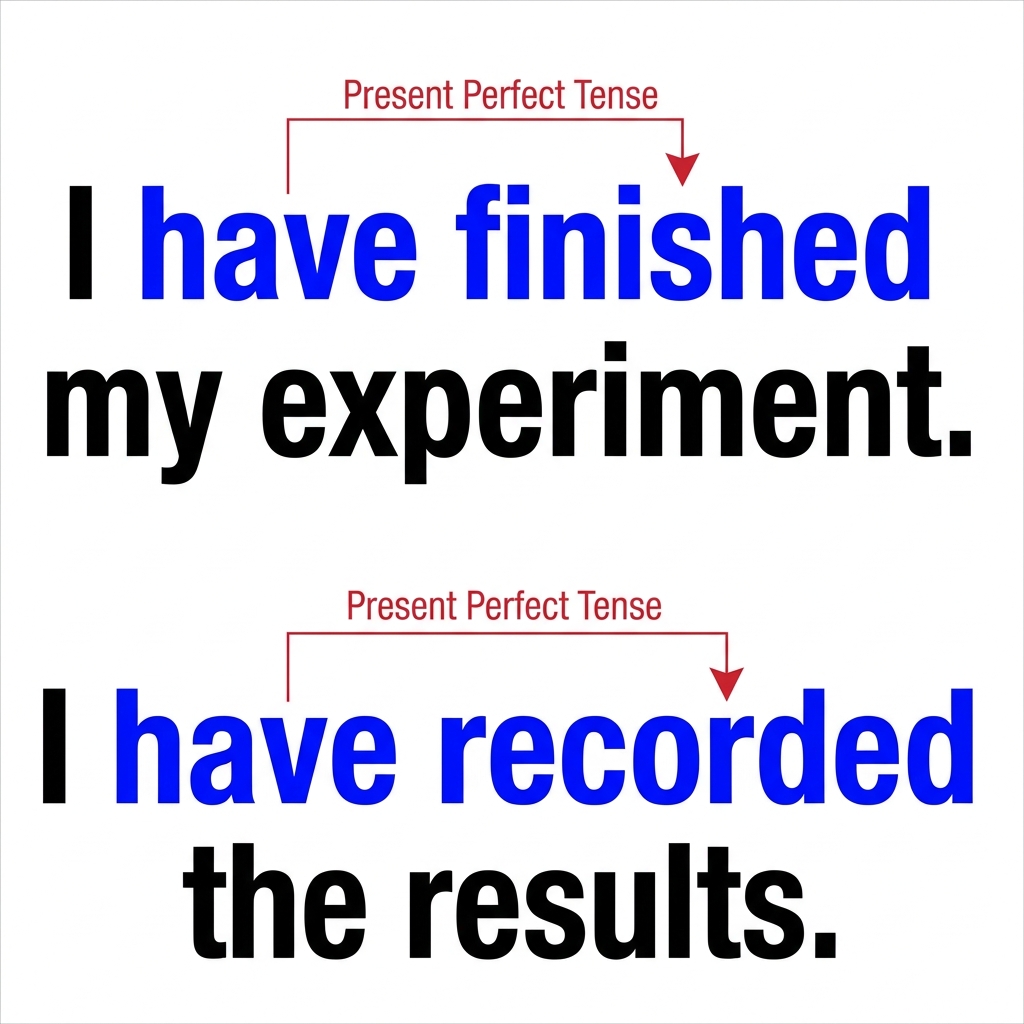
I have found that students often treat grammar like a set of abstract rules to memorize. This lesson pivots away from that by explaining that these tools matter because they help a reader follow the sequence of events. When a student knows how to use a preposition to describe location or a perfect verb tense to signal a completed action, they stop writing lists of static events and start building a narrative that makes sense. It is a relief to see a resource that does not just ask for fill-in-the-blank answers but expects the student to reason through why a verb tense shift disrupts the flow of a passage.
How to use this for your students
This material fits best for those students who have basic sentence structure down but lack the nuance needed for higher-level work. If you are an intervention teacher or an independent study coordinator, you can assign this to help a student who is ready to move beyond simple sentences. It is also an effective substitute day activity if you want to ensure the class is working on something that actually moves their writing skills forward rather than just keeping them occupied.
Because the lesson provides clear vocabulary definitions and a guided practice session, it allows a student to work through the concepts without needing a lecture from you at every step. The definitions for conjunction, preposition, interjection, and perfect verb tense are presented with enough context that a motivated student can review them and then immediately try their hand at the practice passage. Using a 5th grade grammar lesson like this one gives you a concrete piece of work to review, which makes it much easier to track whether the student actually understands how to keep their verb tenses consistent. It keeps the focus on the function of the language, which is where the real learning happens.
Related lessons
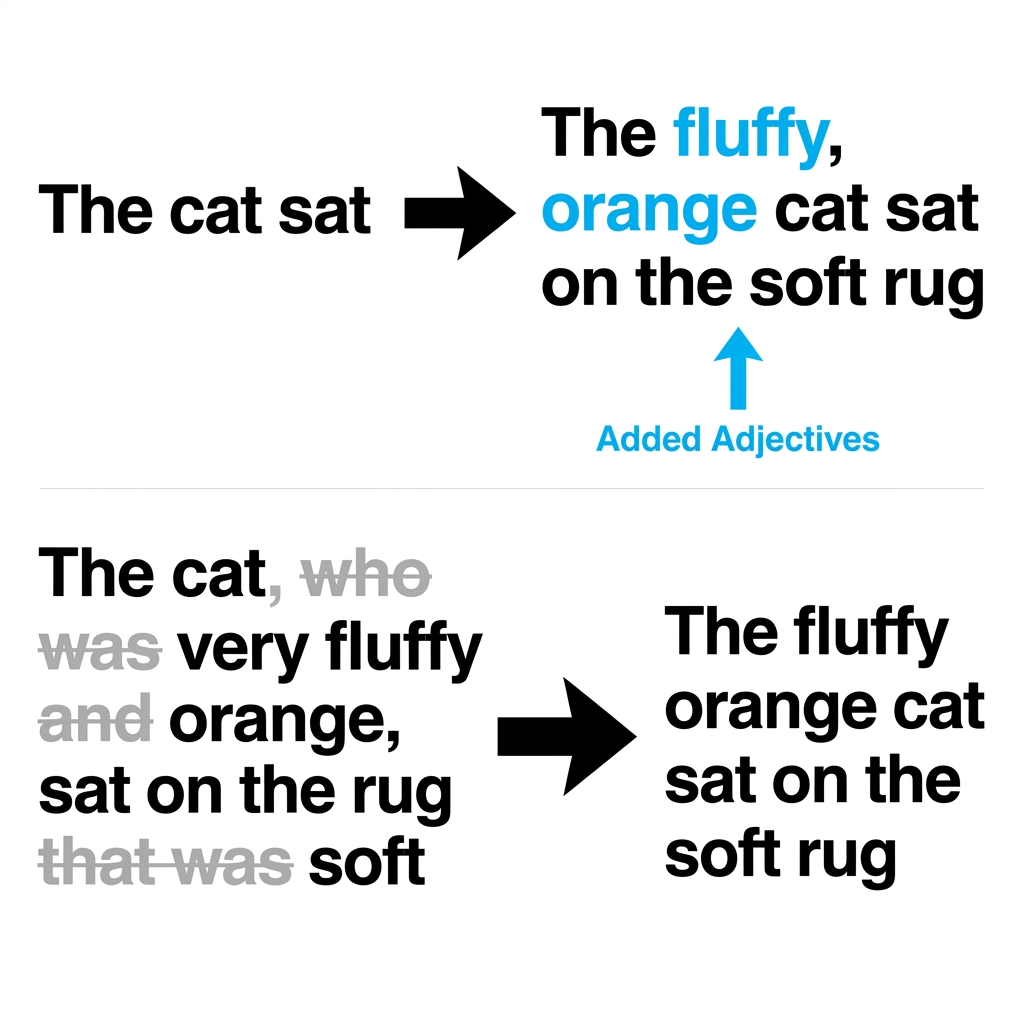
Crafting Better Sentences, Teaches techniques for building more complex and descriptive sentences

Finding Evidence and Themes in Stories, Focuses on identifying evidence to support thematic analysis

Understanding Story Structure, Explains how plot development and story arcs function