

You know the moment in a second grade classroom when a student hits a word they have never seen before while reading about nature. They stop, they look at you, and they wait for the definition. This happens constantly in our science units, and it can disrupt the flow of a good lesson if the students do not have a strategy for handling those hurdles themselves. I recently spent some time looking at Understanding Science Words, a lesson designed to help second graders move past that point of confusion by training them to rely on the text itself.
The lesson focuses on the objective of using clues within a book to figure out the meanings of new science vocabulary. It is a straightforward approach that fits well into a forty-five-minute block. The instruction begins by acknowledging that when we read about the natural world, we often come across special terms that feel completely new. The materials assume that students already have a basic grasp of context clues, which are the surrounding words that offer hints about a term meaning. From there, the lesson builds on that foundation by specifically looking at desert plants and the specific vocabulary required to describe them. It is a smart way to bridge the gap between general reading strategies and subject-specific literacy.
How the lesson handles specific vocabulary
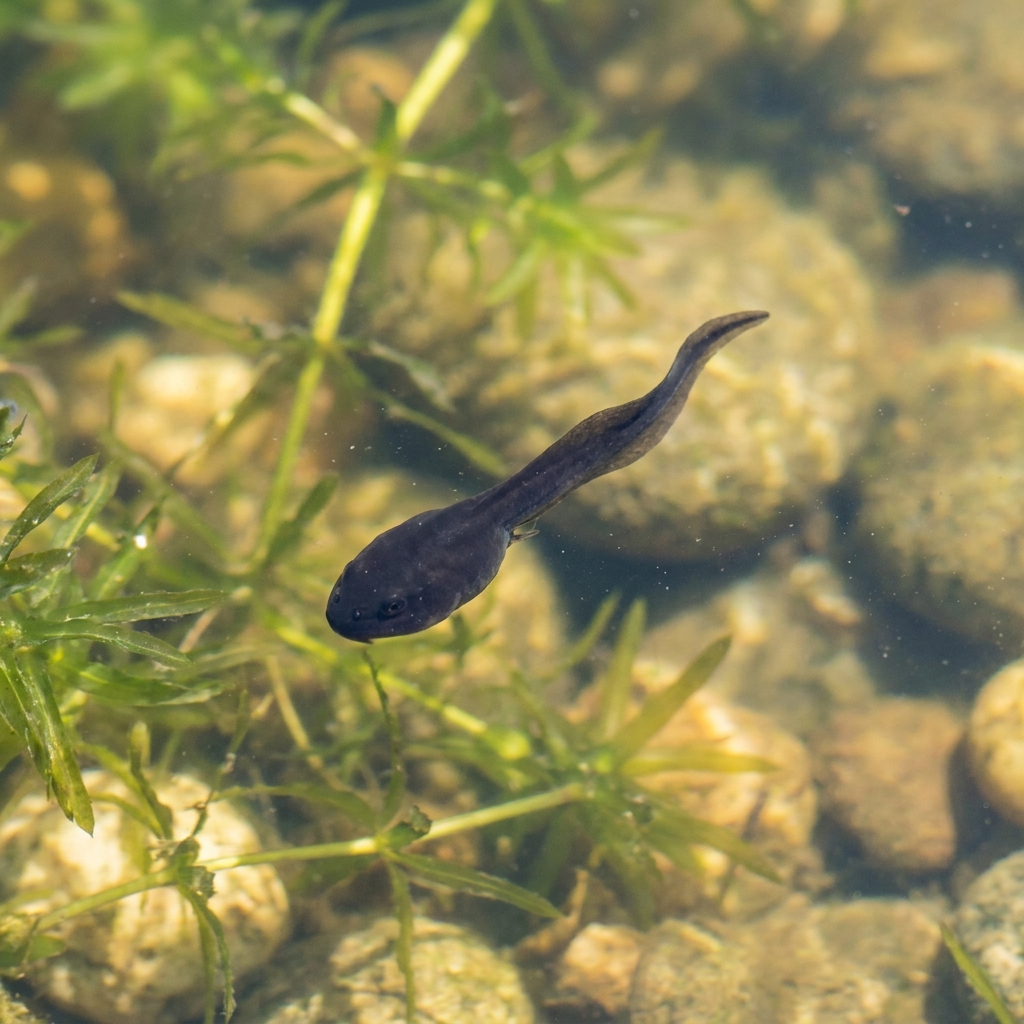
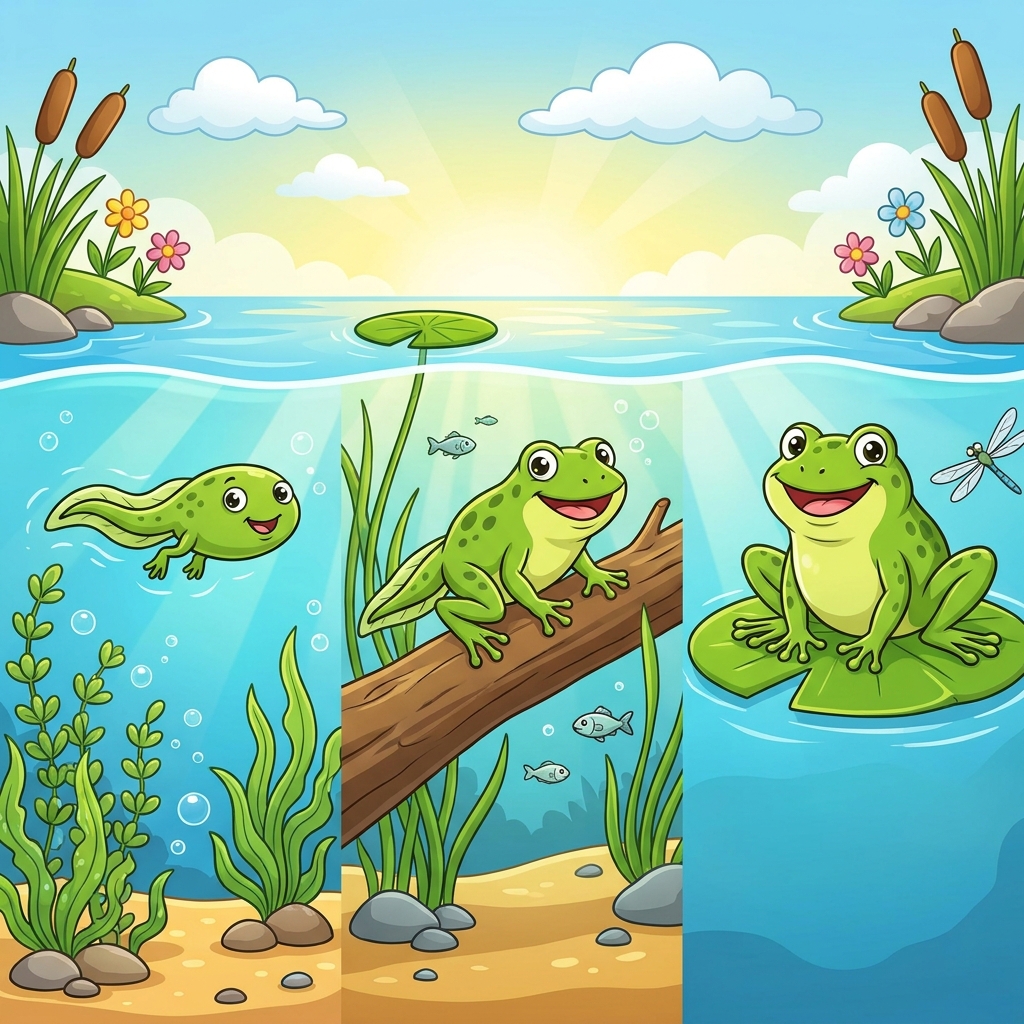
The lesson does not just tell students to guess. It provides a concrete worked example scenario that is quite effective for this age group. It uses the term tadpole as its primary model. Instead of giving a dictionary definition, the lesson explains that a tadpole is a baby frog that lives in water, and it shows the students how the text provides the evidence by stating the creature swims with a long tail before it grows legs. By linking the physical description to the term, the students learn to look for descriptive prose rather than just waiting for a bolded glossary definition. This is the kind of reading habit that serves them well as they move into higher grade levels.
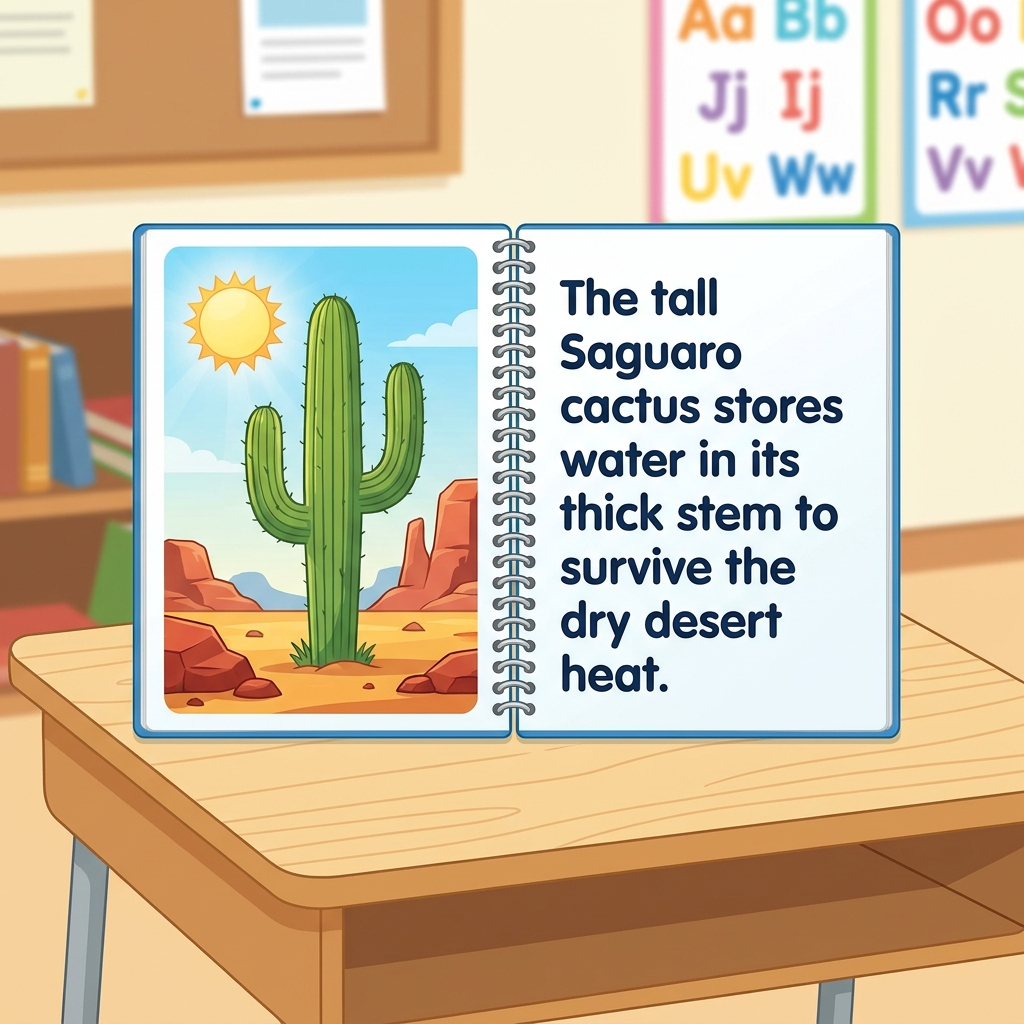
Teachers in school districts like Moreno Valley Unified, Oakland Unified, Romoland Elementary School District, and Burbank Unified are all working toward the same expectations for their students. When we use a specific reading informational text lesson like this, we are ensuring that our instruction stays consistent across the state. The lesson asks students to tackle a variety of animal names and descriptions, moving them from passive readers to active detectives who can pull meaning from a paragraph even when the subject matter is technical.
The standard at the heart of the lesson
The primary standard being addressed here is CA.ELA.RI.2.4. This California-adopted standard asks that students determine the meaning of words and phrases in a text that are relevant to a second grade topic or subject area. It also points toward the language standards four through six for additional expectations, which focus on expanding general academic vocabulary and understanding how to use roots and affixes. By targeting this specific standard, the lesson ensures that students do not just memorize facts about frogs or desert animals, but instead acquire a methodology for parsing language that they can apply to any informational text they encounter in the future.
I find that second graders sometimes struggle with the transition from narrative to informational text. They are so used to following a story arc that they forget how to stop and analyze a word in a factual passage. This lesson forces that pause. It is a good choice for a whole-class assignment when you are introducing a new science unit, but it also acts as a strong intervention for a student who missed the week of instruction and needs a refresher on how to handle technical vocabulary.
Reflections on guided practice
During the guided practice, the lesson shifts toward animals that come out at night, and it introduces the term nocturnal. I appreciate that the material asks the students to apply their skills to this new passage immediately. It is one thing to watch a teacher model the process with a tadpole, but it is another thing entirely to try it with a new concept like nocturnal animals. The lesson supports them through this transition, giving them a chance to work through the text while the concept is fresh in their minds.
The why-it-matters statement included in the material is worth mentioning to the class. It explains that understanding science words is necessary because they help us learn about the natural world. When a student knows these specific words, they have the power to understand exactly how animals live and grow. It shifts the goal from just completing a worksheet to being able to watch a video or read a book about nature and actually understanding the mechanics of what is happening on the screen or on the page. This is a powerful motivation for an eight-year-old.
If you have a student who is struggling with basic comprehension, do not assume they need lower-level texts. Often, they just need this explicit instruction on how to decode domain-specific vocabulary. By showing them that the answers are in the sentences they already know how to read, you remove the fear of the unknown. It is a simple tool, but it changes the way they approach their reading materials. If you are looking for a reliable way to hit those craft and structure standards, this specific lesson is a solid resource to keep on hand for when you need to sharpen those analytical skills.
Related lessons

Finding Reasons in Informational Text, Teaches students to identify supporting reasons in a provided text
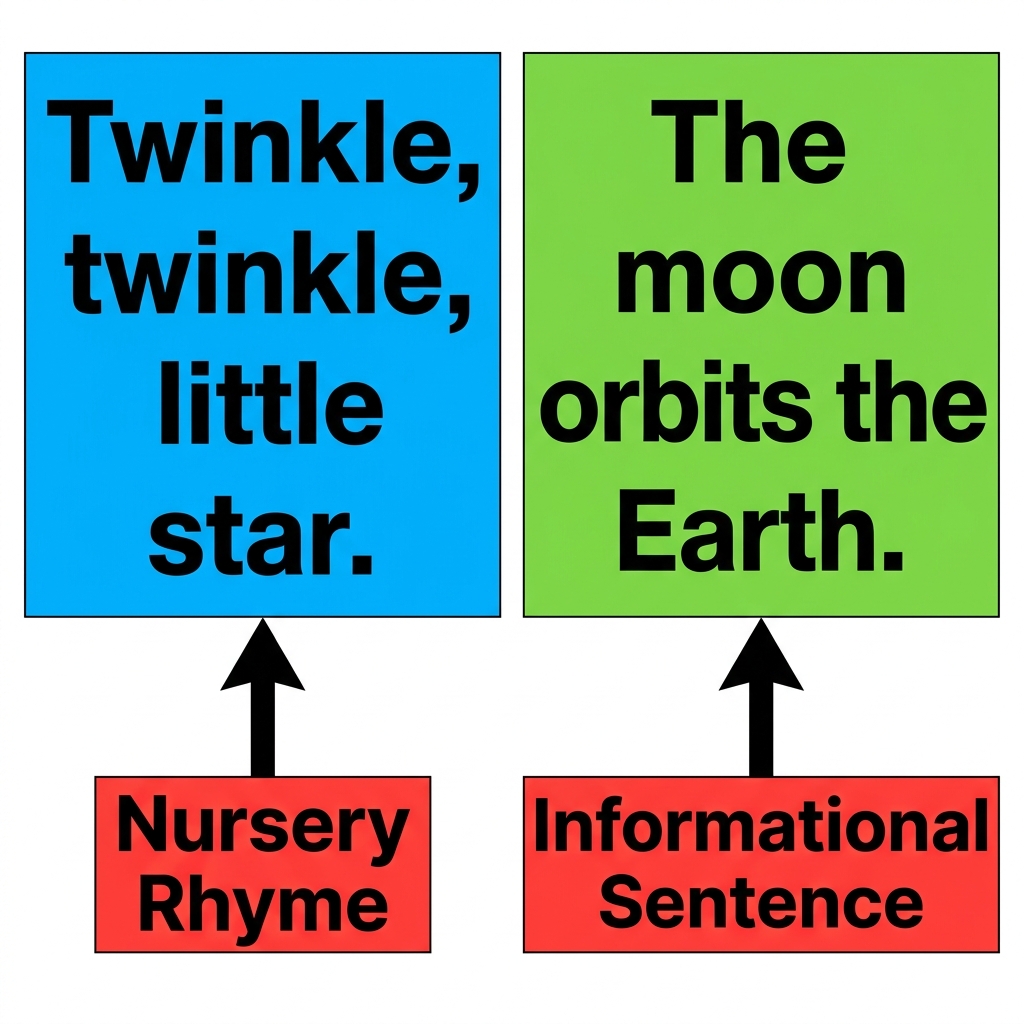
Finding the Main Idea in Informational Texts, Helps students determine the main topic of an informational passage
Finding the Author's Purpose, Explains how to identify why an author wrote a text