

I still remember a parent asking me why we spent so much time on base-ten concepts in fourth grade. It is a fair question, especially since students have used place value since kindergarten. The answer is that we are shifting from simple counting to a deeper grasp of numeric relationships. In 4th grade mathematics, the focus turns to how digits relate to one another based on their specific spot in a number. This shift is where the real work of number sense begins for these students.
The primary standard we are working toward is CA.MATH.4.NBT.1. This is the California-adopted standard for the Number and Operations in Base Ten domain. The standard specifically asks students to recognize that in a multi-digit whole number, a digit in one place represents ten times what it represents in the place to its right. It also adds the necessary reciprocal, which is also reflected in the sub-standard CCSS.MATH.4.NBT.A.1, stating that each place is one-tenth the value of the place to its left. This is a subtle shift in the curriculum, but it is the difference between rote memorization and true mathematical fluency. This specific concept is taught with the same expectations across Stockton Unified, Anaheim Elementary School District, Lucia Mar Unified, and Garvey Elementary School District.
What the standard actually demands
When you break down the language of the standard, it demands that students abandon additive thinking for multiplicative thinking. It is not enough for a student to know that a 5 in the hundreds place is bigger than a 5 in the tens place. They must understand the magnitude of that difference. The standard asks them to articulate that the relationship between these places is always a factor of ten. When a student truly grasps this, they can look at any number and understand how the base-ten system scales.
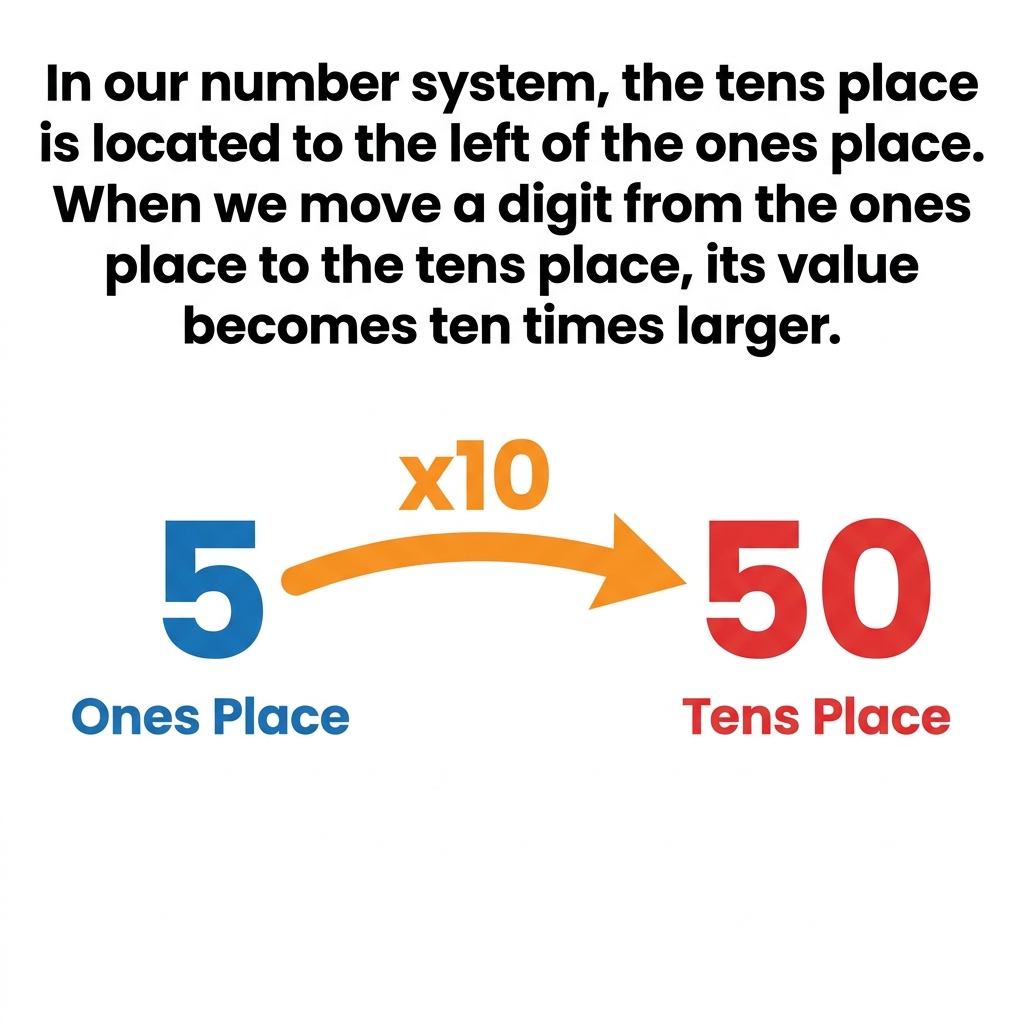
I find that many students have been taught to identify place value by name only, such as identifying the hundreds column or the thousands column. The challenge here is making that cognitive leap to describe the value relationship between columns. If you are looking for a solid 4th grade place value lesson to facilitate this, this resource provides a clear path for that transition.
Using the lesson effectively
Understanding Place Value is a 45-minute lesson designed to walk students through this logic. It begins by reminding them that our number system uses ten as a base. We know that we group objects into tens to make counting easier, and the lesson uses the example of a base-ten block to show how ten smaller ones blocks create a single ten. This is a vital physical connection for students who might be struggling with abstract numbers.
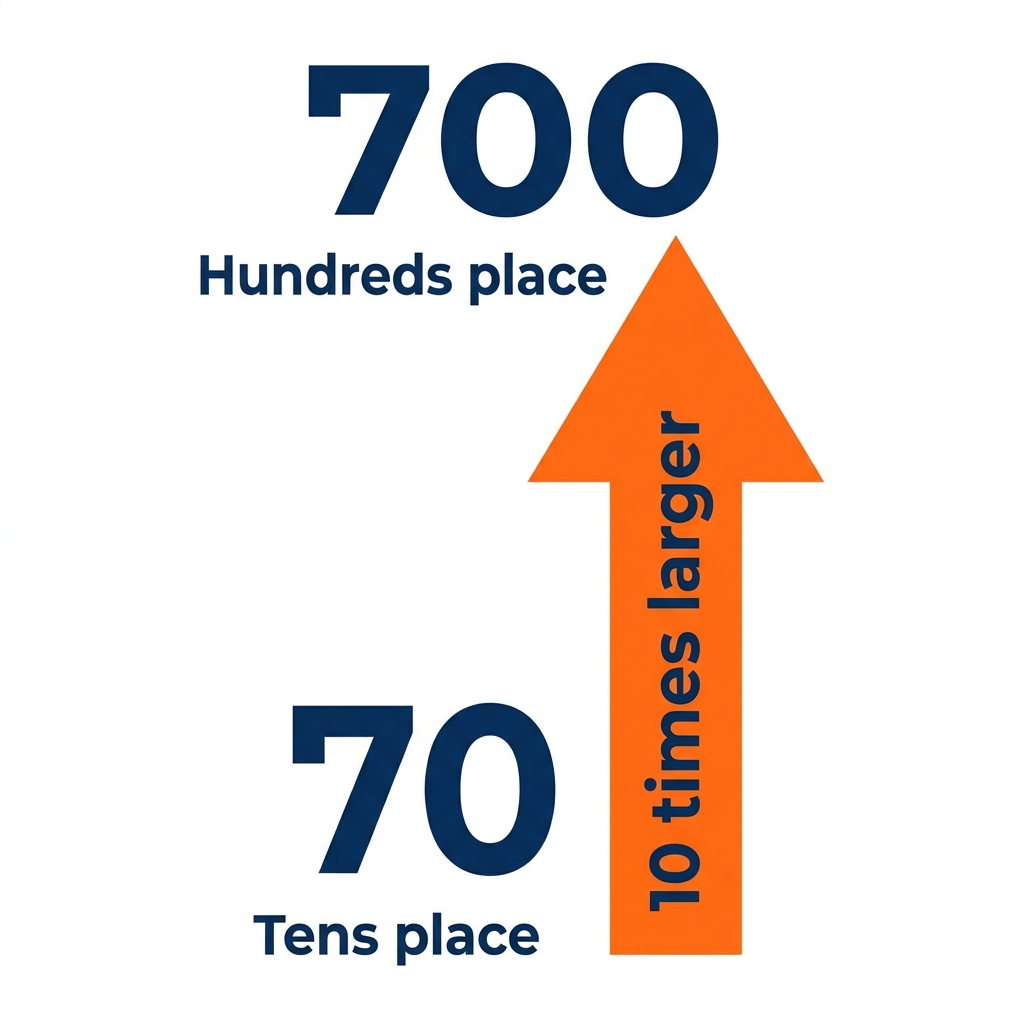
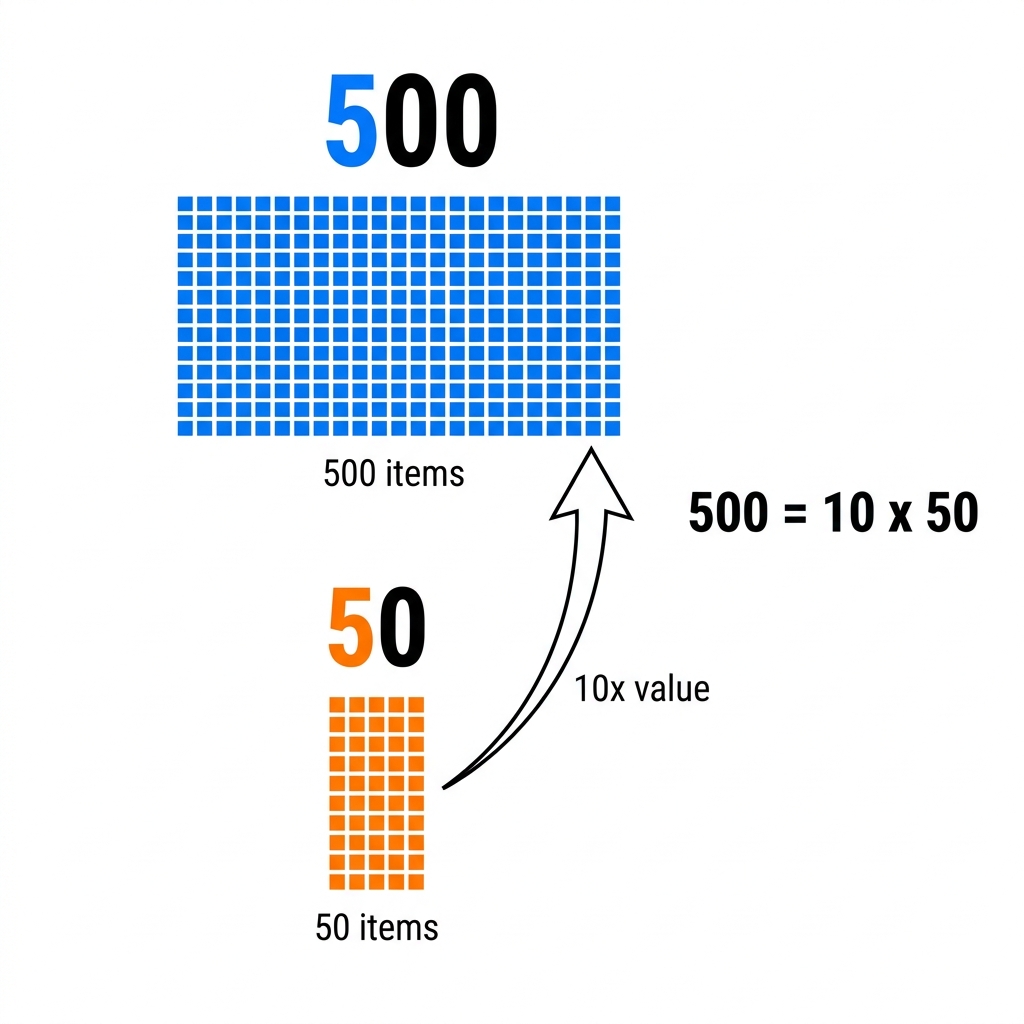
The material moves into the core relationship between adjacent places. The lesson uses a very concrete example comparing 500 to 50. Since the 5 in the hundreds place is worth 500 and the 5 in the tens place is worth 50, the student can see that 500 is exactly ten times the value of 50. It defines place value as the value of a digit based on its position in a number, and reminds students that a digit is any symbol from 0 to 9 used to write those numbers.
My experience is that most students struggle here not because they cannot multiply by ten, but because they struggle to visualize the shift in position. When they compare the thousands place to the hundreds place, watch for students who try to use additive thinking rather than multiplicative thinking. They will want to say it is 900 more instead of identifying that it is ten times more. If you see this, redirect them back to the warehouse scenario in the lesson. In that scenario, workers count items in groups of tens and hundreds to track inventory, which is a perfect real-life application for this skill. If they have 500 boxes, they know that is ten times more than 50 boxes. It is a simple example, but it works.
This material is perfect for a whole-class assignment or for a student who missed the week and needs a quick way to catch up on the logic. It also works as a substitute day task if your sub knows how to facilitate that ten times conversation.
Related lessons
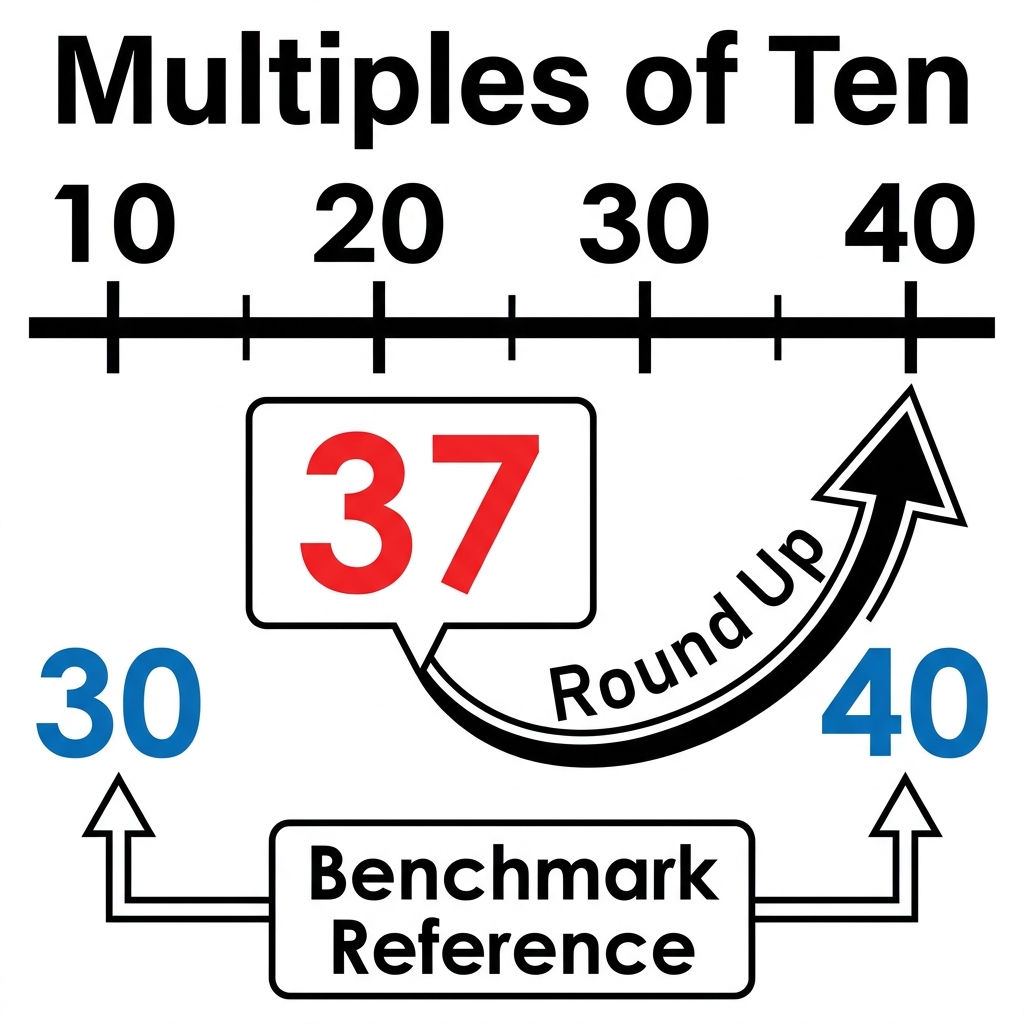
Rounding Numbers to the Nearest Ten and Hundred, Teaches students how to round whole numbers to specific places
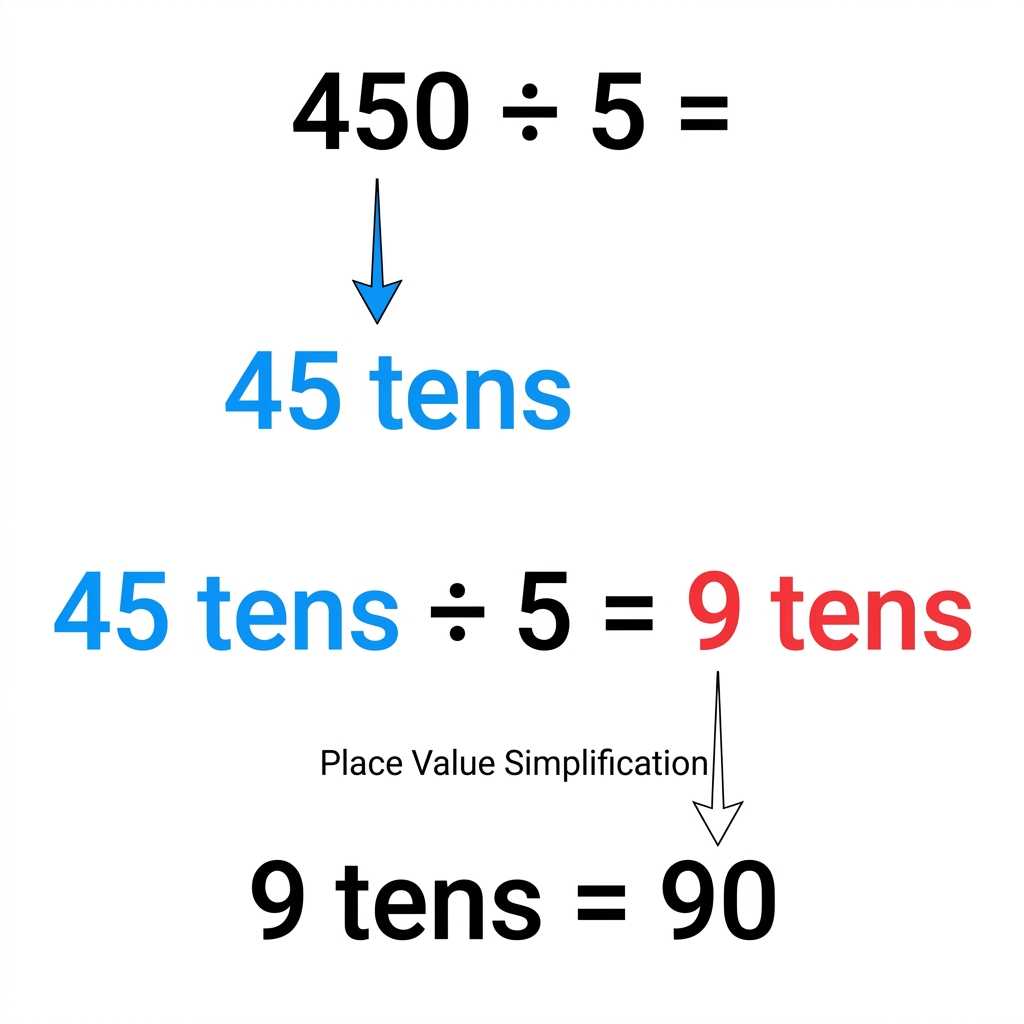
Dividing Whole Numbers with Remainders, Covers long division techniques including handling leftover remainder values
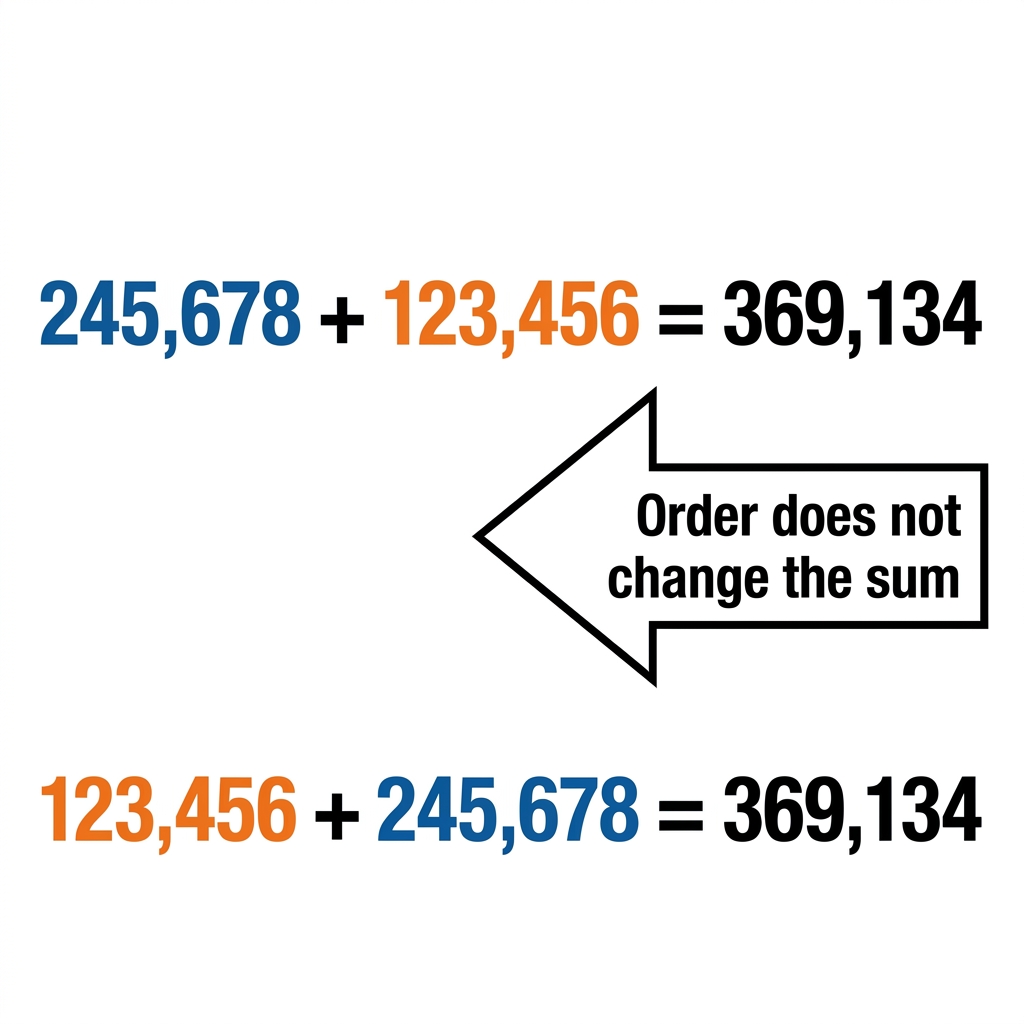
Adding and Subtracting Large Numbers, Reviews multi-digit addition and subtraction using standard place value strategies