

A parent once asked me, “Why do students have to learn engineering in a biology class?” It is a fair point, but it misses how much of modern ecology relies on fixing the damage we cause to the natural world. I use Designing Solutions for California’s Environment to help my tenth-grade biology class bridge that gap. This high school biology lesson moves students past simple identification of ecosystem components and forces them to act as scientists who actually repair habitats.
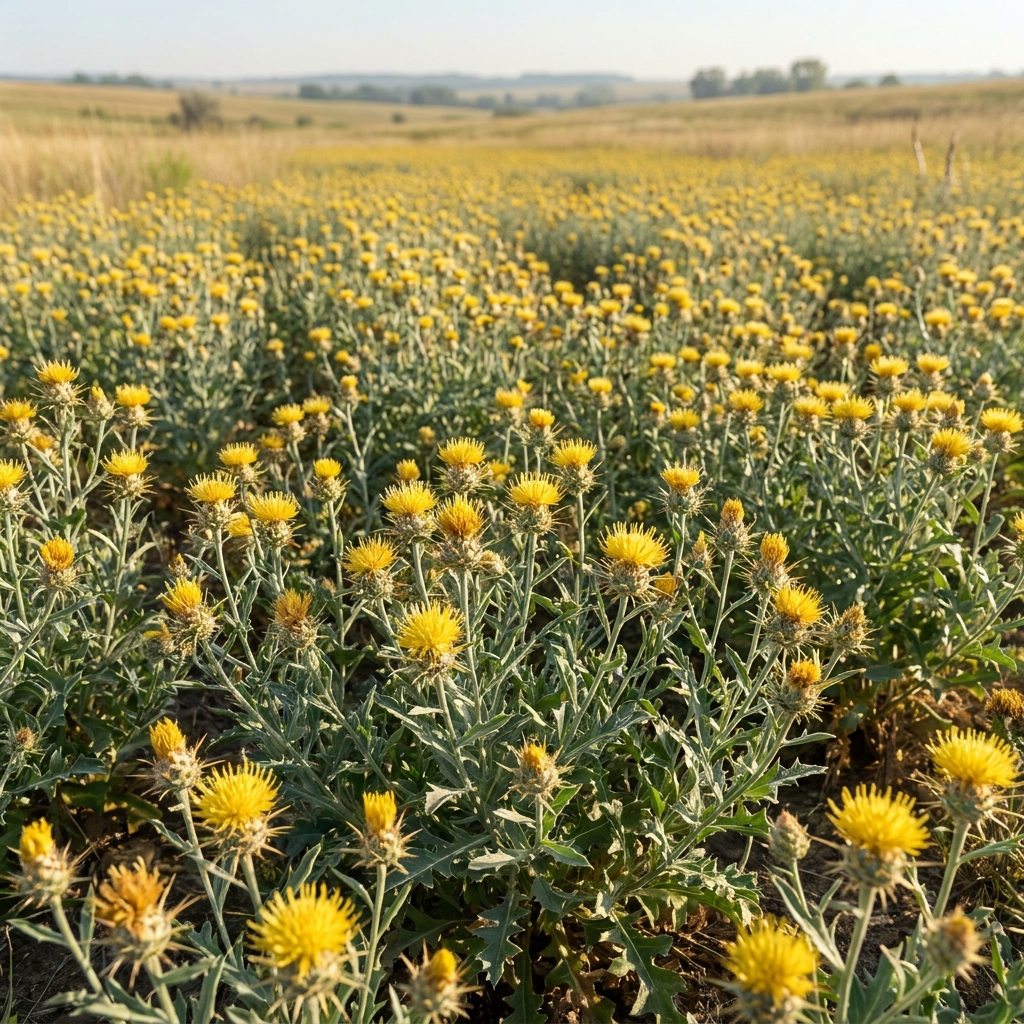
The work revolves around the standard HS-LS2-7, which requires students to design, evaluate, and refine a solution for reducing the impacts of human activities on the environment and biodiversity. This is a California-adopted standard, and across districts like Porterville Unified, Fresno Unified, Templeton Unified, and Redlands Unified, we are teaching the same core expectation that students must address regional environmental challenges. Those challenges include reducing agricultural runoff into the San Francisco Bay, mitigating wildlife-urban interface conflicts, restoring salmon habitat, and managing invasive species.
What the lesson actually asks students to do
The core of the lesson is the iterative design process. The material defines this as a systematic method involving the repeated cycle of designing, testing, measuring results, and refining a solution until performance goals are met. This is not just a vocabulary exercise. Students are expected to understand how to apply this to real-world biological dilemmas. For example, they look at how farmers deal with agricultural runoff, which is water that flows off of farms and carries soil, fertilizers, or pesticides into nearby streams, rivers, or bays. The lesson suggests vegetative buffer zones as a standard fix. This helps students grasp that biology is rarely about a single static answer and almost always about constant monitoring and adjustment.
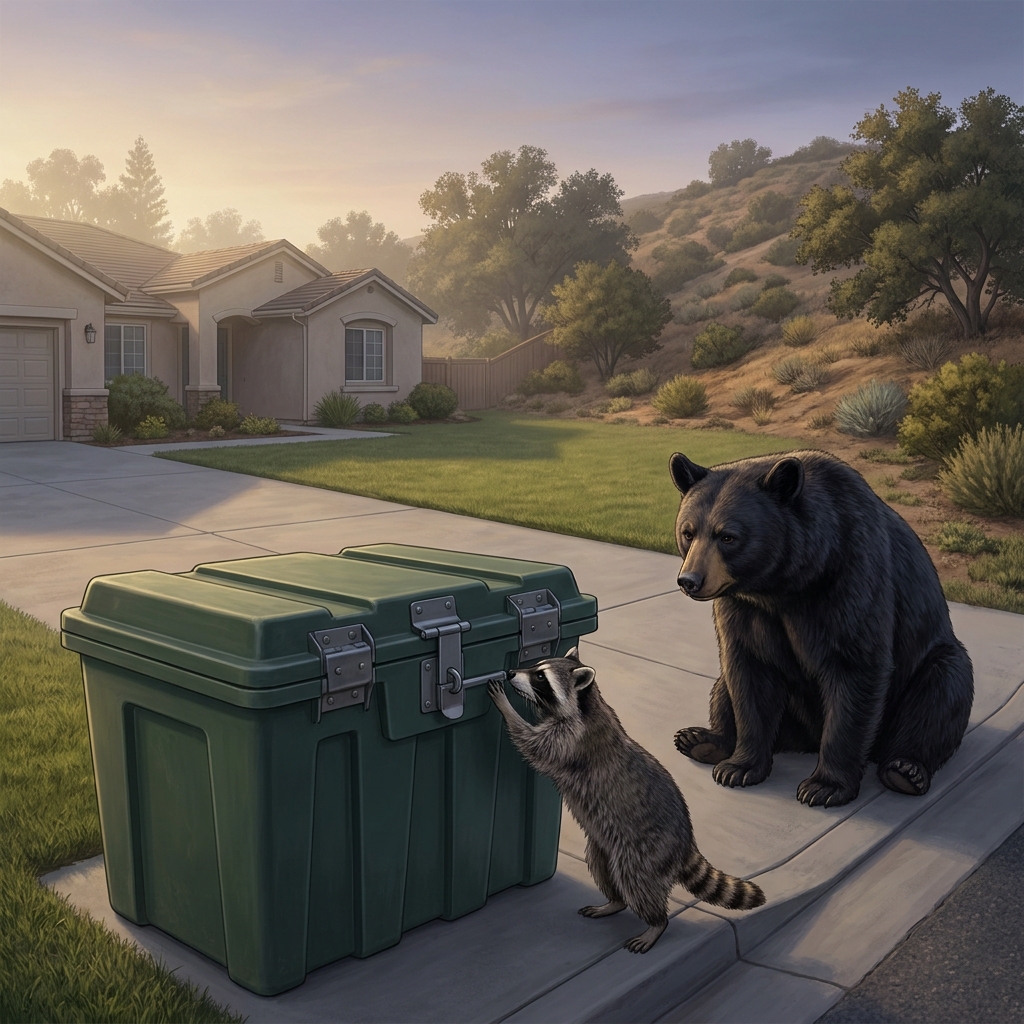
You will also cover terms that define the scope of these problems, such as biodiversity, which is the variety of all living things in a particular ecosystem or on Earth. There is also discussion of non-native encroachment and the wildlife-urban interface, which describes the zone where suburban or city development meets wildland areas, often leading to conflicts between humans and local wildlife. These definitions are essential for students as they work through the case studies.
Where students slip
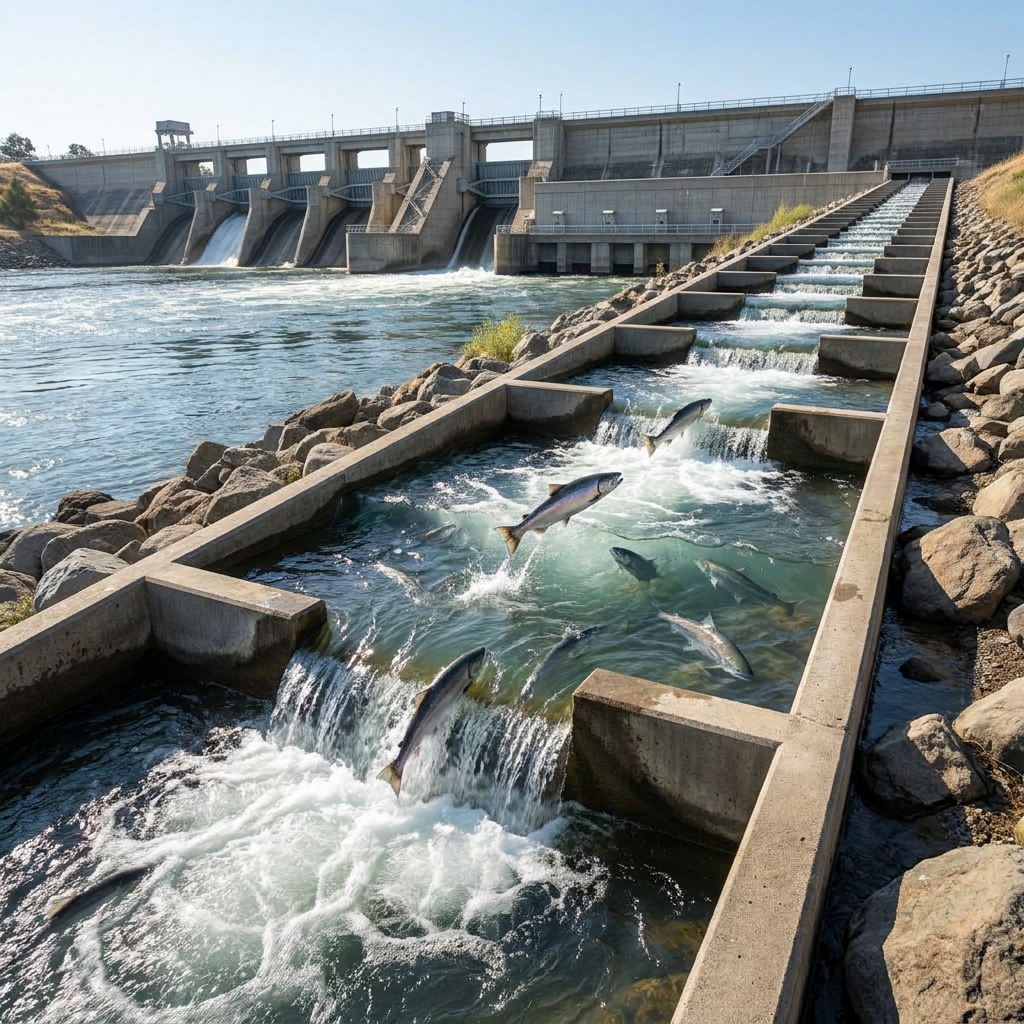
The most common hurdle in this high school biology environmental design lesson is the temptation to stop at the first attempt. Students often design a solution, check that it exists, and call the work finished. I find that the lesson is most effective when I push them to look at the salmon ladder scenario provided. In this case, engineers design stepped pools for salmon to climb over dams. If the first design is too difficult for salmon to climb, engineers observe the fish, modify the pool heights, and test again. This is where the learning happens. If your students treat the project like a checklist, they will miss the nuance of the cycle. I try to model this by asking them, “How do we know if it failed?” rather than letting them just present a finished design.
During the guided practice, you will ask them to imagine they are cleaning up an urban creek. Do not let them rush this. The time spent debating why a particular barrier exists is just as valuable as the time spent drawing the solution. The lesson takes about 45 minutes, but I usually tell the class that if they get stuck, they should go back and re-evaluate their constraints. If they are struggling to define the human impact, have them re-read the section on agricultural runoff in the San Francisco Bay area. The lesson makes it clear that by balancing the needs of agriculture and the health of the bay, engineers can protect our water and our wildlife for years to come.
Classroom implementation
This material works well as a whole-class assignment when you are midway through an ecology unit. It is also excellent for independent study if a student needs to make up for missed work. I find that it serves best when students work in pairs to debate the feasibility of their designs. If you have a student who missed the week of ecology, this is a perfect catch-up activity because it touches on the fundamentals of environmental biology while introducing the engineering requirements of the course. Just remind them that the goal is not to have a perfect solution on the first try but to document the process of improvement. If you have a substitute day, this is self-contained enough that students can work through the scenarios with minimal direct instruction.
Related lessons
Ecosystem Dynamics and Change, Covers how ecosystems shift over time due to environmental factors
Group Behavior and Survival, Examines how social groupings improve chances of individual survival
Building Life: From Sugars to Proteins, Explains the synthesis of biological molecules in living organisms