


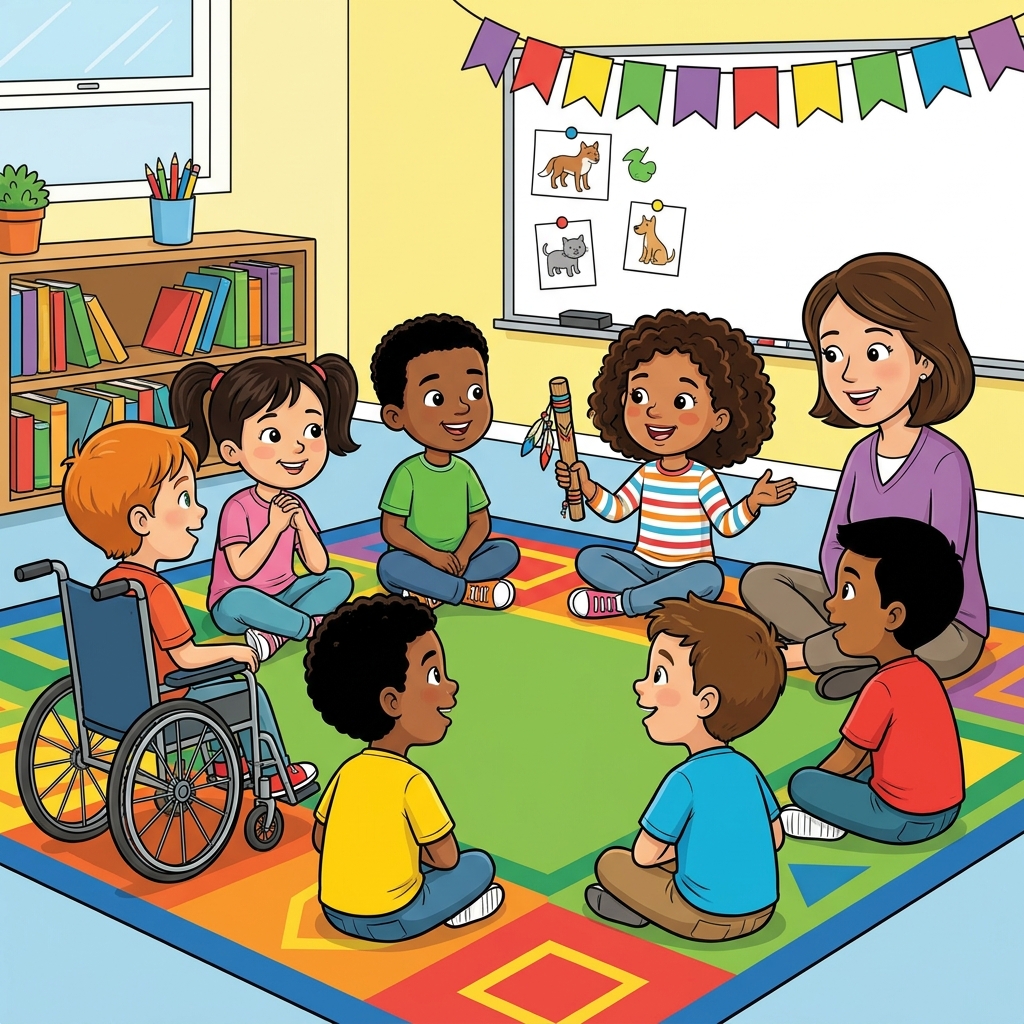
It happens every time we ask for a group discussion: two or three students talk over one another, while another few retreat entirely into their own thoughts. It is a natural impulse for six-year-olds to want to get their idea out first, or simply to tune out when someone else is speaking. This is why I keep Talking Together on hand for my first grade English Language Arts block. It provides a structured space to practice the patience and focus required for actual, two-way communication.
This 15-minute lesson targets the foundational ability to exchange ideas in a way that is respectful and productive. Instead of just letting students chat freely, the material requires them to follow agreed-upon rules for discussions. This includes listening to peers with genuine care and ensuring that everyone takes turns speaking one at a time. The focus is on staying on topic while interacting with both peers and adults. Whether your students are in Poway Unified, Los Angeles Unified, Eastern Sierra Unified, or Snowline Joint Unified, they are all working toward the same expectations for oral language development.
Building better conversation habits
The core objective here is simple: “I can listen and talk with my friends.” The lesson is designed to make that goal concrete. It frames the interaction as a collaborative process where the listening part is just as valuable as the talking part. I find it especially helpful for a whole-class assignment at the start of the year, or as a quick refresher for a student who missed the week when we first covered group participation. It also functions as an excellent tool for an independent study session where you want to emphasize communication skills alongside content knowledge.

When you open Talking Together, you will find activities that move students away from the chaotic interruption style of talking and toward a deliberate rhythm. It forces them to acknowledge the speaker before launching into their own response. While it might seem small, training a first grader to wait until the current speaker is finished is a significant developmental hurdle. This lesson provides the practice space that makes that happen without feeling like a lecture.
Aligning with state standards
The lesson is built around CA.ELA.SL.1.1, which is the California-adopted standard for Speaking & Listening in the first grade. This standard asks that students participate in collaborative conversations with diverse partners about grade-level topics and texts. The California addition to this standard is what gives the lesson its teeth, as it explicitly requires students to follow agreed-upon rules for discussions, including listening to others with care and speaking one at a time about the topics and texts under discussion. By teaching this, you are ensuring your students understand that a discussion is a shared responsibility, not just a series of monologues.
Where students often slip
Even with good instructions, first graders often lose the thread of the topic when they get excited. The most common pitfall I see is students waiting for their turn to talk but not actually listening to the person who is currently speaking. They are busy rehearsing their own sentence in their head instead of engaging with the content. This lesson helps mitigate that by providing clear structures for interaction. It reinforces the idea that if you are not listening, you cannot possibly respond to the content or add to the conversation in a meaningful way. If I have a student who struggles with impulsivity, I find that returning to this lesson helps them recalibrate their expectations for what their role should be in a small group.
Fitting this into your schedule
Because it only takes about 15 minutes, I use this whenever I sense that our group dynamics are becoming a bit frayed or unfocused. It is also a lifesaver for a substitute day when you need the class to practice a predictable, calm routine. Since it focuses on topics and texts appropriate for their age, you can easily plug it into your existing units. The students appreciate the simplicity, and I appreciate that it requires very little preparation to set up. It is a straightforward way to keep our discussions grounded and accessible to everyone in the room, regardless of their current confidence levels in public speaking.
Related lessons

Learning About Our Community, Discussing neighborhood roles and community helpers in the classroom
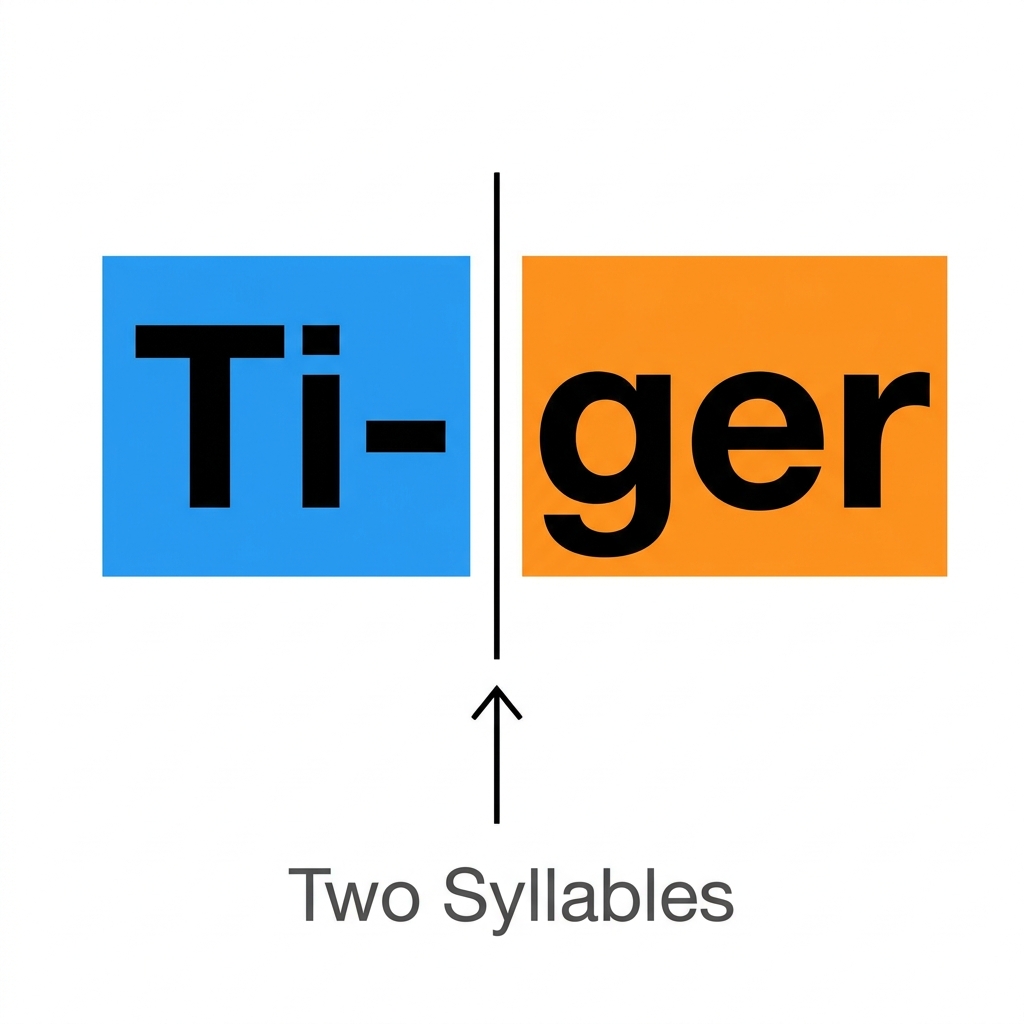
Breaking Words Apart, Practicing phonemic awareness by segmenting common words into sounds

Finding Story Details, Identifying specific characters and events in a short story