

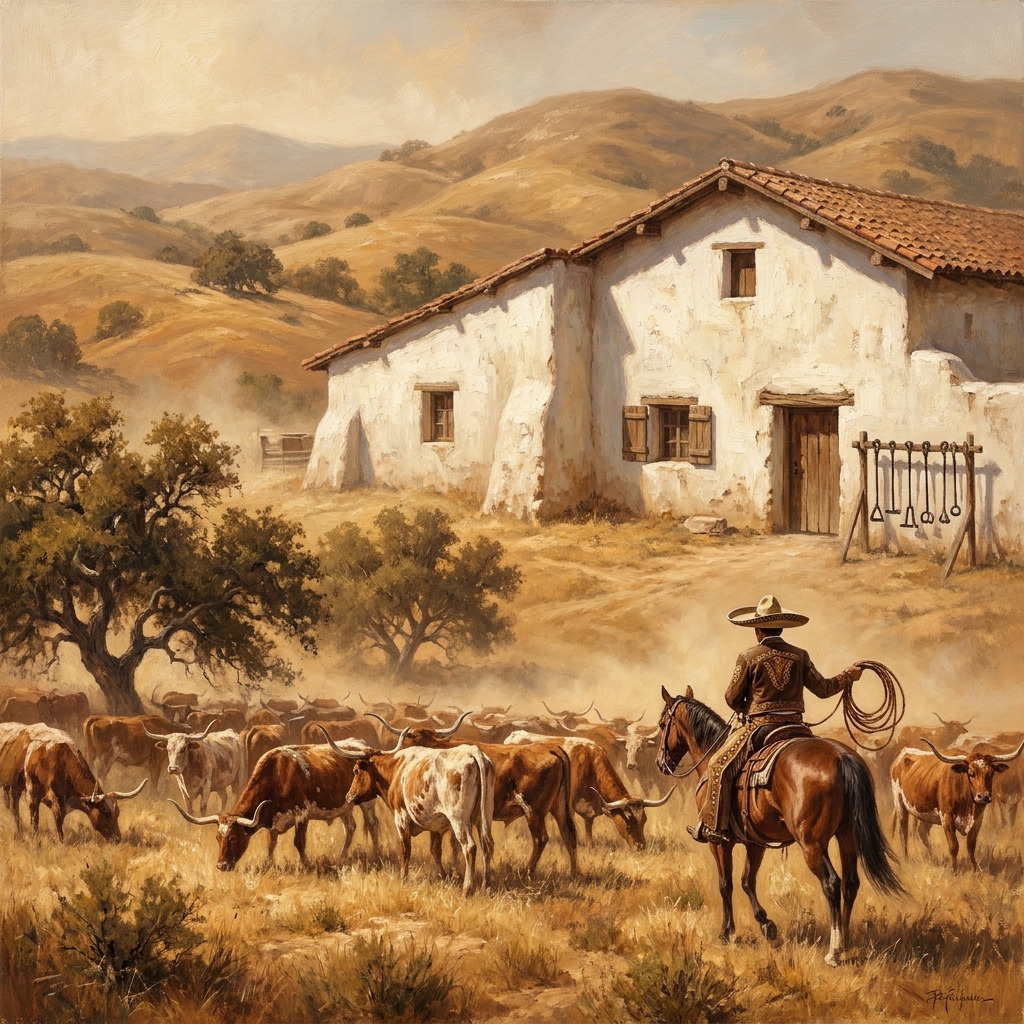
The transition from mission control to private ownership altered the daily rhythm of life in early California, and understanding this shift is a key part of the social studies curriculum.
How the rancho system changed California
Imagine a family living in a village where they share one small garden to grow all their food. If that family suddenly receives their own private plot of land, their entire relationship to the work they perform and the future they envision changes. This is the exact scenario students encounter at the start of Mexican California: Land and Change. It provides a simple entry point into 4th grade social studies, helping students understand how the transition from mission control to private ownership altered the daily rhythm of life in early California.

This lesson covers the shift in authority and property management that defined the era of Mexican rule. Students learn how secularization turned mission lands into large ranchos, fundamentally changing who controlled the state’s resources. The material explains the rise of the rancho economy through concrete examples, such as how owners used their vast holdings to build successful cattle operations. It is a straightforward way to get a student up to speed on the social and economic shifts of the mid-1800s.
The standard behind the story
When you assign this 4th grade social studies land grants lesson, you are covering the California-adopted standard CA.HSS-4.2.8. This standard asks students to discuss the period of Mexican rule in California and its specific attributes, including land grants, the secularization of the missions, and the emergence of the rancho economy. Students in districts across the state, such as Capistrano Unified, San Bernardino City Unified, Orinda Union School District, and Hilmar Unified, all work toward mastering this same historical requirement.
The lesson uses specific vocabulary to help students understand these complex concepts:
- Land grant: A gift of land given by a government to a person for them to own and use.
- Rancho: A large cattle ranch in California during the time of Mexican rule.
- Secularization: The process of moving land and property from the control of the church to the control of the government and private citizens.
- Vaquero: A skilled cattle herder who worked on a rancho.
What students actually do with the material
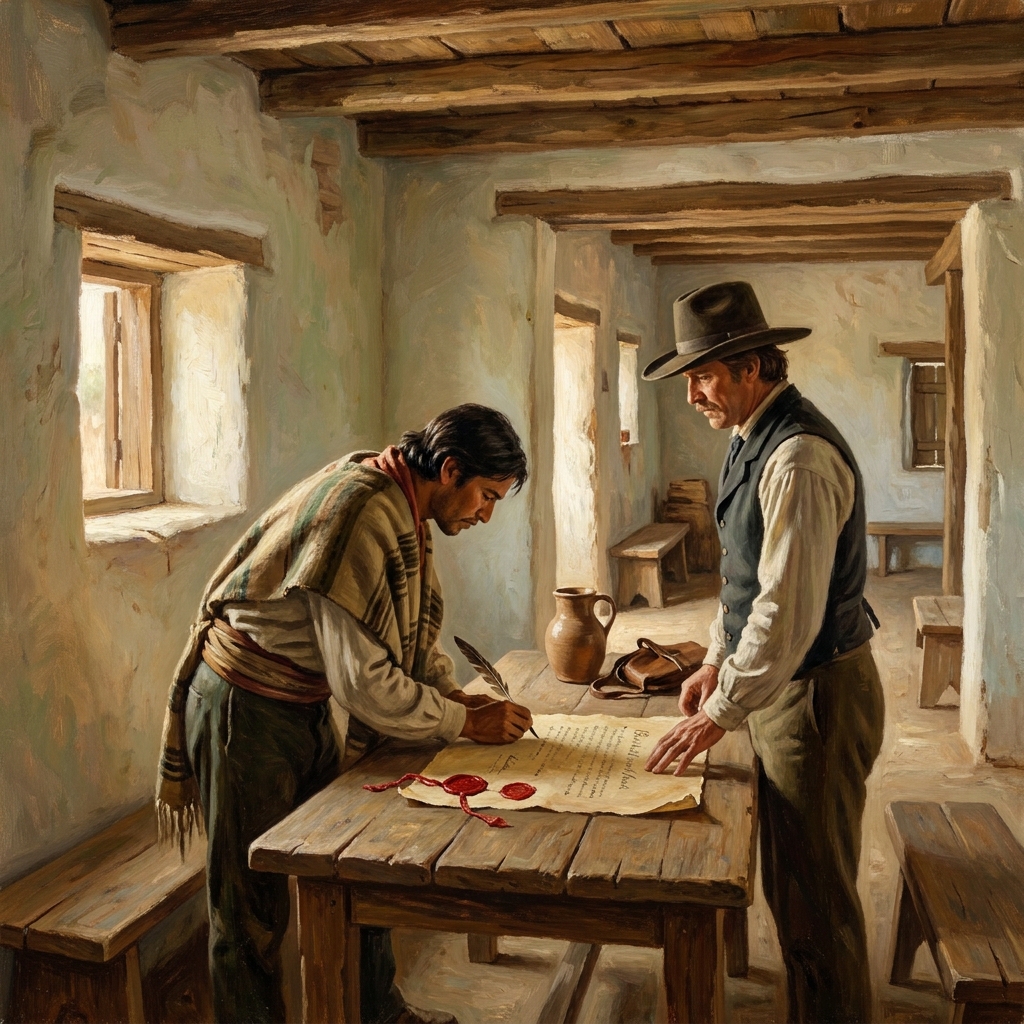
The lesson asks students to step into the role of a settler to understand the power of a land grant. They imagine writing a petition to the Mexican governor to request a specific piece of territory for their own ranch. This exercise forces them to consider why land ownership was a significant shift for the people living in California at the time. By connecting this historical process to modern land-use planning, the material succeeds in making a distant era feel relevant to their own lives.
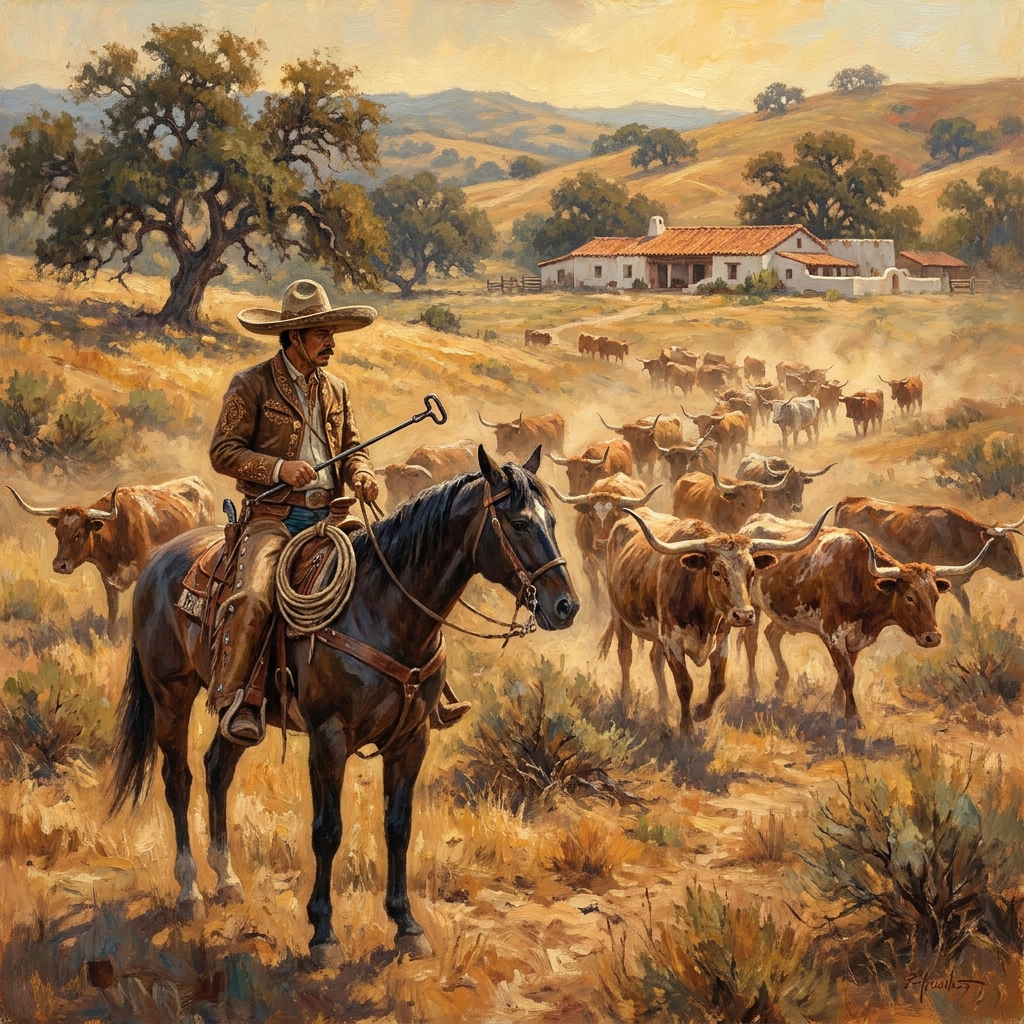
The content is well-structured, but I find that some students struggle with the abstract concept of secularization. It helps if you remind them that this was a change in who held the keys to the buildings and the fields. When the church lost its exclusive control, the government gained the ability to parcel that land out to private individuals. It is a dry concept on its own, so keeping the focus on the actual cattle ranching and the daily life of a vaquero is usually the best way to keep a student engaged.
Pacing and placement for your students
The lesson typically takes about 45 minutes to complete. This makes it an ideal choice for an intervention teacher who needs to plug a gap in a student’s knowledge or for an independent study coordinator managing a student who missed the week during the regular unit. If you have a student who needs to demonstrate proficiency in this specific standard for attendance recovery, this is a clean and manageable way for them to show they understand the material without getting lost in an overly long textbook reading.
Because the lesson includes a clear why-it-matters section, students are less likely to wonder why they are bothering with 19th-century history. It bridges the gap between the era of Mexican rule and how we use land for parks or housing today. If a student is working through this on their own, the prompts provide enough structure that they should not need constant check-ins from you, though checking their petition for the land grant is a smart way to see if they actually grasped the mechanics of how that system worked. It is a solid, focused piece of curriculum that gets to the point without excessive fluff.
Related lessons
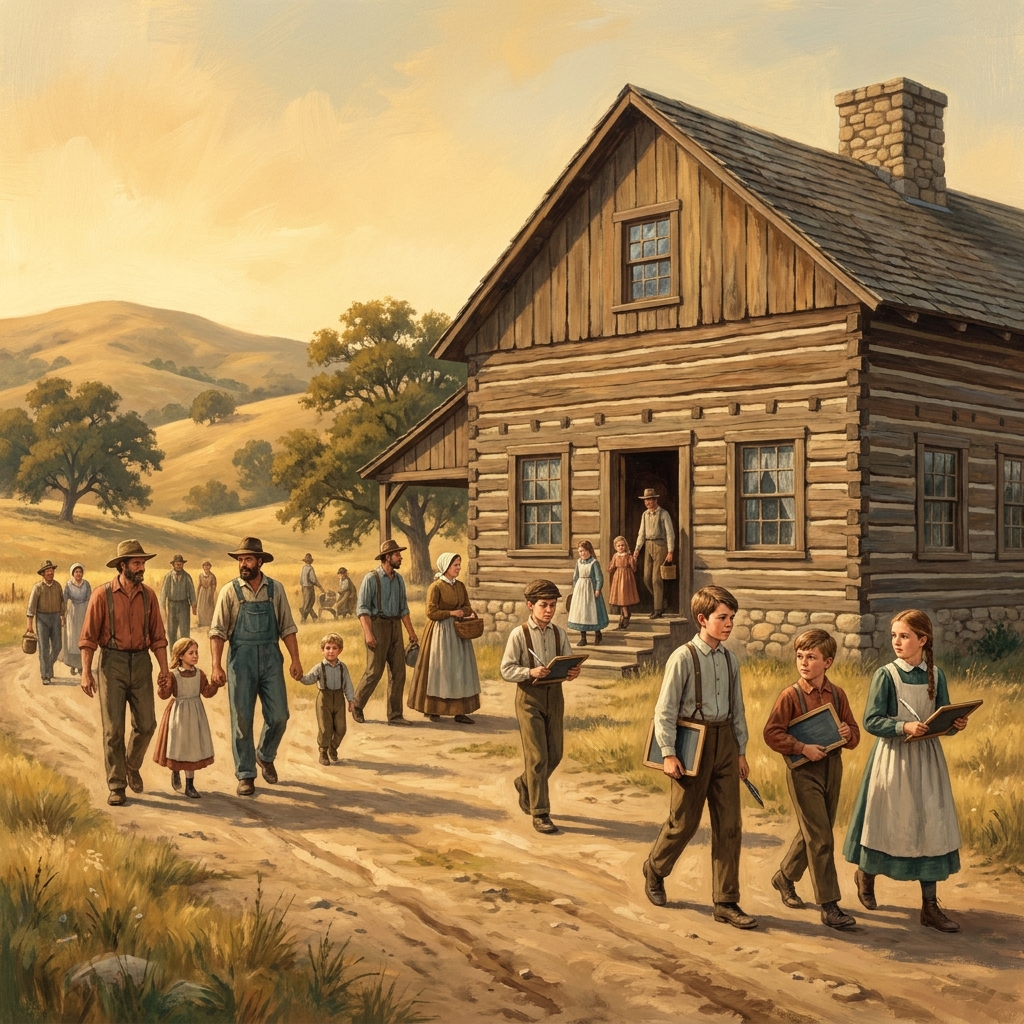
The Growth of California's Public Schools, Traces the development and expansion of California's public education system
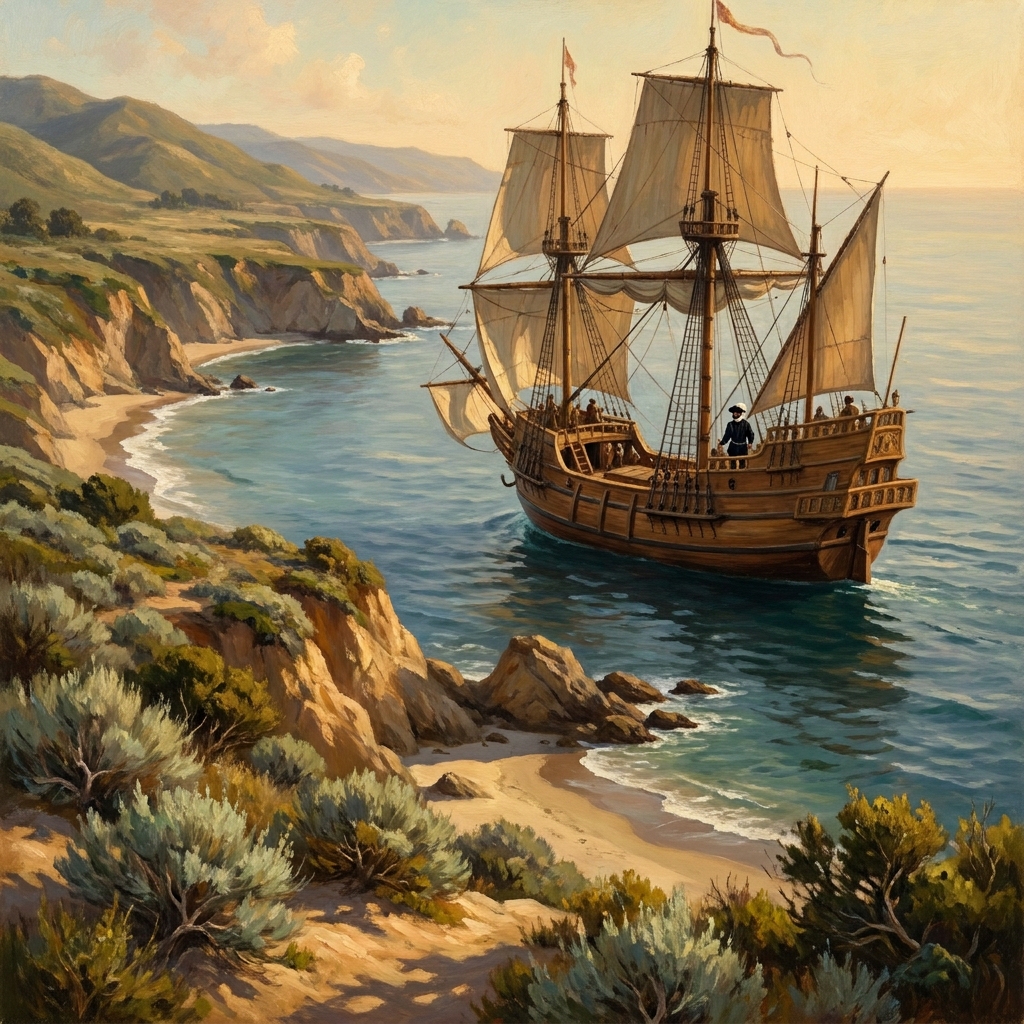
Exploring the California Coast, Examines the geography and history of the California coastline
California's Big Change: From Territory to Statehood, Discusses the political transition of California into a state