

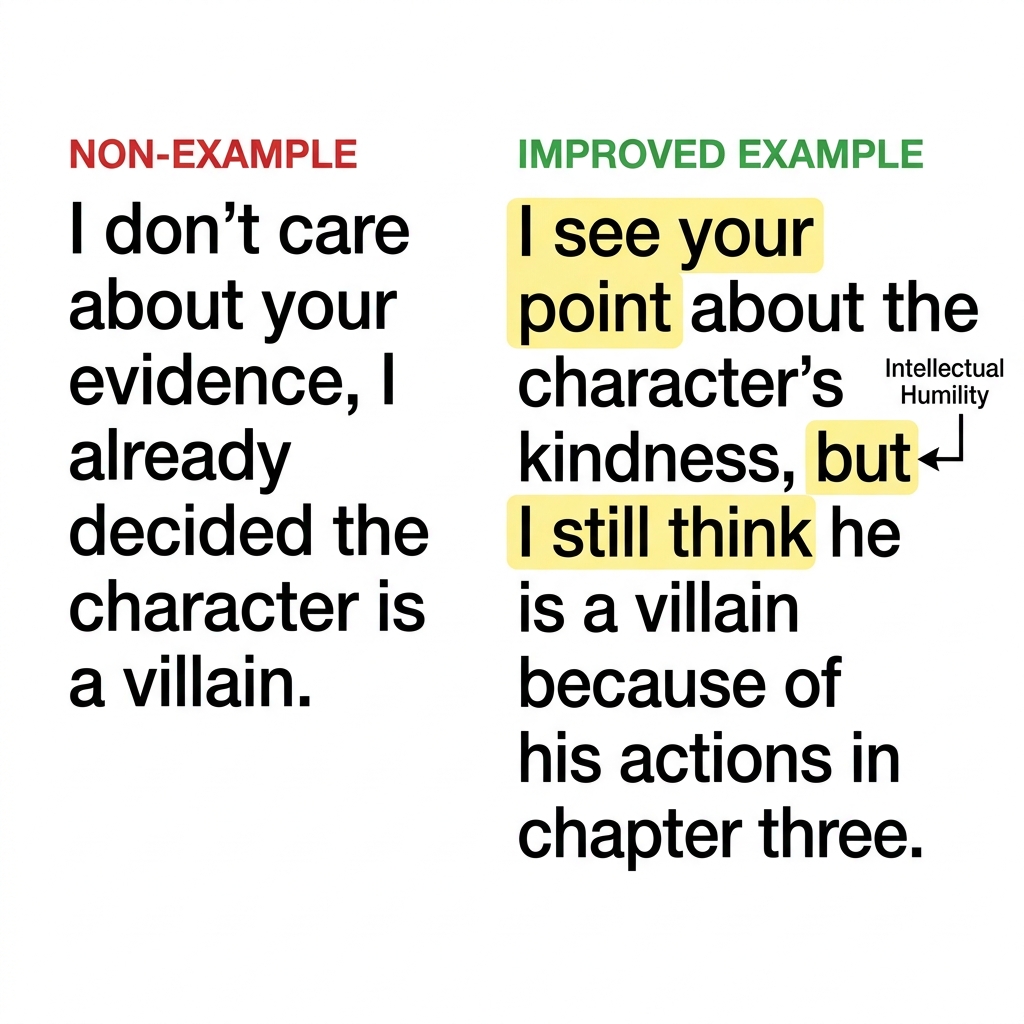
A student in a literature circle once said: ‘I hadn’t considered that the main character’s actions were caused by his fear. That evidence supports my point about his motivation, but it also makes me see he is more complex than I thought.’ That moment is exactly what we want in our 8th grade English language arts classroom. It shows a student doing more than just waiting for their turn to talk. They are actually listening, processing, and adjusting their mental model based on the evidence someone else provided.
We all know the pressure of the school calendar. By the time we hit the core speaking and listening standards in our 8th grade English language arts curriculum, the year feels like it is sprinting toward the finish line. This is the time when independent study students fall behind or a whole class loses momentum because of unexpected disruptions. Having a self-contained digital tool like Refining Arguments Through Collaborative Discussion can be a lifesaver. It is perfect for those times when a student missed the week of live discussion or when the class needs a quick, focused intervention to get back on track with their discourse skills.
What the lesson actually asks students to do
This lesson centers on the California-adopted standard CA.ELA.SL.8.1.D. This standard asks students to acknowledge new information others provide and to qualify or justify their own views when it makes sense to do so. Whether your students are at Anaheim Union High School District, Sacramento City Unified, Templeton Unified, or Vallejo City Unified, this requirement remains the same: the goal is to shift from rigid debate toward productive collaborative discourse.

The lesson does a great job of breaking down the necessary vocabulary for this type of work:
Intellectual humility: The ability to admit when someone else has a valid point and to change your mind if the evidence supports a different conclusion.
Qualify: To add conditions or limits to an argument, showing that you have considered new information that makes your original point more complex.
The instruction moves from the abstract to the concrete by using a scenario involving classroom technology. Students see one peer arguing that all phones should be banned while another points out that they are useful for educational apps. The task for the student is to find a way to honor the logic of the second peer without abandoning their own position entirely. It is a nuanced skill, but it is one that prevents classroom debates from turning into shouting matches.
Where students slip
The hardest part for my students is usually the concept of qualifying an argument. They tend to view an argument as a win-or-lose situation. If they admit the other side has a point, they feel like they have lost the argument. This lesson helps teach them that qualifying an argument actually makes their own position stronger. By demonstrating they have considered other viewpoints and integrated that evidence, they show they are capable of sophisticated, balanced thinking.

I find this 8th grade argument discussion lesson fits well for a substitute day or as an assignment for a student who missed the week of class. Because the lesson provides its own background on school policy debates and explains the social contract of collaborative academic discourse, you do not have to spend thirty minutes explaining the concept yourself. It asks students to take responsibility for the group’s collective knowledge, which helps build a classroom culture where everyone contributes to a shared understanding. It is worth using if you want to move your class toward more meaningful, evidence-based conversations.
Related lessons

Enhancing Presentations with Multimedia, Teaches students how to use multimedia to improve verbal presentations

Crafting Compelling Narratives, Focuses on writing and developing effective storytelling and narrative structure
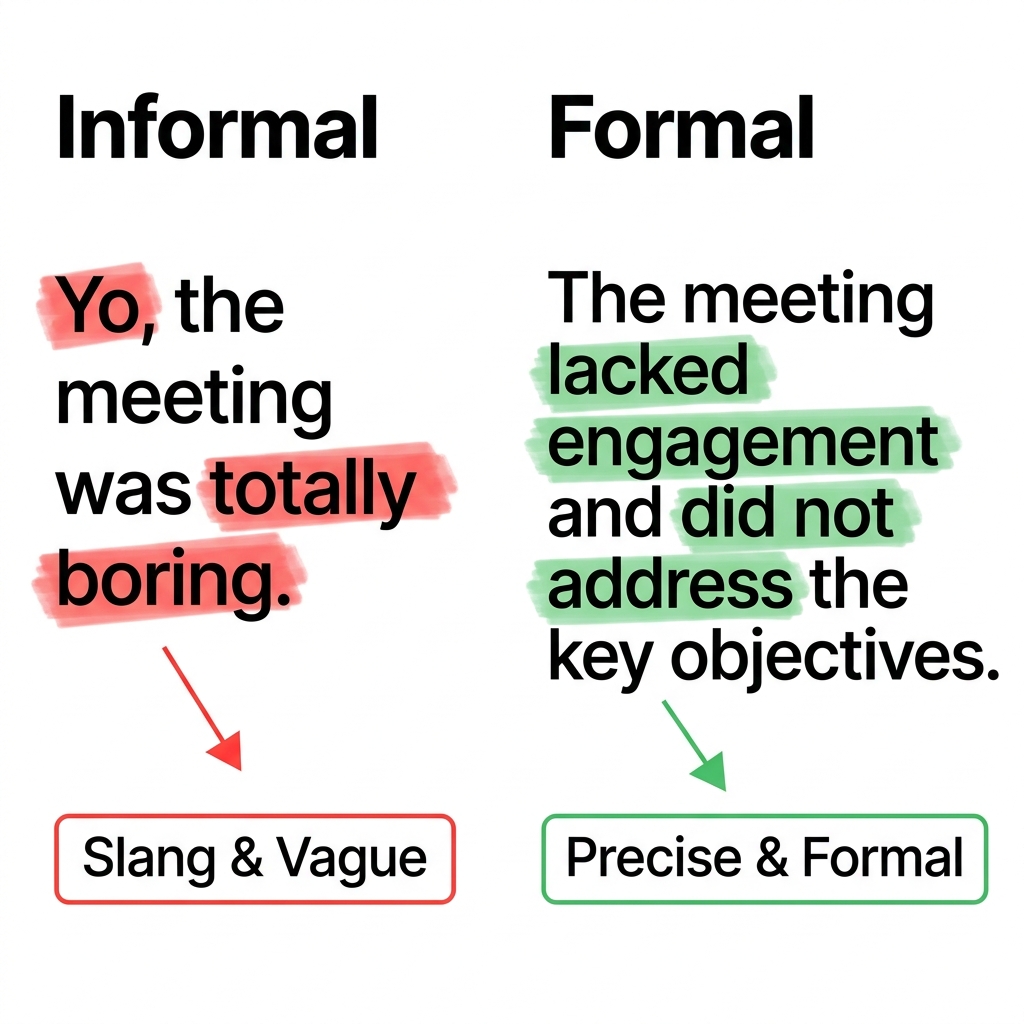
Adapting Your Speech for Success, Guides students on adjusting their tone for different speaking situations