

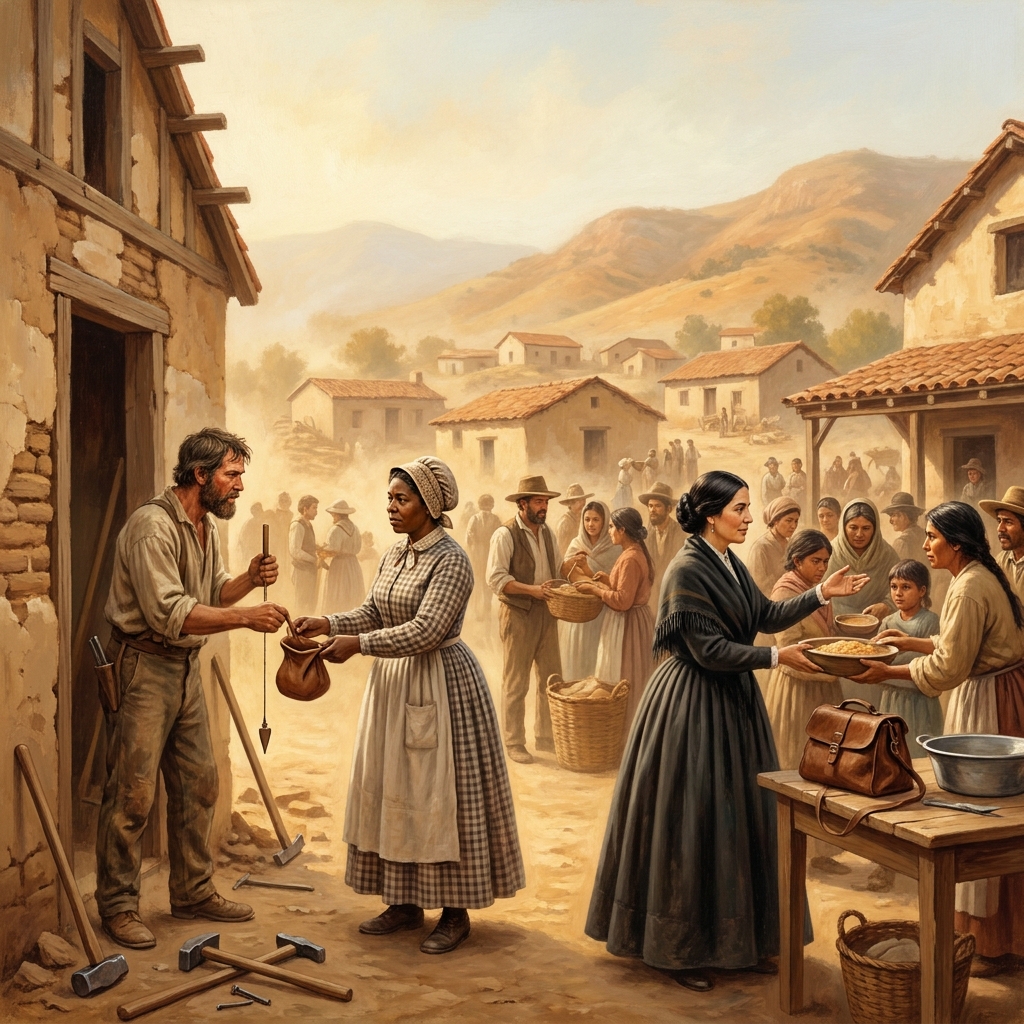
When we reach the unit on California statehood, many 4th grade social studies students get stuck on the gold. They fixate on the prospectors and the map lines. It is a common mistake because that is where the textbooks put the biggest font. However, when we skip the social history of the time, we miss the people who actually built the towns and schools. Students often ignore the women who were working in these new settlements because their stories appear less flashy than a gold nugget. This perspective is a problem because it gives kids a lopsided view of how a state is actually built.
To fix this, I recommend the lesson Building California: The Legacy of Biddy Mason. It shifts the focus toward community building. This is a perfect 4th grade california history lesson for a teacher who needs a solid way to cover the standard CA.HSS-4.3.4. That specific standard asks students to study the lives of women who helped build early California, using figures like Biddy Mason as prime examples. Whether you are in Orange Unified, Oakland Unified, San Marcos Unified, or Porterville Unified, the state requirements for this unit remain the same.
What the lesson actually asks students to do
The material begins by introducing Biddy Mason and her long journey from the South to California in 1851. She did not just arrive; she worked for her freedom and then invested her time and money into the city of Los Angeles. The lesson asks students to identify her as a philanthropist who helped build a church. It also brings in Eulalia Pérez de Guillén, a rancho manager who ensured that everyone on her property had food and care. These are concrete, human examples that make the history feel real to a ten-year-old.
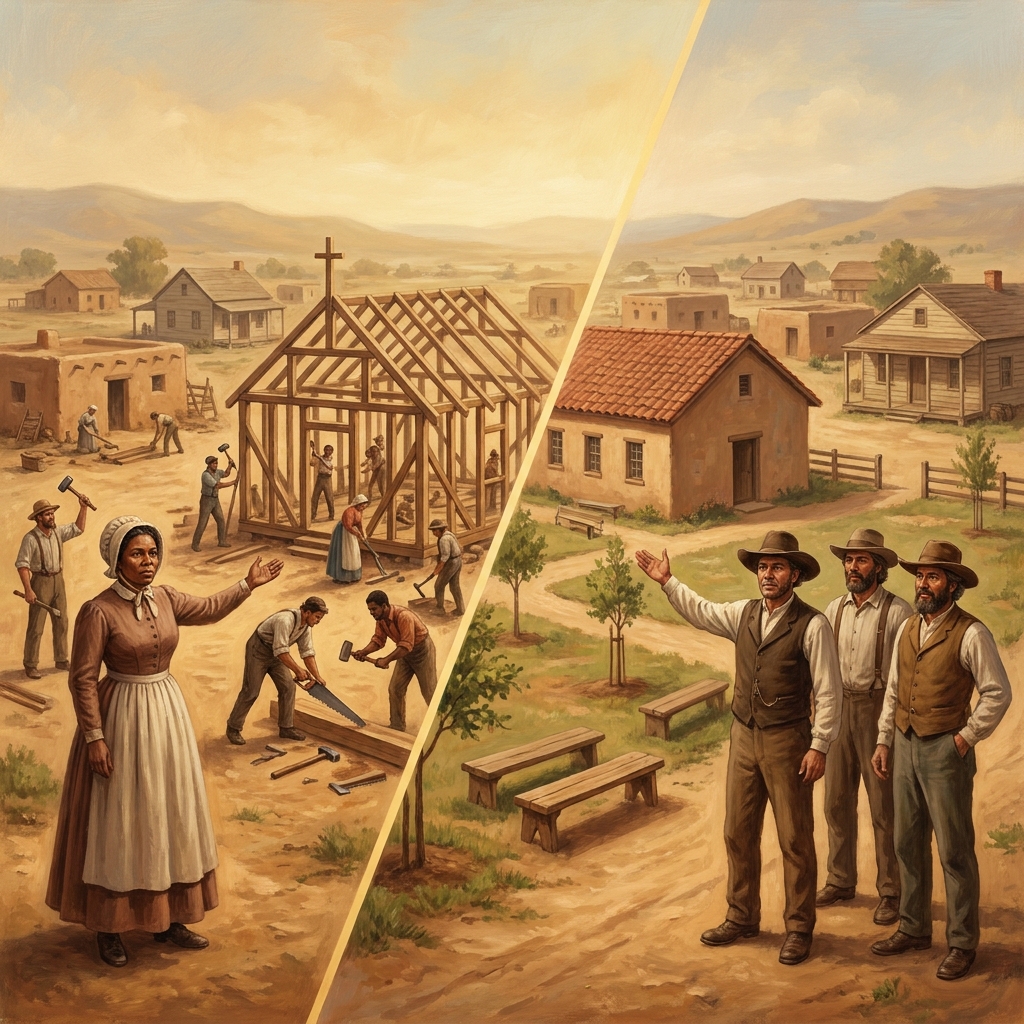
The vocabulary provided is straightforward. Students work with the term community builder, defined as someone who improves a city by creating businesses or schools. They also look at the roles of a pioneer, someone among the first to settle in a new area, and an entrepreneur, someone who starts a business and takes on the risk that comes with it. The lesson asks students to think about these women not as historical footnotes but as the individuals who provided the services that growing towns required. It is an honest look at how labor and legal courage formed the foundation of our state.
Where students slip
The main trap for students is thinking that historical impact requires holding a political office or discovering something tangible. They struggle to see service work or running a business as an act of historical weight. This lesson addresses that bias directly. By having students brainstorm women who started schools or shops during the Gold Rush, it forces them to view these businesses as essential infrastructure. My suggestion is to have students use the guided practice portion to draw a quick map of what their own school or local business does for the town. If they can make the connection between a 19th-century church and their modern neighborhood, they have grasped the point of the standard.
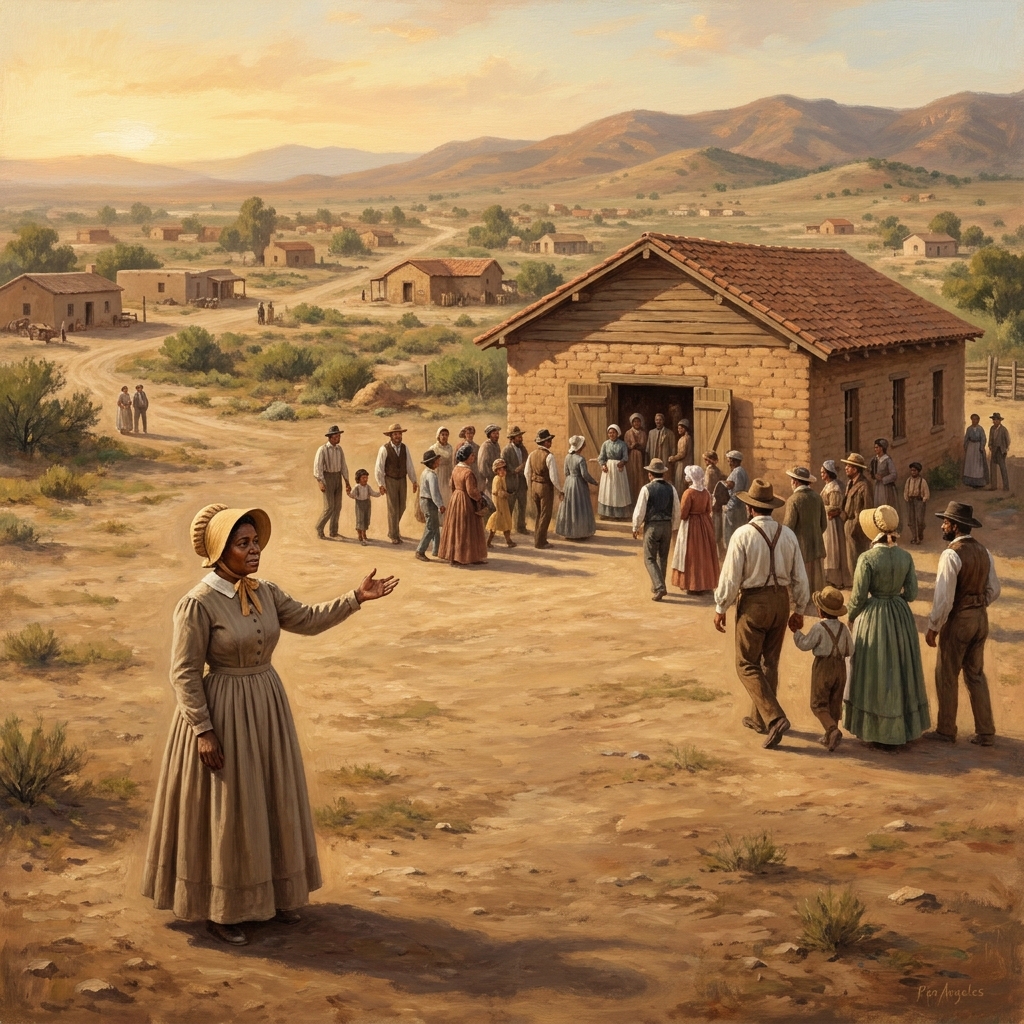
You can use this material for a whole-class assignment or for a student who missed the week and needs a quick way to catch up. It also works for a substitute day because the instructions are clear and the topic is self-contained. It takes about 45 minutes to get through the material and have the students complete the reflection on why these women matter. If you want to show your class that anyone can make a difference in their own town, this is the place to start.
Related lessons
How California's State Government Works, An overview of the structure of the California state government
Power in Our Government, Explains the distribution of power within the democratic government system
The U.S. Constitution: Our Nation's Rulebook, Teaches the basic function and purpose of the U.S. Constitution