

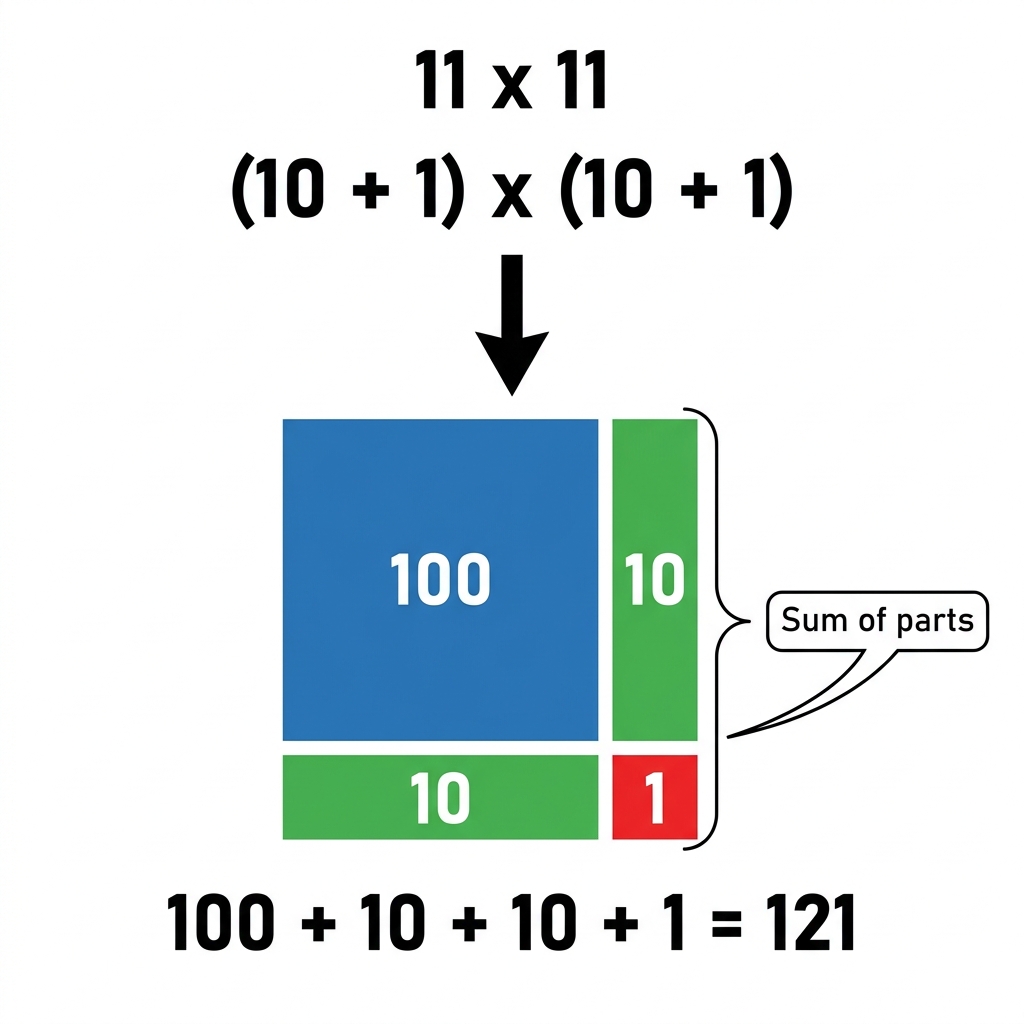
Educators often consider why students must draw boxes to multiply instead of just lining up the numbers and carrying the digits. These visual diagrams help students see the math happen instead of just following a memorized procedure. This Multiplying with Place Value and Area Models lesson designed for 4th grade mathematics addresses the Number and Operations in Base Ten course and helps clarify the way we expect students to think about multiplication before they rely entirely on standard algorithms.
This lesson covers the primary standard CA.MATH.4.NBT.5, which asks students to multiply a whole number of up to four digits by a one-digit whole number and to multiply two two-digit numbers. The standard demands that students use strategies based on place value and the properties of operations, specifically requiring them to illustrate and explain their calculations using equations, rectangular arrays, and area models. This same objective is reflected in CCSS.MATH.4.NBT.B.5, which defines the expectation to use place value strategies for multi-digit multiplication. Teachers in San Bernardino City Unified, Clovis Unified, Redding Elementary School District, and Hawthorne School District use these same standards to guide their math instruction across the state. By focusing on these specific regional and national standards, educators can ensure that every student reaches the same mathematical proficiency regardless of their school district.
How the lesson builds multiplication skills
The lesson starts by checking prior knowledge. It uses base-ten blocks, where a rod represents ten and a small cube represents one, to illustrate multiplication as a rectangular array. This is a solid way to bridge the gap between simple multiplication facts and the complex work of multiplying multi-digit numbers. When students visualize the numbers as groups of tens and ones, they start to understand how multiplication really works. This early focus on physical representations sets the stage for more complex algebraic thinking later in their education.
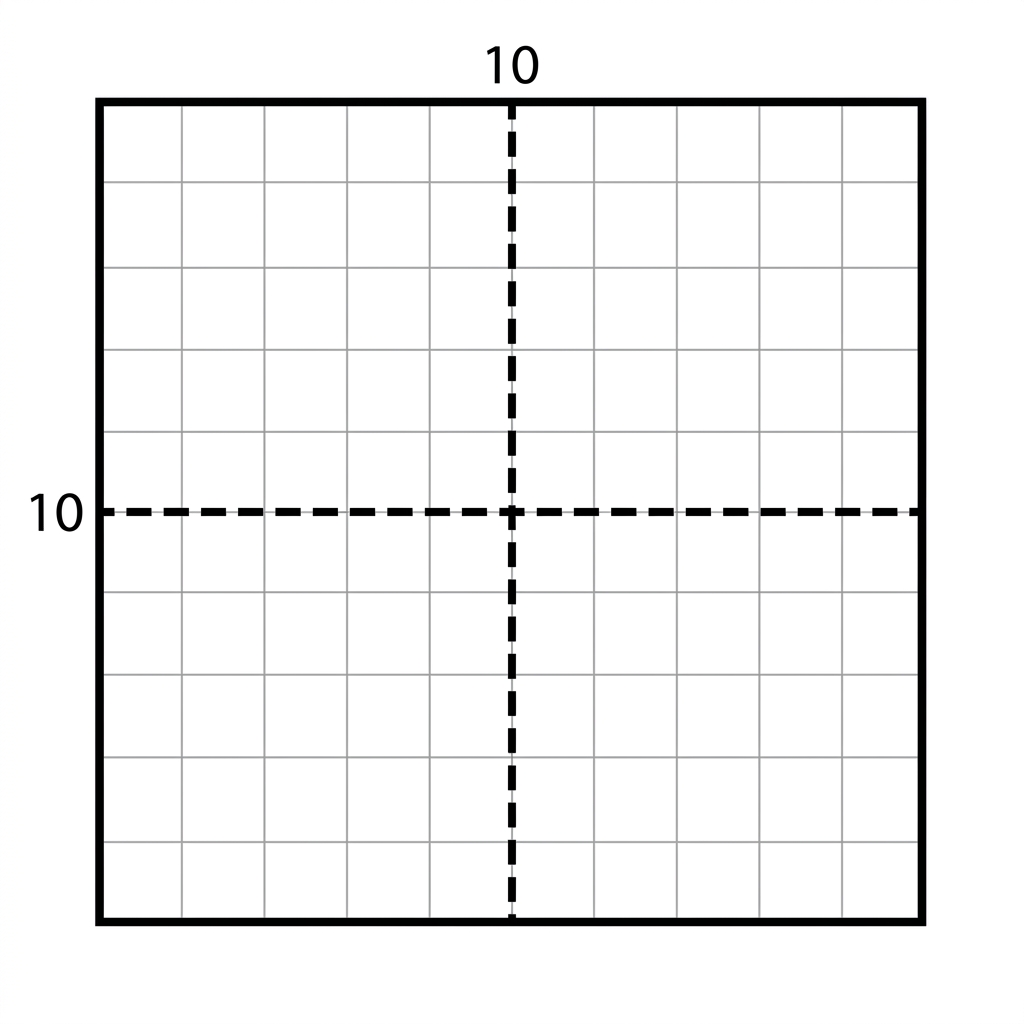
The worked example uses the problem 12 times 13. It demonstrates how to break the numbers into 10 plus 2 and 10 plus 3. By multiplying each part individually, the student sees how those pieces fit together to reach the final product. The lesson uses the term Area Model to describe this way of showing multiplication by breaking numbers into place value parts, and it defines Partial Product as a part of the problem found by multiplying one place value at a time before adding them all together. One of my favorite parts of this specific area model multiplication lesson is that it keeps the math concrete rather than abstract. Teachers can watch how students decompose these larger numbers into smaller, manageable chunks that reflect true place value understanding.
The guided practice moves into a real world scenario about a patio that is 15 feet long and 12 feet wide. Students need to find the total number of square tiles needed for the patio by breaking the dimensions into place value parts. This makes the math feel like a puzzle. The lesson explains that garden supply stores use these models to figure out how much soil or how many tiles they need for a project. I find that this context helps students realize why they are learning the process. Providing examples like the patio problem helps students connect the abstract concept of area to physical objects they encounter in their daily lives. Teachers in Hawthorne School District or Clovis Unified can easily adapt these scenarios to fit the specific needs of their classroom, ensuring the lesson remains relevant.
Where students slip and how to use this lesson
The most common hurdle I see is students forgetting to add their partial products together at the end. They get so focused on filling in the boxes that they lose track of the final summation. I recommend having them keep a clean workspace where the addition step is separate from the grid work. This lesson is a strong choice for a whole-class introduction, but it is also a perfect fit for a student who missed the week of instruction or as a focused intervention for someone who struggles to connect multiplication to place value. You might also assign it as independent study for a student who needs a clear, step-by-step breakdown of the concept.
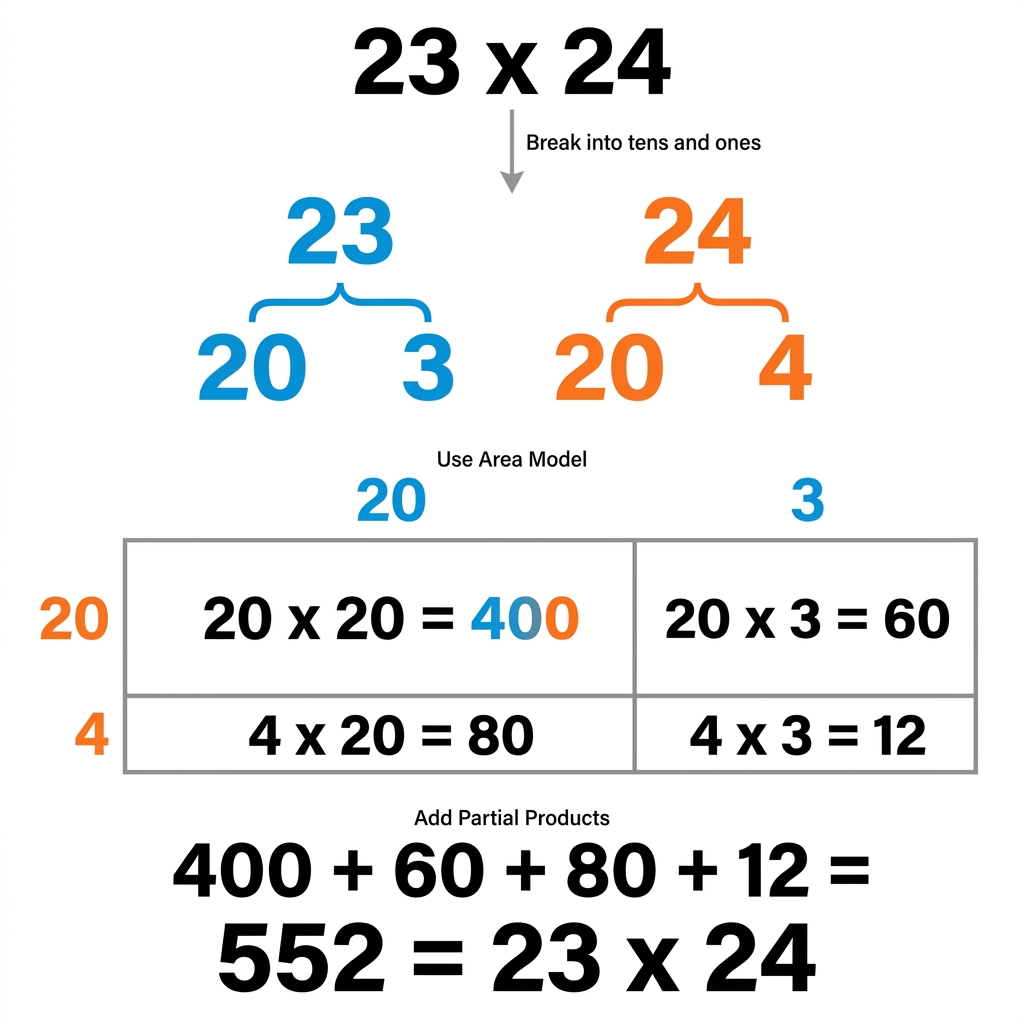
You can find the material for CA.MATH.4.NBT.5 online whenever you are ready to start. Just keep an eye on how they partition their numbers during the guided practice, as that is where the logic tends to break down if they are not careful. If they can build the box correctly, they usually get the right answer. Because the standard requires students to explain their calculations using equations, arrays, and area models, this lesson provides all the necessary components for a complete understanding of the topic. Instructors in Redding Elementary School District and San Bernardino City Unified often utilize these specific tools to verify that students have mastered the foundational skills required by the state. Consistent use of these resources supports student growth in multi-digit multiplication by reinforcing that the area model is not just a drawing but a representation of mathematical logic.
Related lessons
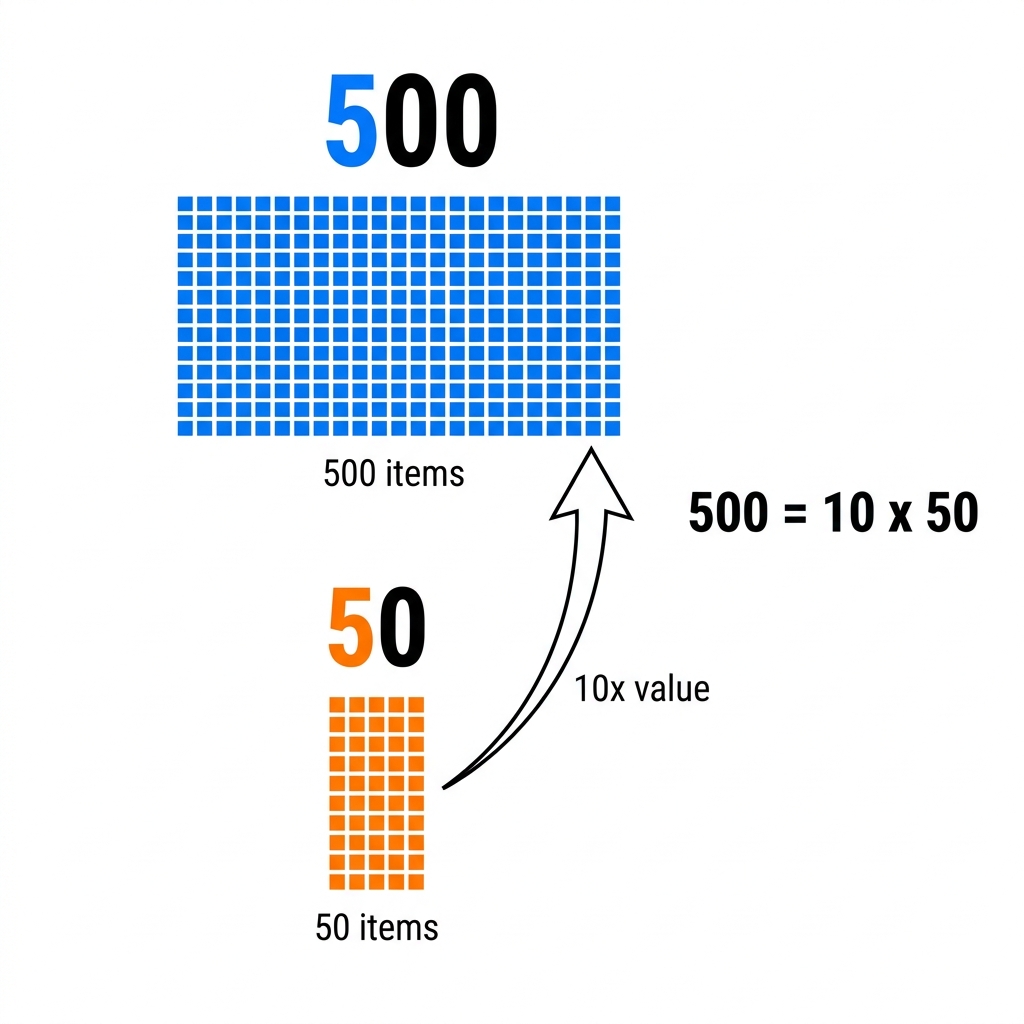
Understanding Place Value, Reviewing base ten concepts and value of digit positions
Dividing Whole Numbers with Remainders, Practice dividing multi-digit numbers including handling remainders correctly
Adding and Subtracting Large Numbers, Performing addition and subtraction with large whole numbers