

When we look at the California history-social science standards, we see a requirement that Students understand basic economic concepts and their individual roles in the economy and demonstrate basic economic reasoning skills. That is exactly what the California-adopted standard CA.HSS-2.4 asks of our classrooms. It sounds like a big lift for seven-year-olds, but in practice, it is really just about giving them a name for the trade-offs they already make every single day. Districts like San Diego Unified, Chula Vista Elementary School District, Calexico Unified, and Lafayette Elementary School District all rely on these same standards to build this foundation of economic literacy.
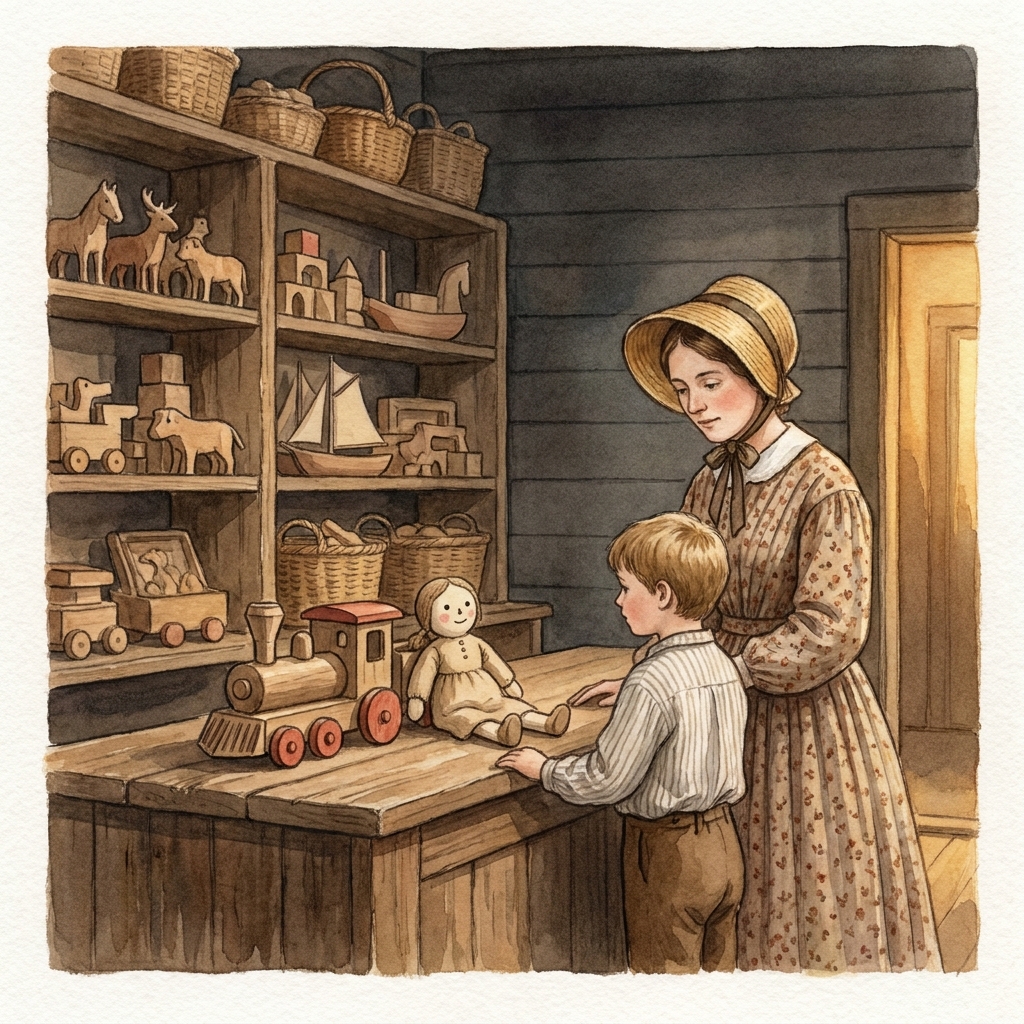
I have been looking at Making Choices in Our Community, and it is a solid, straightforward resource for your team. The core concept here is that we live in a world of limited resources, which means we cannot have everything we want. The lesson introduces this by showing a student at a market with one coin but two items they desire, an apple and a pear. It hits the nail on the head by defining this as scarcity. When you teach this, make sure to emphasize that scarcity is not just about money, but about the time and space we have available.
What the lesson actually asks students to do
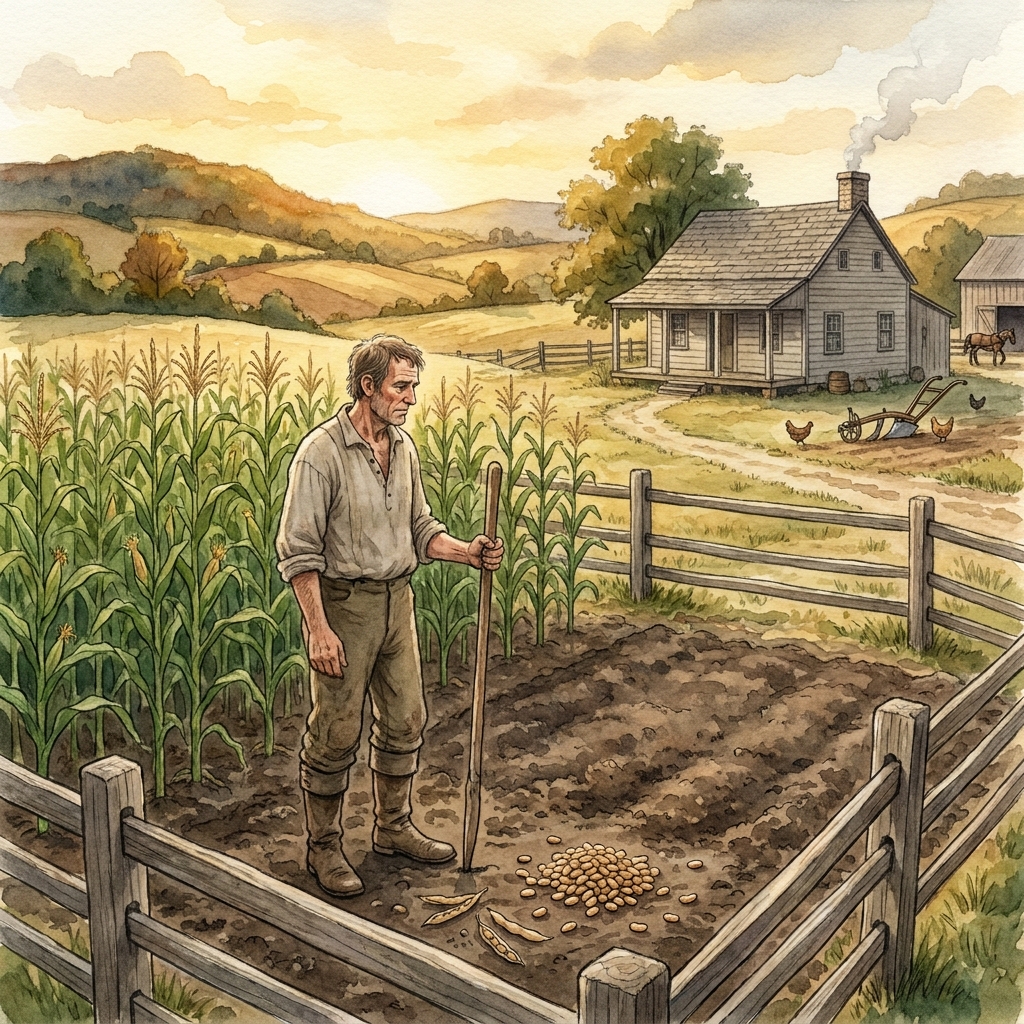
The lesson moves from that market scenario to a more professional example about a farmer who has a small field and must decide between growing corn or beans. This is where the vocabulary gets applied. The term choice is defined as picking one thing and giving up another because you cannot have both. Once they have that down, the lesson introduces the term opportunity cost, which is described as the thing you give up when you make a choice, like the toy you did not pick. It is essential to get students to use these words accurately. If a student says they chose the corn but does not acknowledge that they gave up the beans, they have not quite mastered the concept yet.
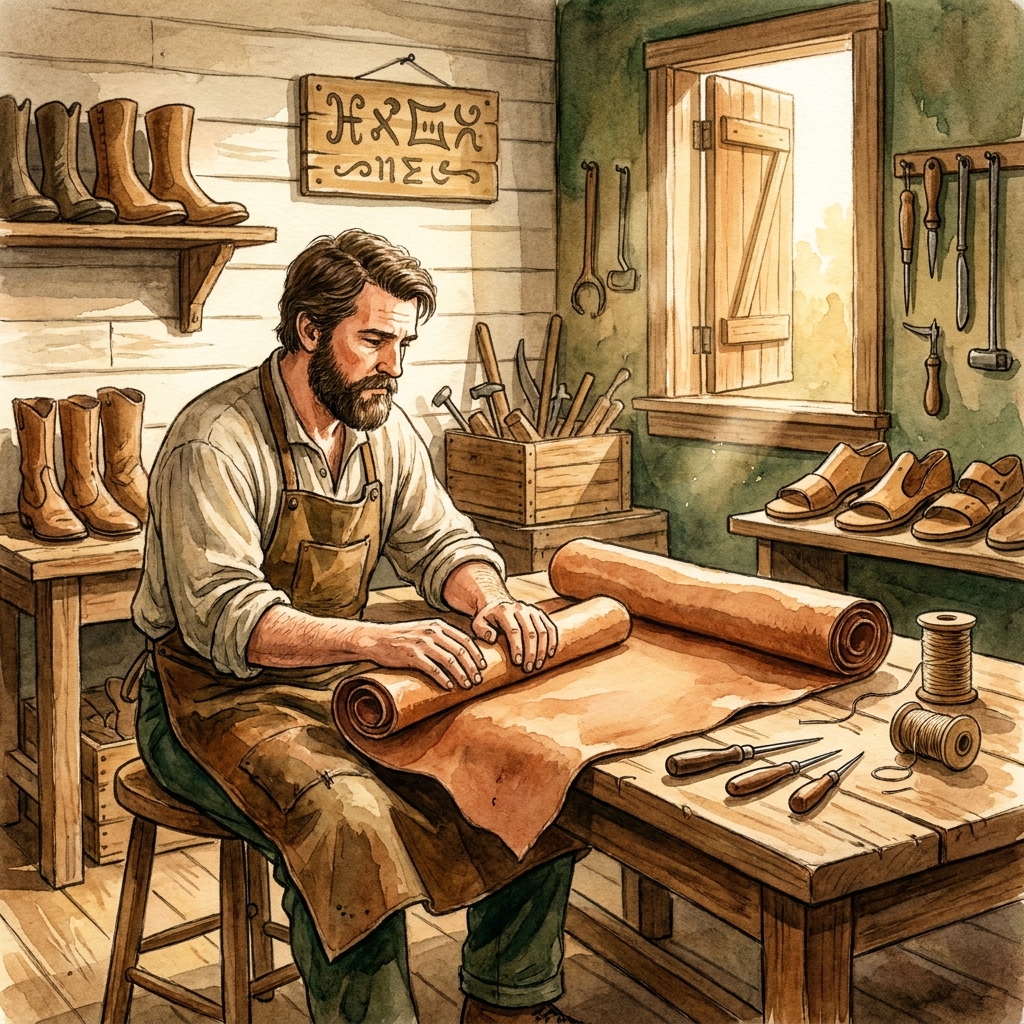
The guided practice is my favorite part because it pulls the situation into a real-world community context. Students have to evaluate a scenario where a community member needs a new shirt and has a house repair to pay for. They only have enough money for one. This forces them to weigh the two options against one another. This lesson is a perfect fit for a whole-class assignment, or even as a make-up activity for a student who missed the week of social studies instruction. It functions as an effective independent study module if you need something that does not require you to stand at the front of the room for the full forty-five minutes.
Refining the decision-making framework
The heart of this lesson is a three-step economic reasoning process. The materials state that to understand scarcity and choice, students should first identify their options, then compare what they gain and what they give up, and finally choose the option that provides the most value. As an instructional coach, I suggest you push your students to articulate the middle step clearly. It is easy for them to just say, I want the shirt, but asking them to say, I am giving up the house repair for the shirt, changes the nature of their thinking. That verbalization is the mark of real learning.
I have found that students sometimes get stuck because they think they can somehow invent a fourth option where they have both items. When you are moving through the second grade shared research writing lesson style of inquiry, guide them back to the constraint. Point out that the resource is fixed. It is a harsh reality for a second grader, but it is the essence of economics. Keep them focused on the specific scenarios provided in the text rather than letting them drift into hypothetical situations that bypass the scarcity constraint.
Where students slip
The most common hang-up I see is the confusion between the choice made and the opportunity cost. Students often describe the choice well but struggle to define the cost. If you notice your class leaning too heavily on just the item they picked, bring the conversation back to the trade-off. Ask them: If we had infinite money, would there be an opportunity cost? When they realize the answer is no, they start to see why scarcity is the engine that drives this entire process. It is a lightbulb moment when they finally grasp that opportunity cost only exists because our resources are not infinite.
You can use this lesson as a quick substitute day plan if you need something meaningful that does not require an intensive review of the rest of the unit. It is self-contained enough that a sub can facilitate the three-step framework without needing to be an expert in economic theory. Just provide them with the vocabulary definitions and let the guided practice do the heavy lifting for them.
Integrating the lesson into your weekly plan
Try to weave this in during your social studies block alongside your current unit on community members. If you are already discussing local roles, this lesson gives you a way to show how those members make decisions for the common good. Do not rush the terminology. It takes time for these abstract concepts to sit comfortably with younger learners. If you spend five minutes a day for three days on these concepts instead of one forty-five-minute block, you might see better retention. Use the farmer example as a warm-up on day one, the market stall for the core lesson on day two, and the household repair scenario for a final check on day three. This cadence allows them to build their understanding slowly, which is exactly how we want them to approach these complex social studies topics.
Related lessons
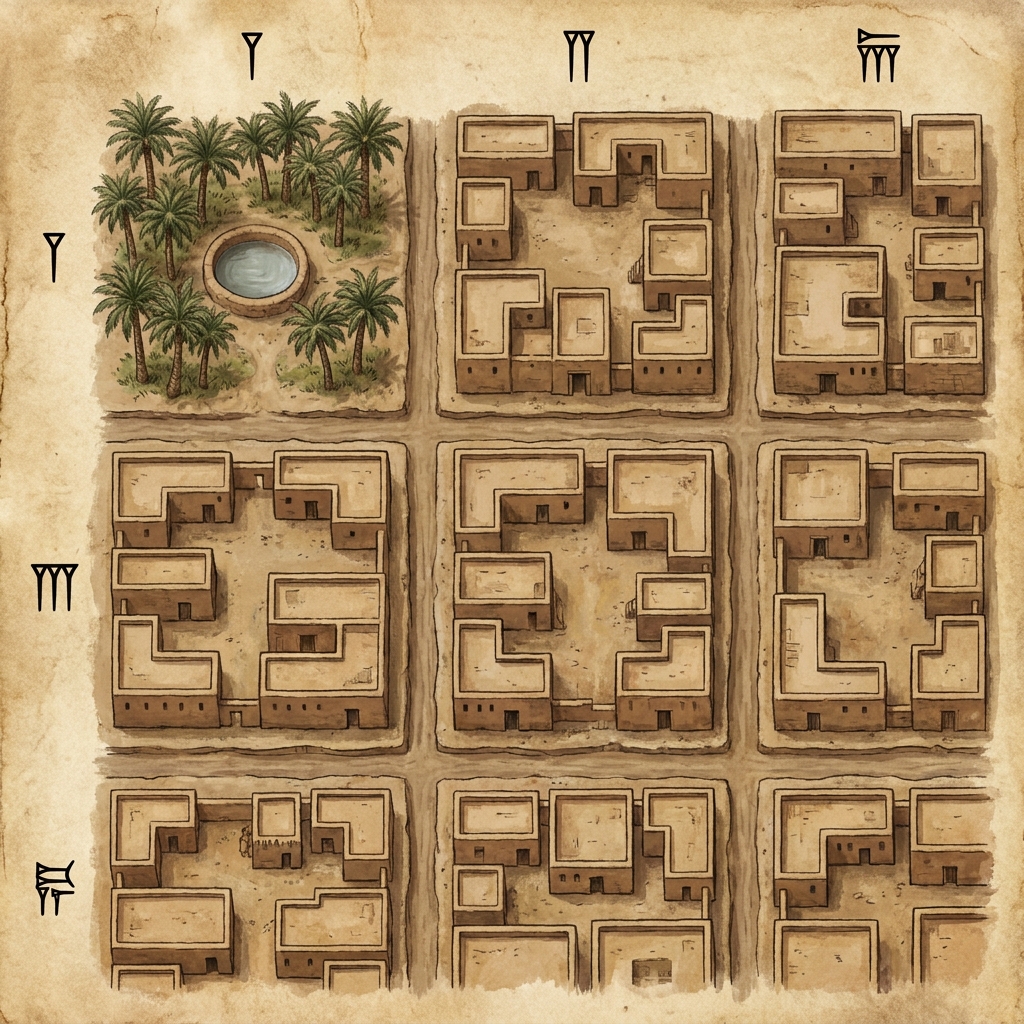
Finding Places on a Grid, Students locate specific places using a simple coordinate grid system

Tracing Our Family Stories, Students document personal family histories and identify significant family events
Heroes Who Make a Difference, Students identify individuals who have contributed positively to their communities