

Kindergarteners often assume that when a story character acts a certain way, the result is just random magic rather than a direct outcome of their choices. If you teach kindergarten social studies, you know that the leap from identifying a character to understanding why they did what they did is quite a hurdle for five-year-olds. It requires a level of reflection that is still developing at this age.
You can address this gap with Learning From The Past. This fifteen-minute lesson is a quiet but effective way to shift how your class looks at the literature you read aloud every day. The core of the material centers on the simple but profound idea that stories teach us how to be kind. Instead of just asking if a character was nice or mean, the lesson prompts students to identify the specific beliefs a character holds and the behaviors that follow, then helps them trace the consequences that emerge from those actions.
What the lesson actually asks students to do
The lesson moves away from vague discussions about feelings and forces a focus on cause and effect. It uses short scenarios where a character faces a choice that hinges on kindness or selfishness. Students are asked to analyze these characters from times past, looking specifically for what motivated a character to act. When a student can point to a belief, like the idea that sharing is important, and see how that belief led to a positive behavior and a happy outcome, they are really beginning to grasp the point of the narrative.
As you work through kindergarten social studies character analysis, keep the vocabulary grounded. Use terms like beliefs, behaviors, and consequences consistently. The lesson provides a framework where you can pause during your regular read-aloud time to identify these segments. It transforms a standard storybook into a study of human nature. You are not just teaching them to read; you are teaching them how to interpret the actions of those around them. By asking students to predict what might happen if a character chose a different path, you help them see that every action carries a weight.
The logic behind the standard
This work supports the California-adopted standard CA.HSS-K.1.3. This standard asks that students know the beliefs and related behaviors of characters in stories from times past and understand the consequences of the characters’ actions. It is part of a larger cluster that focuses on the idea that being a good citizen involves acting in specific ways. Whether you are in Stockton Unified, West Contra Costa Unified, Golden Valley Unified, or Cotati-Rohnert Park Unified, this standard is taught the same way because it represents a fundamental skill in early social development.
Understanding this standard means moving beyond the binary of good versus bad. It is about identifying the logic of a choice. If a character in a story from long ago behaves with greed, what happens to their relationships or their standing in the community? By tracking the consequences, students learn that their own behaviors in the classroom lead to similar ripples. This is a practical, social-emotional skill that sticks with them as they move through the grade levels.
Where students slip
The most common trap is letting the discussion stay at the level of labels. Students will quickly label a character as a bully or a hero and think their job is done. Your challenge is to push them to articulate the link. If they call someone mean, ask them to show you the exact belief or thought that drove that meanness. If they call someone kind, ask what action confirmed that, and what the immediate reaction from the other characters was. If you do not push past the labels, they never actually reach the level of understanding required by the standard.
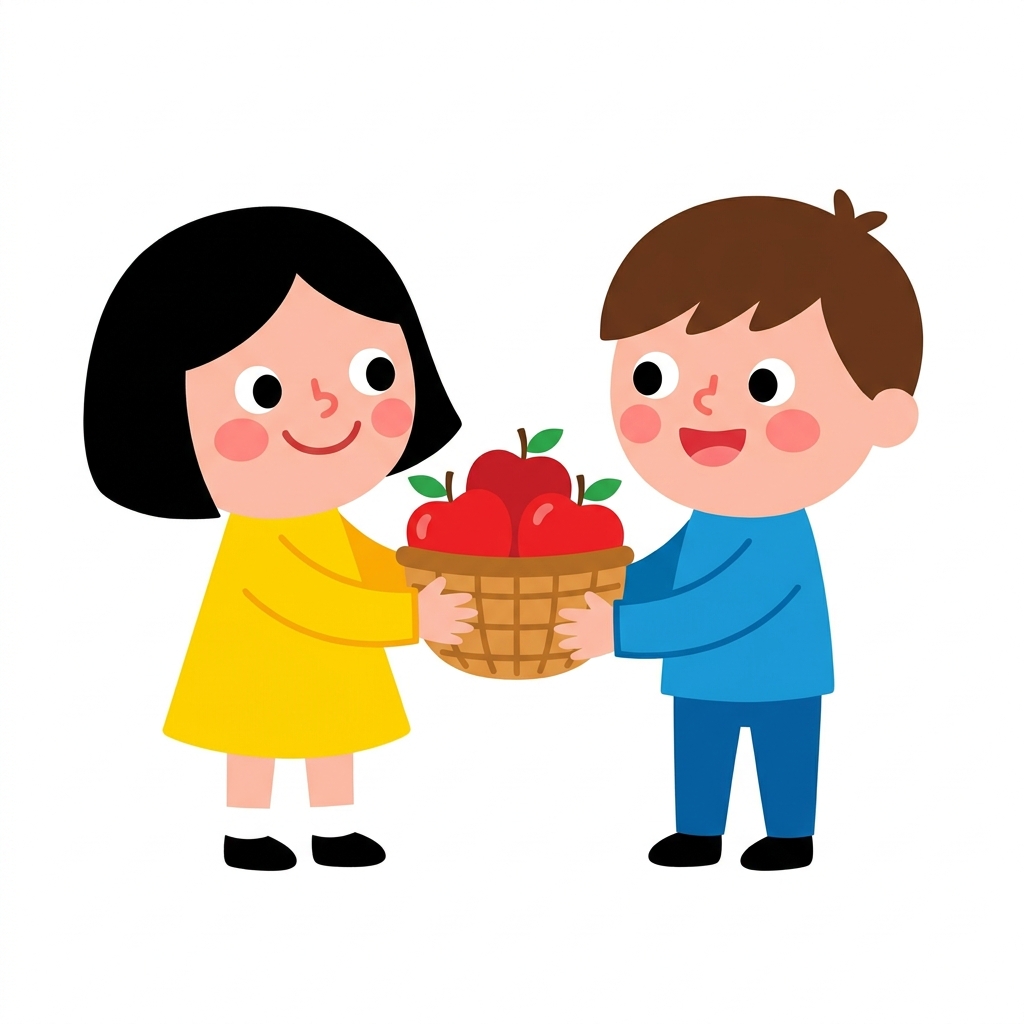
Some students will struggle with the idea of consequences if they see them only as punishments. You need to broaden the definition of consequences to include positive outcomes as well. A consequence is simply what happens after an action. If someone shares, the consequence might be that a friend is happy or that the classroom environment is peaceful. Keep the focus on this neutral, logical flow. This is why I suggest using this lesson for small groups or as part of a teacher-led station where you can listen to their reasoning in real time. It is much harder to correct that type of thinking once it has solidified in a whole-class setting without your direct intervention.
Fitting this into your weekly flow
This is a flexible resource. It works perfectly as a whole-class assignment to kick off a new unit on citizenship, or as a support tool for a student who missed the week and needs a quick, high-impact lesson to catch up. I have also used it effectively for independent study packets where the student needs something more structured than just reading a book. It provides that necessary bridge between listening to a story and understanding why it matters.
I recommend keeping this lesson in your back pocket for a substitute day as well. Because it relies on story analysis that can be applied to almost any book you have on your shelf, a substitute can easily use it to facilitate a meaningful conversation without needing to prepare a massive amount of new content. It keeps the rigor high even when your schedule is disrupted. By dedicating time to these discussions, you are building a culture where students look for the reasons behind behavior rather than just reacting to the surface noise of a playground disagreement. It makes a real difference in how they relate to one another during recess and throughout the day.
Related lessons

Signs on the Road, Teaches students about traffic safety rules and community road signs
Our Special Holidays, Covers cultural celebrations and the importance of our shared holidays

Long Ago and Now, Explores how life and technology have changed over many years