

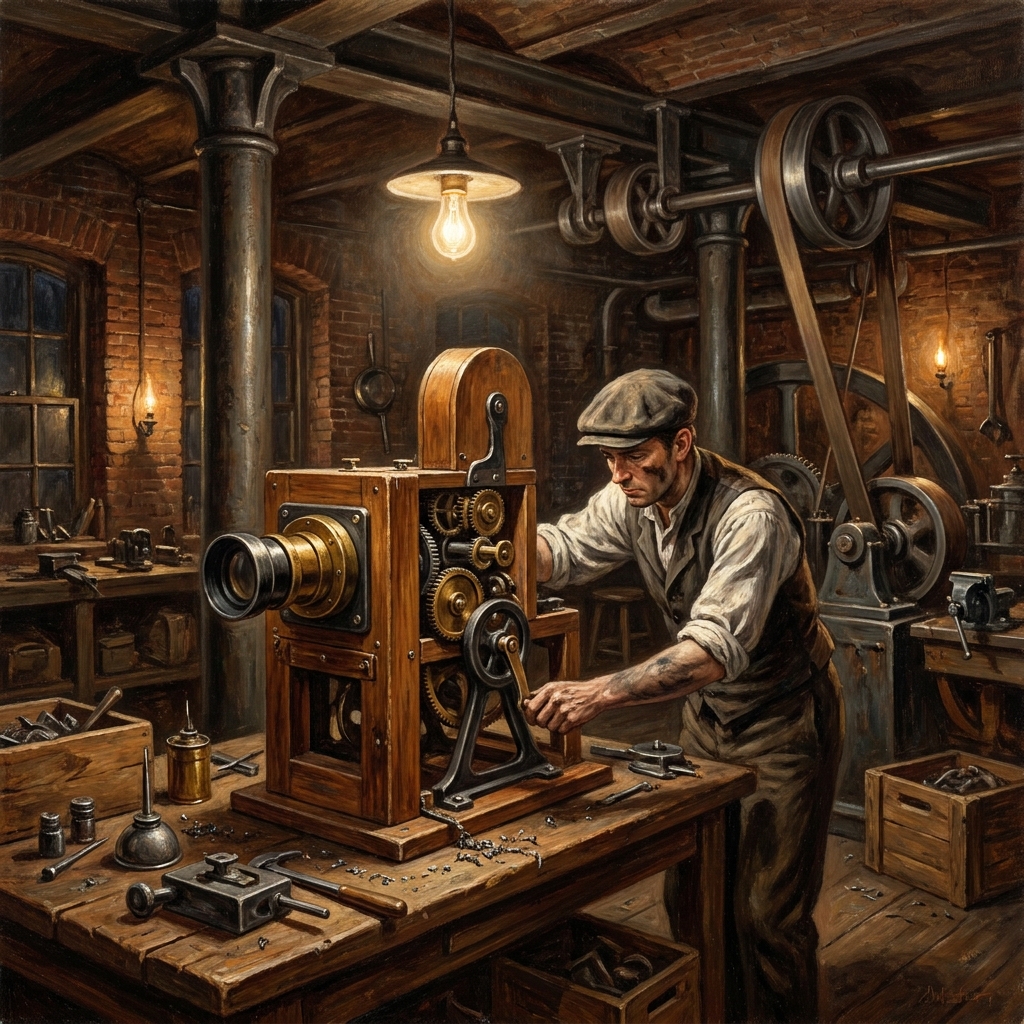
By the time eighth graders start the second half of the year, the weight of the Industrial Revolution often feels like a blur of dates and factories. It is exactly the right moment to pivot toward the actual machines and thinkers that turned that period of history into a catalyst for modern life. Innovation and Daily Life in the 19th Century is a clean, focused resource for getting students to look past the smoke of the factories and identify the specific tools that reshaped the American experience.
The lesson centers on industrial innovation lessons for eighth grade, grounding the abstract concept of industrial growth in the tangible reality of the electric lightbulb and the telephone. It defines Industrial Innovation as any new machine or process that increases productivity or improves the quality of daily life. This is not just a vocabulary list; it is the framework for every activity. By grounding the lesson in terms like Productivity, the rate at which goods or services are produced, and Quality of Life, the general well-being and comfort of individuals, you move the class away from memorizing dates and toward analyzing how human necessity drove mechanical ingenuity.
The California-adopted standard guiding this work is CA.HSS-8.12.9. The standard asks students to identify significant inventors and their inventions, and, just as importantly, to explain how those inventions improved the quality of life. Educators in San Jose Unified, Sacramento City Unified, Palmdale Elementary School District, and Mendota Unified use this same standard to ensure their students understand that history is a sequence of human choices, not just inevitable occurrences. The standard is part of the broader HSS-8.12 cluster, which tasks students with analyzing the transformation of the American economy and the shifting social and political conditions during the Industrial Revolution.
What the standard actually asks of students
When you break down CA.HSS-8.12.9, it demands three distinct cognitive steps. First, it requires naming inventors. This is the entry level of the task, but if you stop there, you have only reached half the goal. Second, it asks for the inventions themselves. Third, and most rigorous, it requires the student to prove how that specific device improved daily life. This is where most curriculum falls short, but this lesson handles it through a clear, cause-and-effect narrative.

For instance, the lesson starts with the reality of dim gas lamps, explaining that they made it difficult for workers to see their tasks clearly during the late hours of the day. This provides the context of the problem. When Thomas Edison enters the scene with the electric lightbulb, the student sees the invention as a solution to a specific human frustration. The worked example follows this pattern by examining the motion picture camera, framing it as a new process that improves the quality of life by providing new forms of culture. You are not just teaching a timeline; you are teaching the logic of innovation.
Where students slip and how to use this lesson
Students often struggle to see how historical machines relate to their own lives. They know their smartphone is a tool, but they do not intuitively link it to the telegraph or the telephone. The guided practice in this lesson forces them to bridge that gap. By asking them to imagine a business owner who uses a telephone to place orders instantly across the country, the lesson highlights the shift from sluggish mail-based communication to rapid commerce. This exercise is excellent for getting the class to talk about the concept of speed in human history.
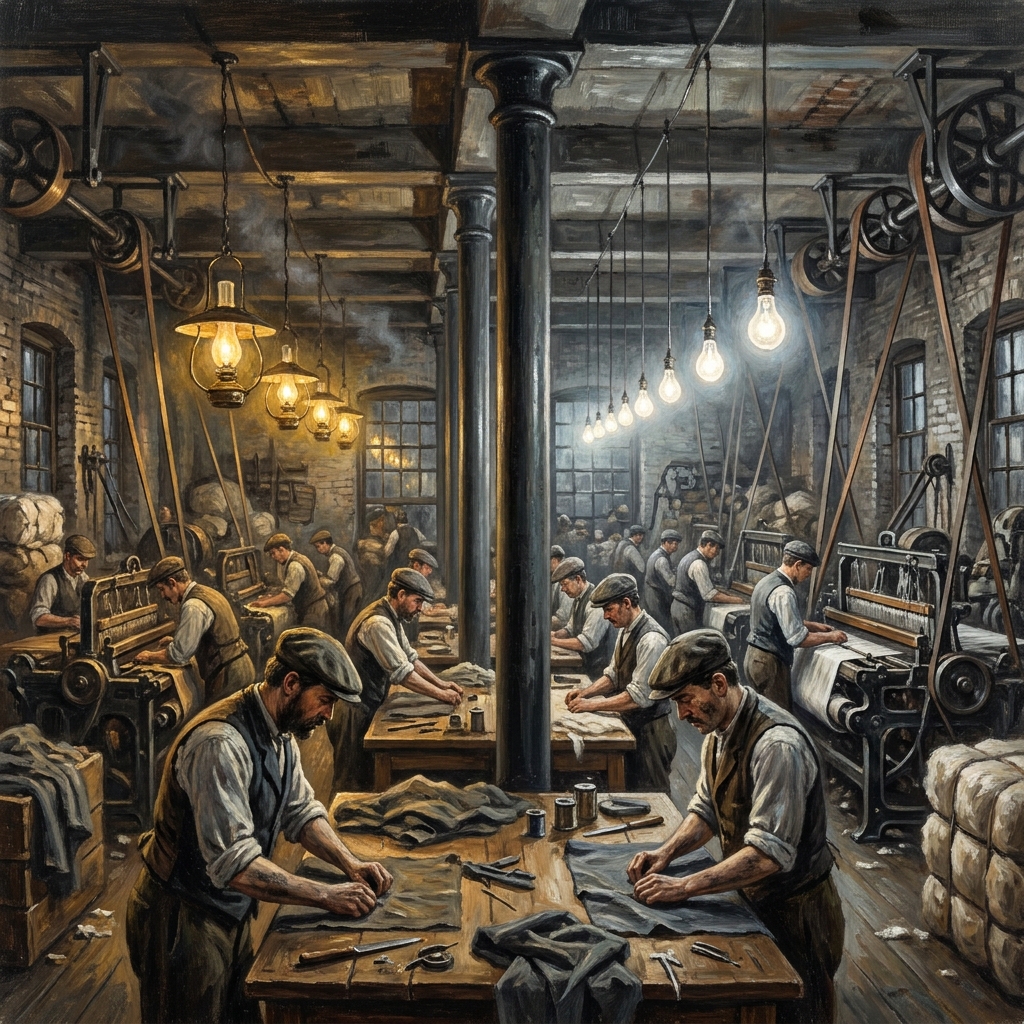
I find this resource works best for a few specific classroom scenarios. It is a solid choice for a whole-class assignment when you have a 45-minute block to cover the transition into the modern era. It is also an effective independent study packet for a student who missed the week of lectures on the Industrial Revolution, as the definitions and examples are self-contained and clear enough to stand alone. If you have an unexpected vacancy in your schedule, it functions as a highly structured substitute day plan because the instructions are explicit and the objective is simple to grade. One caveat: do not expect students to automatically synthesize the ‘why it matters’ statement on their own. You should use the concluding section as a class discussion prompt, specifically asking them if the internet is truly the latest step in that long history of progress. It is a good way to see if they can apply the historical thinking they just practiced to their own reality.
Related lessons
Growth and Conflict: The Road to the Civil War, Tracing the causes and rising tensions leading to American Civil War
Rebuilding a Nation: The Era of Reconstruction, Analyzing the political and social challenges of the Reconstruction period
The U.S. Constitution: Powers and Liberties, Examining the founding principles and structure of the American Constitution