

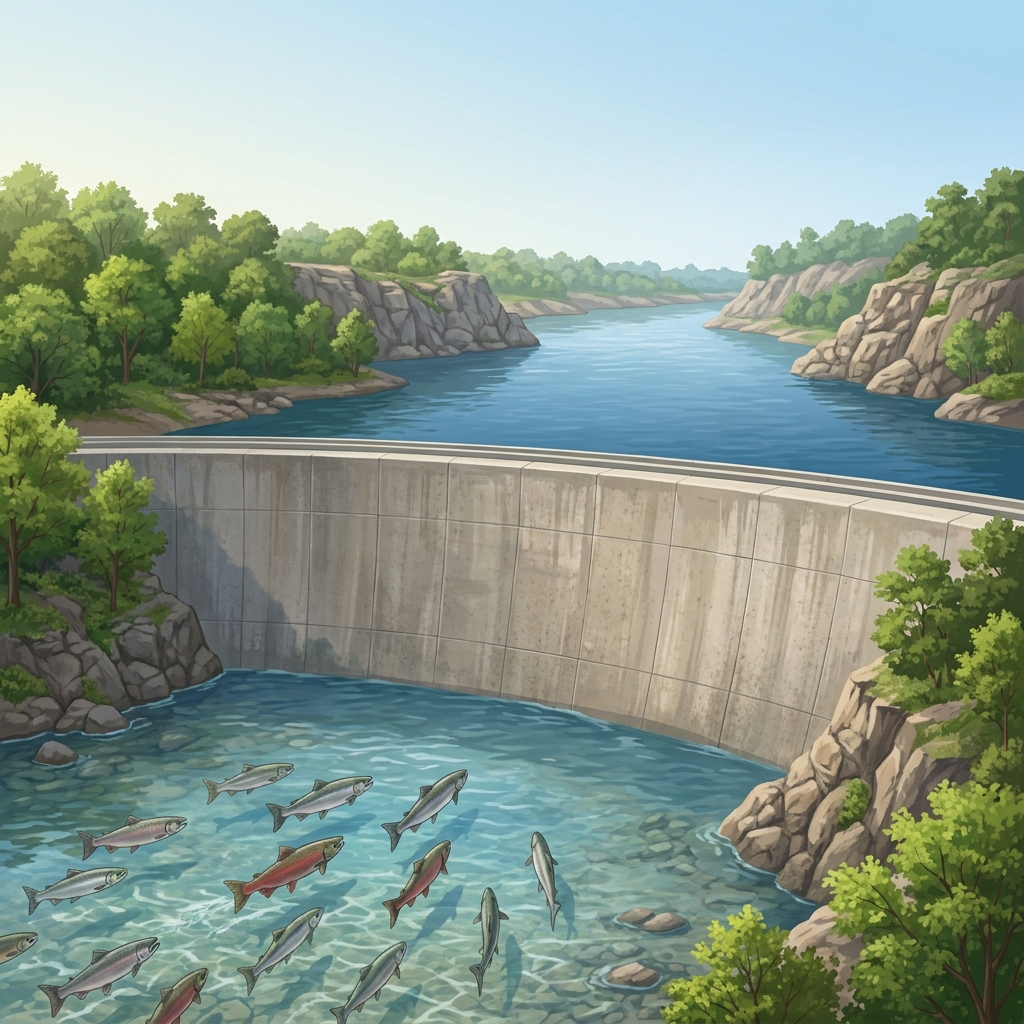
A dam built across a river blocks fish from swimming upstream to lay their eggs. When I talk about this scenario with my 3rd grade science students, many of them get stuck on the physical object of the dam itself. They recognize the concrete wall but struggle to connect that human structure to the biological reality of the fish. They often look for natural disasters or dramatic shifts in weather, forgetting that a simple human choice can alter a whole ecosystem. This is a common hurdle for young learners who are just beginning to see humans as a part of the environment rather than outside of it.
This is where How Habitats Change and Affect Animals becomes an essential tool for your 3rd grade science instruction. It is built to bridge that gap by teaching students that a habitat is not just a place where an animal lives, but a specific arrangement of food, water, and shelter that must remain stable for survival. By focusing on the concept of habitat change, the lesson forces students to look at how specific events modify the environment and make it harder or easier for native plants and animals to exist. This lesson is a great fit for a whole-class assignment or for a student who missed the week and needs to catch up on this core life science concept.
Why students miss the mark on habitat change
Understanding the California standard
The lesson aligns with CA.3-LS4-3.EPC, which asks students to explain how changes in California habitats, including those caused by human activity, affect the ability of native plants and animals to survive. It is a specific component of the California Environmental Principles and Concepts, which integrates into the CA NGSS Framework. Whether you are teaching in the Ontario-Montclair School District, Los Angeles Unified, Santa Barbara Unified, or the Hueneme Elementary School District, this standard requires your students to move past simple identification and into the work of predicting environmental consequences. It expects them to articulate the causal link between a change in the land and the health of the species that rely on it.
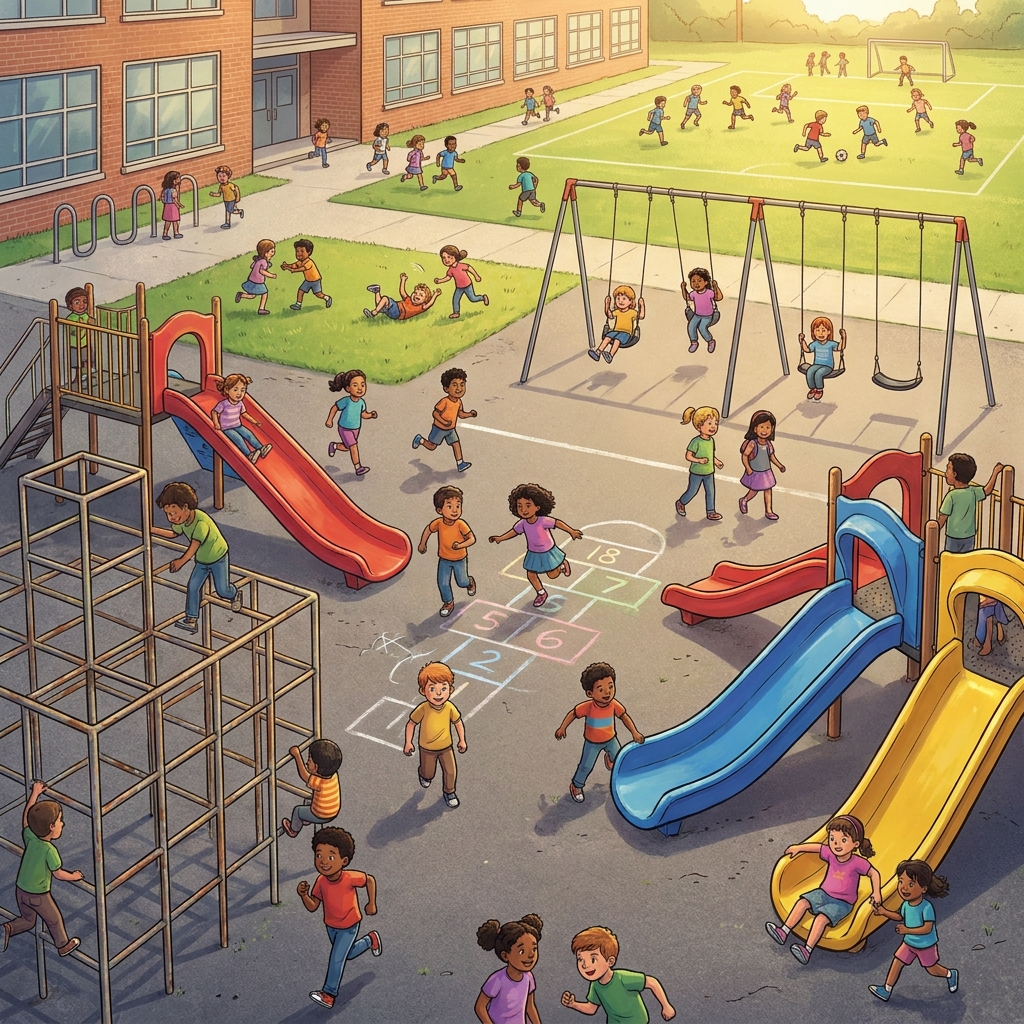
The lesson uses specific vocabulary to keep the class grounded. It defines a habitat as the natural place where a plant or animal lives and finds the food, water, and shelter it needs to survive. It also defines a riparian zone as the area of land along the banks of a river or creek where many plants and animals live, and habitat change as an event that alters the environment. Using these terms consistently helps students move from vague ideas about nature to precise language about biology.
Applying the logic to new scenarios
Once you have worked through the basics, you can use this third grade science habitat lesson to test their application of the standard. The guided practice is particularly effective because it introduces a new phenomenon: a new highway built right through a path that deer use to migrate. It shifts the burden of thought onto the students, asking them to describe the impact of a road on a woodland habitat. I find that this is where the lightbulb goes on. They start to realize that their own infrastructure has direct, observable consequences on the native animals they see in their own neighborhoods.
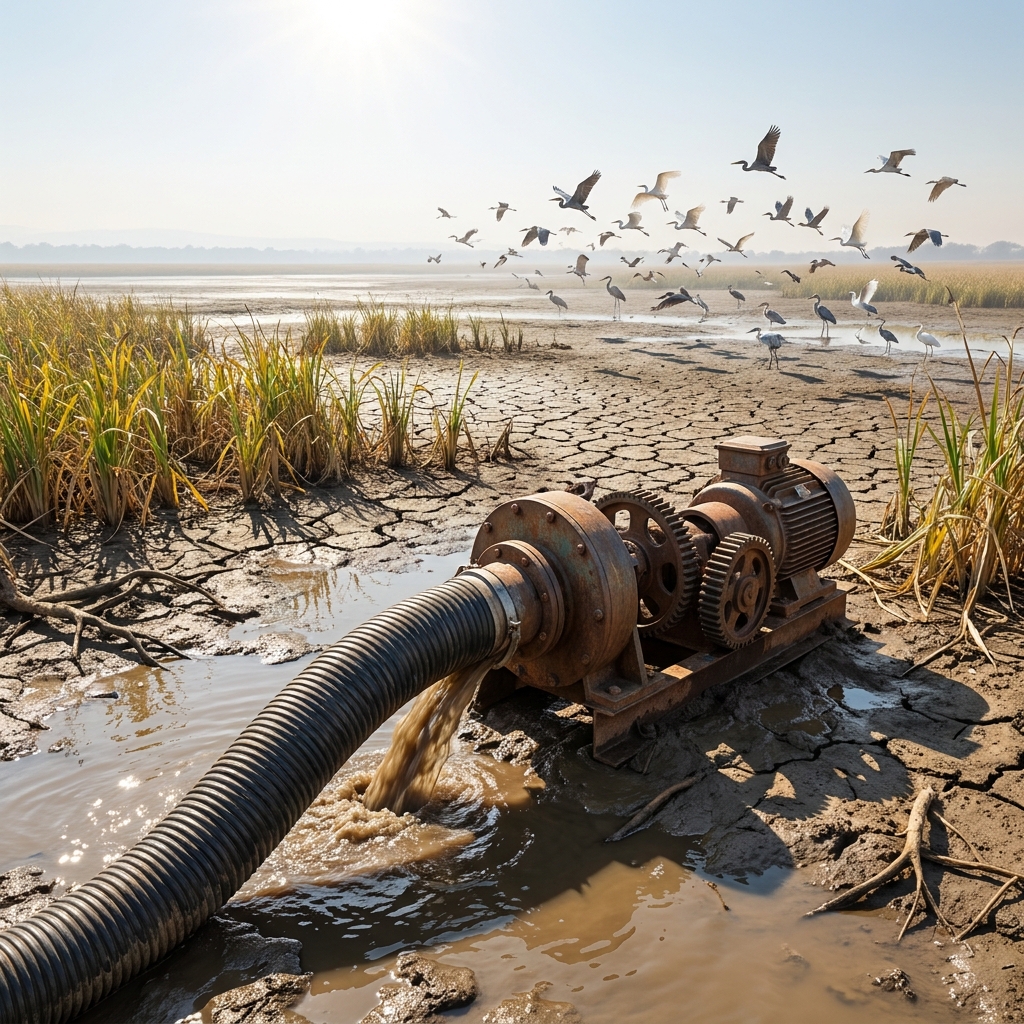
One caveat to keep in mind is that the scenario of a highway may be more relatable to some students than others, depending on their local surroundings. You might need to provide extra scaffolding if your students have limited experience with migration patterns or rural woodlands. However, the logic remains the same regardless of the location. You are teaching them that because we know how a change affects a species, we can work to fix it or create new spaces for them to live. It is a powerful way to end a unit on life science, and it provides a strong foundation for future study in ecology and conservation.
You can use this material for a substitute day or even for independent study if you have a student who is ready to move ahead. The structure of the lesson is clean and focuses on the logic of cause and effect, which makes it easy for students to follow even without your direct mediation for every single minute of the forty-five-minute session.
Related lessons
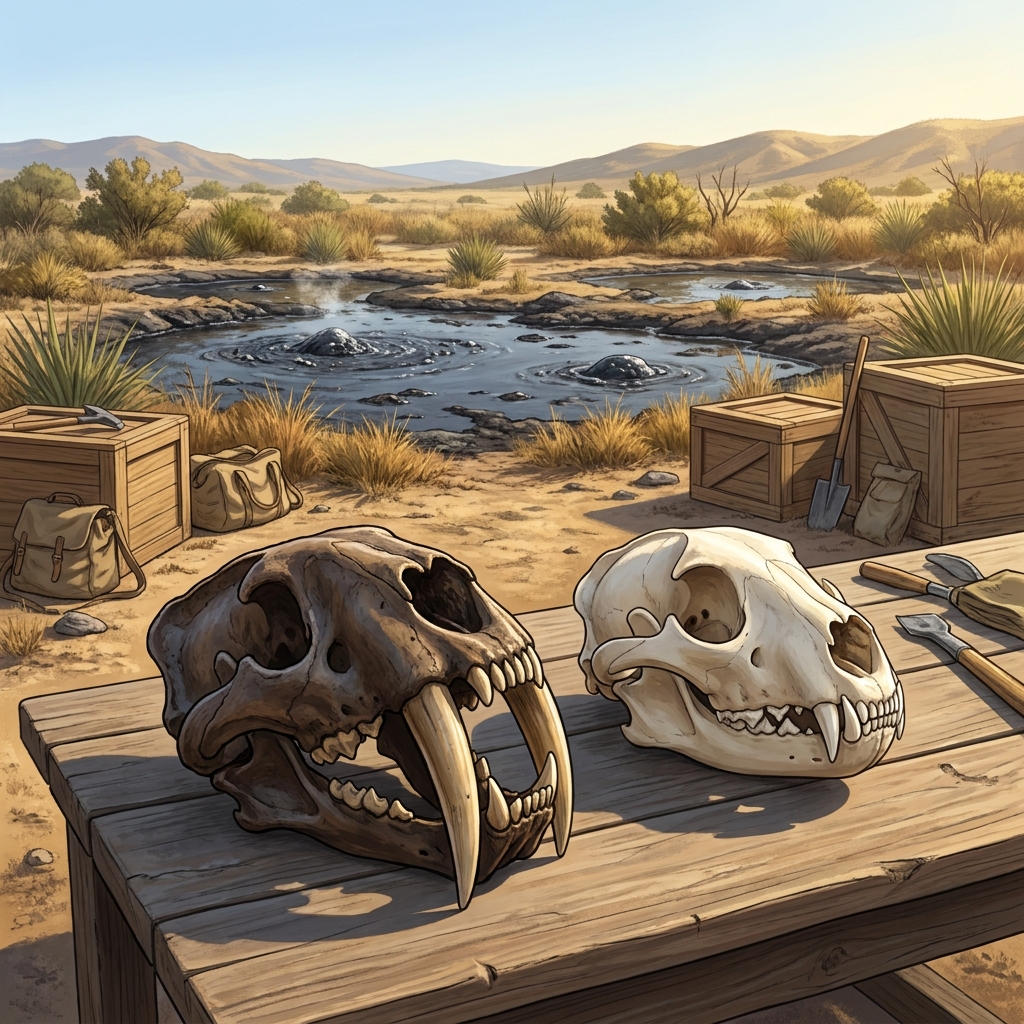
Reading the Story in Fossils, interpreting what fossil evidence reveals about ancient animal lives
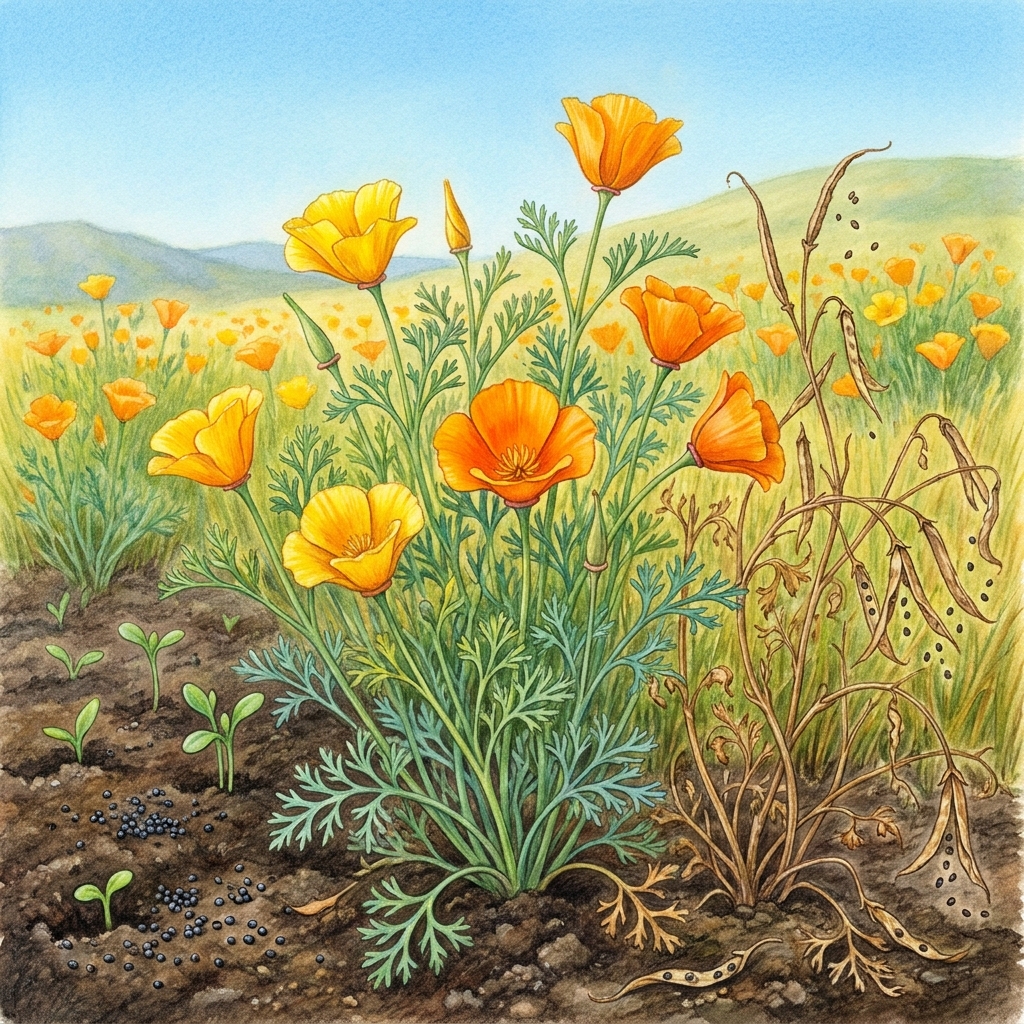
Life Cycles in California, exploring the developmental stages of various native California species
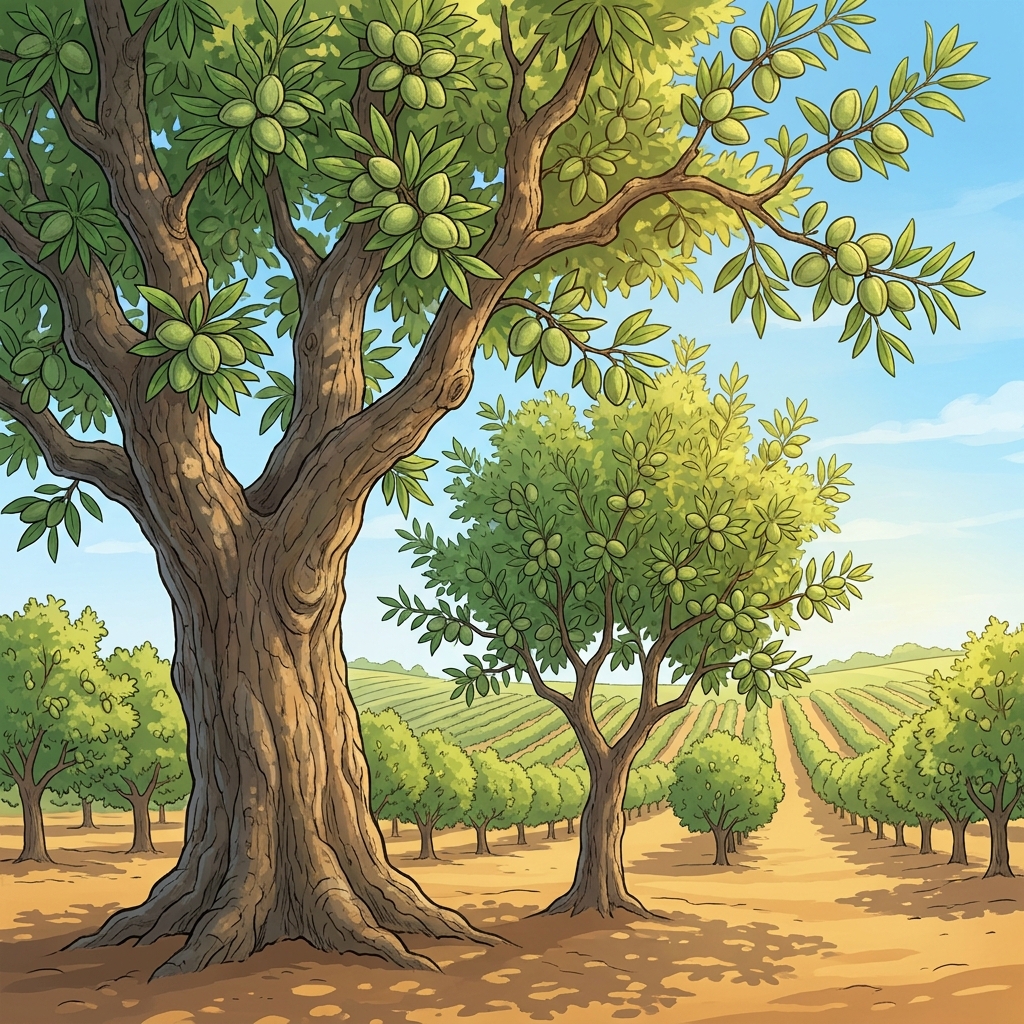
Traits and Variations in California Crops, analyzing inherited traits and variations in common agricultural plants