

How do I get them to stop guessing when they answer questions? A colleague asked me that during a staff meeting last year. It is a common frustration when third graders approach reading comprehension tasks. They often rely on their prior knowledge about the world rather than looking at the page right in front of them. It is a natural impulse to want to be smart, but it leads to guessing instead of reading. Students need to learn that their answer is only as good as the evidence they can point to.
Why students guess instead of reading
This is exactly why I appreciate Finding Answers in Informational Text. This 3rd grade English Language Arts lesson addresses this habit directly. It requires students to slow down and anchor their thinking to the passage itself, which is the heart of what CA.ELA.RI.3.1 requires in every classroom from San Diego Unified to San Francisco Unified, and across districts like Colton Joint Unified and Atwater Elementary School District.
What the lesson covers
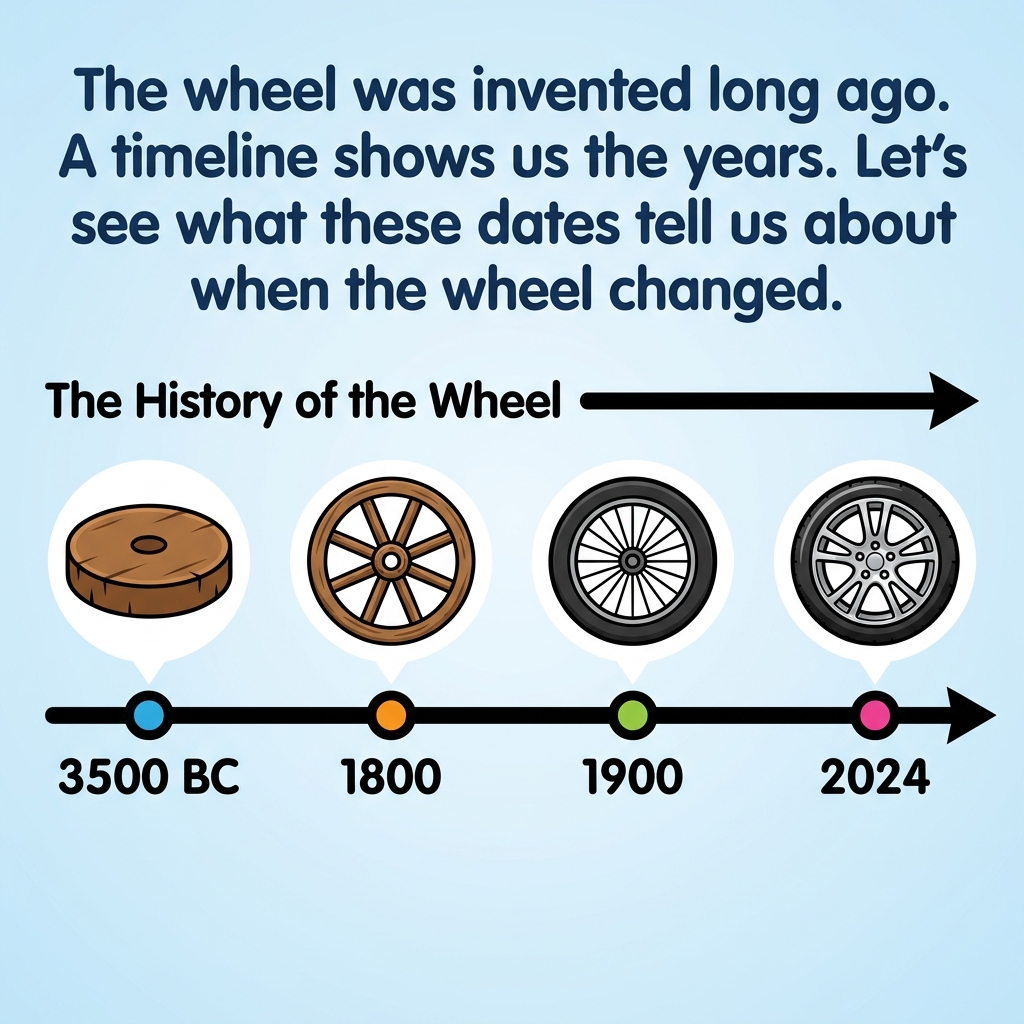
The core objective is for students to ask and answer questions about informational texts by using evidence from the words and features they read. The lesson defines informational text as a piece of writing that gives facts and real information about a topic. To help students practice, it uses a cycle about the growth of a butterfly, noting the four stages from egg to caterpillar to chrysalis and finally the butterfly. This helps ground the abstract concept in a specific process.
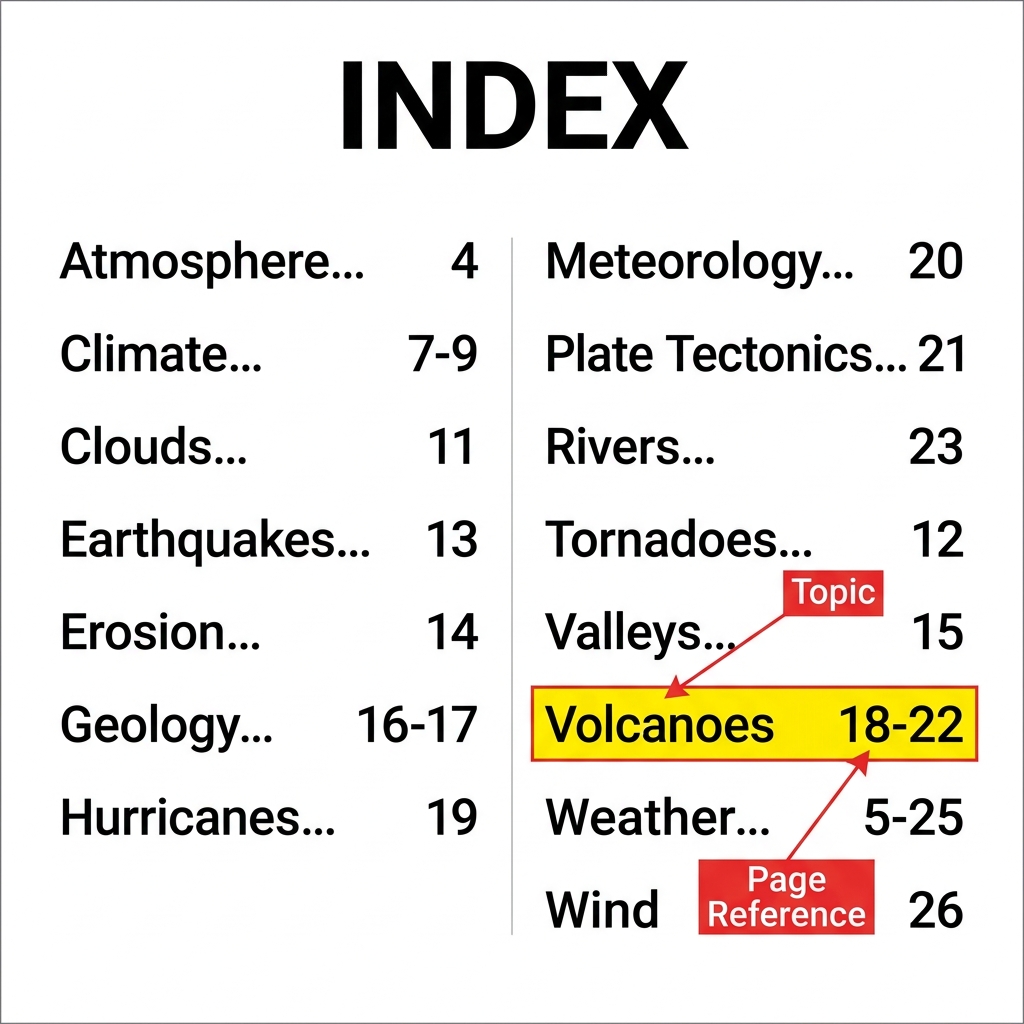
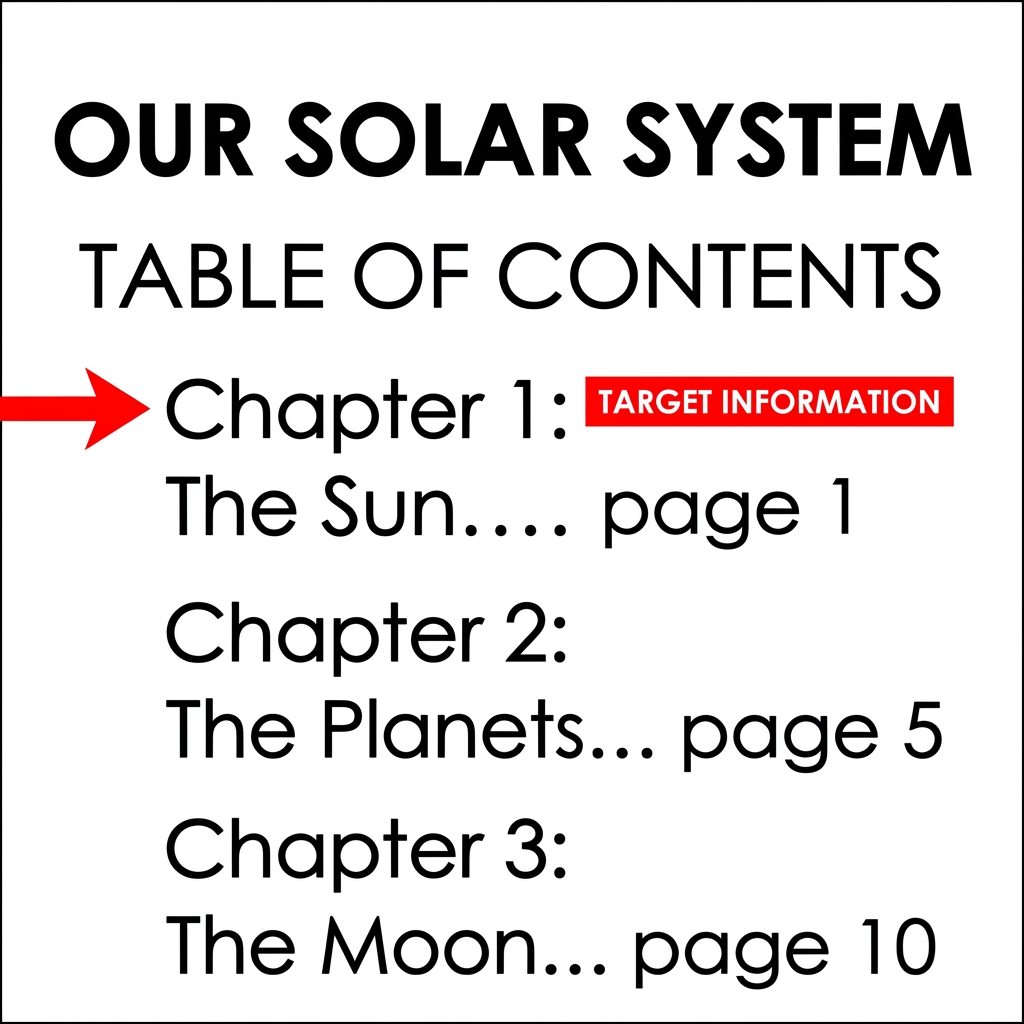
You will also find a clear distinction between an index and a glossary. The lesson explains that an index is found at the back of a book to list topics in alphabetical order, whereas a glossary provides definitions for the words themselves. This is part of the 3rd grade reading informational text lesson that prepares students for independent research.
Meeting the standard
The lesson aligns with the California-adopted standard CA.ELA.RI.3.1. This standard asks students to ask and answer questions to demonstrate their understanding of a text by referring explicitly to that text as the basis for their answers. It also requires students to use text features and search tools to locate information relevant to a given topic and to describe the logical connection between specific sentences and paragraphs. The lesson also incorporates CCSS.ELA-LITERACY.RI.3.1, which focuses on asking and answering questions to demonstrate understanding by referring to the text.
The instruction covers a search engine scenario where students must type a query into a search box. It teaches that a keyword is the most important word in a question that helps a computer find the right topic. Students practice picking these keywords before they ever click on a result.
Where students slip
The biggest hurdle is often the definition of text evidence. The lesson defines this as the specific information, facts, or details found directly in a book or article that prove an answer is correct. When a student insists an answer is right because they heard it on a show or read it somewhere else, pull them back to this definition. The material does a good job of showing that these skills matter when reading news or even instructions for a game.
This lesson is a strong fit for a whole-class assignment when you are starting a new unit. It also works well for a student who missed the week and needs a focused catch-up activity. You can even leave it for a substitute day because it is self-contained and easy to track.
Related lessons

Understanding How Ideas Connect in Informational Text, Covers logical connections between sentences and paragraphs in informational passages

Finding Key Ideas in Informational Text, Focuses on identifying main topics and important details in text
Using Pictures and Words to Understand Stories, Explains how visual elements support understanding of narrative story text