

This lesson is built for any teacher working with fifth grade English Language Arts students who need a boost in how they process complex non-fiction. Whether you are prepping for a state assessment or just notice that your students are reading past the actual facts in their textbooks, Finding Key Details in Informational Text offers a solid framework to slow them down and make them think.
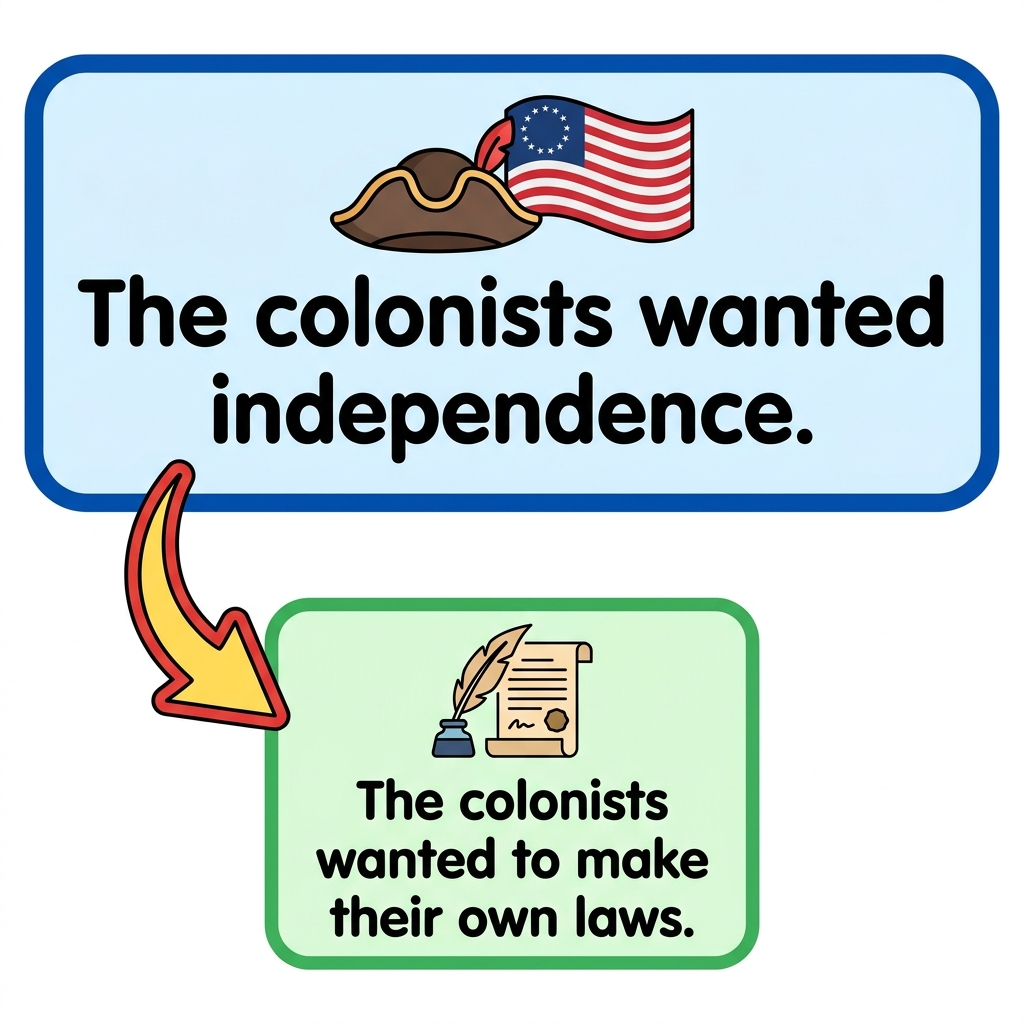
The lesson starts by clarifying the basics. It defines an informational text as any writing that provides facts about the real world, like history or science. Students learn that a main idea is the central message, and that a key detail is simply the evidence or fact that supports that point. The lesson uses a clear example from the American Revolution to show how finding the right detail helps explain the “why” behind a historical event. When a text says the colonists wanted to make their own laws, that isn’t just a random fact. It is the specific detail that supports the main idea of why they fought for independence. It is a simple distinction, but one that many ten-year-olds need to see modeled before they can apply it to their own reading.
Connecting evidence to the main idea
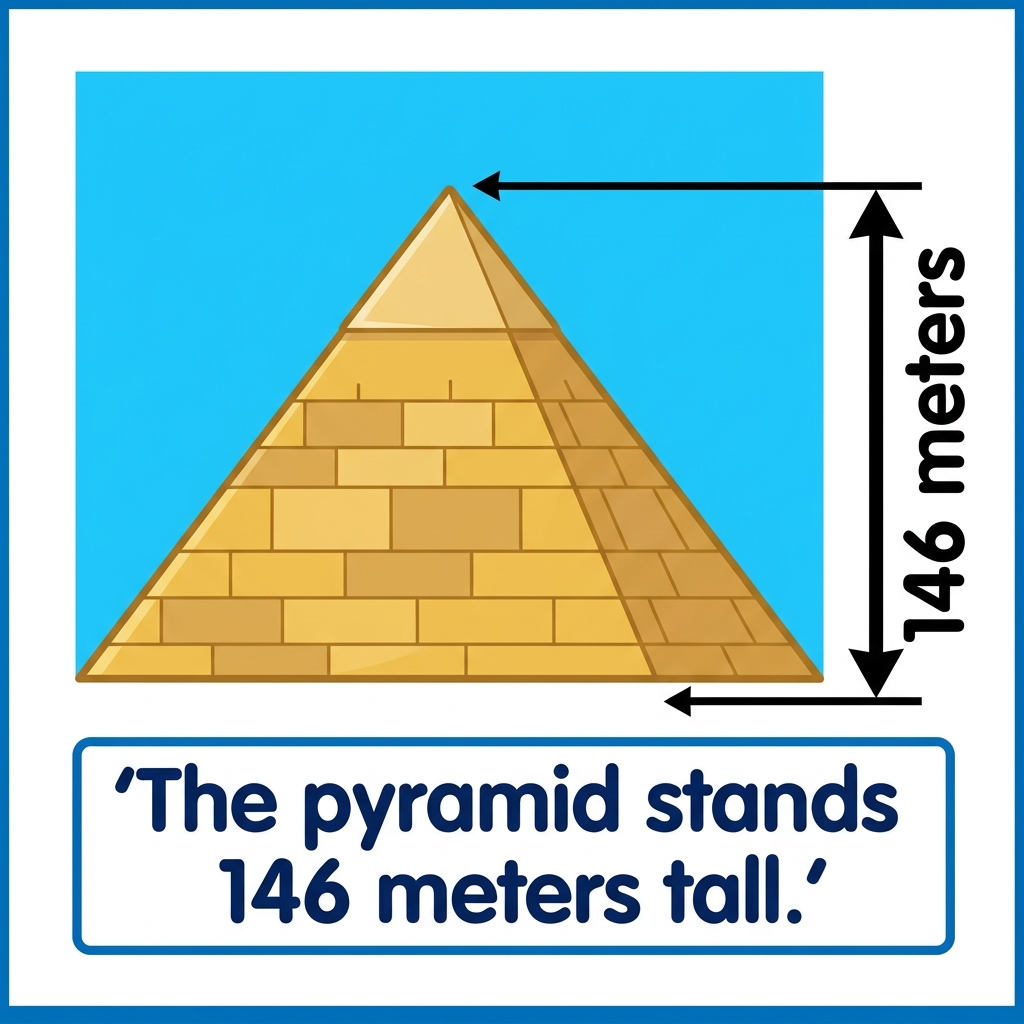
This is a practical resource for classrooms across California. You will see students tackling the same CA.ELA.RI.5.10 standard in schools from Los Angeles Unified and San Bernardino City Unified to Oak Park Unified and Soledad Unified. The standard asks students to reach a high level of independence by the end of the year, comprehending texts that cover history, social studies, science, and technical topics at the upper end of the fourth through fifth grade complexity band. It is a big lift. The lesson gives them a low-stakes way to practice by moving from an ancient history topic about the Great Pyramids to a practical technical guide about how a water filtration device actually functions. Watching students shift from historical narrative to technical manual is exactly what we need to prepare them for middle school literacy.
Where to fit this in the week
I suggest using this as a whole-class assignment when you are starting a new unit in science or history, as it sets a clear expectation for how you want them to read the new material. It also works well for a student who missed the week, because the material is self-contained and clear enough for them to pick up the logic without needing the context of previous lectures. If you have an intervention block, use the technical text section of this fifth grade informational text lesson as a warm-up exercise.
As you walk around the room, listen to how they explain their choices. If a student picks a detail that is interesting but doesn’t actually support the main idea, ask them to trace that fact back to the author’s primary argument. The lesson is straightforward, but it forces them to justify their thinking. I usually find that the kids who struggle are the ones who try to memorize the whole paragraph rather than identifying the structural role of each sentence. Remind them that they are looking for the “truth” of the text, not just the details they happen to find most surprising. By the end of the 45 minutes, they should be able to articulate why specific evidence matters. It is a clean, focused approach to a standard that often feels too broad when we try to teach it in isolation.
Related lessons
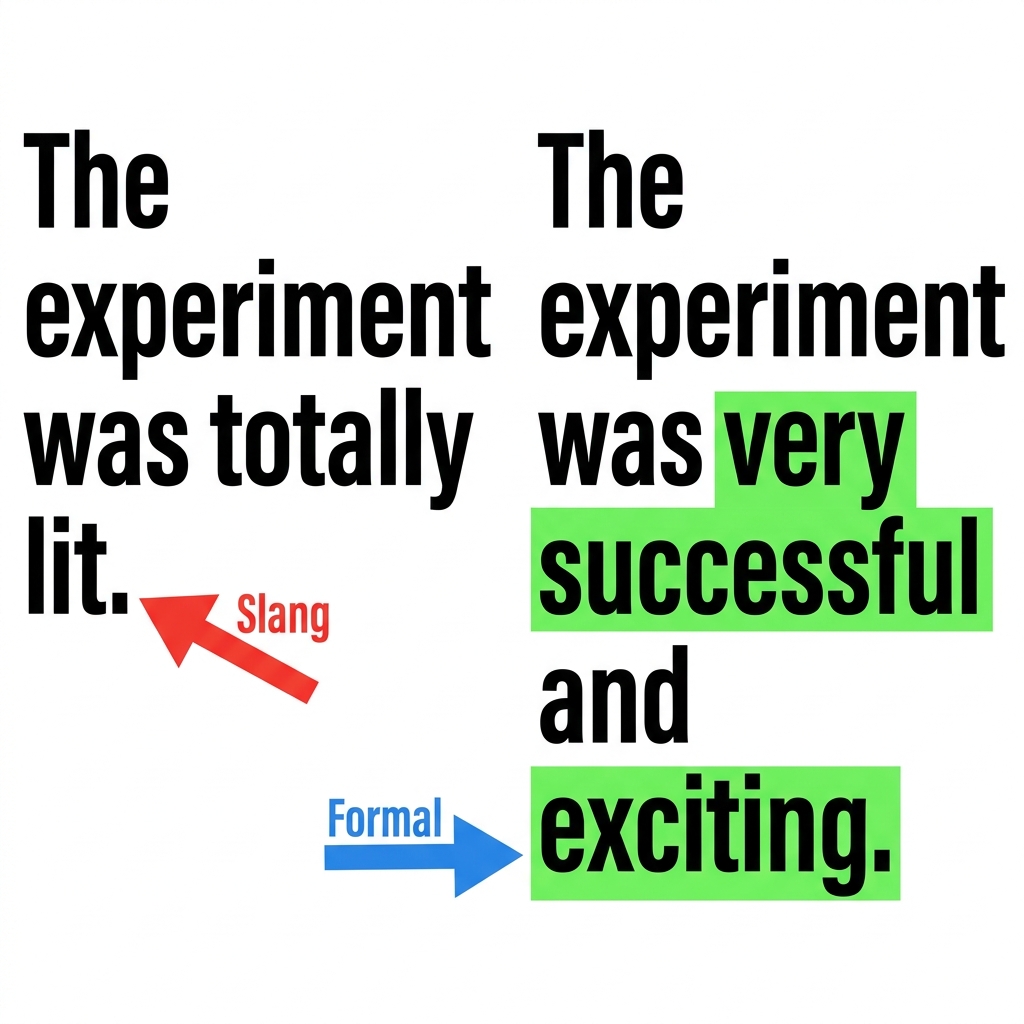
Understanding Words in Informational Text, Learning how to interpret academic vocabulary in various non-fiction texts
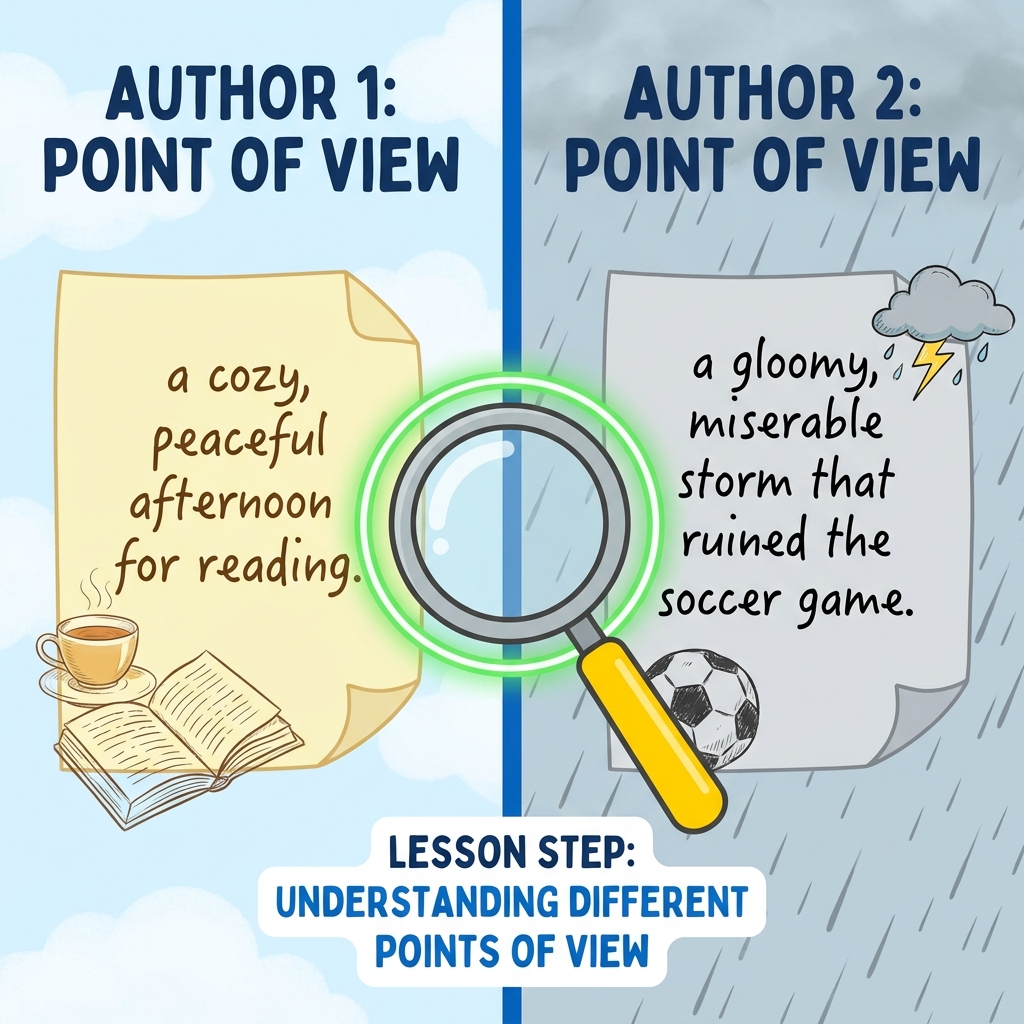
Understanding Different Points of View, Identifying how authors shape their perspectives in informational writing
Finding Main Ideas and Supporting Details, Connecting specific evidence to central arguments in diverse reading passages