

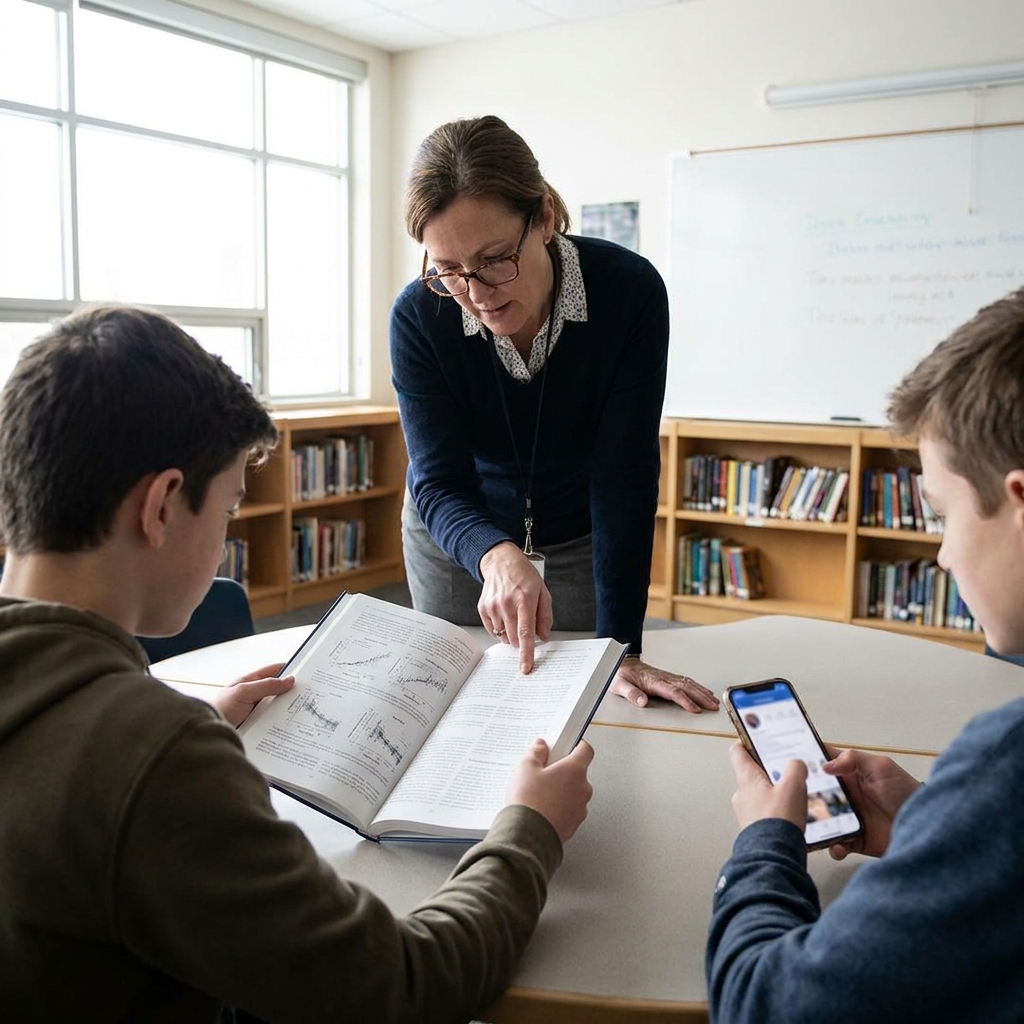
For those of you teaching 6th grade English Language Arts, you know that research is often where students feel the most overwhelmed. They often grab the first search result they see and call it a day. The lesson Researching with Credible Sources provides a structured way to slow that process down and teach the necessary discipline of vetting information before it hits the page. Providing students with a scaffolded approach allows them to move past the initial confusion of sifting through massive amounts of data to find relevant facts.
How this lesson builds fundamental research habits
This material covers the basics of digital literacy. It starts with the importance of using precise keywords to get the best search engine results. From there, it moves into defining what makes a source trustworthy, explaining how to use direct quotes, and establishing the practice of paraphrasing to avoid accidental plagiarism. Whether you need a 6th grade research lesson for students who missed the week, an independent study module, or a plan for a substitute day, this fits well into your writing blocks. When students master these habits, they are better equipped to handle the rigors of middle school writing assignments.
The instruction focuses on the objective of gathering and evaluating information from different sources to support an argument. It walks through a simple example of how to handle a quote about the Martian atmosphere to show students how to give credit where it is due. This is exactly what students are expected to do under CA.ELA.W.6.8, which requires them to collect relevant information from both print and digital sources, assess if those sources are accurate, and follow a standard format for citation. By using these specific examples, the lesson demonstrates the practical application of standards-aligned research skills in a way that remains accessible to 11 and 12-year-olds.
Understanding the standard and its application
This primary standard, along with CCSS.ELA-LITERACY.W.6.8, acts as the roadmap for how we expect students to interact with information. The California-adopted version asks for effective use of search terms and specific attention to formatting citations, while the associated CCSS component emphasizes the core skill of quoting or paraphrasing without falling into the trap of plagiarism. Teachers in Clovis Unified, Torrance Unified, Manhattan Beach Unified, and Madera Unified all use these standards to ensure consistency across the state. The lesson bridges the gap by using a news article about a local government project as the guided practice passage, which makes the task of checking credibility feel much more real than a generic textbook exercise. When students see how these skills apply to local government, the abstract nature of “citing sources” becomes concrete.
You will want to watch for students who struggle with the distinction between paraphrasing and simply swapping out one or two words. They tend to think that if they change a word, they are no longer plagiarizing. This lesson explicitly defines the vocabulary you need to correct that mindset. The instructional materials include specific definitions that help teachers clarify these nuances for the class. If a student understands the core definitions, they are much less likely to mistakenly plagiarize when they start drafting their research papers. These vocabulary guides serve as a reference point throughout the unit for both independent work and group discussions.
- Credibility: The quality of being trusted and believed because the information is accurate and written by an expert.
- Plagiarism: The act of using someone else’s words or ideas as your own without giving them credit.
- Paraphrase: To restate someone else’s ideas in your own words while keeping the original meaning.
Refining research habits through consistent practice
The lesson does a good job of grounding the why-it-matters statement in everyday decision-making. If students can get into the habit of asking why a news article or an instructional guide is worth believing now, they are less likely to rely on weak or biased sources later when the research tasks become more complex. I find that when students treat research as a form of detective work rather than a chore, their writing quality improves immediately. It is also a good opportunity to remind them that authors are not just anonymous faces on a screen, but experts whose ideas need to be respected through proper attribution. Use this as an entry point for your next big writing project to ensure the habits stick before the first draft is ever written.

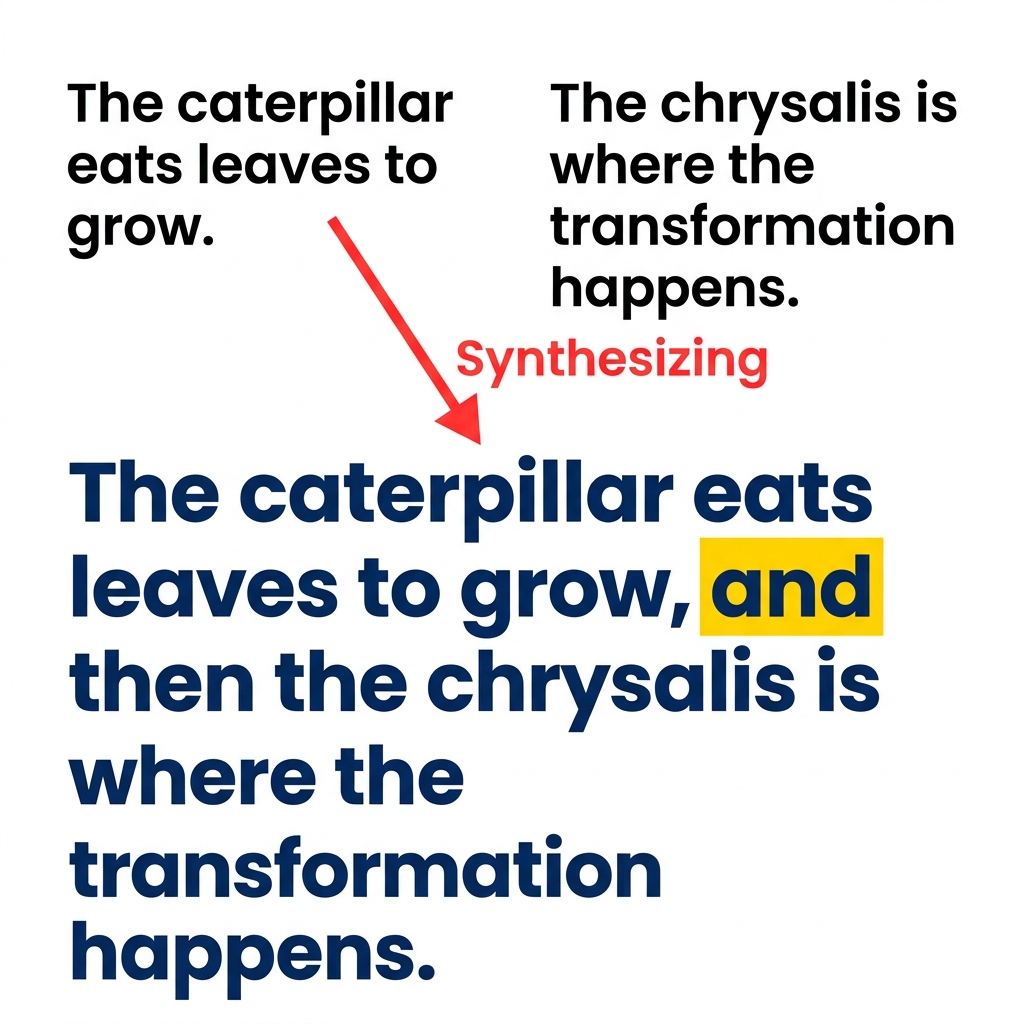
Consistency is key when moving from simple fact-finding to argumentative writing. By reinforcing these research habits early in the school year, you provide a stable foundation for later projects that require more depth and analysis. As students move from identifying a single source to synthesizing information from multiple places, they will rely on the techniques learned in this lesson. Establishing these routines early prevents common pitfalls like incomplete bibliographies or missing attribution, allowing the focus to remain on the content of their arguments rather than the mechanics of their research.
Related lessons

Mastering Digital Writing and Collaboration, Teaches the essentials of writing and collaborating in digital spaces
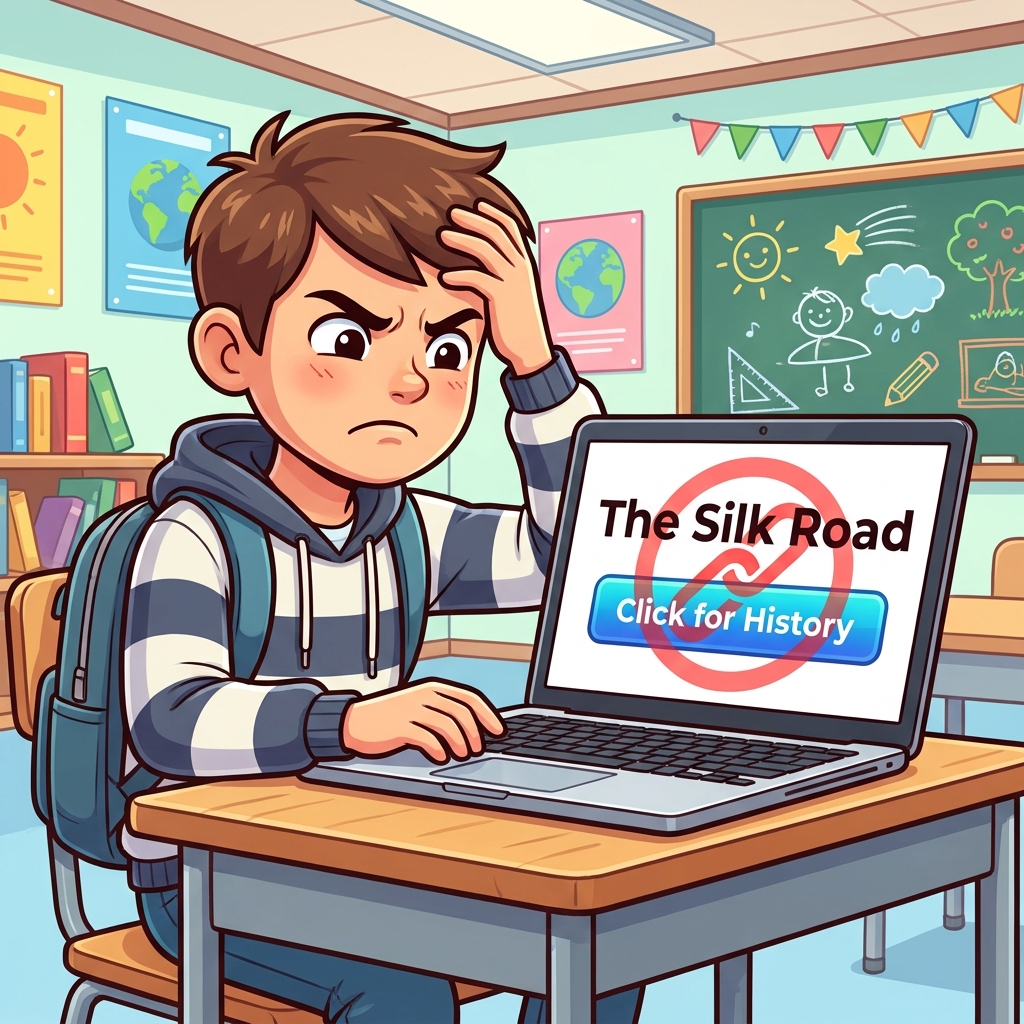
Publishing History Research Digitally, Shows students how to share their research findings using technology
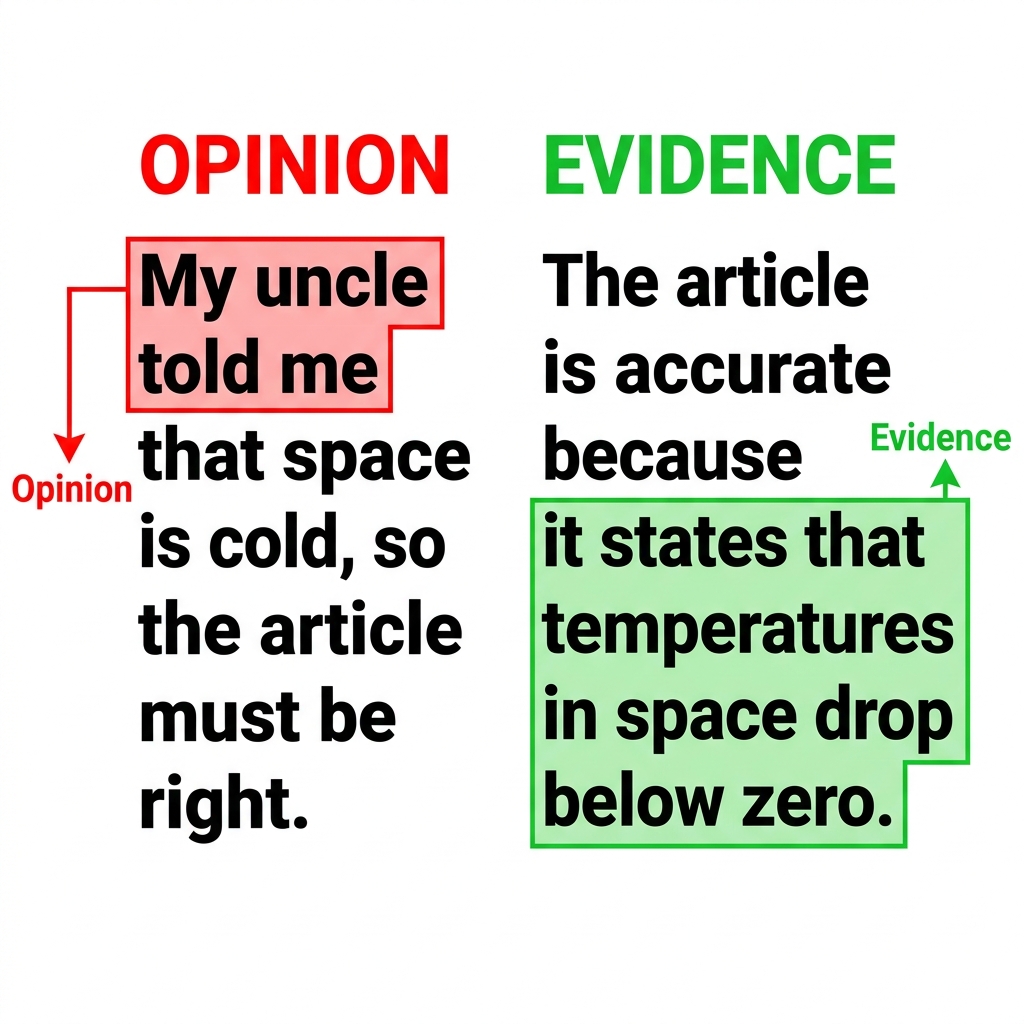
Supporting Your Ideas with Textual Evidence, Focuses on using text snippets to prove an argument effectively