

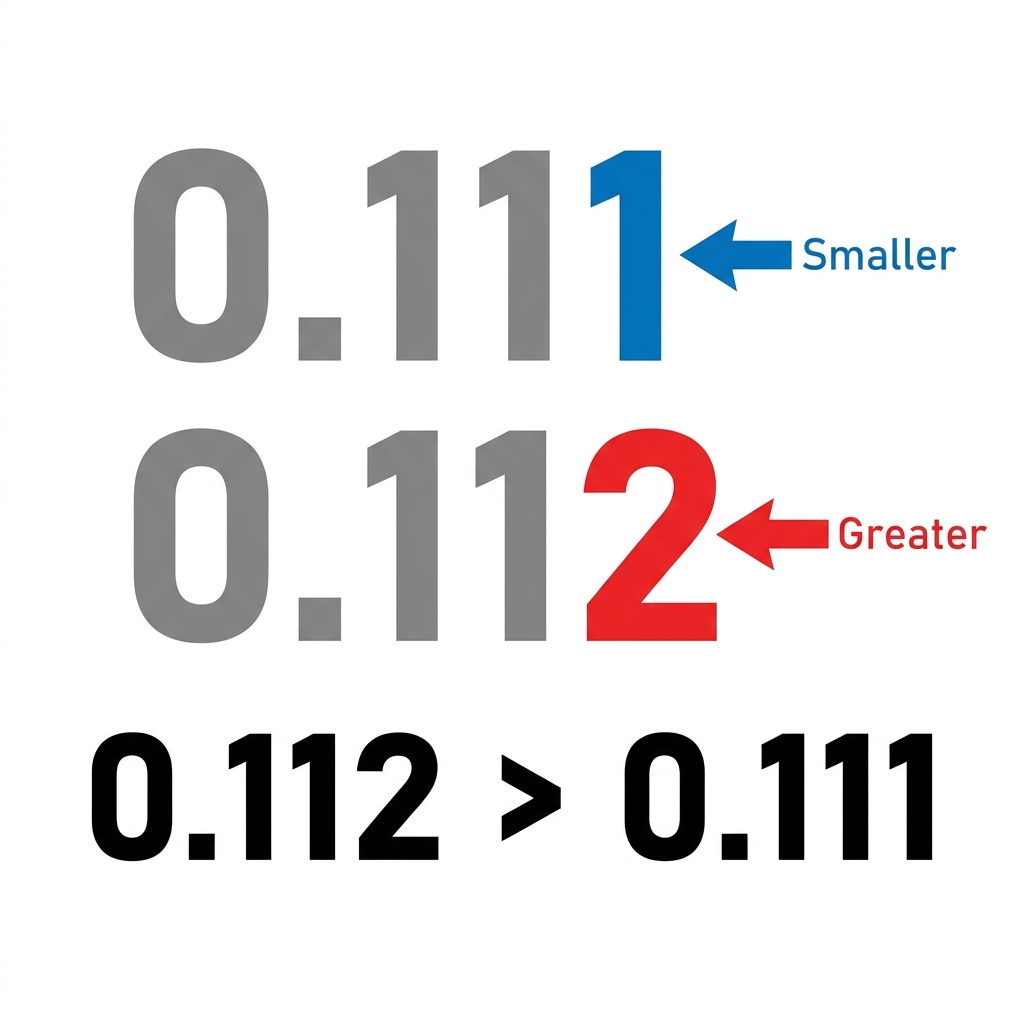
Fifth grade students often struggle with the nuances of place value, especially when transitioning to decimals. Teachers need reliable tools to help these students move beyond guessing and start accurately analyzing the value of digits. The following resource provides a clear path for students to master decimal comparisons through direct instruction and practice.
When students hit a wall with decimals
Midway through the year, when the initial shine of new math topics fades, fifth grade mathematics often becomes a point of frustration for students who haven’t quite mastered place value. If you are an intervention teacher or a coordinator managing independent study, you know that comparing decimals is where many kids lose their way. They see more digits and assume the number is larger, completely forgetting the role of the decimal point. This is why Comparing Decimals to Thousandths is a useful resource to keep in your back pocket.
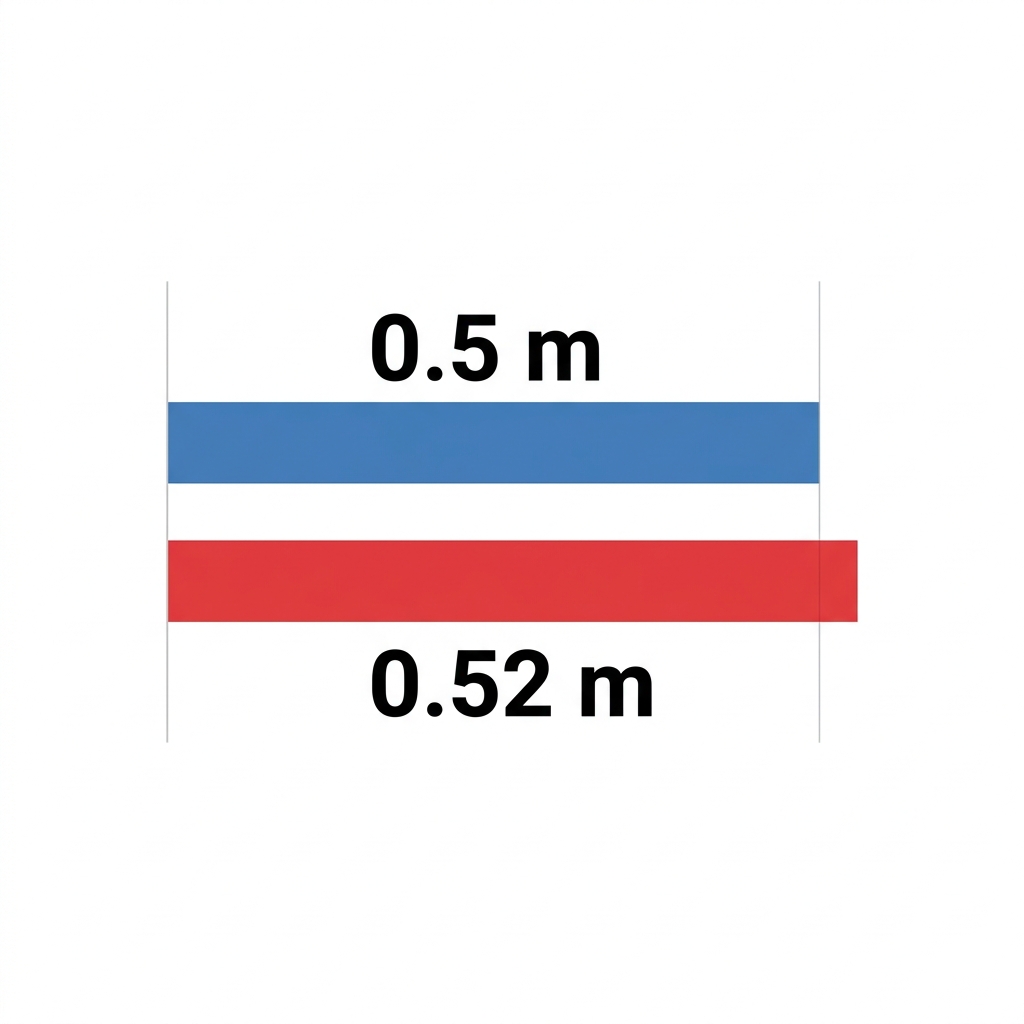
This lesson is built to address the specific hurdles of the Number and Operations in Base Ten domain. It takes roughly 45 minutes to complete, which makes it a manageable chunk for a student who missed the core instruction during the week or someone who needs a refresher before moving on to more complex operations. Whether you are using it for attendance recovery or as a quick intervention, the flow is logical and does not overwhelm the student.
What the lesson covers
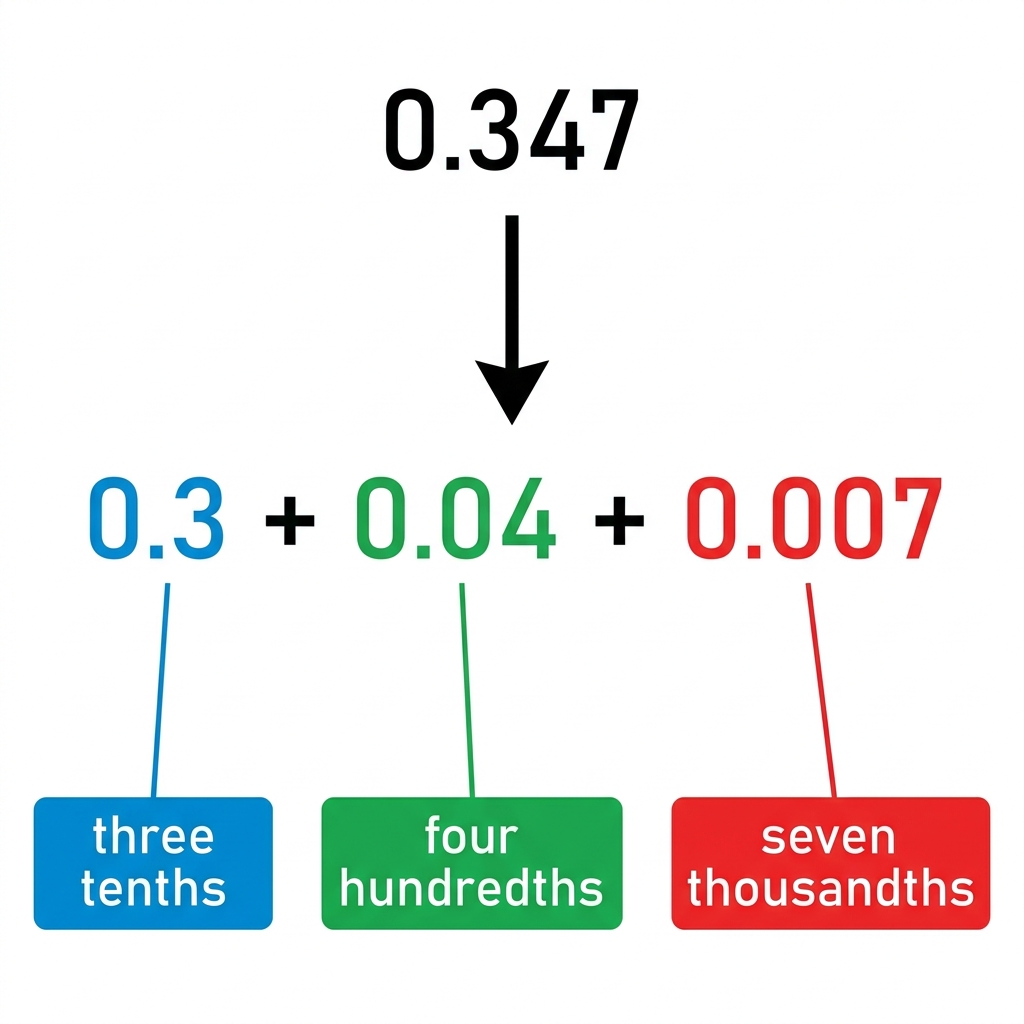
The core objective is straightforward: compare two decimals to the thousandths place by looking at the value of each digit. The lesson introduces the idea that a decimal is simply a number using a point to show parts of a whole, such as tenths, hundredths, and thousandths. It bridges prior knowledge by reminding students that they already know how to compare whole numbers from left to right. Now, they apply that exact same strategy to decimals. This is a common requirement taught across the state in places like Elk Grove Unified, Visalia Unified, Hollister School District, and Keppel Union Elementary School District.
The lesson uses clear examples to illustrate the point. For instance, to compare 0.852 and 0.859, the student examines the tenths place, where both show an 8. They move to the hundredths, where both show a 5. Finally, they reach the thousandths, where they see that 9 is greater than 2. This helps them conclude that 0.859 is greater than 0.852. Vocabulary is kept to the essentials: decimal and place value. It explains that place value is the worth of a digit based on its specific position in a number. It is refreshing to see a lesson avoid fluff and get straight to the mechanics of the math.
If you are looking for a 5th grade decimal comparison lesson that actually works for independent study, this hits the mark. It provides a why-it-matters context that usually resonates with students, mentioning that scientists use these comparisons to measure chemicals and doctors rely on them for accurate medicine doses. Understanding that this skill keeps things safe and accurate gives the work a bit more gravity than just filling out a worksheet.
Aligning with state standards
The work here is tied directly to CA.MATH.5.NBT.3b, the California-adopted standard for fifth graders. This standard asks students to read, write, and compare decimals to thousandths. Specifically, part ‘b’ focuses on comparing two decimals to the thousandths place based on the meaning of the digits in each place, while requiring the use of greater-than, equal-to, and less-than symbols. It is the heart of building a solid foundation in the base ten system. If a student is struggling with the symbols, this lesson forces them to pause and practice that notation consistently.
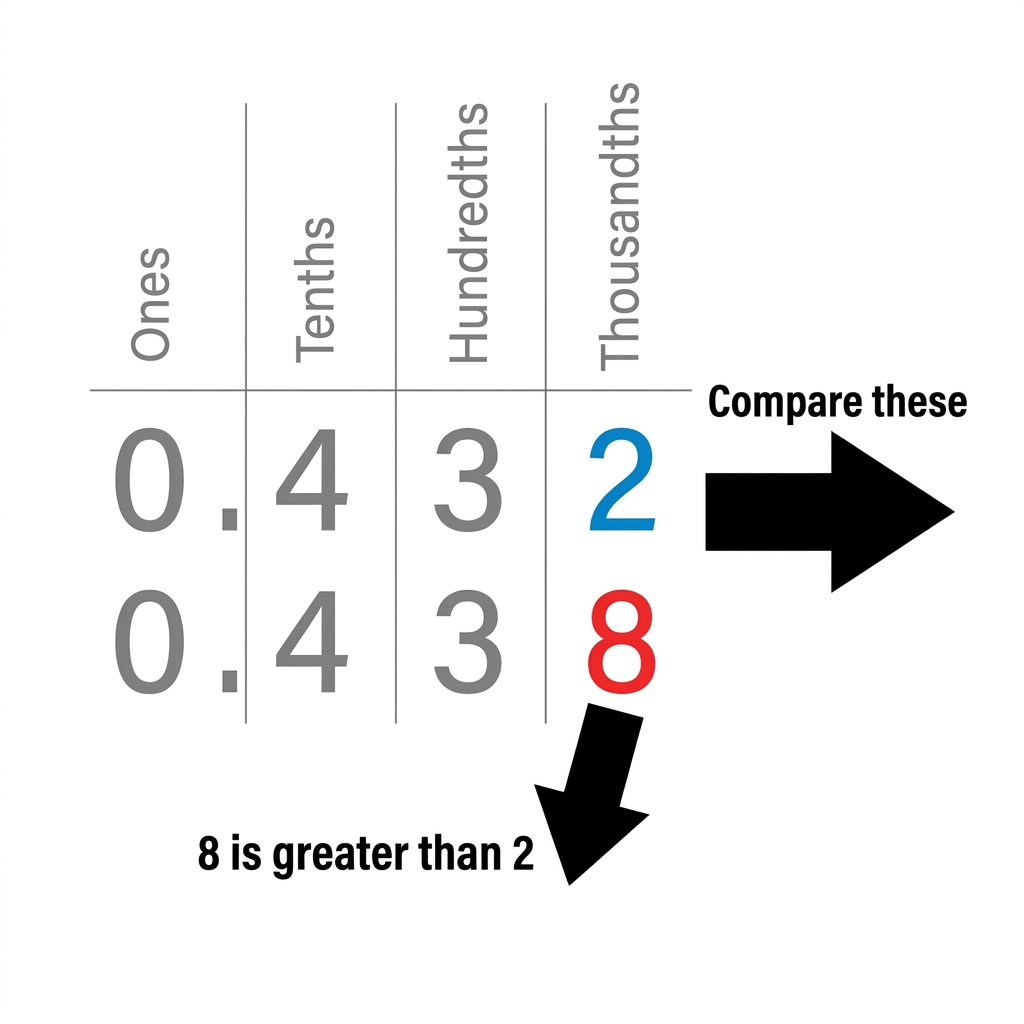
My one caveat is that the lesson assumes the student can already identify the name of each decimal place accurately. If a student is failing here, check if they know the difference between a hundredth and a thousandth before they even start the comparison exercises. The guided practice, which asks students to compare the weights of two gold coins, is a decent check for understanding. It brings the abstract numbers into a concrete, albeit slightly stylized, scenario. Because the work is digital, you get an immediate sense of where they are stalling. If they are consistently getting the comparison direction wrong, it is usually a sign that they are still treating the numbers like whole integers rather than fractional parts.
Assign this when a student is stuck in the loop of guessing. It provides enough structure to get them back on track without feeling like they are repeating the same failed lesson they had in class. For counselors or independent study coordinators, it is easy to monitor and requires no additional prep time. The lesson provides the clarity needed for students to stop guessing and start reading the place values correctly.
Related lessons
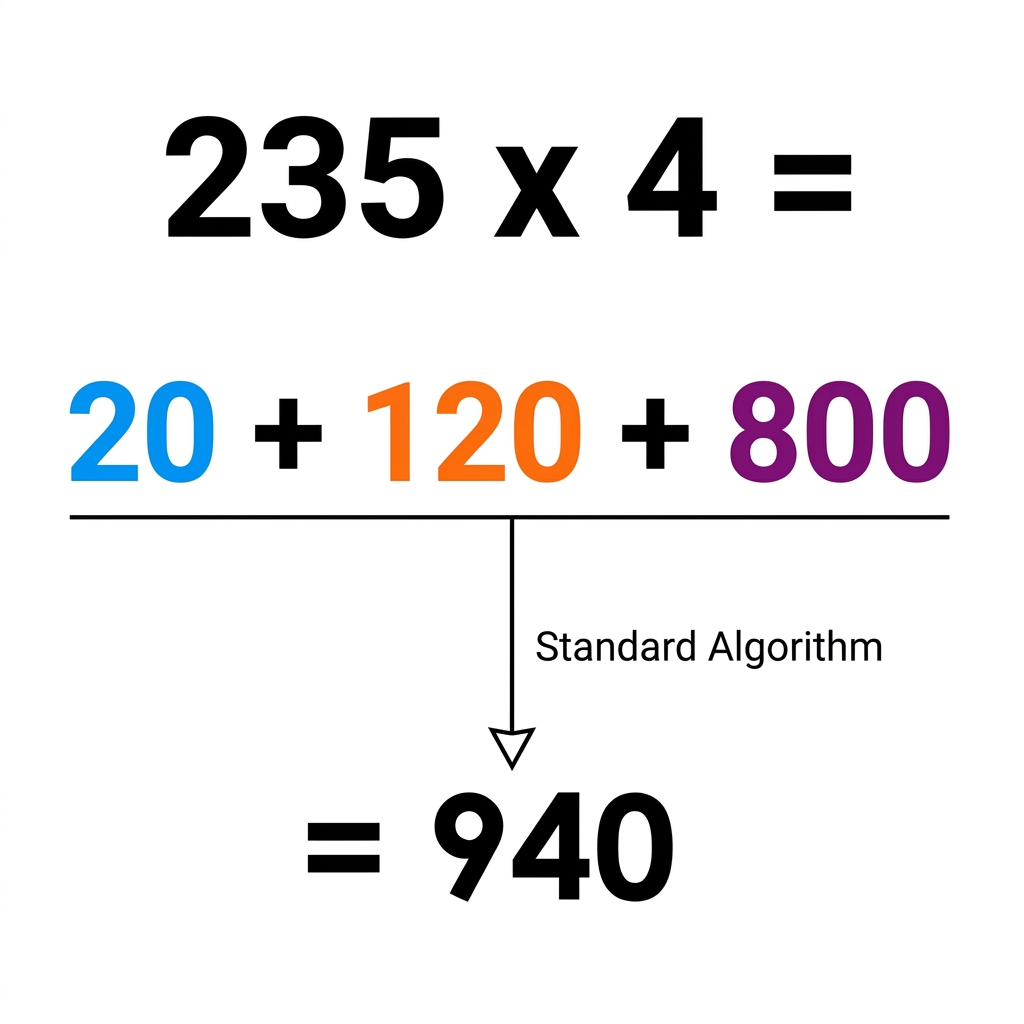
Mastering Multi-Digit Multiplication, Strategies for solving multiplication problems with several digits
Understanding Decimals to Thousandths, Concepts for reading and writing decimal numbers correctly
Powers of 10 and Decimal Patterns, Exploring how decimal points move with powers of ten