

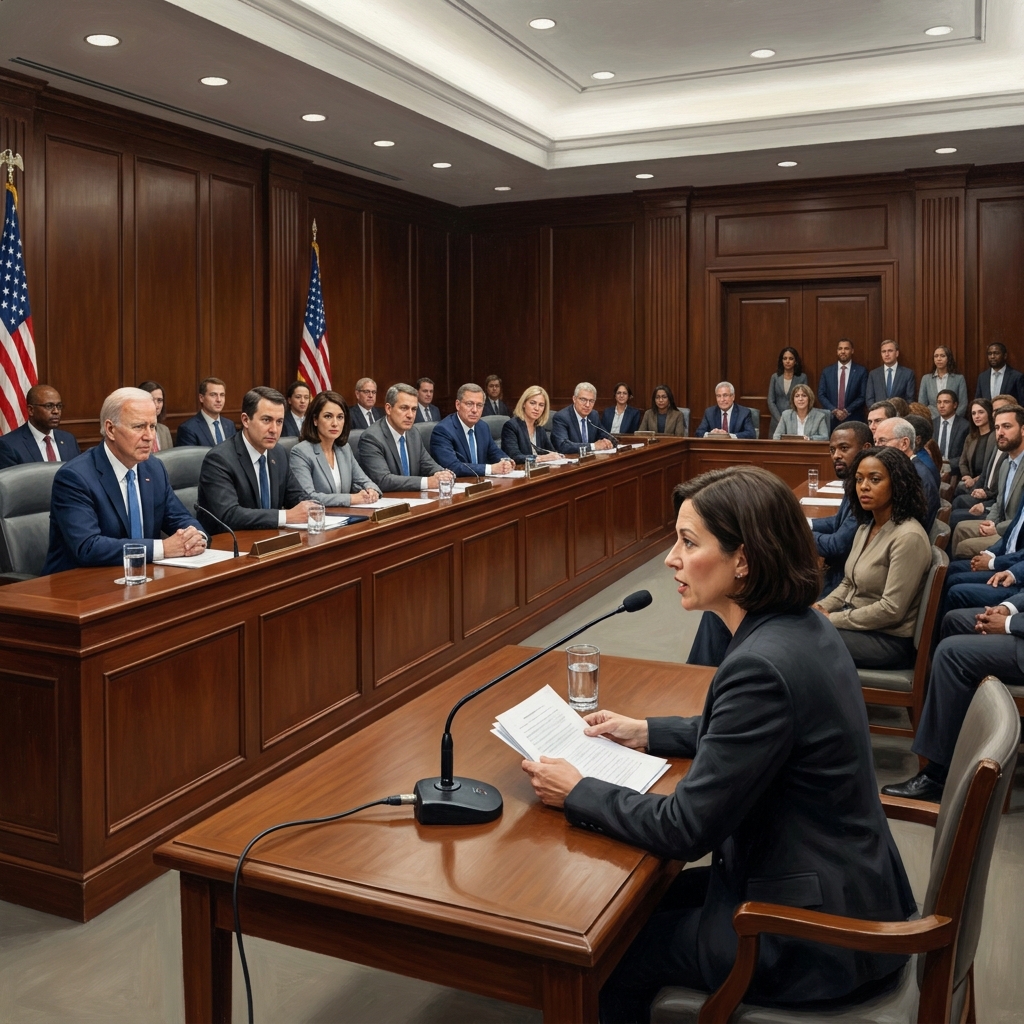
A federal committee hearing allows experts to testify on a new environmental bill, and this simple scenario is exactly where our students begin to grasp how legislation moves from an idea to a finalized policy. In this high school social studies lesson, Making Laws: Federal, State, and Local Processes, seniors work through the formal steps that define our system of government. It is a straightforward 45-minute module that fits well as a whole-class assignment or for a student who missed the week and needs to catch up on the legislative unit.
Students start by defining a legislature as the official body of elected representatives with the power to make, alter, and repeal laws. The lesson walks them through the distinct roles of a committee, where small groups research and amend bills, versus the broader legislative act. They also distinguish between a standard legislative bill and an executive order, which is a rule or directive from an executive official that operates outside the usual legislative pipeline. Throughout the experience, they are taught how lobbying, or the act of attempting to influence government decisions on behalf of an interest group, acts as a primary driver of external pressure on our representatives.
What the lesson actually asks students to do
This high school lawmaking lesson aligns with the California-adopted standard CA.HSS-PoAD.12.7.6, which asks students to compare lawmaking processes across three levels of government and account for media and lobbying impacts. This standard is taught across the state, from Merced Union High School District and Manteca Unified to Dunsmuir Joint Union High School District and Santa Ynez Valley Union High School District. The goal is to ensure that by the time students graduate, they understand how a local ordinance becomes law in a city council just as clearly as they understand a federal bill in Congress.

Vocabulary is central here. Beyond legislature and committee, students clarify their understanding of lobbying and ordinances. The guided practice is particularly useful because it shifts from the abstract theory of how a bill becomes law to a specific case study. Students look at a state environmental protection bill designed to safeguard water sources. They have to identify the importance of a public hearing in that process, which gives them a concrete way to see how community input can shape the final vote. It is a practical exercise that makes the abstract language of civics feel much more tangible.
Where students slip
The biggest hurdle I have seen with this topic is students conflating the local and federal processes. They often assume that what happens on the floor of the U.S. Senate is mirrored exactly in a city council chamber, ignoring the unique structure of an ordinance. Keep a close eye on their work during the guided practice section to ensure they are applying the correct terminology to the correct level of government. If a student confuses a legislative act with an executive order, ask them to check which branch of government holds the primary authority in that specific scenario.
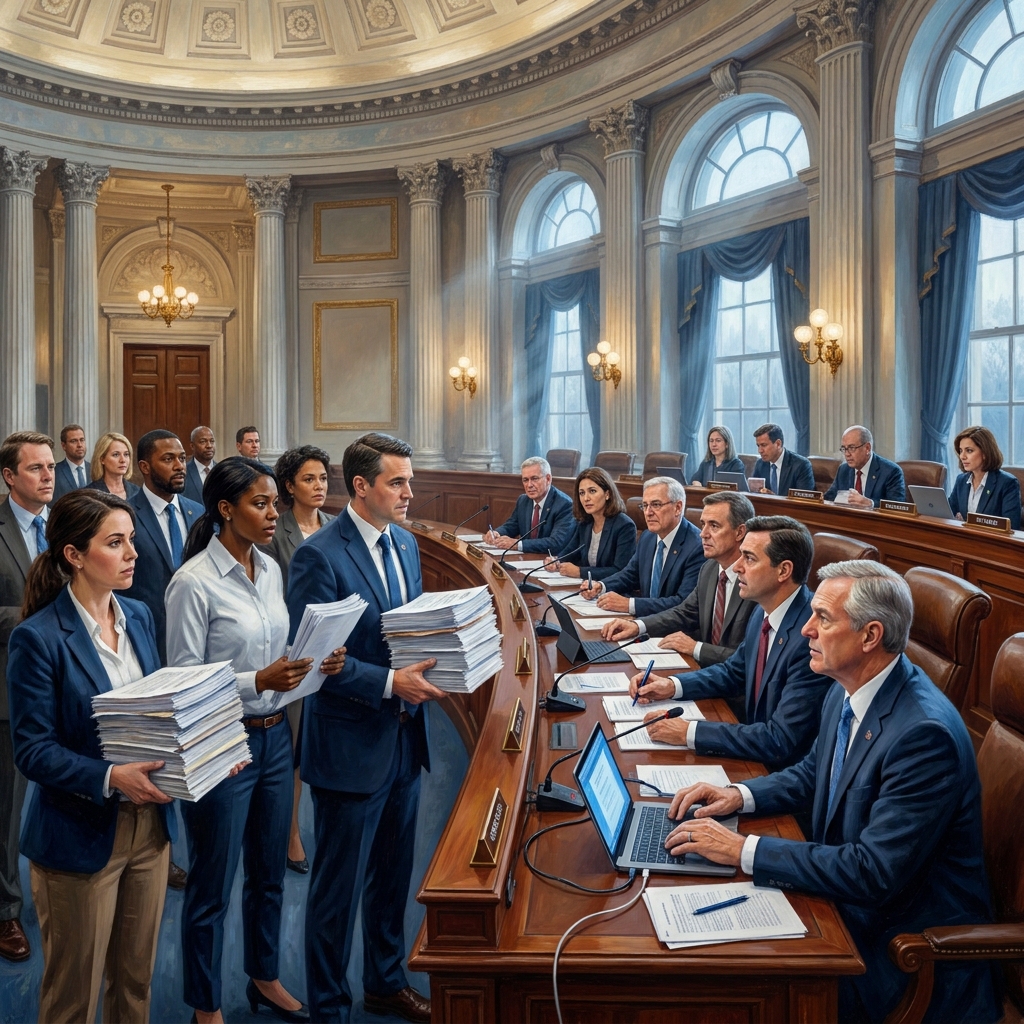
The lesson emphasizes that this work matters because it can empower students as informed citizens. By knowing how the process works, they can advocate for their own communities and actually participate in the hearings that define our local regulations. It is a solid, clean, and focused resource that avoids the fluff often found in civics materials. Use it for a quick substitute day or as a formal part of your democracy curriculum. The clear structure makes it easy to assign and even easier to grade, leaving you time to focus on the classroom discussions that really bring these concepts to life.
Related lessons
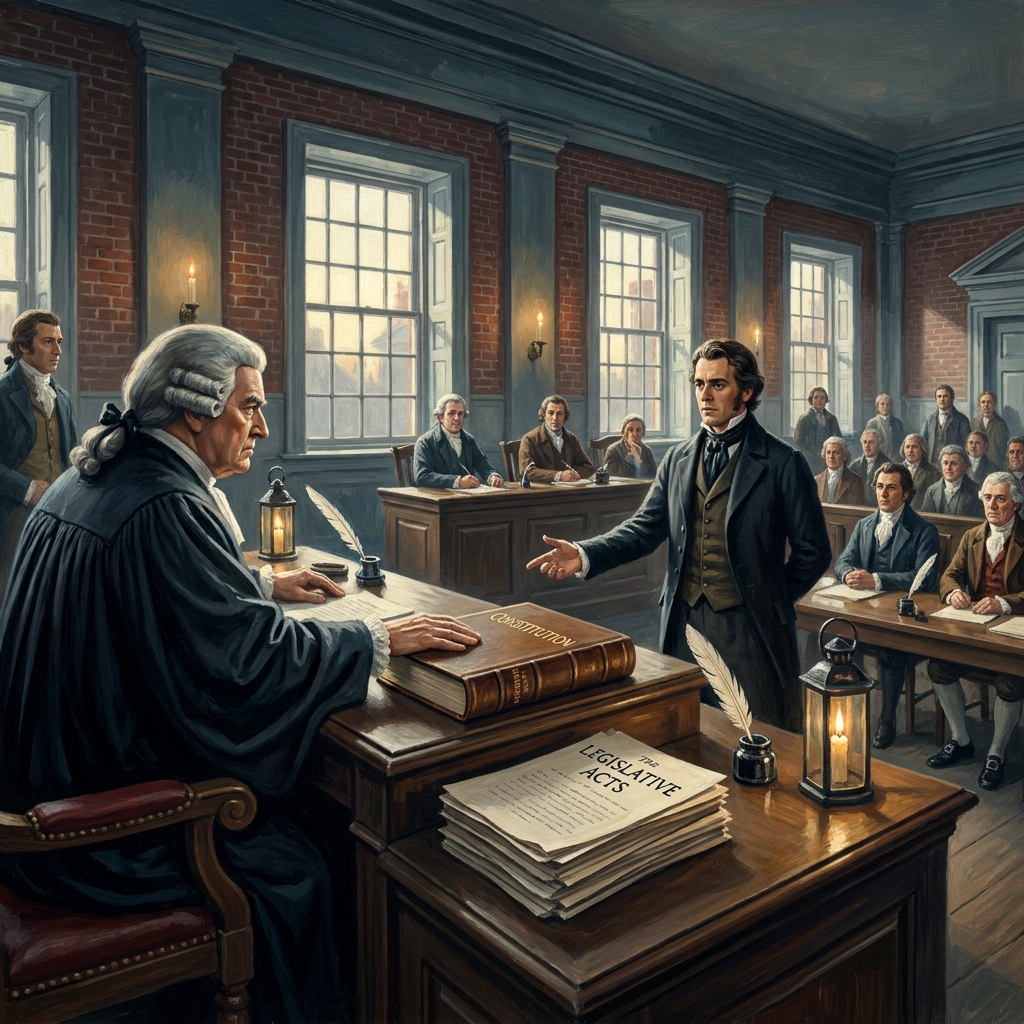
Interpreting the Constitution: Judicial Power and Federal Supremacy, Examines judicial review and how courts interpret federal constitutional authority

Political Systems and the Quest for Democracy, Explores how different political systems approach the concept of democracy
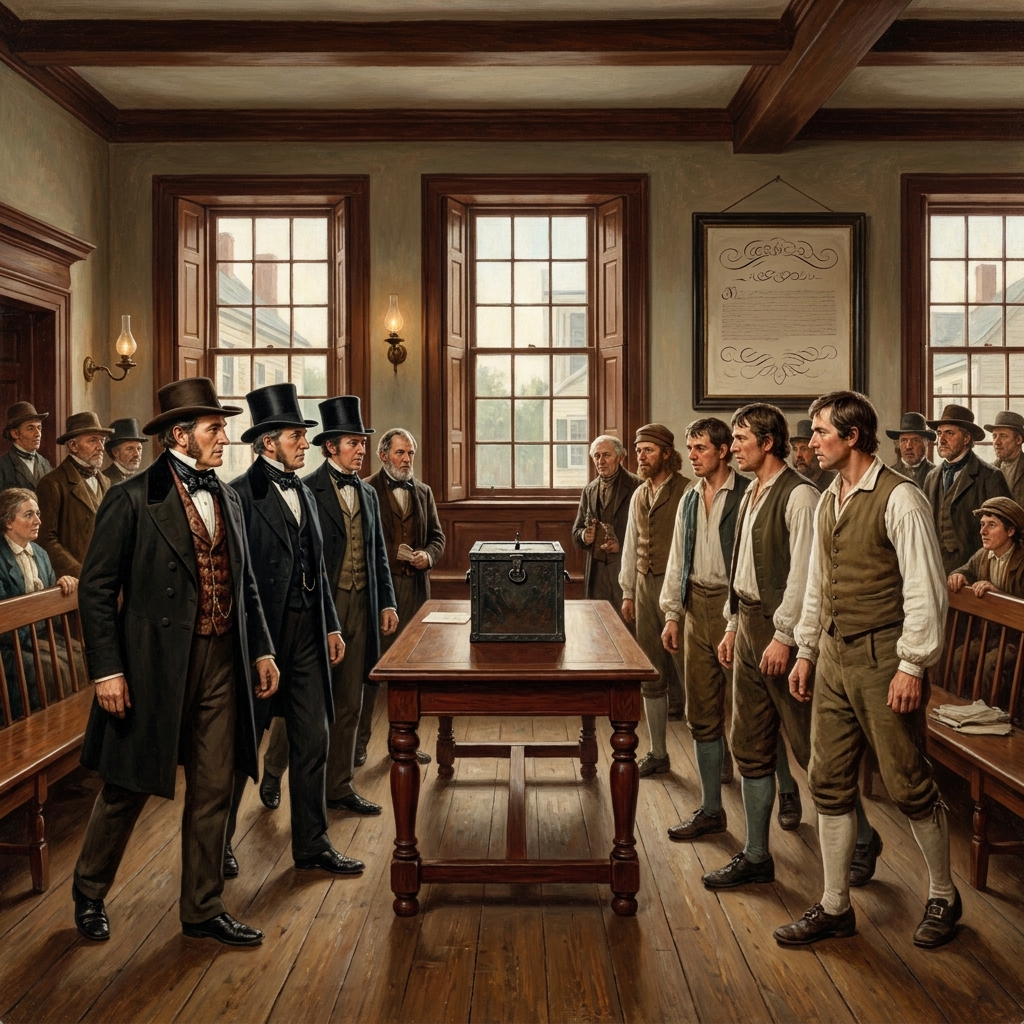
The Foundations of American Democracy, Discusses the historical and theoretical origins of our democratic system