

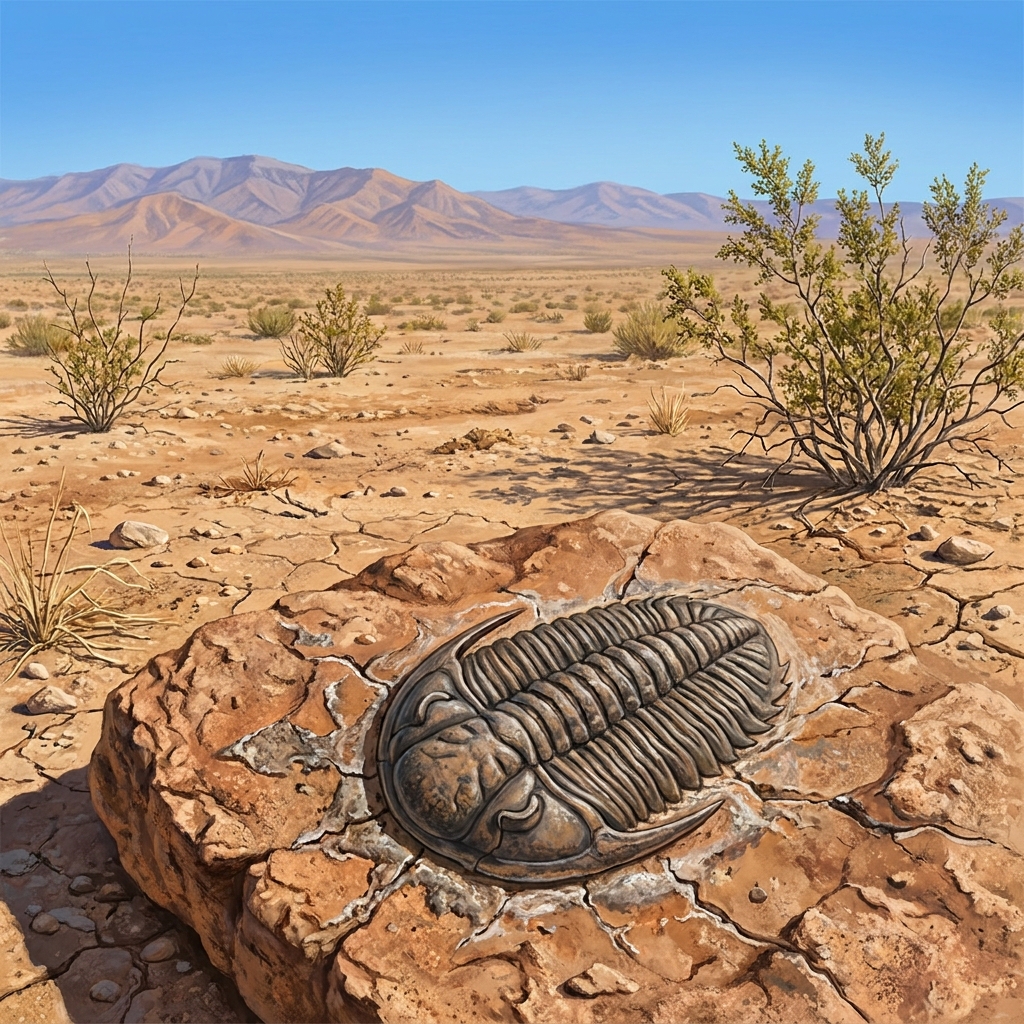
When we look at the standard for 6th grade science, we are asking students to “Analyze and interpret data for patterns in the fossil record that document the existence, diversity, extinction, and change of life forms throughout the history of life on Earth under the assumption that natural laws operate today as in the past.” That is a heavy requirement for an eleven-year-old, but Reading the History of Life in Rocks provides the concrete data they need to handle it. It is a solid choice for a whole-class assignment or for a student who missed the week of instruction and needs to catch up on biological evolution.
Students start by comparing modern beach shells to the layers of sedimentary rock where fossils form. The lesson explains that sedimentary rock is a type of rock formed from layers of sand, mud, and pebbles that settle over time. Once students grasp that concept, they move into the Mojave Desert example. They look at data showing how trilobite fossils provide proof that the desert was once an ocean. It is a simple, effective way to get them thinking about how life changes when an environment shifts. By starting with these relatable comparisons, students build the foundational thinking skills required to analyze the more complex data tables they will encounter later in the unit.
What the lesson actually asks students to do
This fossil record science lesson focuses on the interpretation of patterns. After establishing the definitions for the fossil record, extinction, and sedimentary rock, the lesson pushes students to apply their knowledge. They must use these patterns to explain how life on Earth has changed over time. This approach aligns with the expectations of CA.MS-LS4-1, which is the California-adopted standard for this topic. The lesson materials provide specific data sets for students to analyze, moving them beyond simple memorization of vocabulary to the actual application of scientific data.

You will find that teachers in districts like Sweetwater Union High School District, Escondido Union School District, Newman-Crows Landing Unified, and Rescue Union Elementary School District all use this same standard to help students understand how scientists use past evidence to model future changes. California teaches middle school science using an integrated model that weaves physical, life, and Earth sciences together rather than as separate disciplines. Standards are contextualized with California phenomena including seismic activity, diverse ecosystems, water systems, and energy policy per the CA NGSS Framework. Because students learn to see science as a single, connected field of study, analyzing sedimentary rock layers becomes an exercise in Earth science that directly informs their understanding of biology and the history of life forms.
Where students slip
The guided practice is where you will see which students are truly tracking the data. The activity presents a table showing plant species diversity before and after a volcanic eruption. Students see a drop from ten species down to two. While the math is simple, the reasoning is where they struggle. I often see students struggle to link that loss of species to the extinction definition provided in the text. They want to assume the plants moved, but the data is meant to show the permanent disappearance of those species. Correcting this misconception requires reviewing the data tables carefully and reminding students that extinction means the total loss of a species across the entire fossil record, not just a migration of life to a different area.
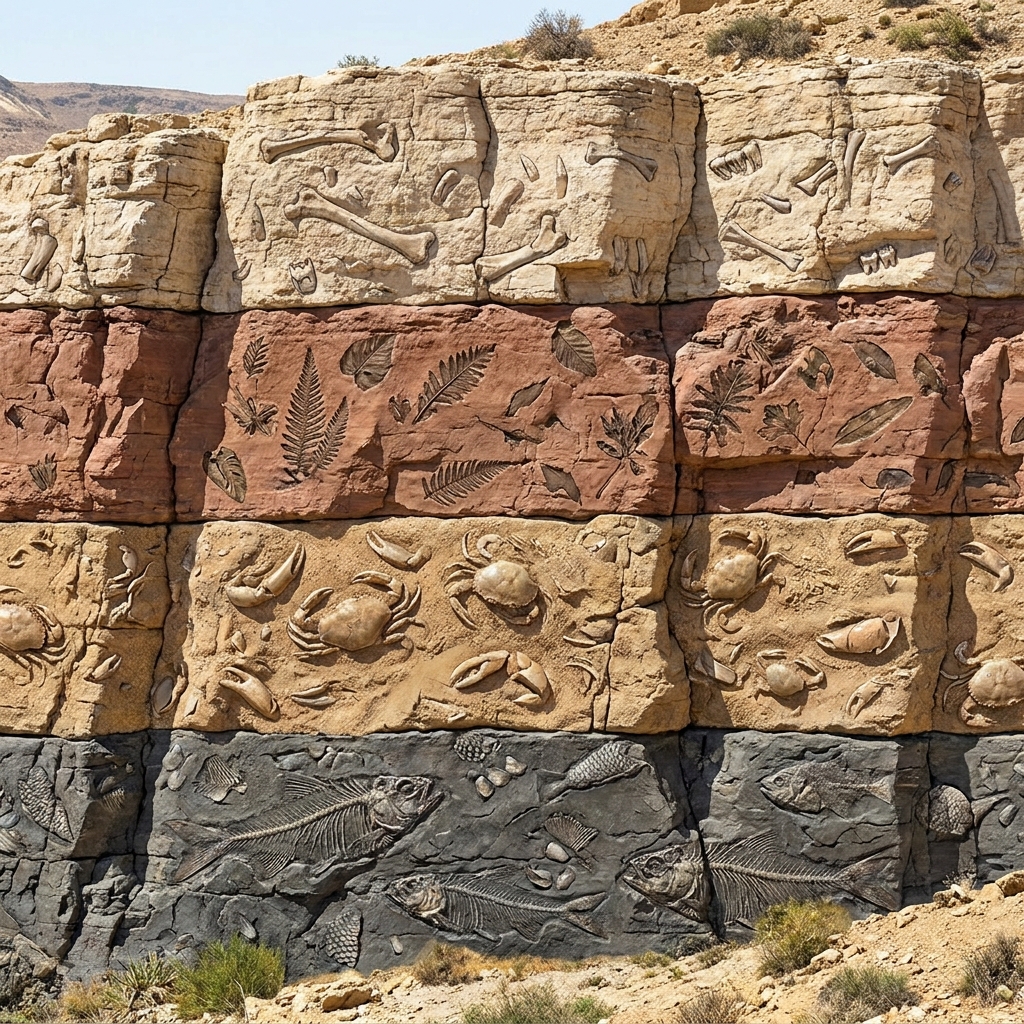
If you have an independent study student or someone needing intervention, this is a clear, self-contained way to work through the logic of environmental change. Remind them that understanding the fossil record is not just about the past. It matters because it helps us see how life has responded to changes in the past, giving scientists a better way to predict how modern climate change might affect biodiversity today. When students connect the Mojave Desert trilobite data or the volcanic eruption activity to the wider concept of environmental shifts, they demonstrate that they can use the fossil record to build models of how Earth systems have operated over millions of years. This logical progression from concrete sedimentary rock examples to complex data interpretation prepares them for the next stages of scientific study.
Related lessons
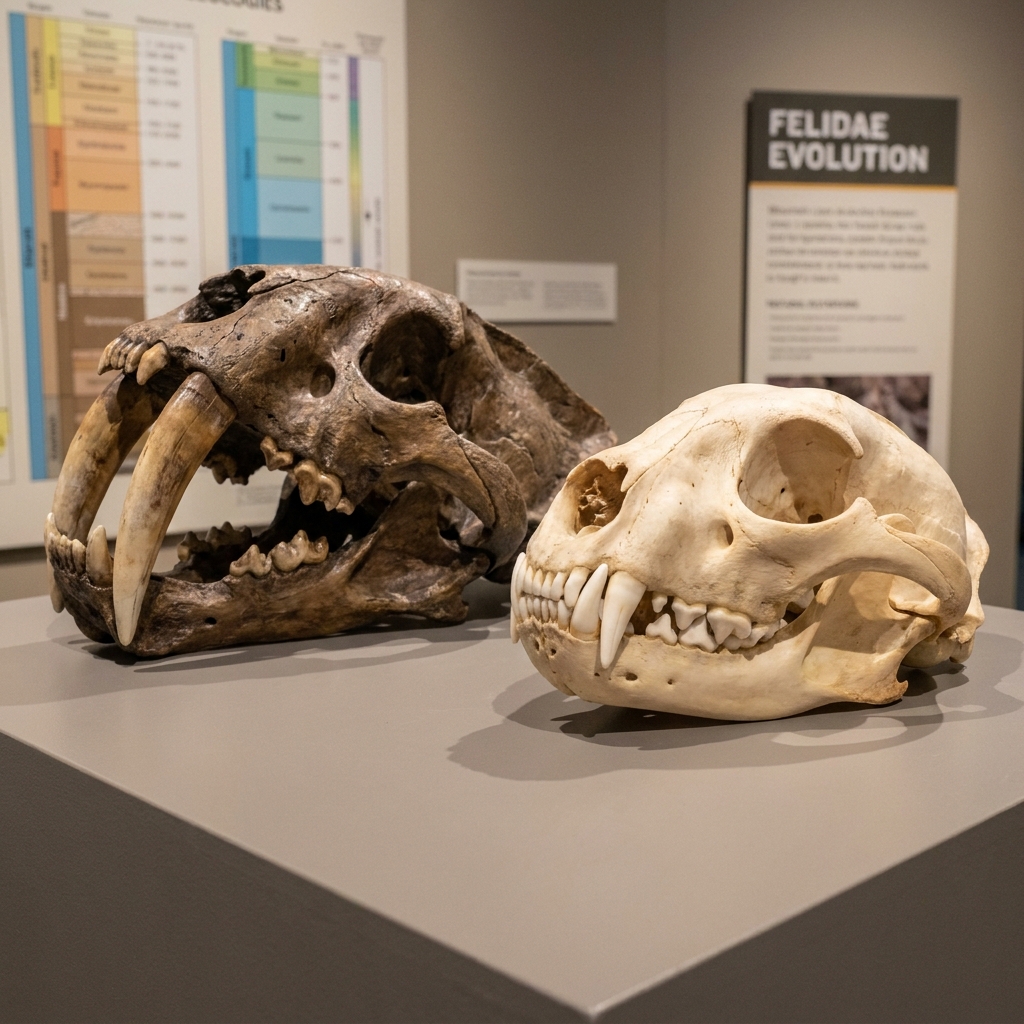
Comparing Anatomy to Understand Evolution, explores structural similarities across different species to track evolutionary history
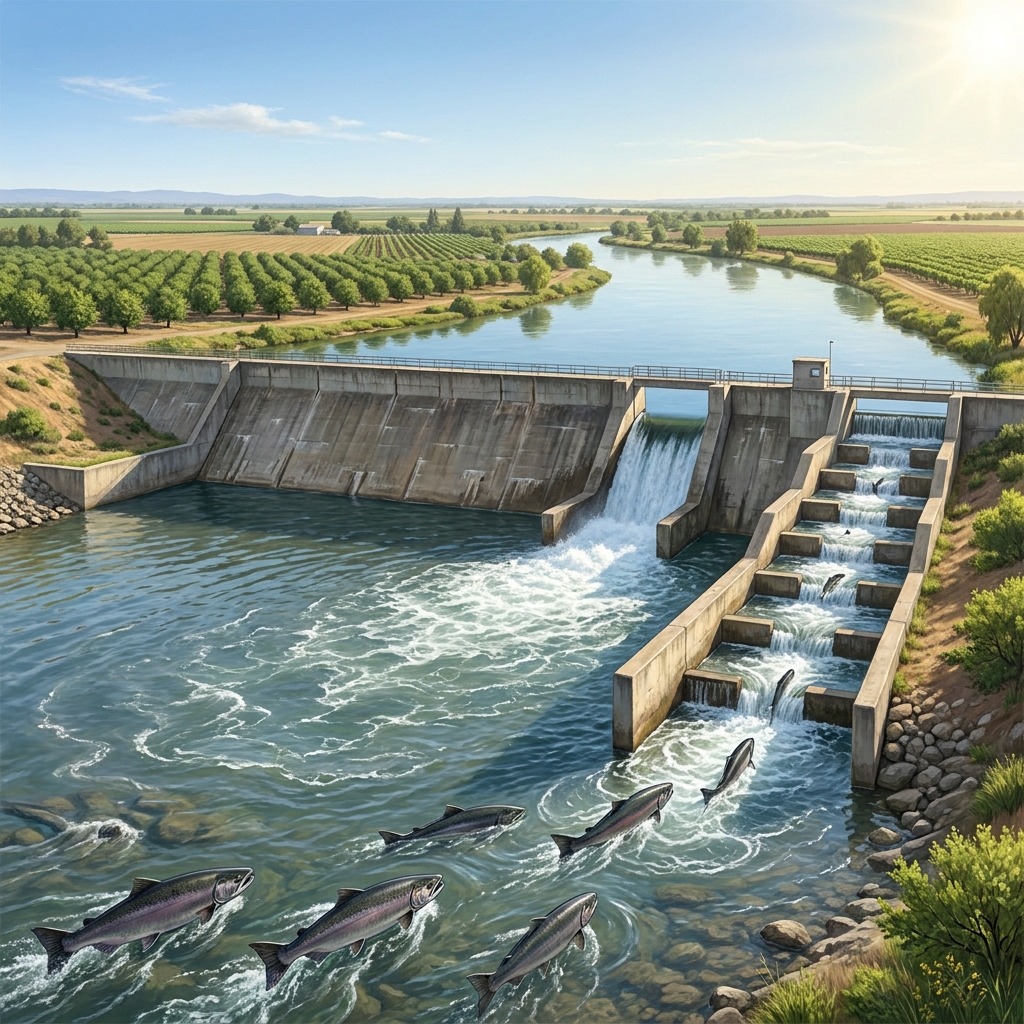
Managing California's Natural Resources, addresses the sustainable use of resources within diverse California ecosystems
How Ecosystems Change, examines environmental factors that shift population dynamics and biodiversity levels