

Near the middle of the school year, the science curriculum often feels like it is moving at triple speed.
When you reach the heredity unit in 6th grade science, you might find yourself pressed for time as you balance lecture notes, lab materials, and the inevitable group of students who need to catch up on missed material. A self-contained digital tool like How Genetic Mutations Change Organisms provides exactly the kind of structured support you need when the calendar starts to squeeze your timeline. This lesson is perfect for a whole-class assignment, an intervention session, or even a substitute day when you need the class to remain on track with core biological concepts.
What the lesson actually asks students to do
The lesson approaches the complex topic of genetic mutation by using a relatable analogy. It frames a gene as a set of instructions, acting like a recipe card used to bake a cake. Students learn that just as a single typo on a recipe card ruins the final dish, a change in the genetic instructions alters the protein it produces. This foundation leads into the vocabulary that students must master: DNA, which is the molecule that carries genetic instructions; a gene, which is the specific section of DNA containing instructions for a protein; a mutation, which is a change in that DNA sequence; and a protein, which is the large molecule performing the actual work inside the organism.

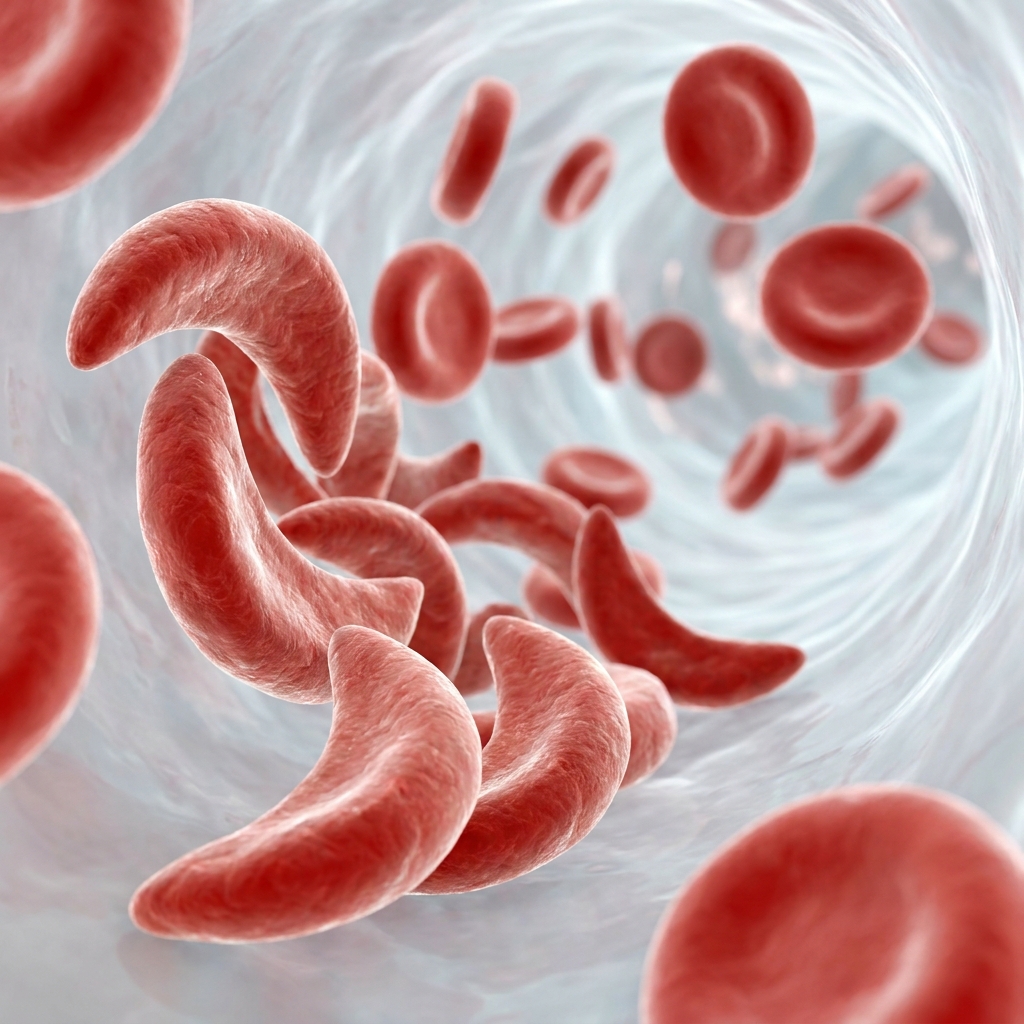
The lesson uses the example of sickle cell trait to show how a specific mutation alters the instructions for building hemoglobin, which in turn prevents red blood cells from doing their normal job. Following that, students use a 6th grade genetic mutation science lesson to apply their understanding to a phenomenon involving bird species on the California coast. These birds must adapt to shifting water levels and food sources, allowing students to see how a mutation can actually result in harmful, beneficial, or neutral effects for survival. It is an excellent way to bridge the gap between abstract molecular biology and observable traits in nature.
Understanding the state standard
This material is designed to satisfy the California-adopted standard CA.MS-LS3-1, which requires that students develop and use a model to explain why structural changes to genes located on chromosomes affect proteins and eventually change an organism’s function. The standard asks students to recognize that these mutations can be beneficial, harmful, or neutral, rather than assuming all genetic changes are detrimental. Because California teaches middle school science using an integrated model that weaves physical, life, and Earth sciences together, educators in Montebello Unified, Los Angeles Unified, Bonsall Unified, and Antioch Unified all teach this same standard as part of their broader life science context.
The standard is not just about memorizing definitions. It requires students to think critically about how microscopic changes at the DNA level ripple upward to impact the way a whole organism interacts with its environment. I find that middle schoolers often struggle with the idea that a mutation could be neutral. This lesson helps clear that up by showing that not every change to a protein sequence will fundamentally break the way an organism functions. When you assign this, pay attention to the guided practice section regarding the coastal birds. It forces the students to move beyond the recipe analogy and apply the concept to a real-world, localized environmental pressure. It is a great exercise for students who need extra practice with scientific modeling and causality before the summative assessment.
If you have students who were absent during the lecture on chromosomes or protein synthesis, have them log in to this lesson. It is clear enough to stand alone for an independent study day or attendance recovery, yet it provides enough depth that you will not feel like you are sacrificing rigor for the sake of accessibility. It hits the necessary vocabulary without drowning the student in jargon, which is a common pitfall in textbook chapters covering heredity.
Related lessons
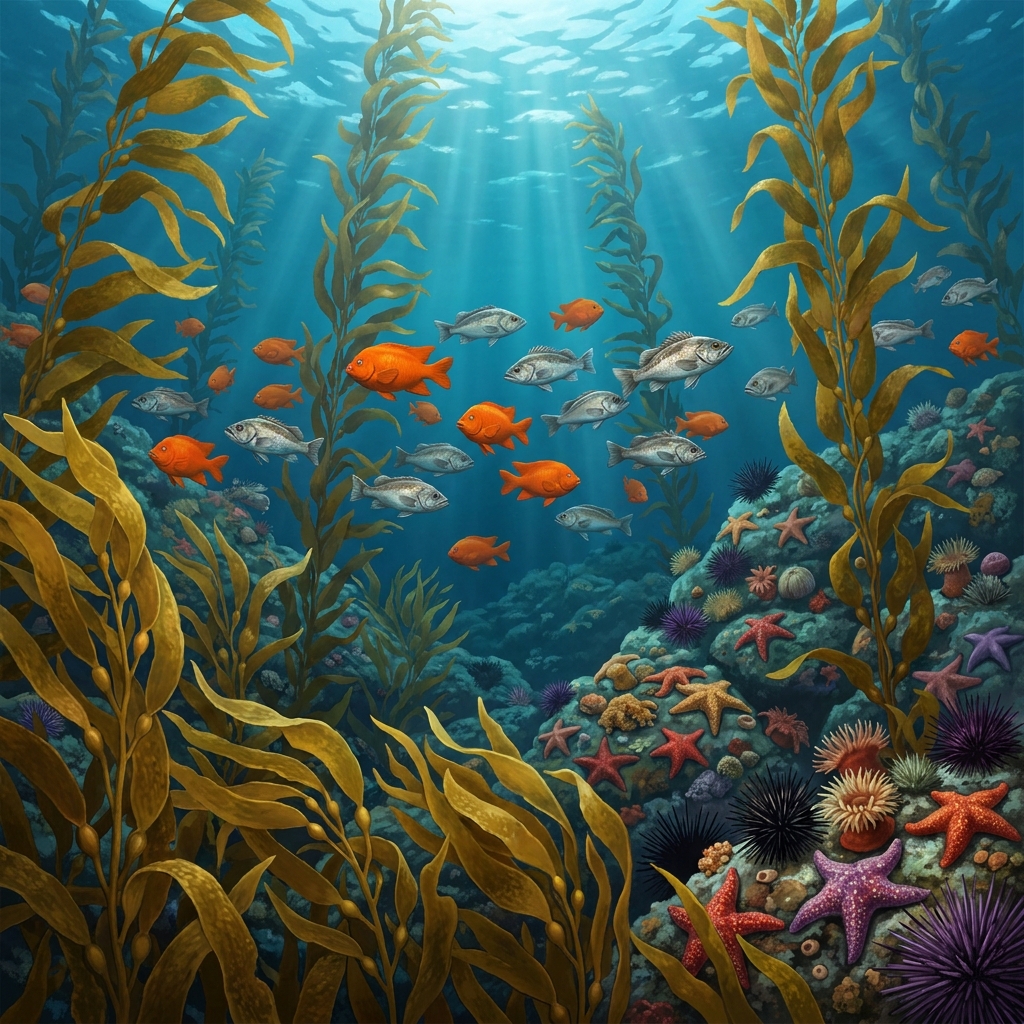
Protecting Our Wild World, Lessons on conservation and environmental protection strategies
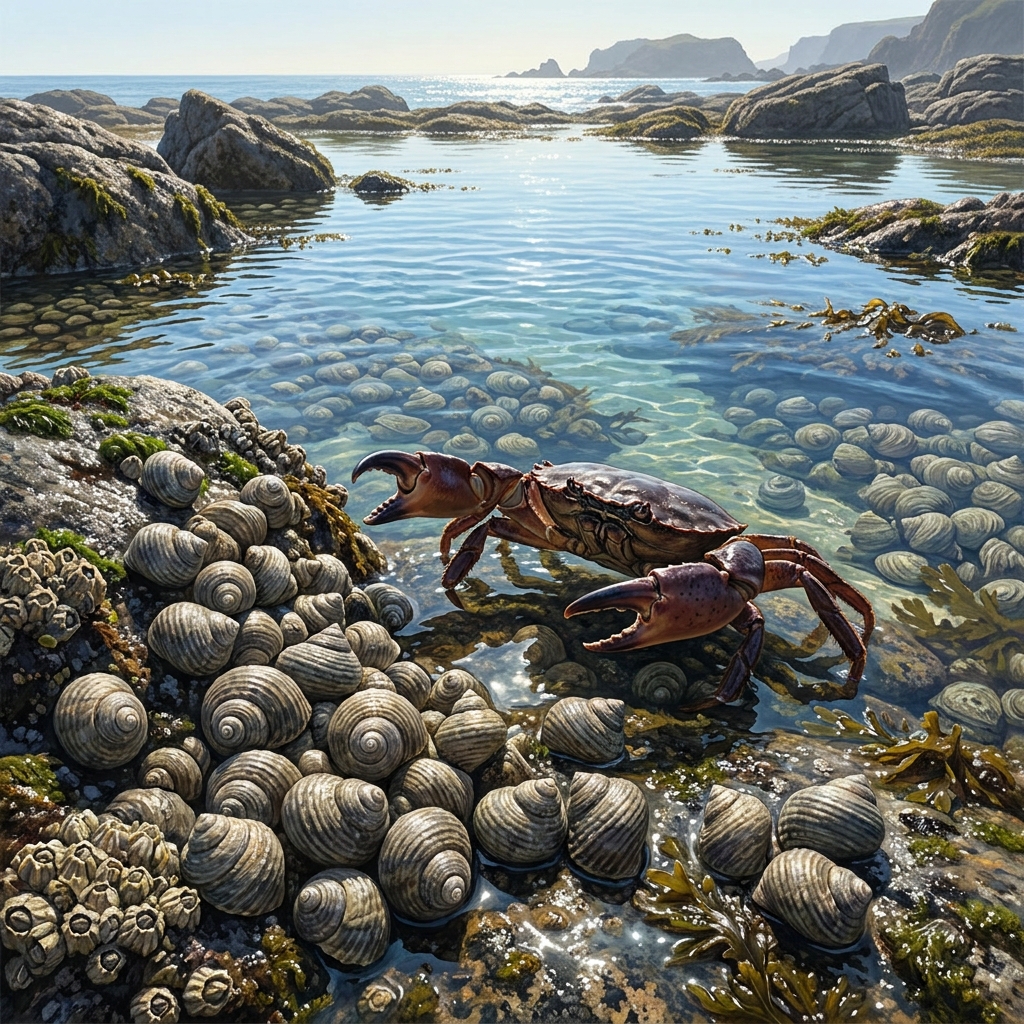
Natural Selection and Trait Changes, Explains how environmental pressure influences species traits
How Your Brain Processes the World, Details the neurological pathways used for sensory processing