

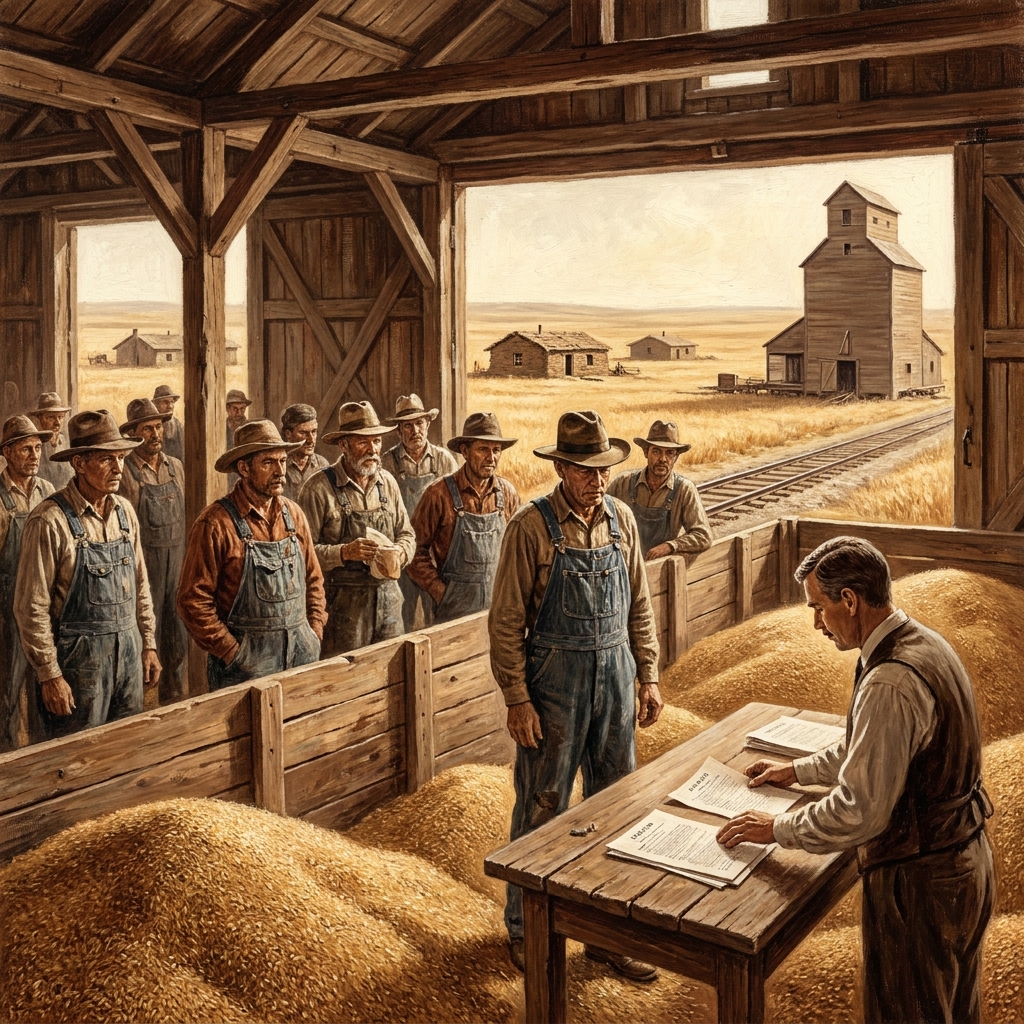
The Populist Party emerged as a significant force during the Gilded Age, representing the frustrations of farmers struggling against systemic economic challenges. This high school lesson provides the framework for students to investigate the agrarian protests of that era and understand the political programs that shaped the movement. By focusing on the tangible economic realities faced by farmers, the material helps students connect historical policy to real-world impact. This resource aligns with California HSS-11.2.8 standards and is designed to bring depth to the study of 19th-century history.
When the math of farming stops making sense
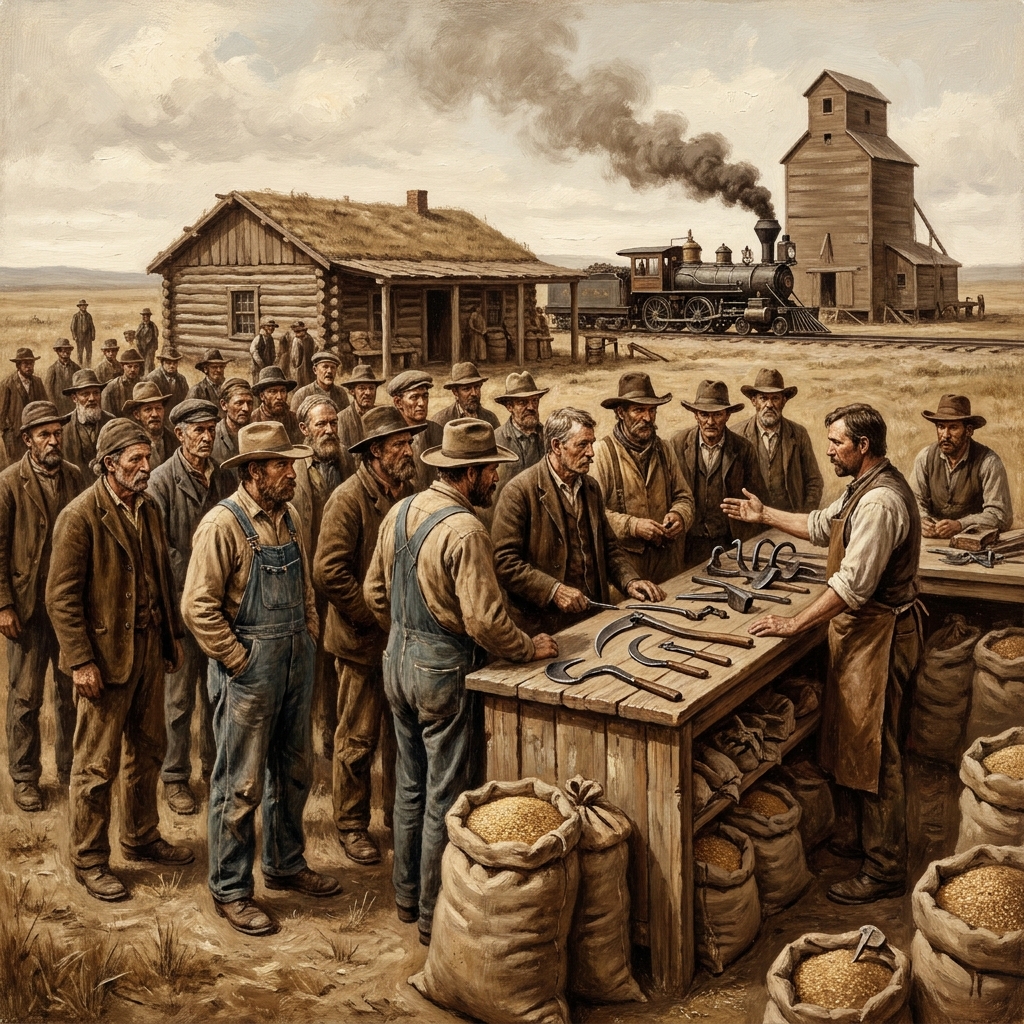
A farmer in the late 19th century owing 500 dollars in debt while watching local railroad shipping rates climb by 20 percent is a scenario that tends to baffle modern students. They look at these numbers and see individual failure rather than a systemic crisis. This is where most students take a wrong turn, assuming that farming in the American West was just a risky business rather than a sector being squeezed by industrial monopolies. This high school social studies lesson, The Populist Party and the Agrarian Crisis, works well because it forces students to look at the math behind the movement.
How this lesson builds economic context
The lesson covers the rise of the Populist Party as a direct response to the economic strains of the Gilded Age. It defines the term agrarian as related to farming or the cultivation of land, and uses the Gilded Age as the backdrop of rapid industrial growth and wealth inequality. The objective is to have students analyze how the party used organized protest and political programs to address the challenges facing American farmers. Whether you are teaching at San Juan Unified, West Contra Costa Unified, Placentia-Yorba Linda Unified, or Yosemite Unified, you will find that the core struggle remains the same across the state.
Students work through specific mechanisms of protest, such as the Subtreasury Plan, which proposed government-built warehouses for grain storage combined with low-interest loans. It is a concrete way to explain how farmers tried to bypass private banks. When you search for an agrarian protest lesson for high school, this material stands out because it moves beyond vague definitions and requires students to evaluate the effectiveness of these specific policy proposals. By identifying the Populist Party as a political entity representing farmers against railroad monopolies, students start to see the organized nature of the movement.
Addressing the standard directly
This lesson is built to address CA.HSS-11.2.8. This California-adopted standard asks that students examine the effect of political programs and activities of Populists. It is a vital part of understanding the era’s broader economic shifts, especially since it sits within a cluster of standards that analyze the relationship between industrialization, rural-to-urban migration, and immigration from Southern and Eastern Europe. The lesson manages to keep this scope narrow enough for a 45-minute block while maintaining the historical complexity required for 11th-grade history.
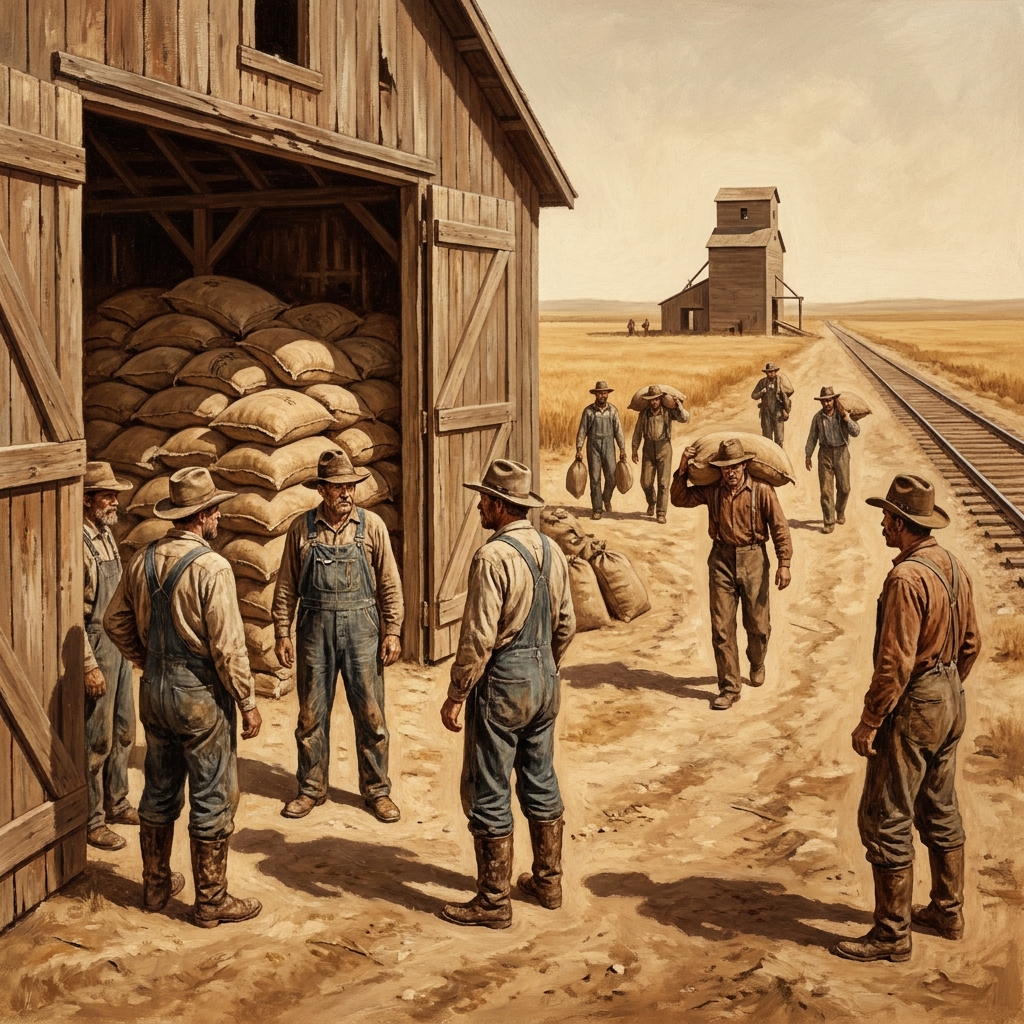
The guided practice is particularly effective for students who struggle with abstract political concepts. Students are asked to look at how organizers used town rallies and pamphlets to inform local voters about the dangers of railroad monopolies. Seeing the pamphlet as a piece of political technology helps bridge the gap between their lives and the late 19th century. One limitation I often notice is that students want to jump straight to the national election results, but this lesson pulls them back to the local, economic root of the grievances, which is exactly where they need to spend their time.
Fitting the lesson into your schedule
This resource is flexible enough for a few different needs. If you are preparing for a day when you have a substitute, the guided practice is straightforward enough for students to complete with minimal confusion. It also functions as a solid intervention for a student who missed the week of lecture and needs a focused look at the agrarian movement. For those on independent study contracts, the reading is clear and the exercises are self-contained, meaning you do not have to provide a massive pile of supplemental documents to explain the era.
The final section of the lesson connects the past to the present by asking students to consider how contemporary movements for fair wages and environmental regulations mirror the spirit of the Populists. It is a good way to close the discussion, as it shifts the focus to the importance of being an informed voter in our own time. When students can trace the arc of economic frustration from the 1890s to the current day, the history feels less like a static list of dates and more like a live, ongoing process of civic participation.
Related lessons
Industrial Growth and US Geography, Explores how industrial expansion reshaped the American physical and economic landscape
The Open Door Policy and American Foreign Relations, Analyzes the trade policies influencing early twentieth century American foreign relations
Securing Rights: The Evolution of Federal Authority in the 20th Century, Traces the development of federal power and protections over the century