

If you teach tenth grade world history, you know the challenge of keeping students connected to the shifting political shifts of the twentieth century. Teachers across the Oxnard Union High School District, Chaffey Joint Union High School District, Oak Park Unified, and Centinela Valley Union High School District work with the same standards to help their students make sense of how modern nations were forged. If you need a solid resource for your unit on colonial struggles, The Winds of Change: Revolution and Ideology in the Modern World offers a practical way to manage this content in a single period.
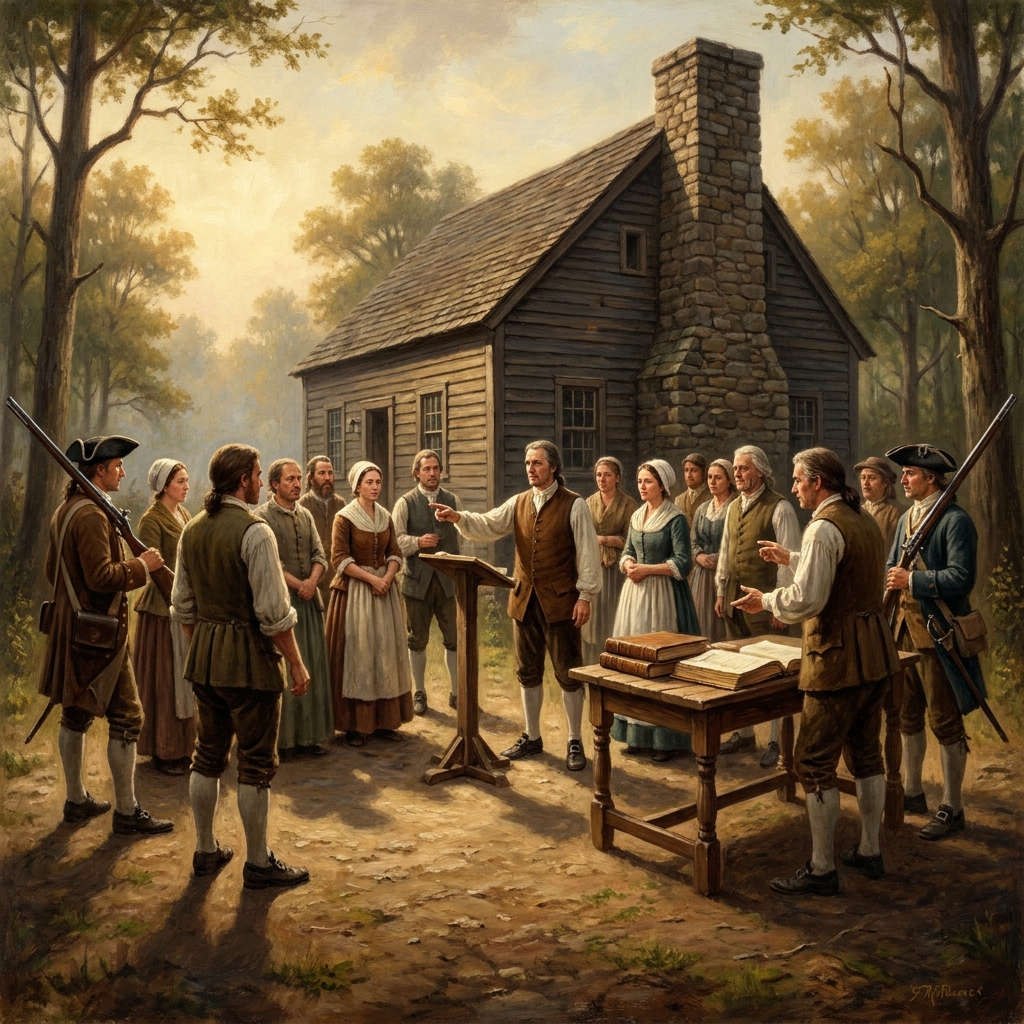
This material covers the rise of revolutionary independence movements by focusing on how leaders and new ideas broke the grip of colonial rule. The lesson is designed for a 45-minute window, making it a reliable pick for a whole-class assignment or a substitute day when you need students to keep moving through the curriculum without skipping a beat. It frames the struggle for autonomy as a logical progression from earlier global events, using the American Revolution as a starting point to illustrate the goal of sovereignty, which is the authority of a state to govern itself without external interference.
What the lesson asks students to do
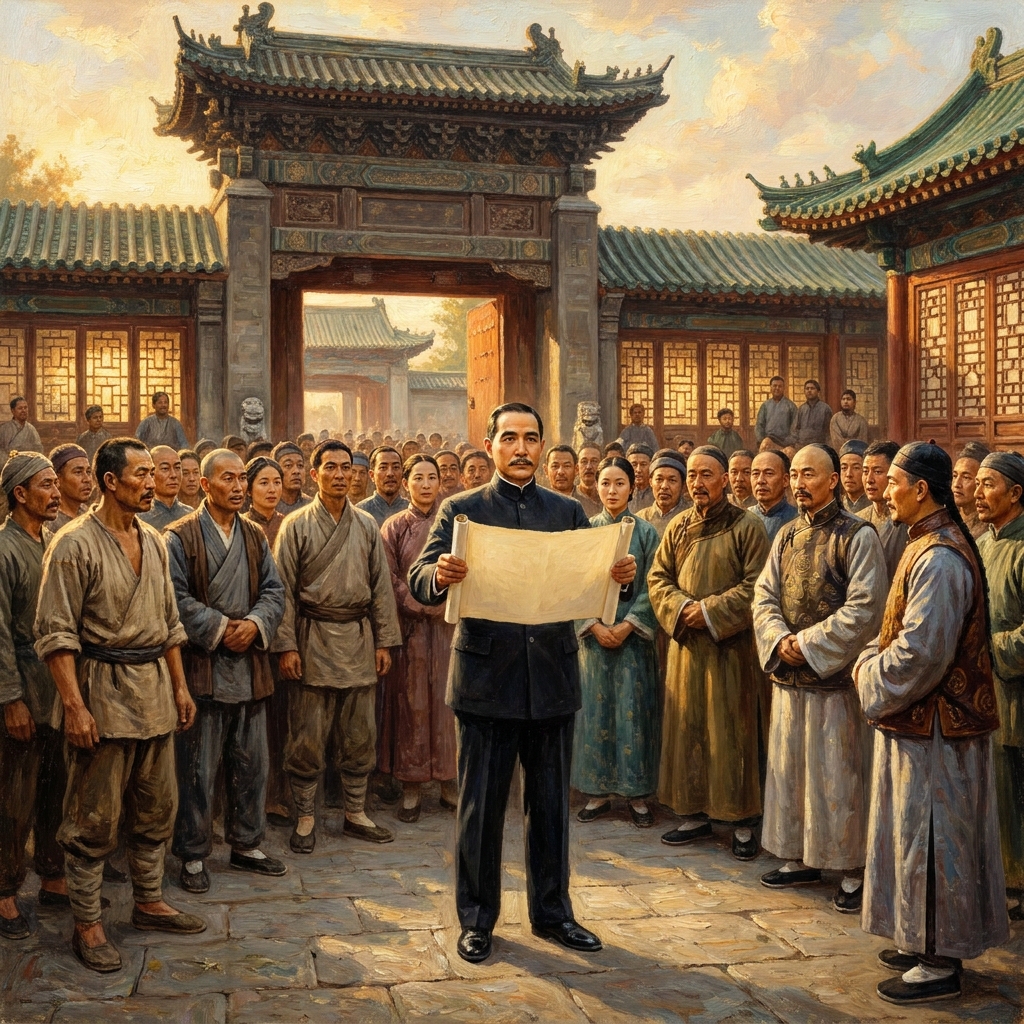
Students begin by considering the American Revolution as a foundational model for modern self-determination. They work through the concept of sovereignty before examining the case of Sun Yat-sen. The lesson highlights how he developed the Three Principles of the People: nationalism, democracy, and the people’s livelihood. Students see how he promoted these ideas to unify diverse groups against the Qing Dynasty, showing that political change requires more than just military force, it requires a shared identity. When you assign this high school modern world history lesson, you are giving students a clear framework to analyze how revolutionary leaders like Sun Yat-sen mobilized people by defining a common history and a vision for the future.
Connecting ideology to history
The lesson asks students to define three terms that are essential for any tenth grader to understand: sovereignty, nationalism, and ideology. Defining ideology as a system of ideas that forms the basis of political policy helps students realize that political movements are not random occurrences. They are built on intentional belief systems. The material points out that understanding these beliefs is necessary for every citizen, as it allows us to analyze how people mobilize for change in our own time. This is a great chance to push your students to think about how propaganda or political messaging functions in the news they see today. I find that when students can link the Three Principles of the People to modern political slogans, the abstract nature of ideology becomes much clearer.
Where students slip
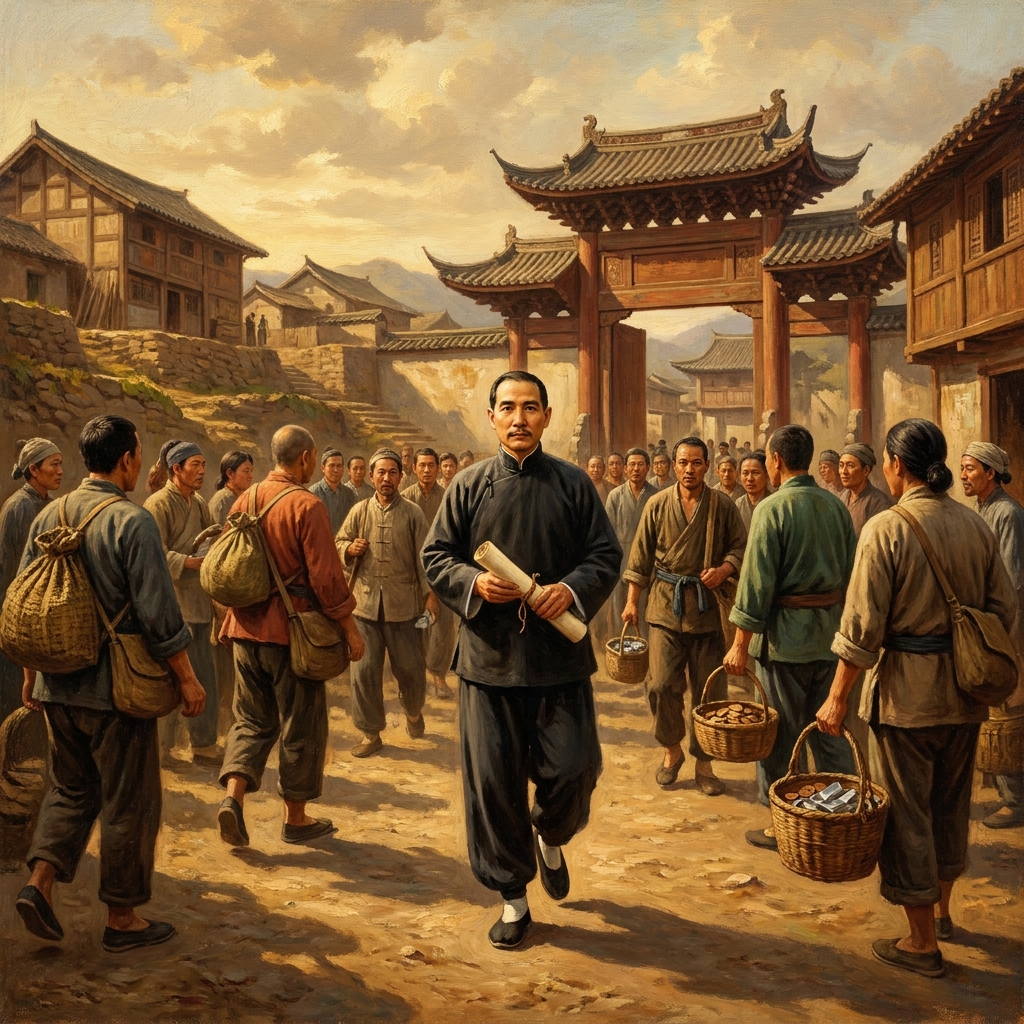
The biggest hurdle for students is usually the concept of nationalism. It is easy for them to view it as a synonym for patriotism, but this lesson pushes them to see it as a specific tool used to unite groups with a common language and culture against external powers. Watch for students who simplify the struggle for independence as just a series of battles. Remind them to look at the leadership strategies mentioned in the guided practice. Sun Yat-sen knew he could not succeed alone, and he focused on building a coalition. If a student misses this point, they miss the heart of the lesson. You can guide them by asking why he chose to emphasize a common national identity rather than just highlighting the failings of the existing government.
Fitting this into your week
This lesson maps directly to CA.HSS-10.4.4, the California-adopted standard that asks students to describe the independence struggles of colonized regions, including the roles of leaders like Sun Yat-sen and the influence of ideology. The standard falls under the cluster for tenth grade world history that looks at global change during the era of New Imperialism. Because it is self-contained, this resource works well for an independent study module or as a way for a student who missed the week to catch up on the core ideas of the unit. It does not try to cover everything about the twentieth century, and that is its strength. It focuses on the mechanics of revolutionary change, which gives your students a lens they can apply to other regions throughout the rest of the term.
Related lessons
Global Alliances and the Modern World, Covers formation of international treaties and global political cooperation
The Collapse of Trust: Post-WWI Europe and the Rise of Totalitarianism, Examines political instability and authoritarian movements in twentieth century Europe
Enlightenment Ideas and Democratic Revolutions, Analyzes how intellectual movements sparked major political upheavals globally