

Second graders are usually pretty good at decoding sentences, but informational text demands a different kind of visual scanning.
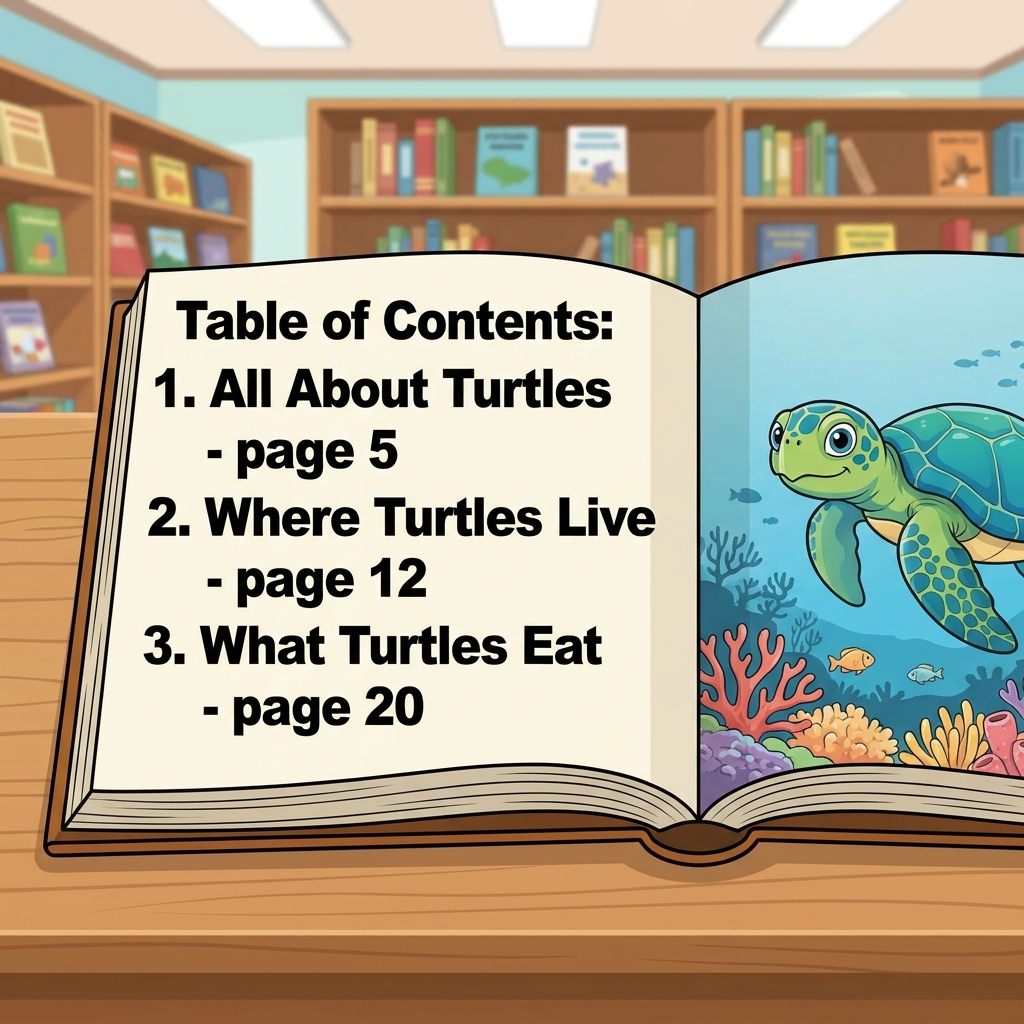
When I taught 2nd grade English Language Arts, I found that students often tried to read every single word on a science page just to find one answer. It is a slow, exhausting way to read. The lesson Finding Facts with Text Features helps them break that habit. Instead of reading front to back, it trains them to use the structural cues that authors and designers include to make a page readable. This material introduces the idea that a book has special parts designed to help us hunt for specific facts, whether we are looking at bold print, subheadings, or the glossary at the back.
How this lesson builds reading speed
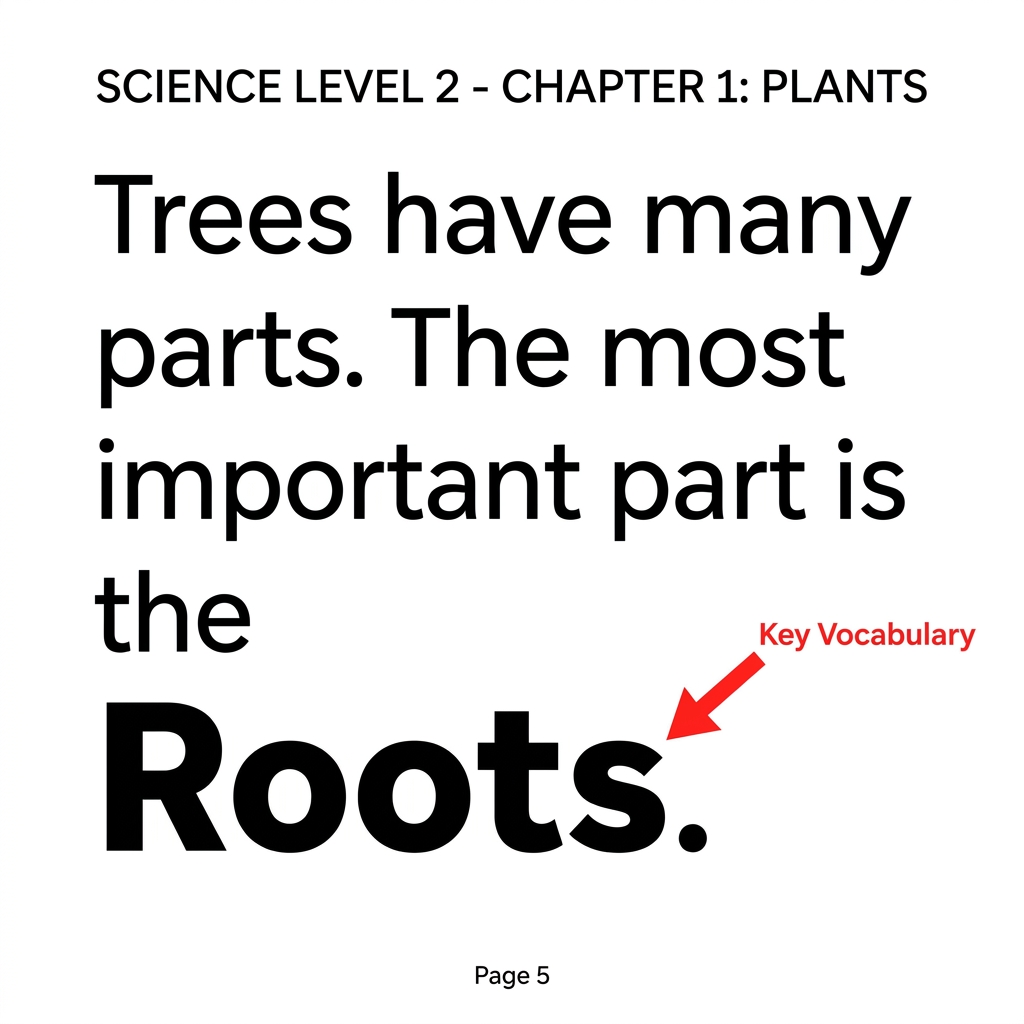
The core of this second grade shared research writing lesson is showing students that informational text is meant to be scanned for meaning, not just decoded. The lesson explains that bold print acts as a visual shortcut: it makes a word stand out so the reader spots it immediately. For example, it uses a science book scenario about trees where the word ‘Roots’ is in bold, signaling that this is a key term the reader needs to focus on. It also defines a subheading as a small title that tells the reader what that specific section is about. By the time students reach the guided practice, they are working with a glossary to define new science vocabulary. It is a practical 45-minute shift in how they look at a page.
This is the same skill being taught to students in Clovis Unified, Twin Rivers Unified, Evergreen Elementary School District, and Val Verde Unified. These districts know that being a flexible reader requires knowing how to jump around the page to get the information you need.
The importance of the standard
This lesson is built to address CA.ELA.RI.2.5, which is the California-adopted standard for knowing and using various text features to find key facts efficiently. The standard explicitly mentions features like captions, icons, and electronic menus as well. If a student misses this foundation now, the research tasks in third and fourth grade will feel impossible. When they get to higher grades and have to juggle five different sources to write a report, they will be left behind if they are still trying to read every word to find a single fact. You can use this material for a whole-class assignment, as a bridge for a student who missed the week, or as a quick refresher for an independent study module.
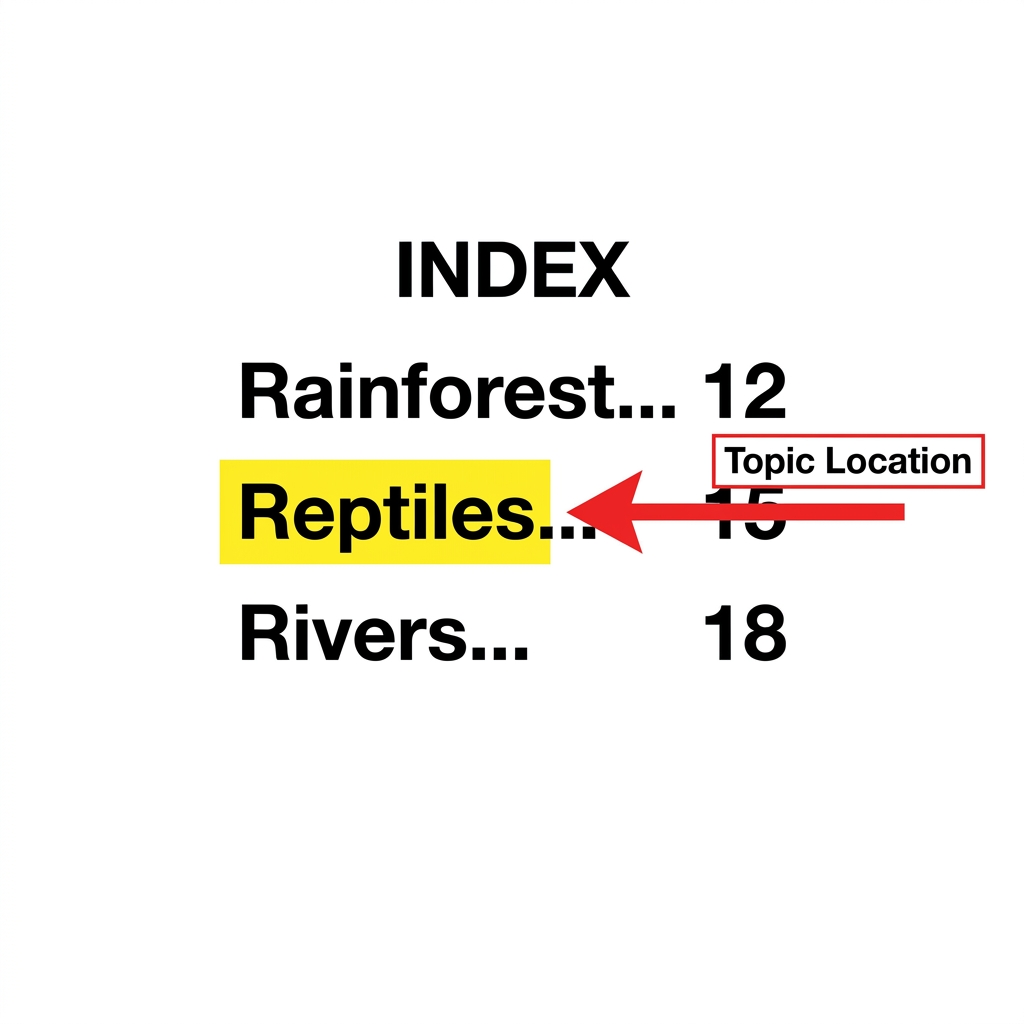
The biggest caveat here is that students sometimes get distracted by the design of a page instead of the content. They might love the pictures or the bold colors but forget to connect those features to the meaning of the text. You will likely need to sit with them and show them that a bold word is a signpost, not just decoration. Once they get that, you will see them stop trying to read the table of contents like a storybook and start using it as the map it is. It is one of those small changes that pays off throughout the entire school year.
Related lessons

Finding Reasons in Informational Text, Focuses on identifying evidence that supports points in informational writing
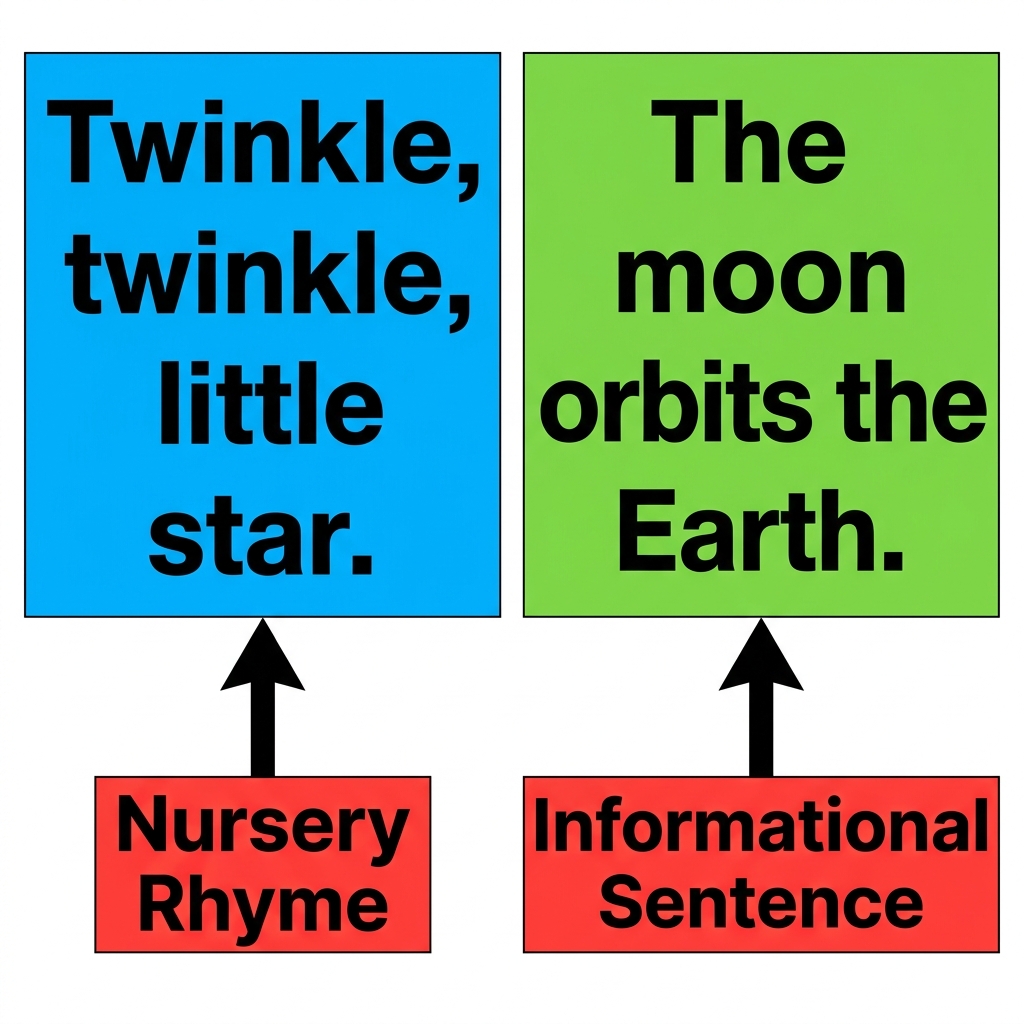
Finding the Main Idea in Informational Texts, Teaches how to identify the primary message of informational passages
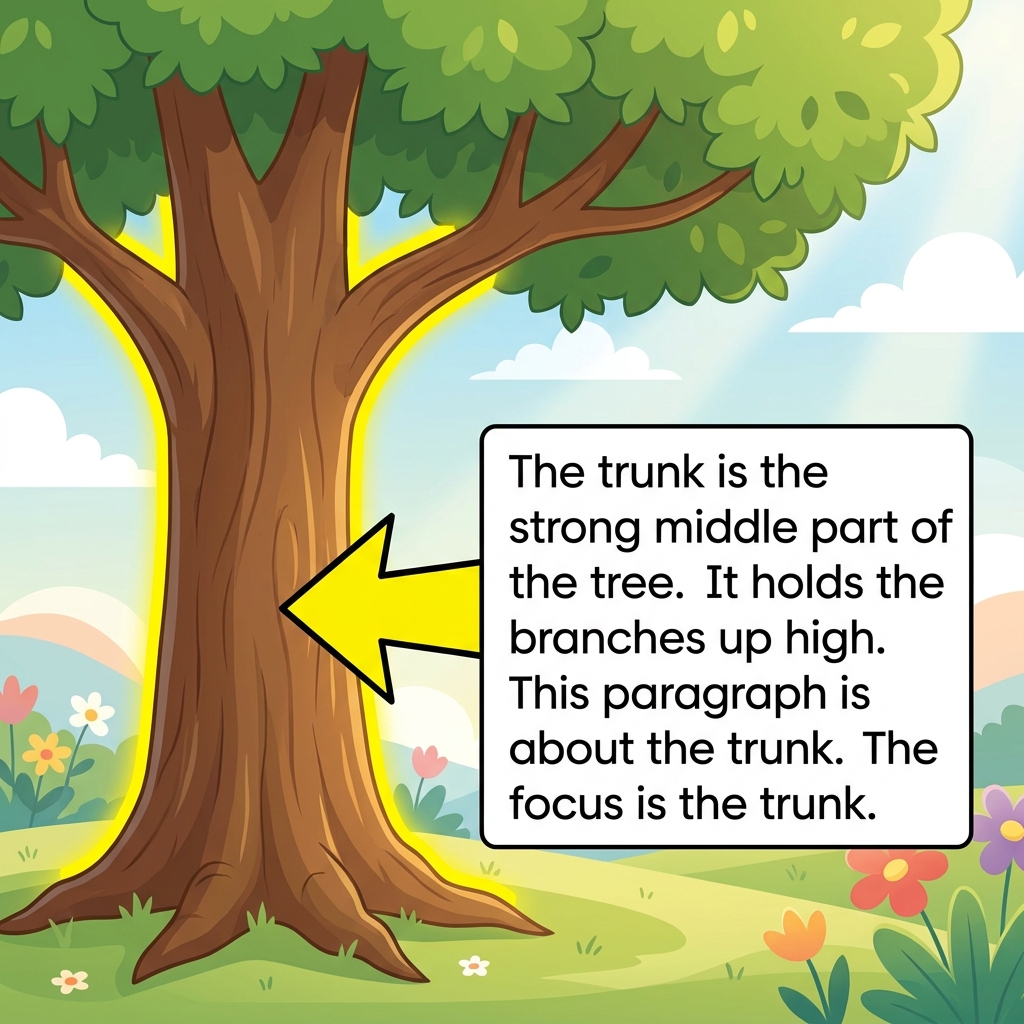
Finding the Main Topic and Paragraph Focus, Covers distinguishing main topics from specific details in informational paragraphs