

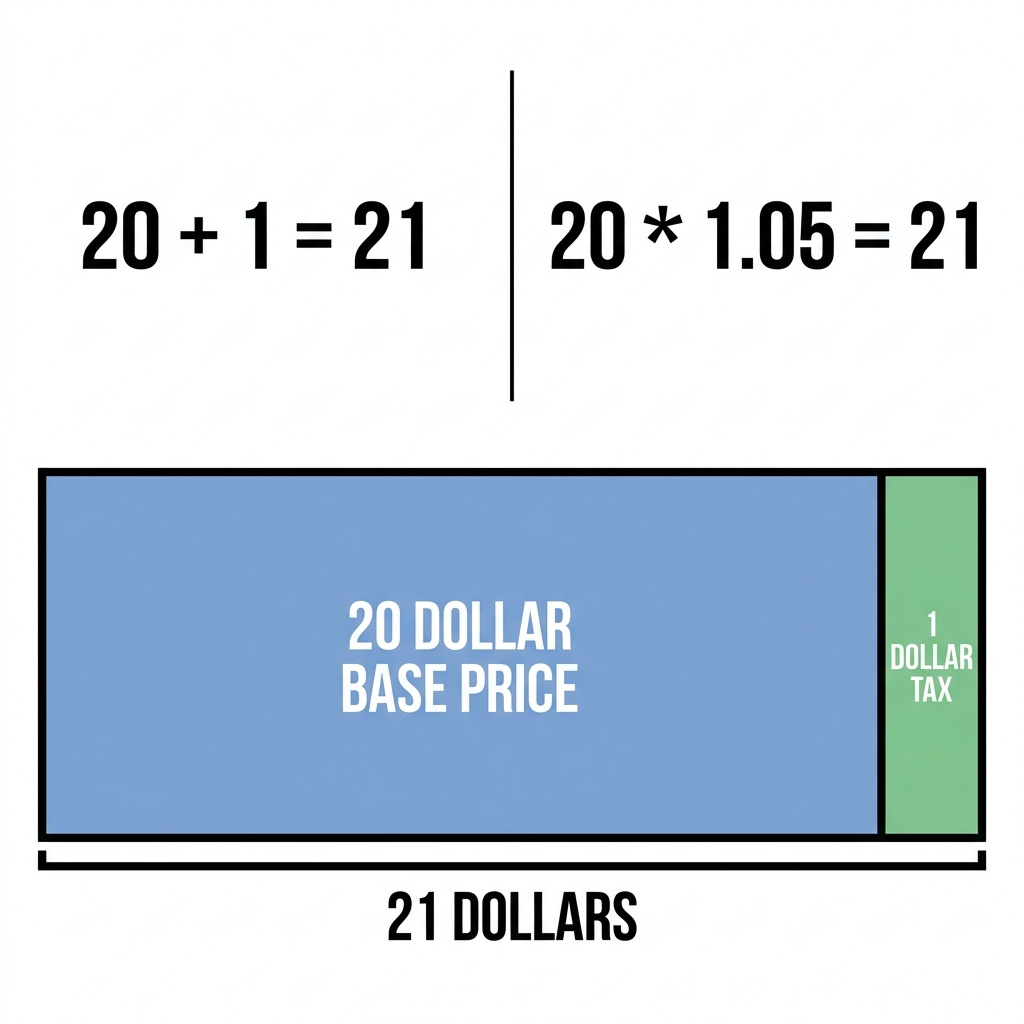
The mistake most students make with this lesson is forgetting to place the decimal point correctly after performing multiplication. They see the numbers and lose track of the magnitude, often resulting in tax amounts that cost more than the original item. When you introduce Shopping with Decimals to your fifth grade class, watch how they handle that specific step during the guided practice.
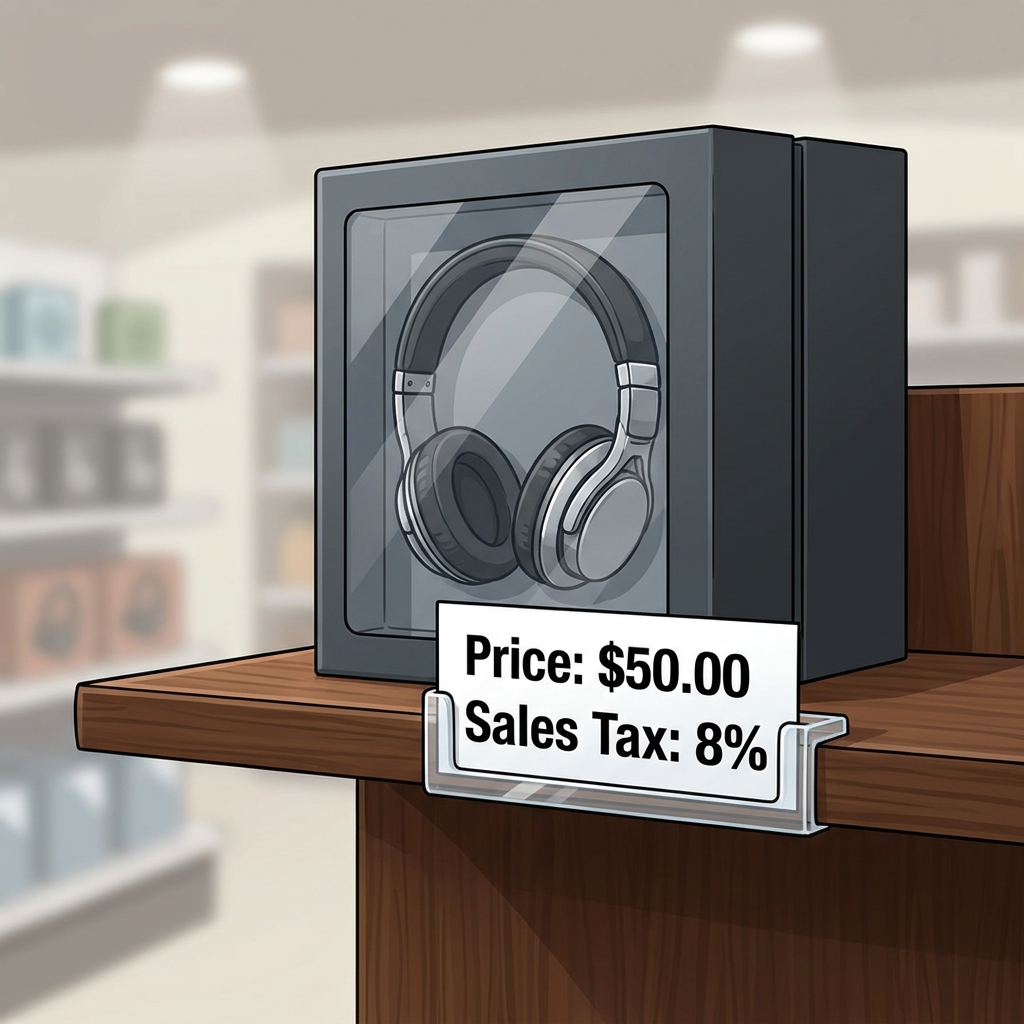
This 5th grade mathematics lesson is designed to get students comfortable with decimal operations within the context of basic consumer math. It uses scenarios like buying a toy that costs 10 dollars with 5 percent tax, requiring students to multiply 10 by 0.05 to find the extra cost of 0.50 dollars before adding it back to the total. It is a straightforward way to show how math actually functions at the register, focusing on two key terms: discount, defined as a reduction in the original price of an item, and sales tax, defined as an extra amount of money added to the purchase price of an item that is paid to the government.
The work aligns with CA.MATH.5.NBT.8. This California-adopted standard specifically asks that students apply their understanding of decimal operations to solve money-based problems, which includes computing discounts, calculating tax, and making change. It is meant to be a foundational piece of financial literacy education. Whether you are teaching in Clovis Unified, Fresno Unified, Pleasanton Unified, or Lakeside Union Elementary School District, this standard is consistent across the state as a way to link abstract arithmetic to the real-world decisions students will eventually make as consumers.
What the lesson actually asks students to do
The lesson starts by anchoring the concept in what students already know about price tags. It provides a simple prior-knowledge opener: “When we shop, we often see prices written as decimals. A decimal is a way to write numbers that are smaller than one whole, like money.” From there, the material pushes them into the calculation steps. They move through finding tax percentages and calculating final totals after discounts. It is a practical application of base ten operations, and it works as a strong tool for any student who needs extra practice with place value alignment during operations.
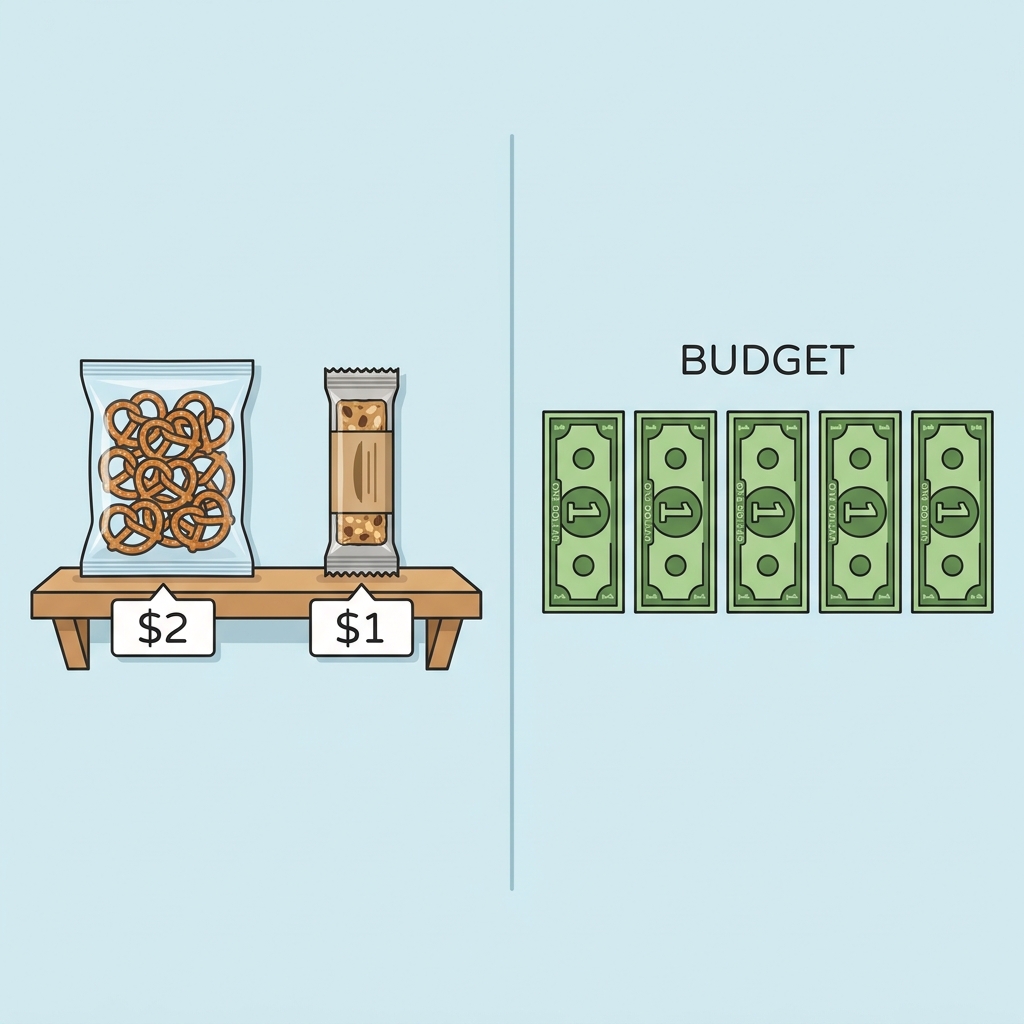
You will want to observe your students closely during the guided practice session, where they look at buying two separate items and adding the tax to both. This is where you will see the common errors in decimal placement. If they can talk through the process of calculating the tax and adding it to the subtotal, they are usually ready to handle the independent practice. The lesson emphasizes that consumer mathematics is just the application of math skills to everyday life. It helps students understand the true cost of goods, which is a necessary skill for managing a personal budget.
Where students slip
The biggest struggle for students is not the addition or the multiplication itself, but recognizing which operations to choose for specific financial scenarios. You can help students work through these decimal operations effectively by having them write out the units. Encourage them to label their work with the dollar sign or the word “tax” so they do not lose sight of what that decimal number represents. When they see “0.50” labeled as “tax,” they are far less likely to ignore the decimal placement than if they simply see a string of digits on a whiteboard.
This fifth grade shared research writing lesson style of practice works well for a whole-class assignment, but I have found it most effective as a quick check for a student who missed the week or as an intervention exercise for those who need a refresher on decimals. It fits nicely into a Friday afternoon when you need to solidify the week’s concepts before moving on. It is not overly complex, which is its greatest strength. It keeps the focus on the math without getting bogged down in too much reading or convoluted word problems.
Related lessons
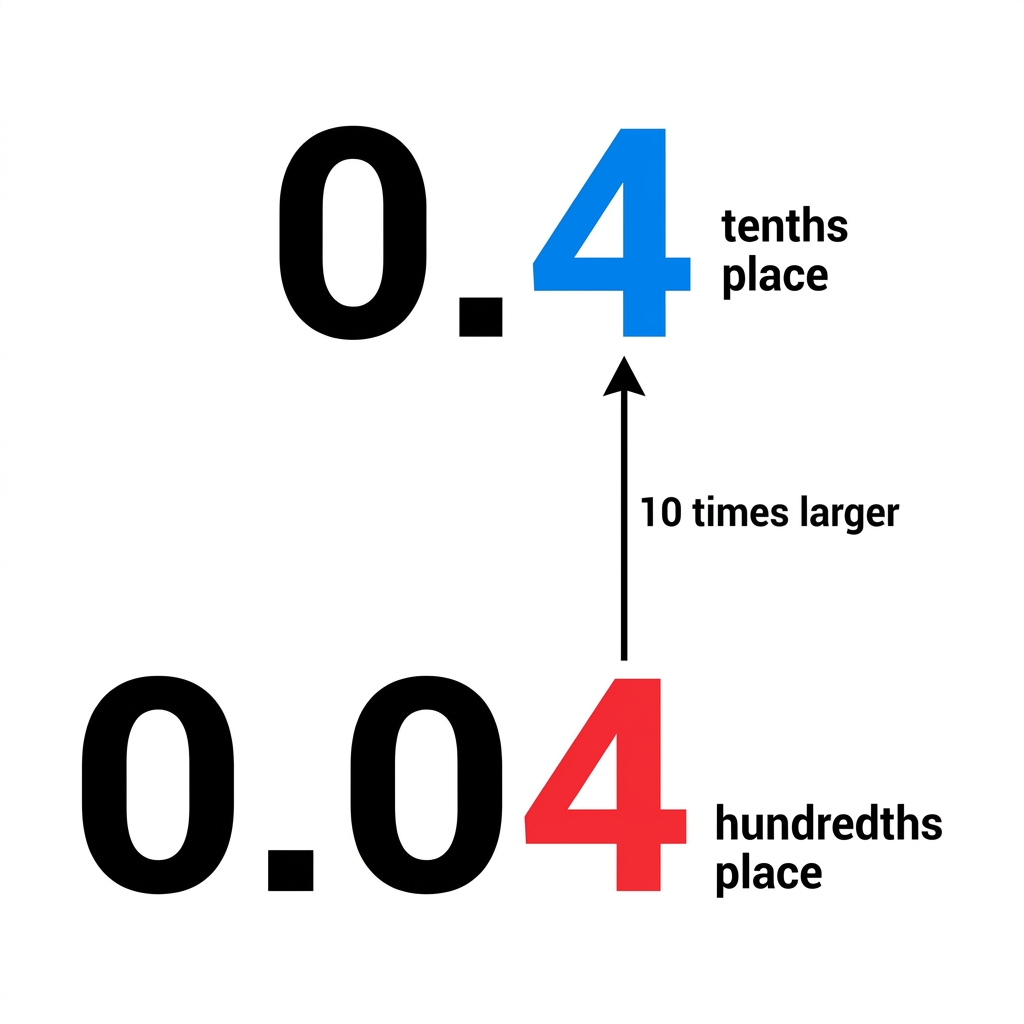
Understanding Place Value and Powers of 10, Reviewing base ten foundations and decimal place value systems
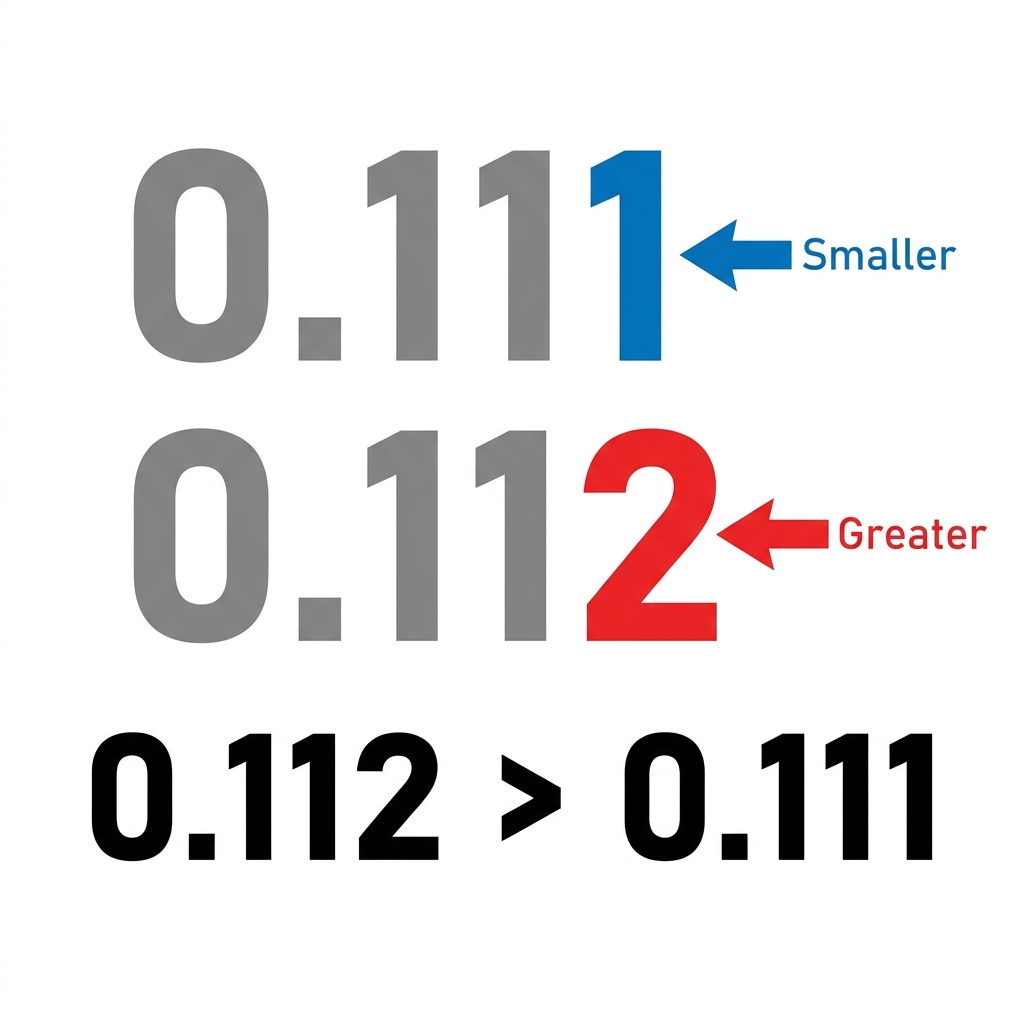
Comparing Decimals to Thousandths, Practice in comparing decimal values at the thousandths place
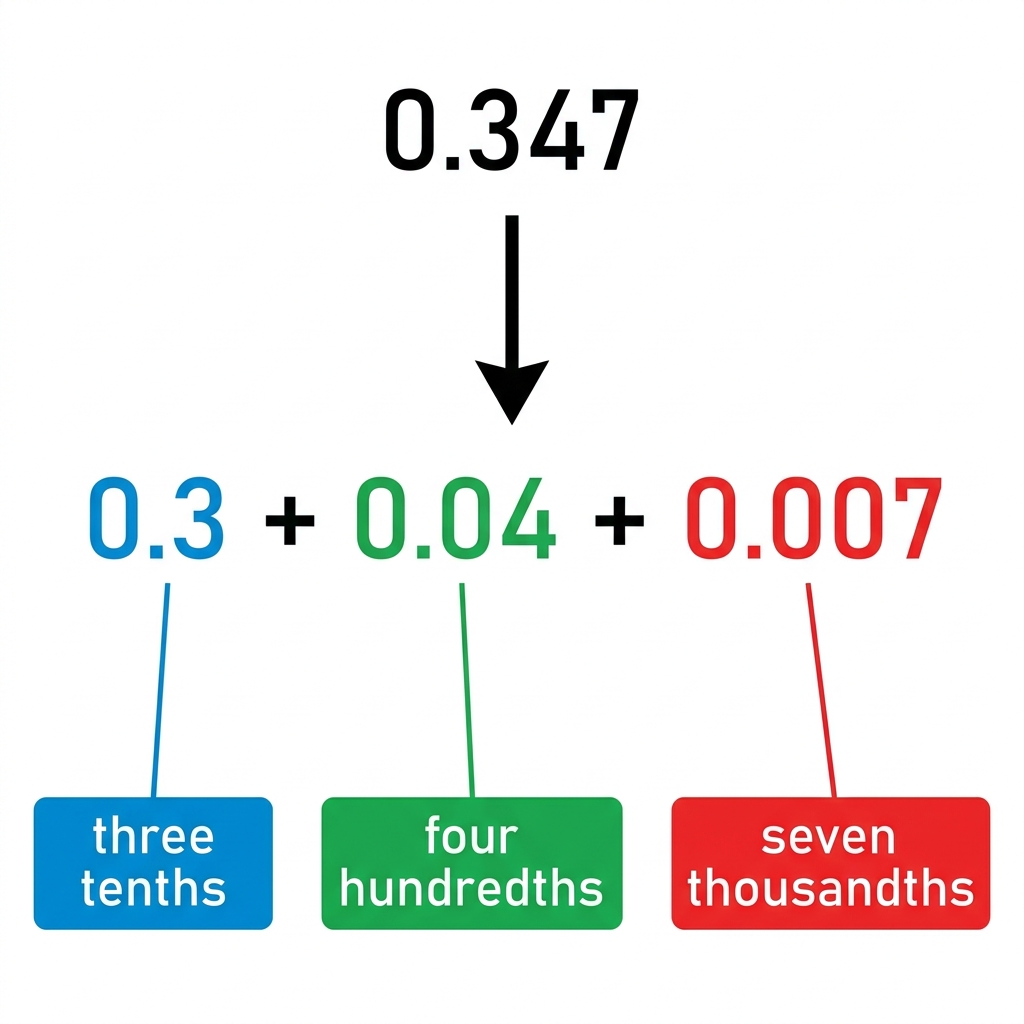
Understanding Decimals to Thousandths, Breaking down decimal structures down to the thousandths position