

Sixth grade English Language Arts is a time when students move from simply stringing words together to refining the architecture of their sentences.
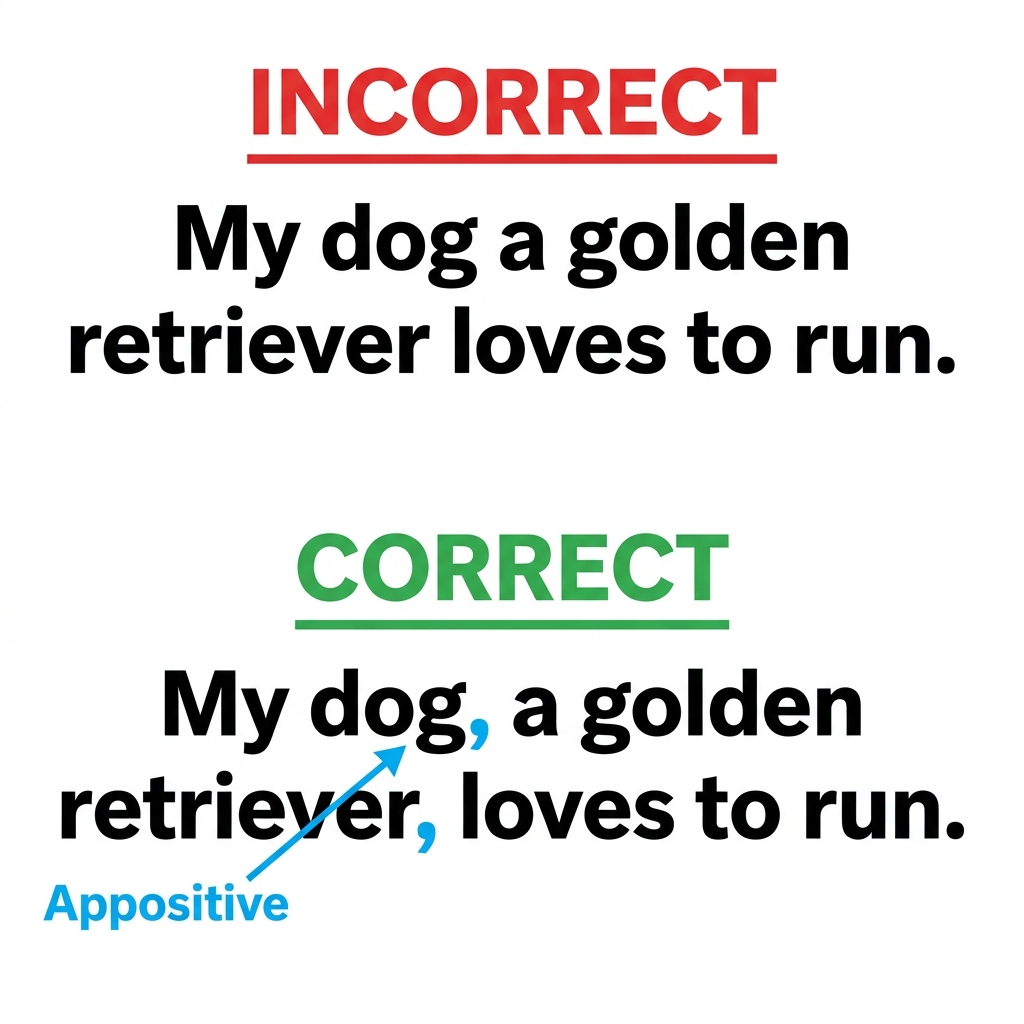
We have all read student papers where the main idea is buried under a pile of extra details. The lesson Using Punctuation to Clarify Meaning addresses this head-on. It focuses on the specific skill of using commas and parentheses to set off nonrestrictive and parenthetical elements. It teaches students that if they add an aside to a sentence, they must signal that to the reader with proper punctuation marks.
Demystifying the conventions of standard English
The core of this work is CA.ELA.L.6.2. When you look at the standard, it asks students to demonstrate a command of the conventions of standard English punctuation, spelling, and capitalization when they write. The California-adopted version of this standard, which you will find in classrooms from Riverside Unified to Compton Unified, Tustin Unified, and the Sunnyvale School District, specifically demands that students use punctuation to set off nonrestrictive and parenthetical elements. Alongside this, the lesson incorporates CCSS.ELA-LITERACY.L.6.2, which reinforces that same command of standard English conventions across the writing process.

The lesson breaks this down logically. It defines a nonrestrictive element as a phrase or clause that provides extra information which can be removed without changing the basic meaning of the sentence. It also introduces the concept of a parenthetical element, which is a word or phrase added as an aside or comment. The writers provide a simple example with a travel brochure: “The Eiffel Tower, a famous landmark, stands in Paris.” The phrase “a famous landmark” is an appositive, and it shows the student exactly how to use commas to sandwich that extra detail so the reader knows it is secondary information. It is a clean, effective way to show a student that not every word in a sentence carries the same weight.
Practical application in the classroom
I find that students struggle most when they try to determine if a piece of information is essential or non-essential. To help with this, the lesson includes a guided practice section that shifts the context to a science lab report. Having a student analyze a safety note in a report is much more grounded than looking at random sentences in a grammar workbook. It forces them to see that punctuation is not just a rule to follow but a tool to avoid confusion for their reader.
The language is straightforward. If you are looking for a 6th grade grammar and punctuation lesson, this one hits the mark because it avoids fluff. The vocabulary list is brief: nonrestrictive element and parenthetical element. Students are not just memorizing terms; they are applying them to real-world scenarios like brochures and lab reports. I have found this works quite well for a whole-class assignment when introducing sentence variety or as an independent study module for a student who missed the unit on syntax and needs a clear, guided walk-through.
My one caveat is that you should keep an eye on students who over-punctuate. Sometimes, once they learn about commas and parentheses, they want to put them everywhere. Remind them that if the information is essential to the sentence, the commas actually create a grammatical error by separating elements that should be joined. The lesson does a good job of showing that the punctuation is for things that can be pulled out, but a quick reminder about the “can be removed” rule will keep their drafts from becoming too fragmented.
Use this when you want to move beyond the basics of end-marks and help them develop a more sophisticated voice. When they understand that these marks help the reader see exactly what the main idea is, they start to take pride in the clarity of their sentences. It makes their writing feel professional, which is usually the push they need to start paying attention to these small, but significant, technical details.
Related lessons
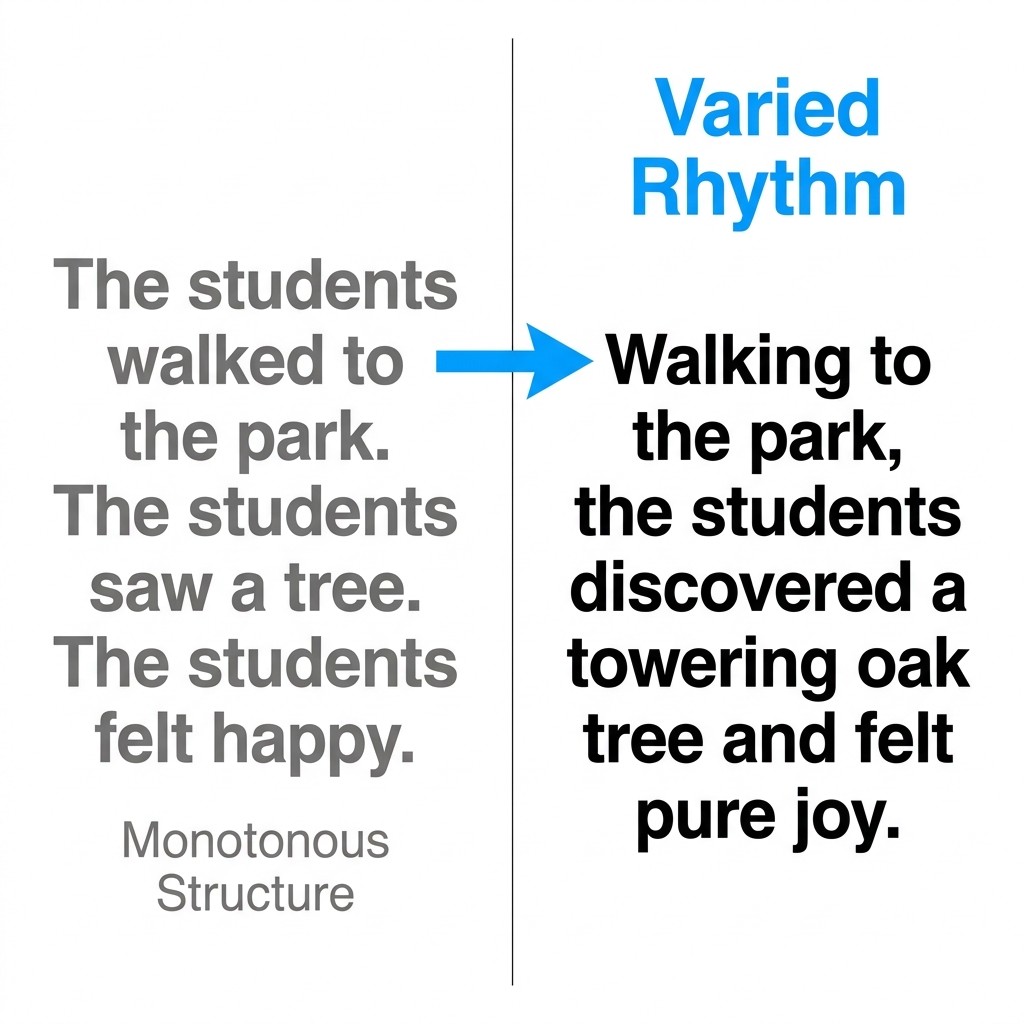
Writing with Style and Variety, Improving sentence structure and flow through varied writing techniques
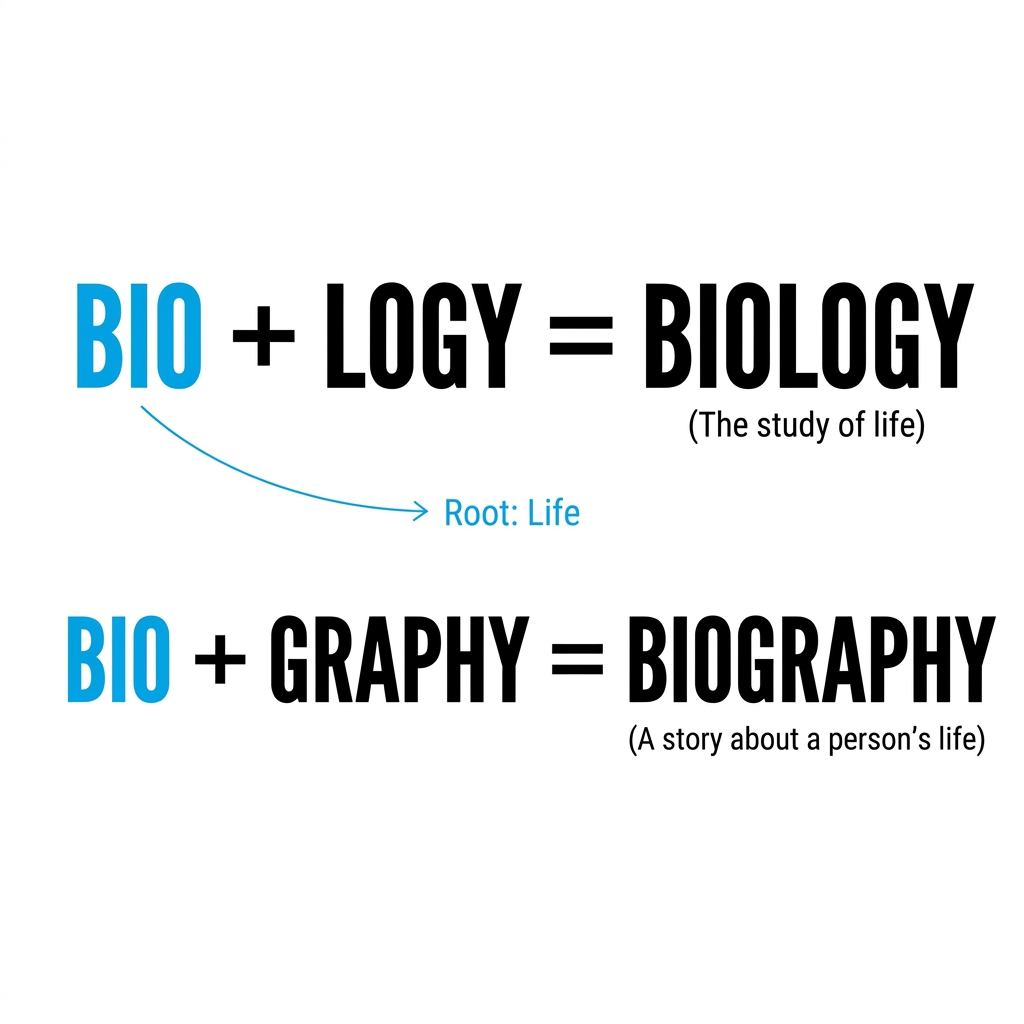
Decoding Words in Academic Texts, Breaking down complex vocabulary for better reading comprehension
Mastering Pronouns for Clear Writing, Ensuring proper pronoun usage to clarify sentence meaning