

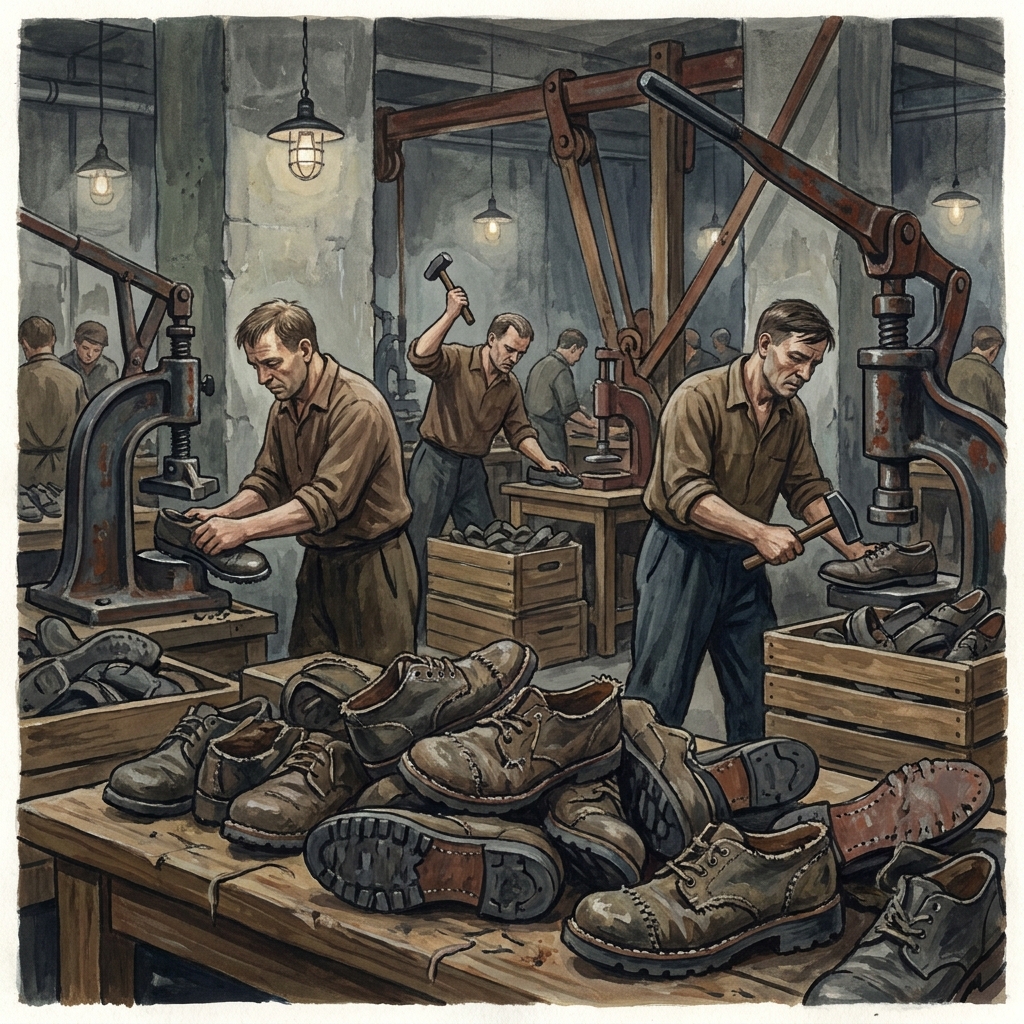
High school students in World History, Culture, and Geography: The Modern World, Grade 10 often approach the end of the Soviet Union as if it were just one bad day on a calendar. They want a single, cinematic reason for why such a massive entity crumbled. Maybe they look for a lone leader’s bad decision or a single protest that finally broke the dam. But real systemic failure is much quieter and more grinding than that. It is rarely a sudden crash. It is usually a long, slow accumulation of broken parts that eventually stop the whole engine.
When you teach The Collapse of the Soviet Union, you are tackling the complex reality of how internal systems rot from within before they ever face a final external push. This high school social studies lesson gets students to move past the superficial view of history. It helps them see that the end was inevitable because the fundamental structure of the nation could no longer sustain its own weight.
The danger of looking for a single culprit
Students usually start their research looking for a villain or a hero. They want to know who was in charge when the wall fell. The problem is that this mindset blinds them to the mechanics of history. A system as large as the Soviet Union did not fail because of one person. It failed because it was a command economy, a term the lesson defines as an economic system where the central government makes all decisions about production, prices, and wages. When you remove market signals, you remove the ability to correct mistakes.
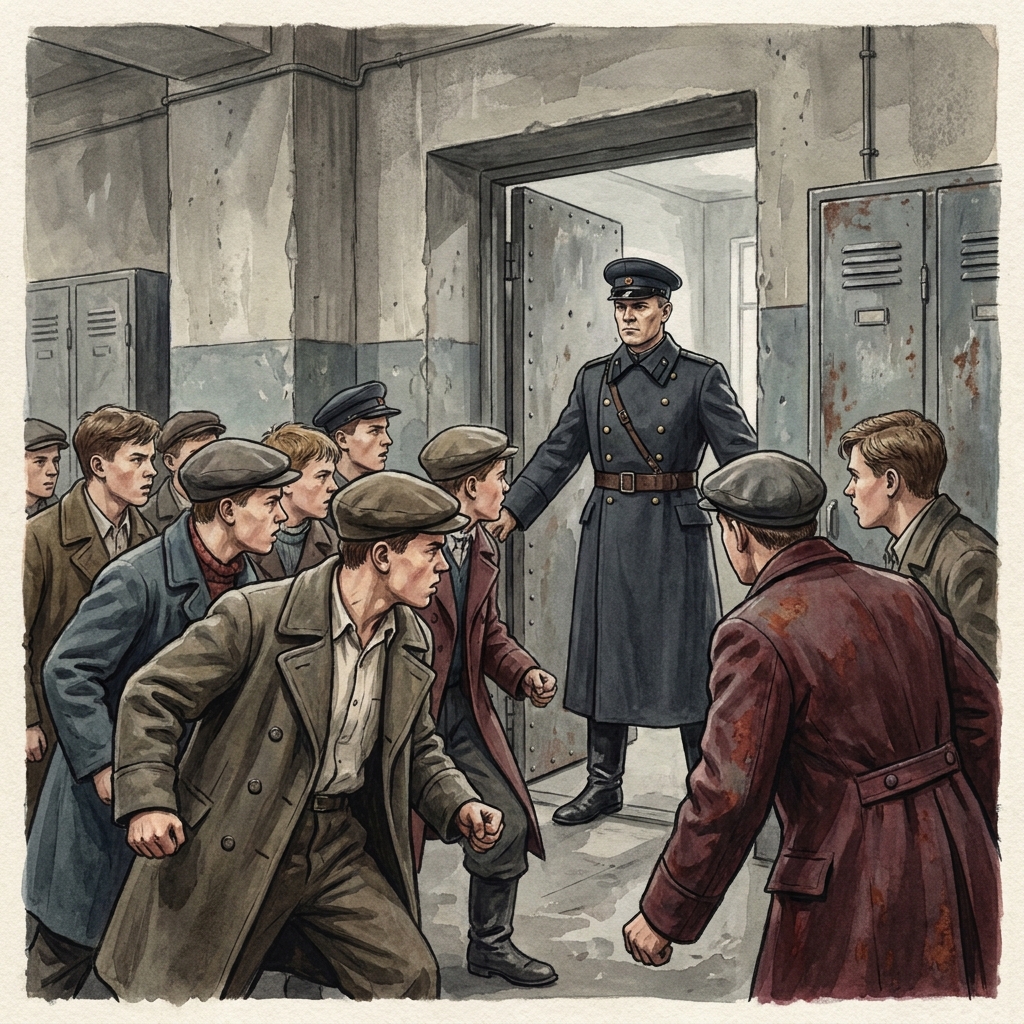
The lesson uses a perfect, concrete example to illustrate this point: the Soviet shoe factory. Managers were pressured to meet quantity goals regardless of quality. This led to shoes that were too heavy or uncomfortable, but they were still counted as successes because the quota was met. When a student sees that the government rewarded the production of useless, heavy shoes instead of usable ones, they start to understand why the economy was crumbling. It is not just about abstract political theories. It is about the fact that people could not get the basic supplies they needed, like the bread ration example where a citizen might be limited to just two loaves.
This is a great high school world history lesson for a teacher who wants students to analyze evidence rather than memorize dates. It is particularly useful for a whole-class assignment where you want to spark a debate about central planning, or as a strong intervention for a student who missed the week and needs a quick but rigorous way to grasp the core concepts of the Cold War ending.
How the standard addresses systemic change
The core objective is to ensure students can explain how economic problems, military costs, and political resistance combined to end the Soviet Union. This work is required by CA.HSS-10.9.7. This California-adopted standard asks students to analyze the reasons for the collapse, including the weakness of the command economy, the massive burdens of military commitments, and the growing resistance to Soviet rule by dissidents in satellite states and the non-Russian Soviet republics. Teachers in Fremont Unified, Corona-Norco Unified, Lake Tahoe Unified, and Warner Unified all work toward this same standard because it provides the analytical framework students need to decode history.
The standard is not just about the Soviet Union. It is about understanding the signs of instability. A satellite state is a country that is formally independent but is under heavy political and economic influence by another, more powerful nation. When those nations began to protest, it was not a random act. It was a reaction to decades of being controlled by a center that could not feed or protect them. The lesson highlights the Baltic Way, where in 1989, citizens in Estonia, Latvia, and Lithuania organized a peaceful demonstration by forming a continuous human chain across their three nations to advocate for independence. This moment shows how a dissident, a person who actively opposes the official policy or government of their country, can effectively turn the tide when the government has already lost its economic and moral authority.
Where students slip in their analysis
The most common mistake I see is when students try to compare the Soviet Union to modern democracies in a way that ignores the unique pressure of a command economy. They might argue that high military spending happens everywhere, which is true, but they forget that in a command economy, that military spending directly drains the resources needed for food and medicine. The lesson does a good job of emphasizing this trade-off.
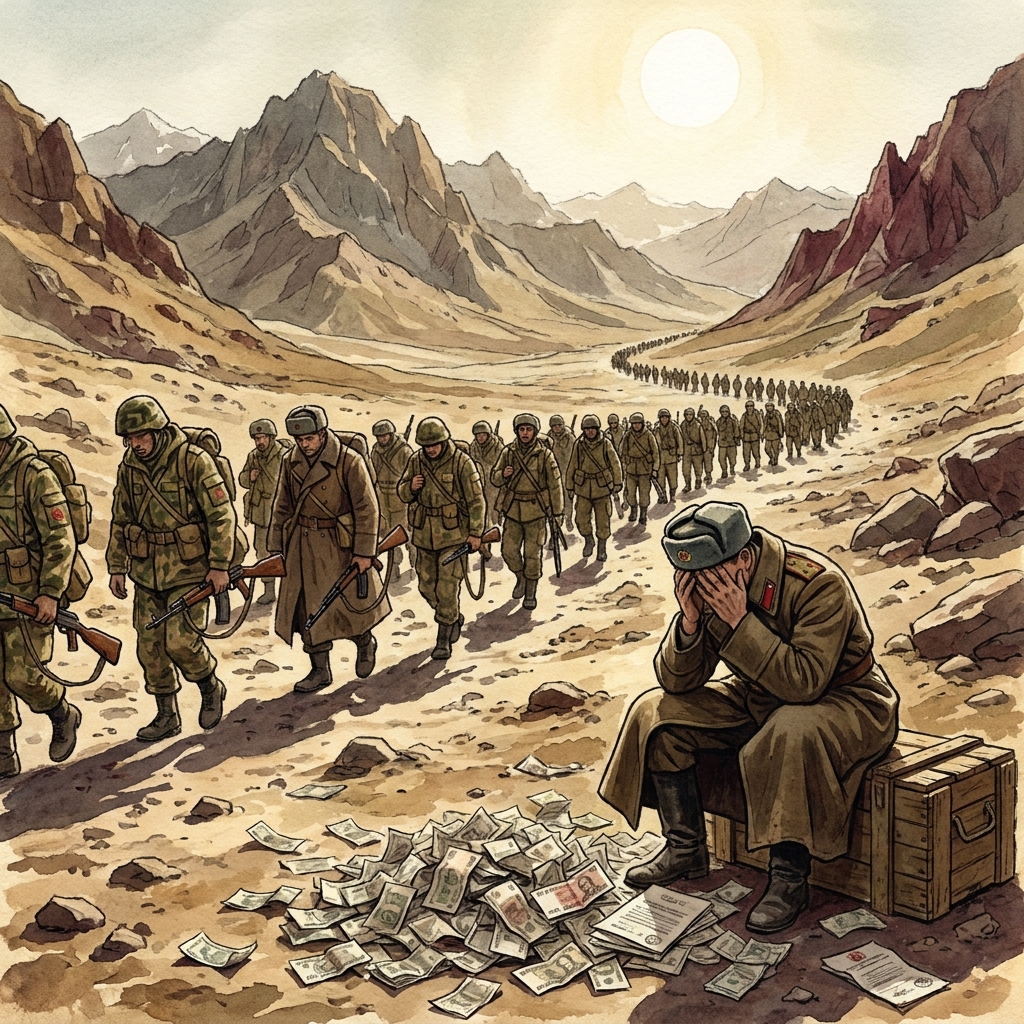
One caveat: the lesson is dense, and students who have never engaged with the mechanics of economics might need you to pause and define what a market signal actually is. Do not rush through the shoe factory example. It is the bridge between a dry economic concept and the reality of the people living in that system. Once they see that a factory manager was punished for making a good shoe that took too long to produce, the light bulb goes off. That is the moment they understand why the system could not survive. By teaching this, you help your students become better judges of current events and news, because they start asking the right questions about how governments stay stable and why they fall.
Related lessons
The Causes and Consequences of World War II, Examines global origins and outcomes of the Second World War

Embracing Emotion: The Rise of Romanticism, Covers the shift toward emotional expression in artistic history

Political Change and the Rise of Modern Rights, Analyzes evolution of individual rights and modern political structures