

When we teach high school biology, it is common to find students treating evolution as a abstract concept happening in a vacuum. They often overlook how the physical world dictates survival. They tend to think species simply decide to change their traits or migrate when the weather shifts, missing the mechanism of environmental pressure entirely. If you want to move them past that static view of nature, Environmental Change and Species Survival is a helpful tool for your next unit.
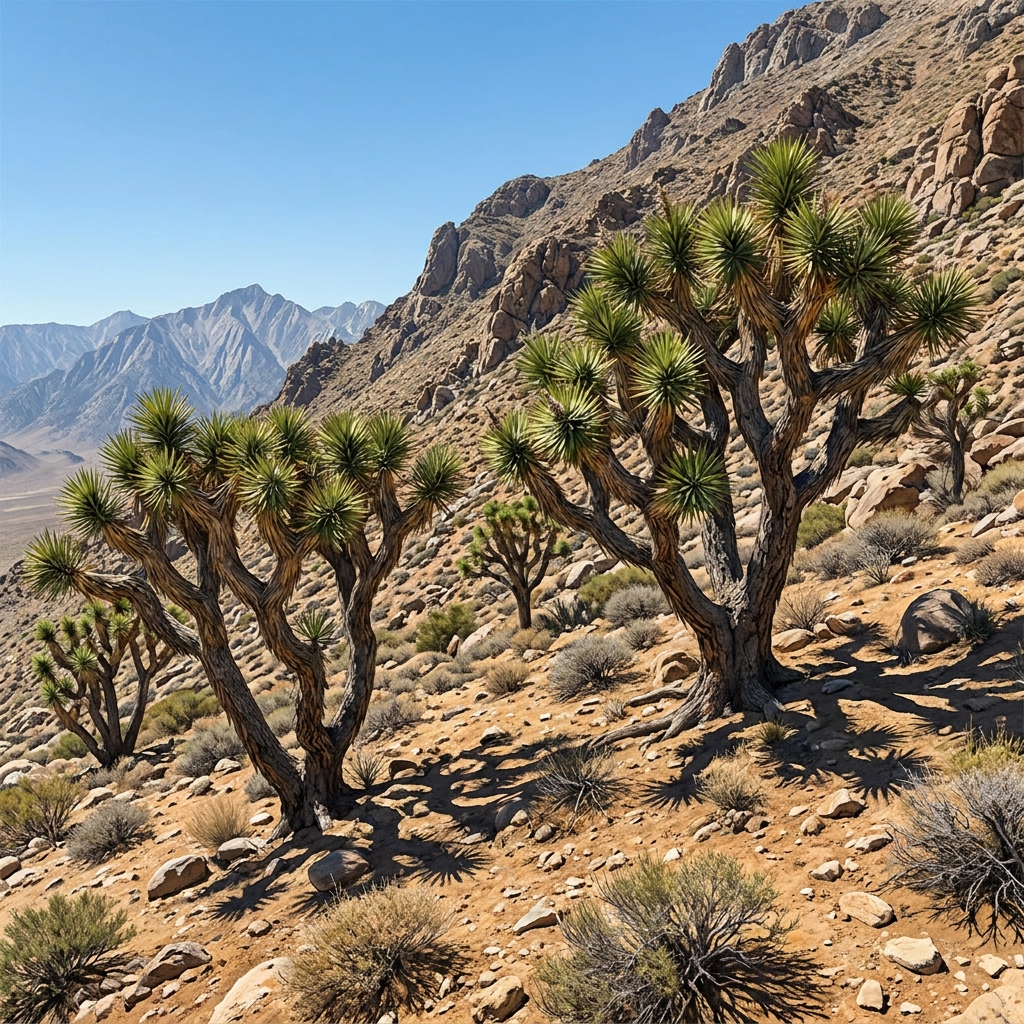
This lesson takes about 45 minutes and is built to ground students in real-world scenarios. It specifically covers how changes in an ecosystem lead to population growth, the development of new species, or total extinction. Instead of just lecturing, the lesson uses the California chaparral as a starting point. It explains that fire is a regular part of this landscape, creating fresh nutrients and bare soil that allow new growth. From there, it moves into a worked example about Joshua trees, which are shifting their range to higher elevations as desert basins dry out and heat up. It is a perfect way to show students what a range shift looks like in real time.
What the lesson actually asks students to do
The core objective here is for students to identify how specific pressures lead to those three outcomes: population growth, speciation, or extinction. The vocabulary is lean and focused, covering environmental pressure, which is how factors like climate and geography influence survival; speciation, the process of a new species emerging; and extinction, the total loss of a species. Once students have those definitions, they move into guided practice where they look at vernal pools, those temporary wetlands that fill in winter and evaporate in summer. It is a smart way to force them to think about how specialized life must be to exist in such a fluctuating environment.
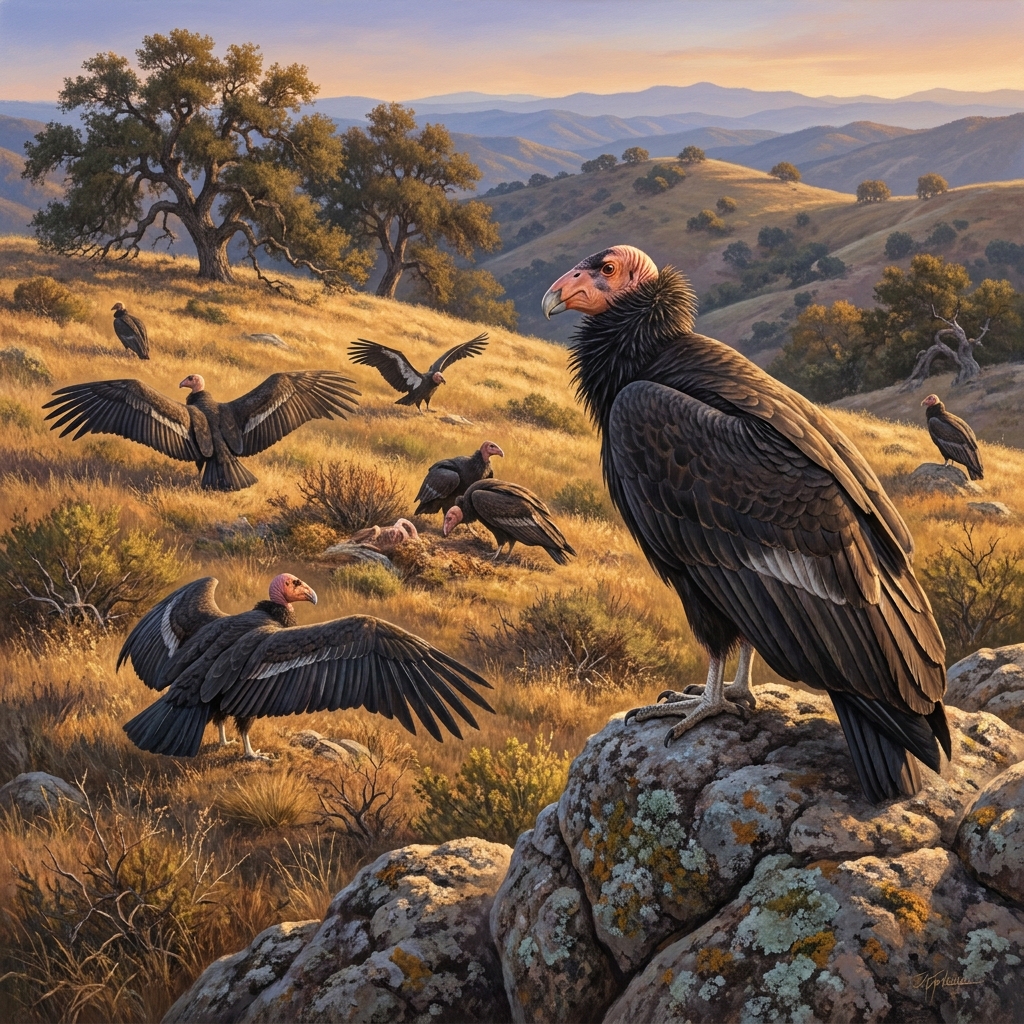
This lesson meets the state-level requirements for CA.HS-LS4-5. This standard asks students to evaluate evidence for how changing environmental conditions lead to population shifts, new species emerging, or total extinction. It is the same standard taught in Sweetwater Union High School District, Stockton Unified, Selma Unified, and Tamalpais Union High School District. It is essential for students to see that these concepts apply to our own backyard, and the lesson includes specific California additions like the overwintering decline of the Monarch butterfly and the conservation success of the California condor. These are not just anecdotes, they are evidence points that make the science feel concrete.
Where students slip
The main trap I see with this high school biology lesson is that students assume adaptation is always a fast, active choice. They forget that it is a slow process filtered through generations. When you use this in class, keep an eye on how they interpret the Joshua tree migration example. They might think the tree is walking to the mountain. Remind them that the population is shifting because individuals that survived were those already at the higher elevation or better suited for the change. That distinction is where the real learning happens. It is useful for whole-class instruction, but it also works well for a student who missed the week and needs to catch up on the standard or as a structured activity for a day with a substitute.
Understanding these processes is crucial for conservation and long-term planning. The lesson does a good job of closing with this point, showing how ecologists use these models to predict which habitats are most vulnerable. It is a straightforward approach that avoids unnecessary fluff. If you find your class needs a bit more focus on how traits vary before jumping into extinction, this fits well after foundational work on selection. It is a reliable resource when you need a clear, evidence-based lesson that does not get bogged down in technical jargon.
Related lessons
Biodiversity and Trait Variation in California, Covers how diverse traits contribute to survival in different environments
Group Behavior and Survival, Explains how animals working together increases their odds of survival
Energy Transformation in Plants, Looks at how plants convert solar energy into chemical energy