

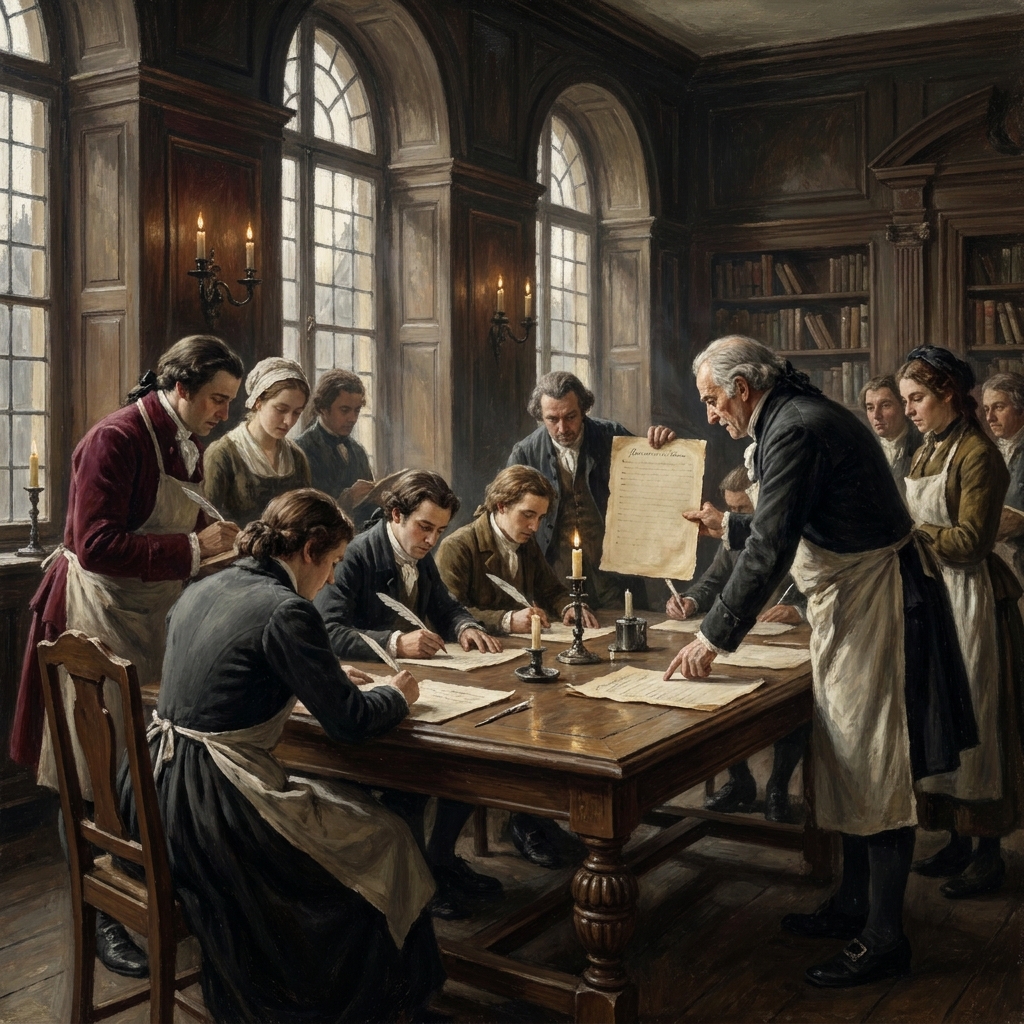
Tenth grade world history can feel like a mountain of dates and dry treaties if we are not careful.
When you sit down to plan your next unit on the modern world, you want students to see that the American Revolution was not just a local event in the colonies but a blueprint that triggered a global shift. In the Revolutionary Ideals and Global Change lesson, students examine how these democratic seeds traveled across borders. This is a great resource for a high school social studies teacher looking for a structured way to handle the complexities of CA.HSS-10.2.3 in a single class period.
Understanding the spread of revolutionary thought
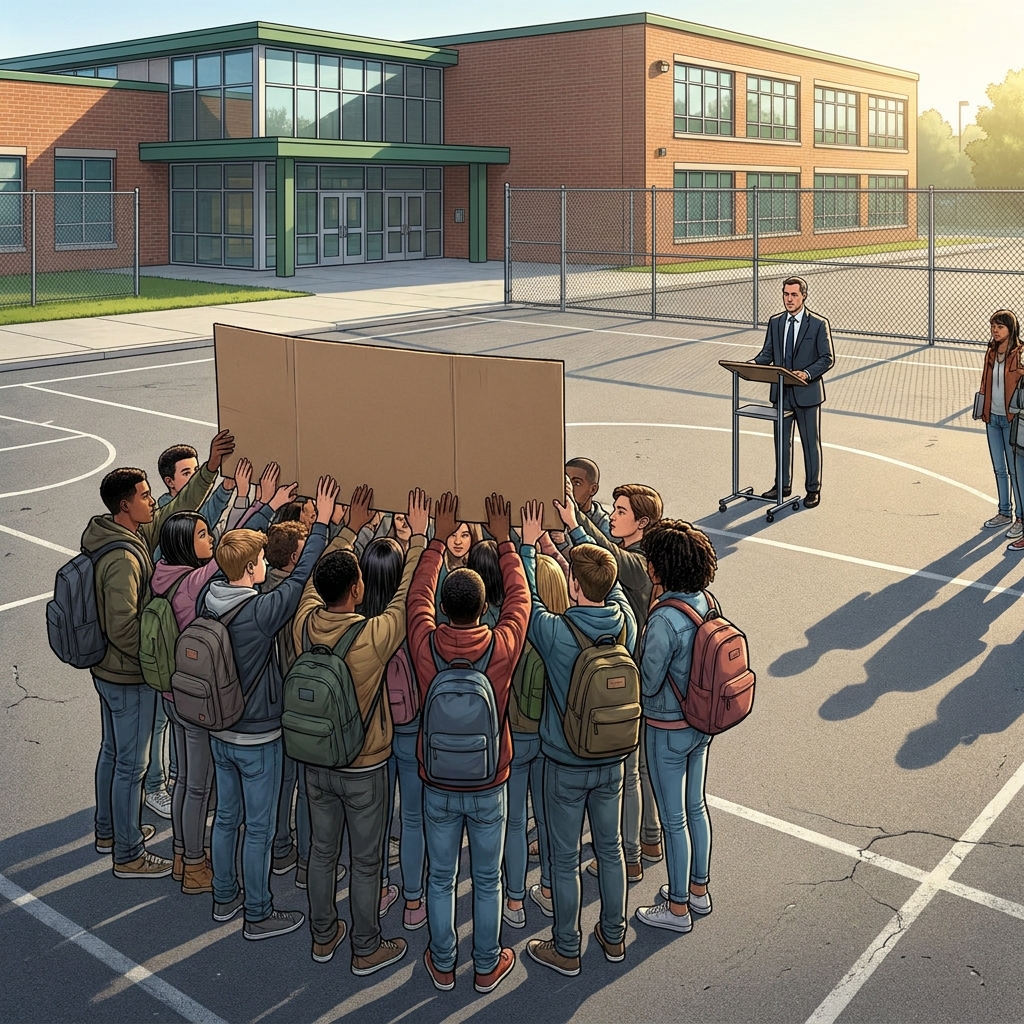
The lesson opens with a smart bridge for students: the concept of a petition. It explains that colonists in the American colonies often used formal requests to communicate their needs, much like a school council might vote on rules to represent the needs of students. This grounds the high-level politics of the era in something relatable. By the time students reach the meat of the material, they are already thinking about representation and why people feel a need to vote on the laws that govern their daily lives. Educators in Fremont Unified, Merced Union High School District, ABC Unified, and Santa Rosa High School District all teach this same core standard of World History, Culture, and Geography: The Modern World, Grade 10 to ensure consistency across the state.
The lesson uses the French Declaration of the Rights of Man as a primary case study. It is a fantastic example for students because it makes the connection tangible. The lesson points out that the document was written by citizens to declare their natural rights, and importantly, it was directly inspired by the American Declaration of Independence. It really hammers home the point that revolutionary ideas are contagious between nations. If your students struggle with the abstract nature of government, this specific example helps them see the chain reaction of ideas in action.
Applying democratic principles in practice
The guided practice moves from analysis to application. You ask students to step into the role of drafters for a new nation that has just won its freedom. They have to decide which principles are most important to protect their people. It is a solid exercise that forces them to prioritize values like individual liberty or state authority. I find this approach works well for a whole-class assignment or even as an intervention task for a student who missed the week and needs to catch up on the conceptual framework of the unit.
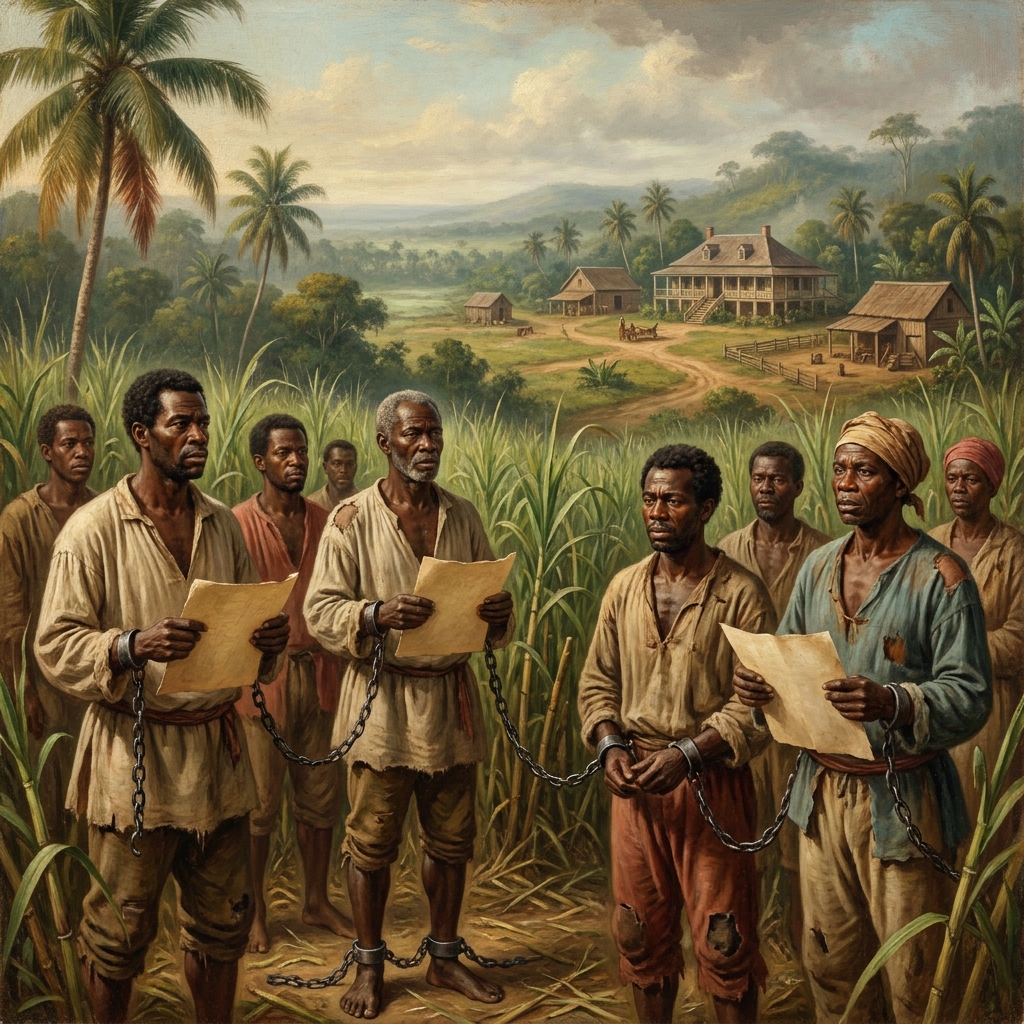
The conclusion of the lesson brings it back to the present day. It defines human rights as a set of protections that apply to all people regardless of their nation, which aim to safeguard individuals against state overreach. This ties directly back into CA.HSS-10.2.3, which asks students to understand the unique character of the American Revolution, its spread to other parts of the world, and its continuing significance to other nations. It reminds students that when they vote in a club election, speak at a public meeting, or read the news to hold leaders accountable, they are actually practicing the very rights that revolutionaries fought for centuries ago.
One caveat: the lesson covers a massive amount of historical theory in about 45 minutes. If you have a class that needs more time to process the transition from colonial grievances to the modern Universal Declaration of Human Rights, you might want to break this into two days. It is dense but coherent, and it provides a clear anchor for students to understand how these past ideals now anchor the legal systems of many nations. It is a useful addition to your toolkit for a substitute day or an independent study module when you need something that carries its own weight.
Related lessons

The Road to World War I, Covers the complex causes leading to the first global conflict
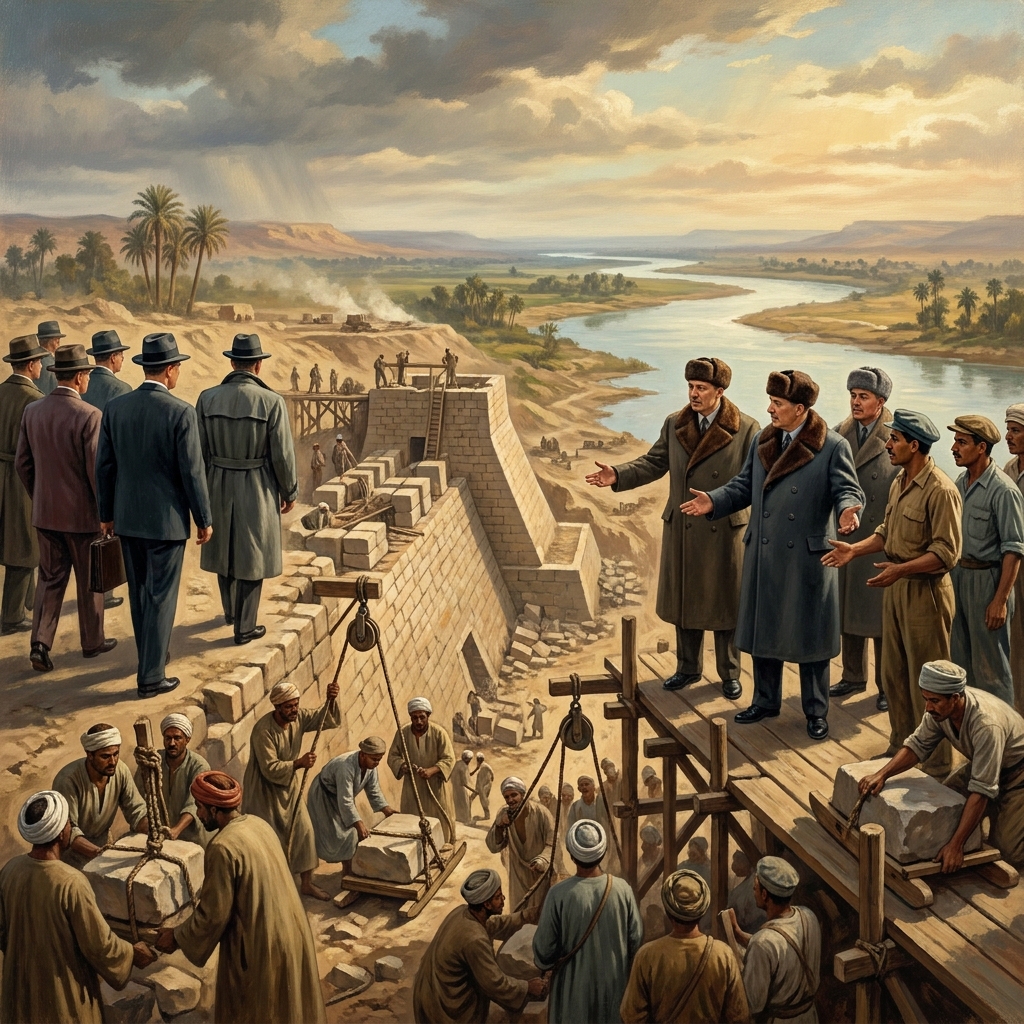
The Global Cold War: Superpower Rivalry, Examines ideological conflicts between major powers after the second war
Navigating the Post-War World, Discusses global restructuring and new geopolitical challenges after major wars