

I know how quickly the second grade math calendar can feel like it is running away from you. Usually, by the time we arrive at three-digit numbers, there is very little room left in the day for one-on-one reteaching.
Keeping pace with the math calendar
If your students are struggling with the transition from tens to hundreds, or if you had a few kids out sick during your core instruction, Understanding Place Value is a reliable resource to lean on. It is the kind of self-contained digital lesson that fits perfectly as a refresher for an individual student or as a targeted review for a small group during math centers.
Breaking apart three-digit numbers
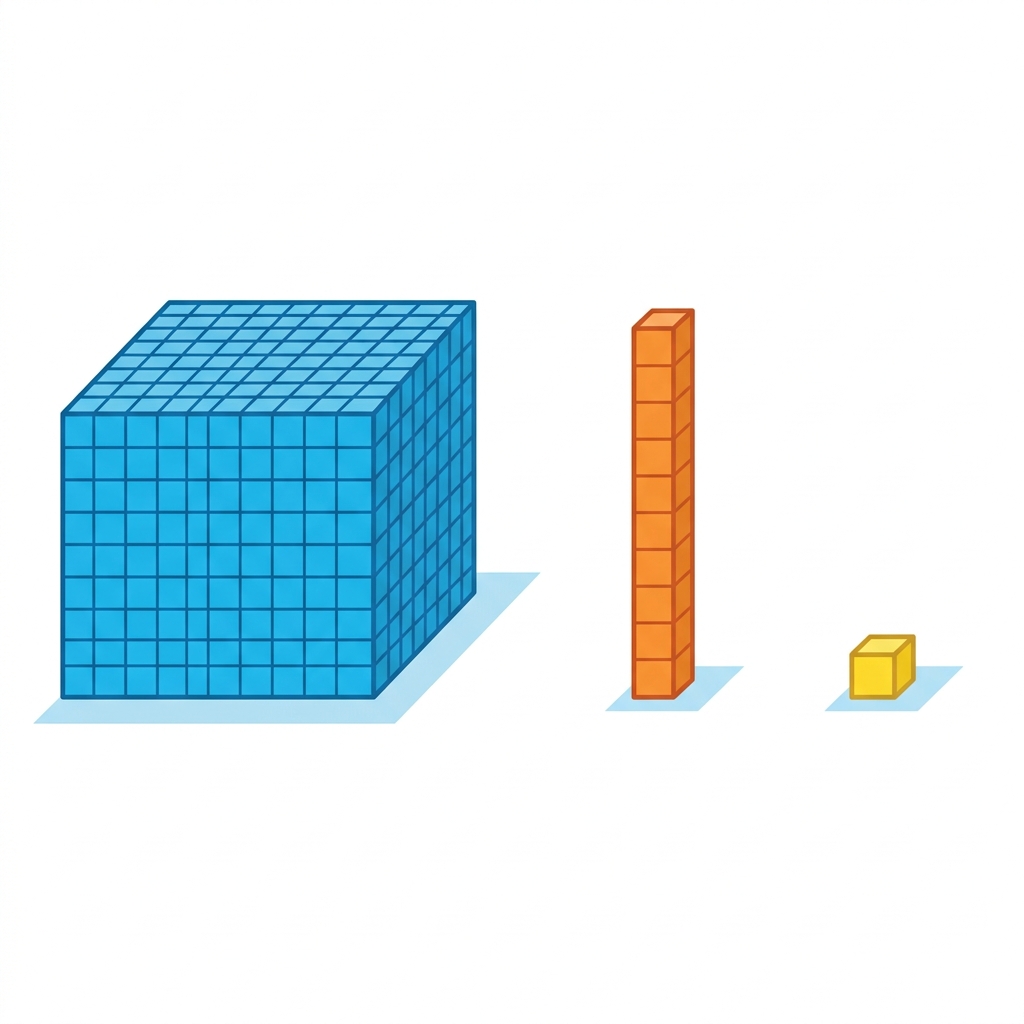
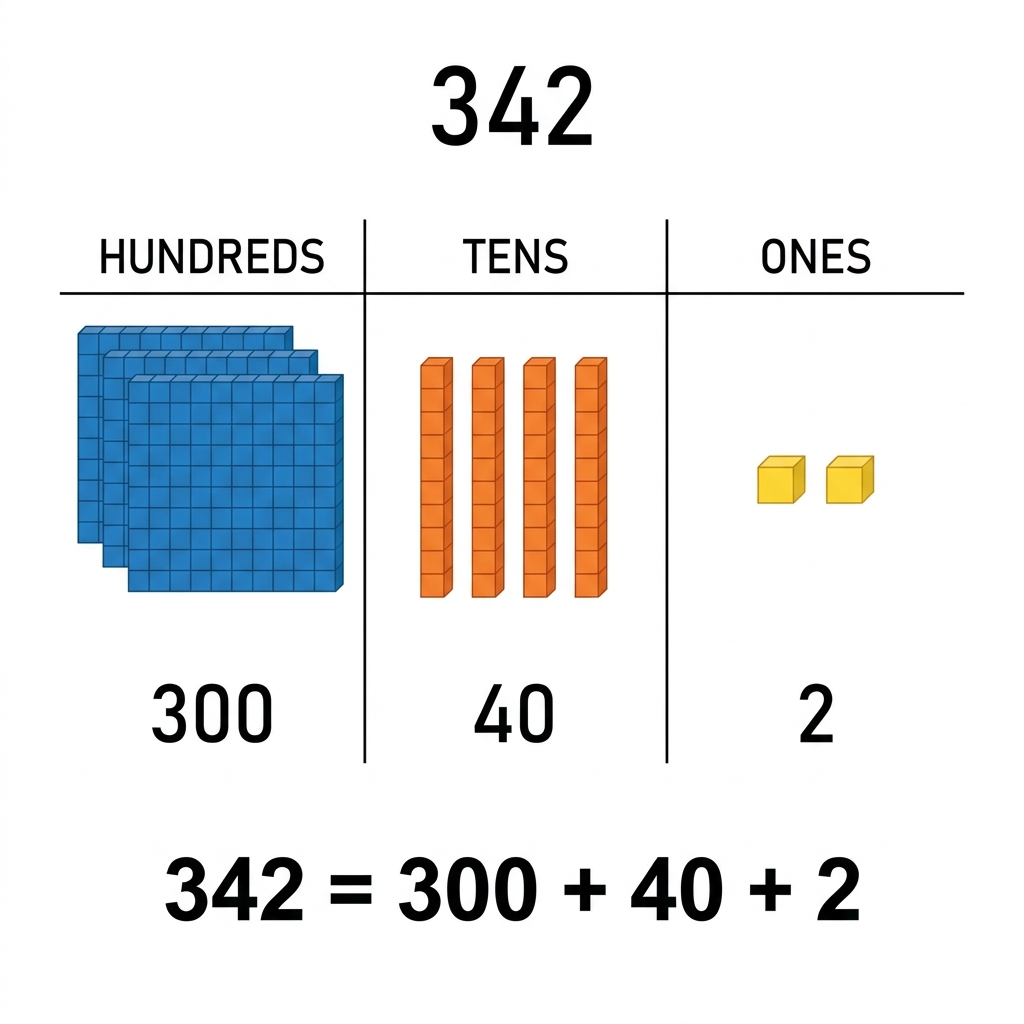
This lesson focuses on the objective of breaking apart three-digit numbers into their constituent hundreds, tens, and ones. It relies on the concrete visual of blocks to show that numbers are made of smaller parts: a large block for one hundred, a long rod for ten, and a small cube for one. I appreciate how it walks through a worked example like 125, showing it as 100 + 20 + 5. By the time students reach the guided practice, they are working through a store inventory scenario involving 342 items organized into boxes, bags, and individual units. It is straightforward and keeps the cognitive load on the math itself rather than on navigating a complicated interface. You will find that second grade place value decomposition is a common hurdle, but once they see the money analogy mentioned in the lesson, where bank tellers count currency using these same groupings, it often clicks.
Meeting the California standard
The lesson covers CA.MATH.2.NBT.1b, which is the California-adopted standard requiring students to understand that the three digits of a three-digit number represent specific amounts of hundreds, tens, and ones. The standard also specifies that students must handle multiples of 100 as special cases where there are zero tens and zero ones. This is the exact same standard taught across the state, including in Bakersfield City School District, Poway Unified, Burlingame Elementary School District, and San Marcos Unified. If you have students who are still writing 706 as 76, this is where you send them to bridge that gap.
When to assign this lesson
I like to keep this in my back pocket for a few specific scenarios. It works well as an independent study tool for a student who missed the week of instruction, as the logical progression of the slides mimics a mini-lecture. It is also an excellent intervention tool for those who need to see the base-ten blocks in a slightly different format than what you used at the whiteboard. I have even used it on a substitute day because the instructions are so clear that students do not need me standing over them to stay on track. The vocabulary is minimal but essential: hundreds are groups of one hundred, tens are groups of ten, and ones are individual items. It is clean, focused, and gets the job done without any unnecessary fluff.
Related lessons
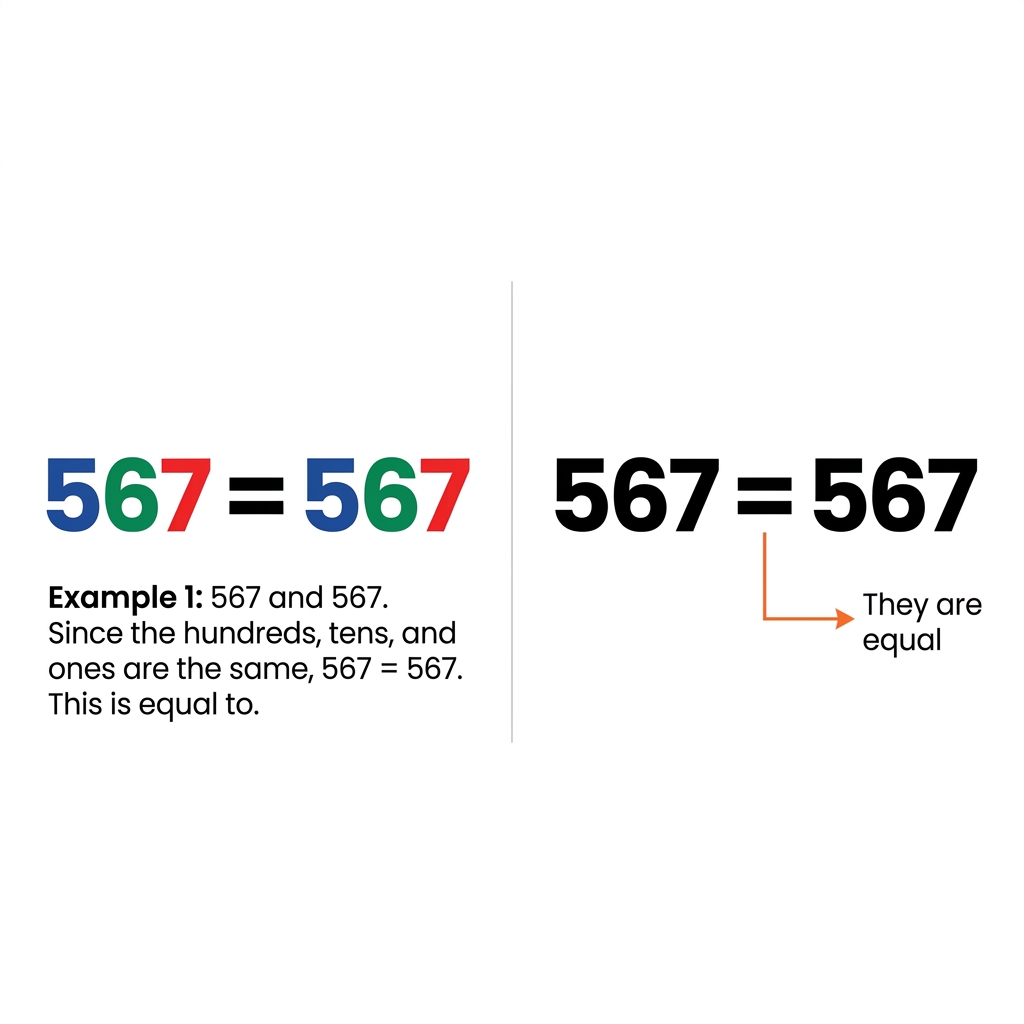
Comparing Three-Digit Numbers, Developing skills to determine which three-digit numbers are greater or less
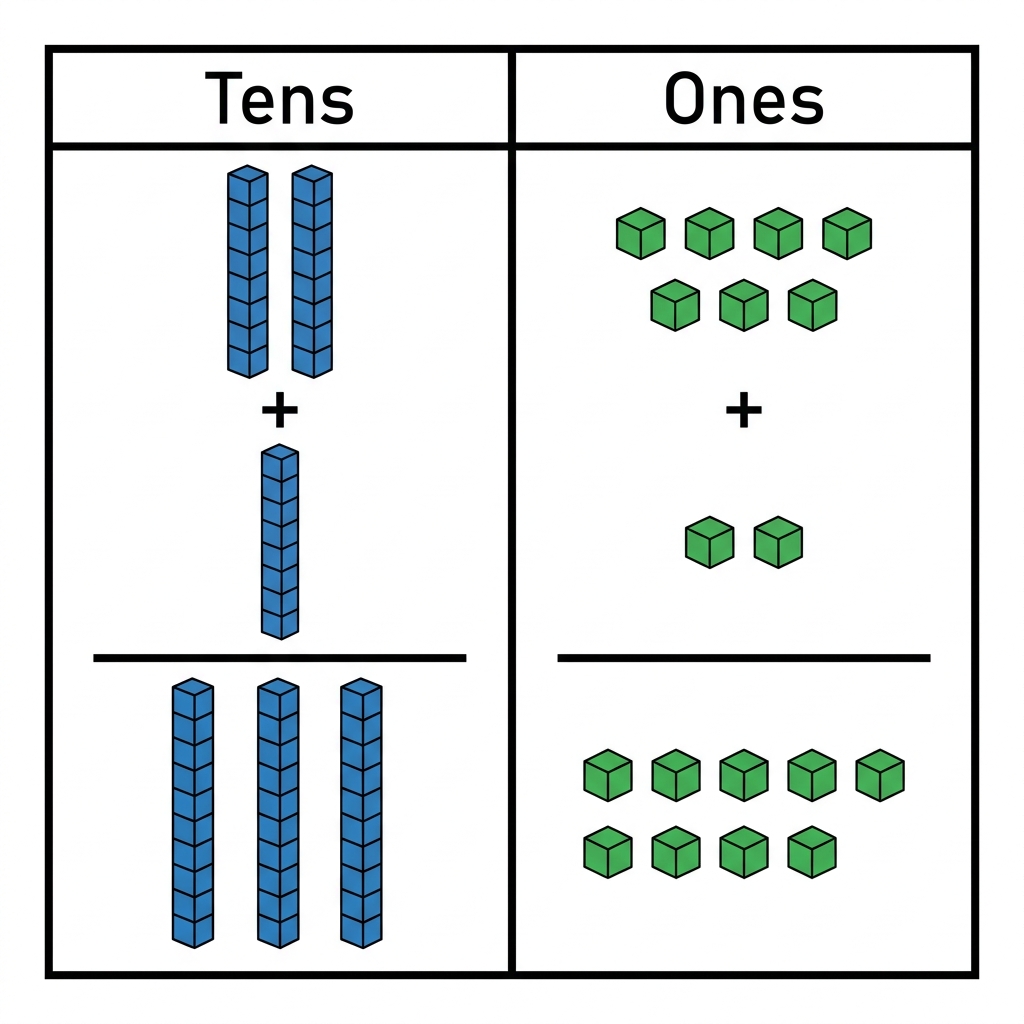
Understanding Addition and Subtraction Strategies, Methods for adding and subtracting within the base ten system
Understanding Three-Digit Numbers, Foundational concepts for reading and writing numbers up to one thousand