

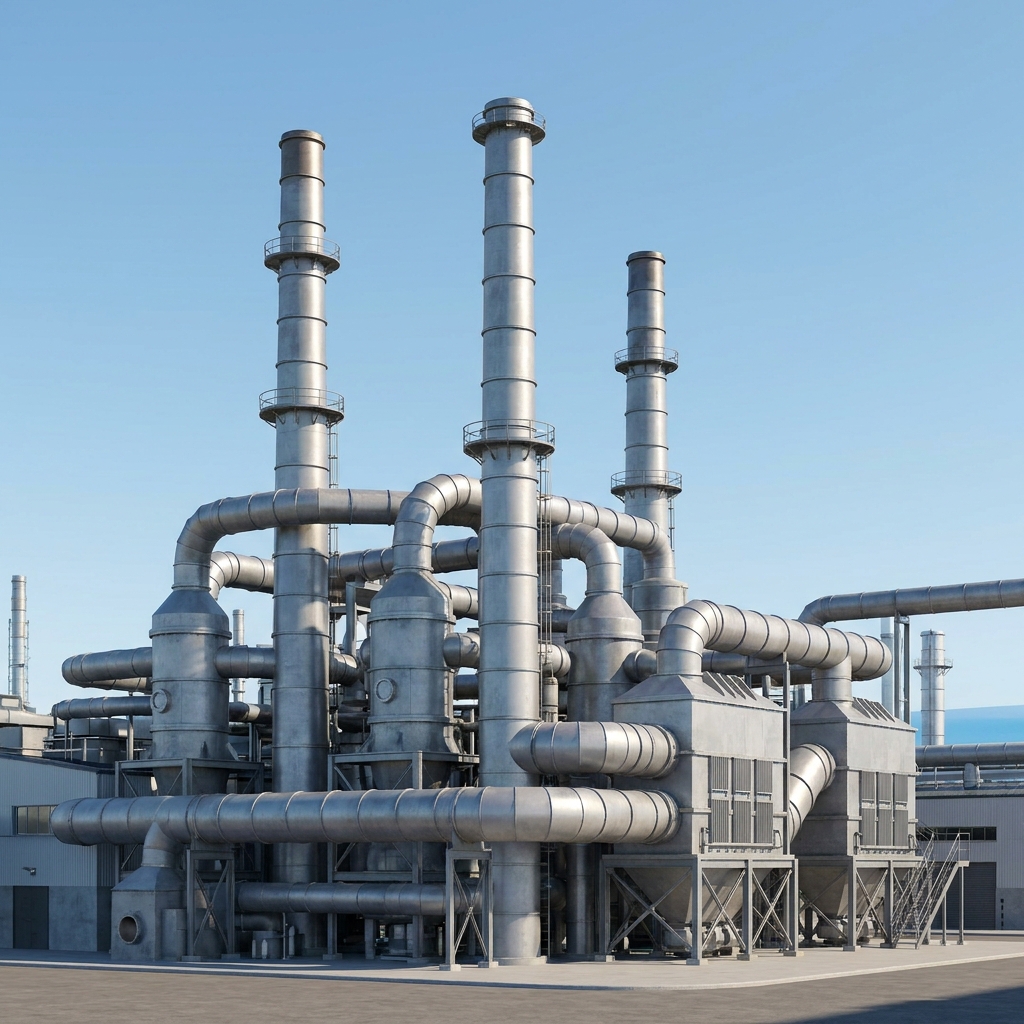
A factory carbon capture system filters carbon dioxide out of smoke before it drifts into the air, a prime example of the kind of technical intervention students analyze in this Mitigating Human Impact on California Systems lesson. For your biology or earth and space science class, this high school module moves students beyond simple definitions to the actual process of judging engineering designs. It is a solid choice for a substitute day or a stand-alone independent study unit when you need something that demands critical thinking rather than passive reading.
What the standard demands of your students
The core of this material is HS-ESS3-4, which asks students to evaluate or refine a technological solution that reduces the impacts of human activities on natural systems. This is a tall order. To evaluate, a student must look at a design and weigh its efficacy against the environmental damage it intends to fix. To refine, they must propose specific, logical changes to improve that design. This is the same standard used in classrooms across the Oxnard Union High School District, Salinas Union High School District, San Gabriel Unified, and Soledad Unified.

Because this falls under the California NGSS, the lesson incorporates the state-mandated focus on California-specific phenomena. The curriculum treats our state as a living laboratory for environmental science research and innovation. By using high school science lessons on human impact, you give your students a framework to analyze real-world infrastructure like base isolators and tunnel systems designed for our unique tectonic environment.
Building a foundation with vocabulary and design
Before students jump into the evaluation, they need a firm grasp of the specific language used in engineering and environmental management. The lesson introduces three essential terms: mitigate, which means to make a problem less severe or painful; base isolator, a device placed under a structure that allows the building to move independently of the ground during an earthquake; and infrastructure, referring to the basic physical systems of a community like roads, bridges, and power lines.
I find it helpful that the lesson starts with the logic of seismic engineering. California sits on several major fault lines, and the lesson rightly points out that standard bridge designs often suffer heavy structural damage during major seismic events. By teaching students that a base isolator helps bridges survive by letting the deck move differently than the ground, the lesson makes the concept of technological mitigation concrete and relatable.
The guided practice scenario
Once students have the concepts down, the lesson shifts to a guided practice phase that is admittedly tricky. Students look at a proposed tunnel through a mountain that crosses an active fault zone. The prompt asks them to determine if the current design is enough to stop structural failure given the constant movement of the tectonic plate boundary. It is a high-stakes scenario that forces students to think about why our state’s stringent environmental regulations exist as legal mandates to protect natural resources.
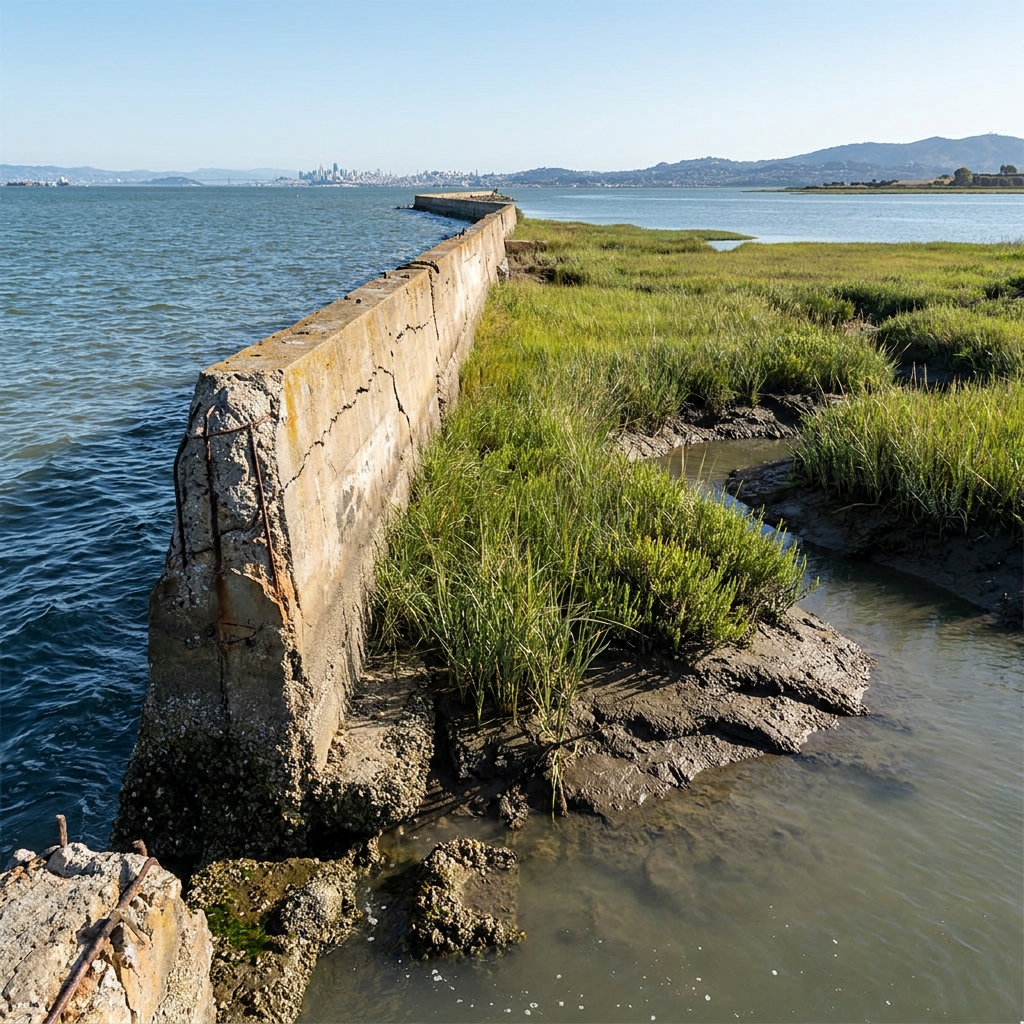
The strength here is that it pushes back on the idea that technology is always a perfect fix. Students have to look at the constraints of the tunnel design and evaluate whether those constraints adequately address the risks of the San Andreas and related fault zones. It makes for an excellent whole-class assignment that invites debate, provided you give them enough time to talk through the variables before asking for their written evaluation.
Why this matters for your classroom
We often talk about the importance of preparing students for the future, but this lesson actually gives them the tools to visualize it. By looking at examples like solar farm migration paths and seismic upgrades, students see how engineers are forced to innovate. This is where the lesson shines, showing students that our regulations and environmental challenges are not just hurdles to jump over, but are actually the very things that drive the creation of smarter, more resilient systems.
If you have students who missed the week or are working through independent study, this lesson provides a self-contained path toward meeting the requirements of the California-adopted standard. It is well-structured, the vocabulary is precise, and it respects the fact that our students are capable of evaluating complex engineering trade-offs if given the right data and the proper scientific framework. Just keep an eye on them during the tunnel design section; that is where they usually hit a wall if they haven’t properly connected the tectonic movement data to the structural design requirements.
Related lessons

Sculpting the California Landscape, Examines how geological forces shape the unique California terrain over time
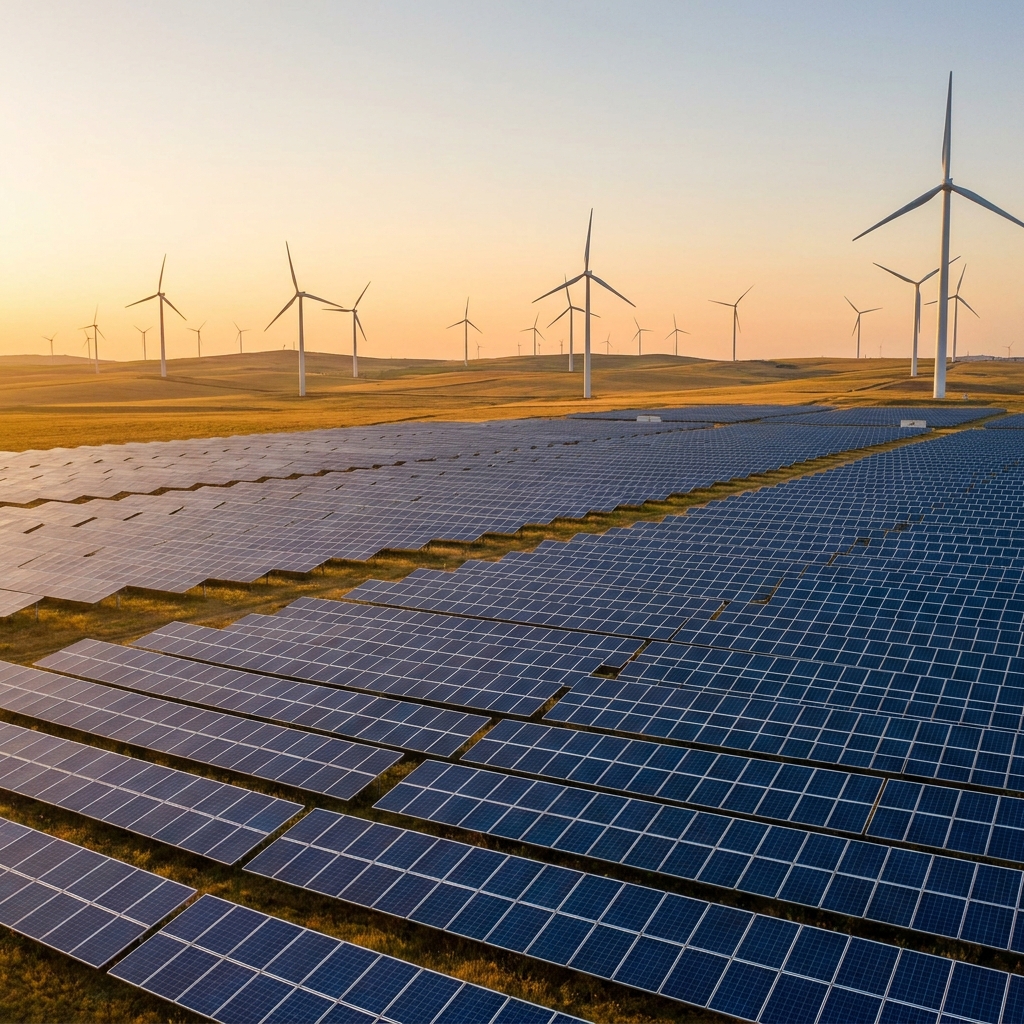
Evaluating California Energy Policy Trade-offs, Analyzes the environmental impact and efficacy of state energy policies

Earth Systems and Human Impact, Covers interactions between human activity and natural global earth systems