

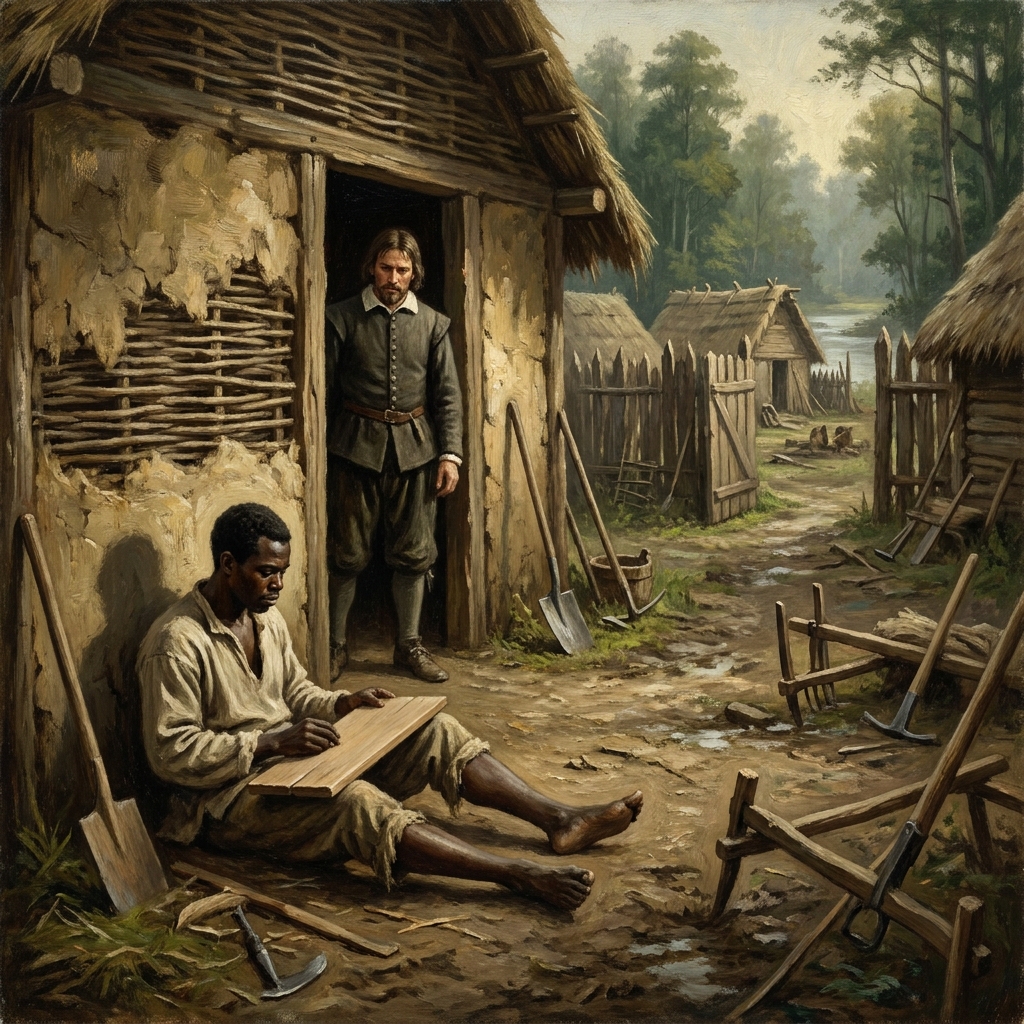
This 5th grade social studies lesson does not aim to cover the entire timeline of American slavery in one sitting, which would be impossible for ten-year-olds to process effectively. Instead, it narrows the lens on the specific mechanisms of early institutionalization and the human side of that survival. In the The Growth and Struggle of Slavery in Early America lesson, your students will look at how forced labor was codified into law and how that reality clashed with the humanity of those caught in the system. Whether you are prepping for a substitute day or setting up an independent study module, this content provides a firm, necessary foundation for talking about the colonial era.
Students start by looking at 1619, when a ship carrying 20 Africans arrived in Jamestown. From there, the lesson walks them through the vocabulary they need to understand the structural shift: indentured servant, slave codes, and the core concept of institutionalization. Institutionalization, as the lesson defines it, is the process of making a practice, like slavery, a permanent part of a society’s laws and daily life. You might find that students need extra time with this term, as it is a complex social concept for a fifth grader to grasp.
How this covers the standards
This content is aligned with CA.HSS-5.4.6, which is the California-adopted standard for this topic. It asks your class to describe the introduction of slavery into America, the ways slave families responded to their conditions, the ongoing conflict between proponents and opponents of the system, and the eventual institutionalization of slavery in the South. This requirement is taught consistently across the state, from classrooms in Orange Unified to those in San Diego Unified, San Leandro Unified, and Porterville Unified. When you work through this material, you are checking off the essential boxes required by our state curriculum for understanding the evolution of colonial institutions.
What the lesson actually asks students to do
The lesson moves beyond just dates and places by using concrete scenarios to illustrate legal oppression. You will guide them through the realities of slave codes, which were laws that strictly controlled the lives of enslaved people. A great example they provide is how these codes made it illegal for enslaved people to learn to read or write. It is an effective way to show students how the law was used as a tool to prevent people from gaining the knowledge they needed to seek freedom. By focusing on these specific examples, you make the concept of institutionalization feel less abstract and more tied to the real human costs.
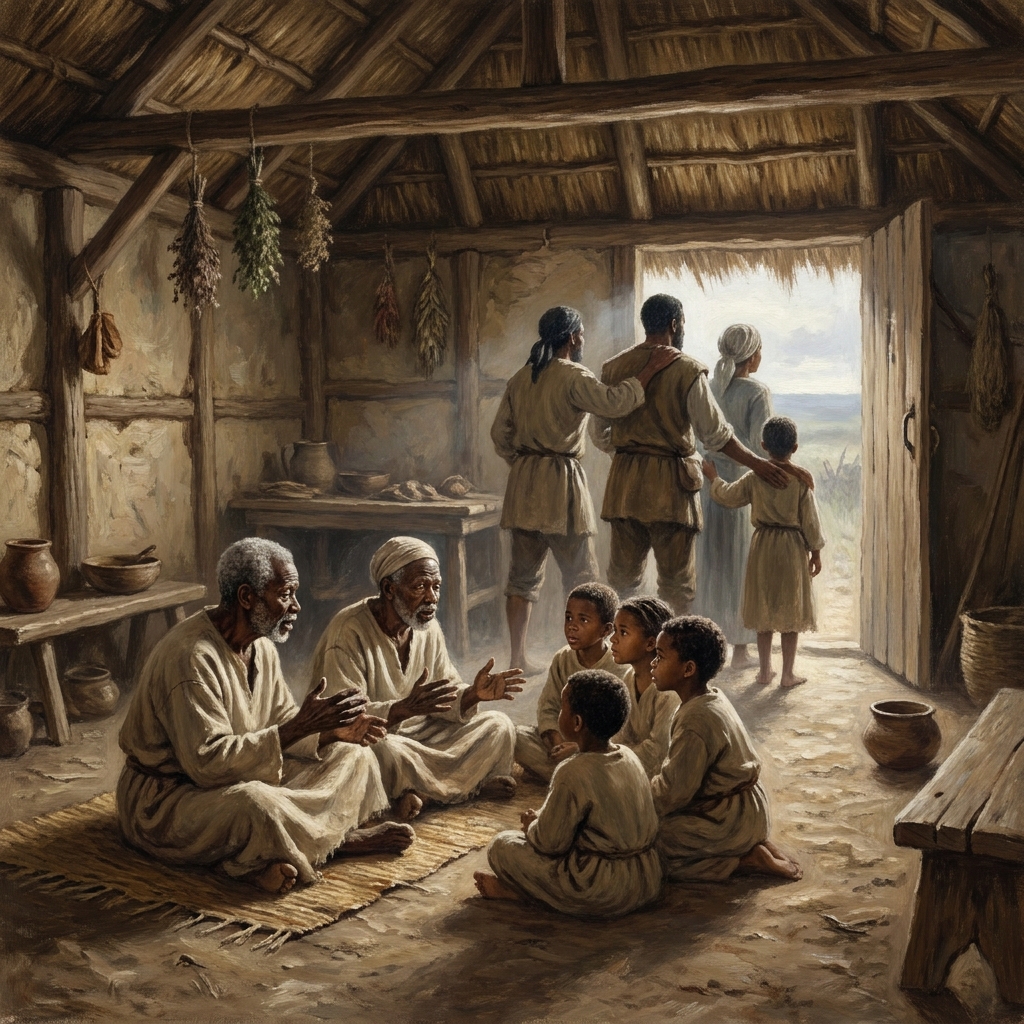
During guided practice, the focus shifts to agency. Your students will explore how enslaved communities were social networks where people shared resources, news, and emotional support to resist the dehumanizing effects of the plantation system. This part of the 5th grade social studies lesson is where you can really see students connect with the material. They will look at how secret gatherings for worship and the sharing of hope for freedom became the bedrock of community life. This is the moment to emphasize that despite the constraints of the law, people maintained their dignity and looked out for one another.
Where students slip
The biggest challenge I have seen with this topic is ensuring students do not lose sight of the people behind the terminology. It is easy to get caught up in defining slave codes and forget to emphasize that the response of enslaved families was active, not passive. Keep an eye on your independent study students here, as they may lean too hard into the definitions and gloss over the section about secret gatherings. Remind them that the struggle over slavery had a long-term impact on our country, ultimately leading to the civil rights movement and the ongoing fight for equality. If they can grasp that this history is not just locked in the past but informs the world they live in today, you have done your job well.
Related lessons

Allies and Aid: Winning the American Revolution, Examines foreign support and key alliances during the American Revolution
Exploring the Trans-Mississippi West, Discusses early westward expansion and geography of the American West

Building a Nation: State Constitutions and the American Revolution, Details the development of early state governments and founding documents