

Fifth grade students need to understand biological processes that create the world around them. Educators often look for ways to make abstract concepts like photosynthesis tangible and relevant to their local environment. This post examines a lesson designed to clarify how plants build their physical structures using resources from their surroundings rather than simply consuming soil.
Breaking the soil-eating myth
Most students in fifth grade science start with the strong, persistent belief that plants grow by pulling mass out of the soil like they are drinking a milkshake.
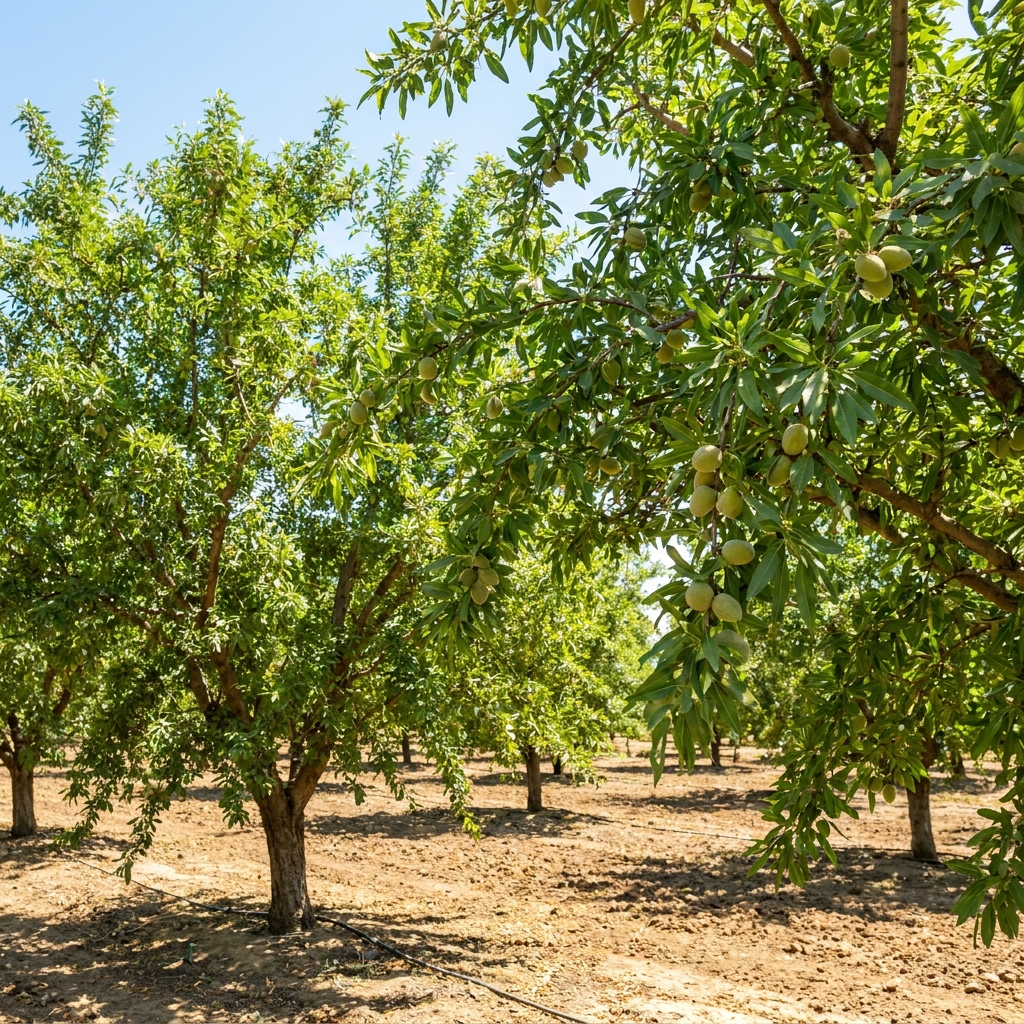
It is not their fault. If you look at a potted plant, the soil level seems to go down over time, and the tree clearly has more solid material than when it started as a seed. Our How Plants Grow in the Central Valley lesson is built specifically to address this misconception before it cements itself in their logic. It forces them to confront the reality that the wood of a massive almond tree is mostly reconstructed gas and liquid. The lesson is a great fit for a standard whole-class science session, an independent study module, or even a substitute teacher day when you need the class to have a productive, self-contained experience.
The mechanism behind plant growth
This lesson centers on the core concept of photosynthesis. The material provides a clear prior-knowledge opener: a sunflower seed in a pot, demonstrating that while soil is involved, the actual building materials for stems and leaves come from sunlight, water, and air. The 5th grade science photosynthesis lesson uses the Central Valley as a perfect case study to bring this home. The worked example scenario describes almond trees that pull water through their roots and carbon dioxide through their leaves, using solar energy to transform those components into physical biomass. It is refreshing to see a curriculum that connects abstract chemical processes to local, tangible agriculture that students might actually see out a car window.
The lesson asks students to explain exactly how plants use air and water to grow. By the time they hit the guided practice, they are looking at a citrus grove during a California summer. This phenomenon forces them to account for the role of irrigation, helping them see that water is a literal building block, not just a drink for the plant. Educators in Chula Vista Elementary School District, Corona-Norco Unified, Oakdale Joint Unified, and West Covina Unified rely on these same principles to make sure students grasp the fundamentals of life science consistently across the state. These educators understand that the logic of the lesson provides a consistent framework for student learning, regardless of whether a class is working through the material in an urban setting or a more rural agricultural zone.
Aligning with state standards
The lesson is designed around CA.5-LS1-1, which asks students to support an argument that plants get the materials they need for growth chiefly from air and water. This is the California-adopted standard for this grade level. It includes a specific California-focused sub-part that requires students to investigate plant growth in our regional agriculture, specifically how Central Valley crops depend on photosynthesis, irrigation water, and atmospheric carbon dioxide. I appreciate that the lesson does not treat these as separate, disconnected goals but rather as a unified inquiry into how a plant actually survives and thrives.
This standard requires students to apply evidence from scientific investigations to their own arguments. When a class works through the lesson, they are performing the exact cognitive work required by the standard. They move from observing the almond tree or the citrus grove to explaining the specific biochemical transformation that occurs within the plant tissue. This alignment ensures that the curriculum is focused on the skills required for the grade level assessment.
Why this matters for your students
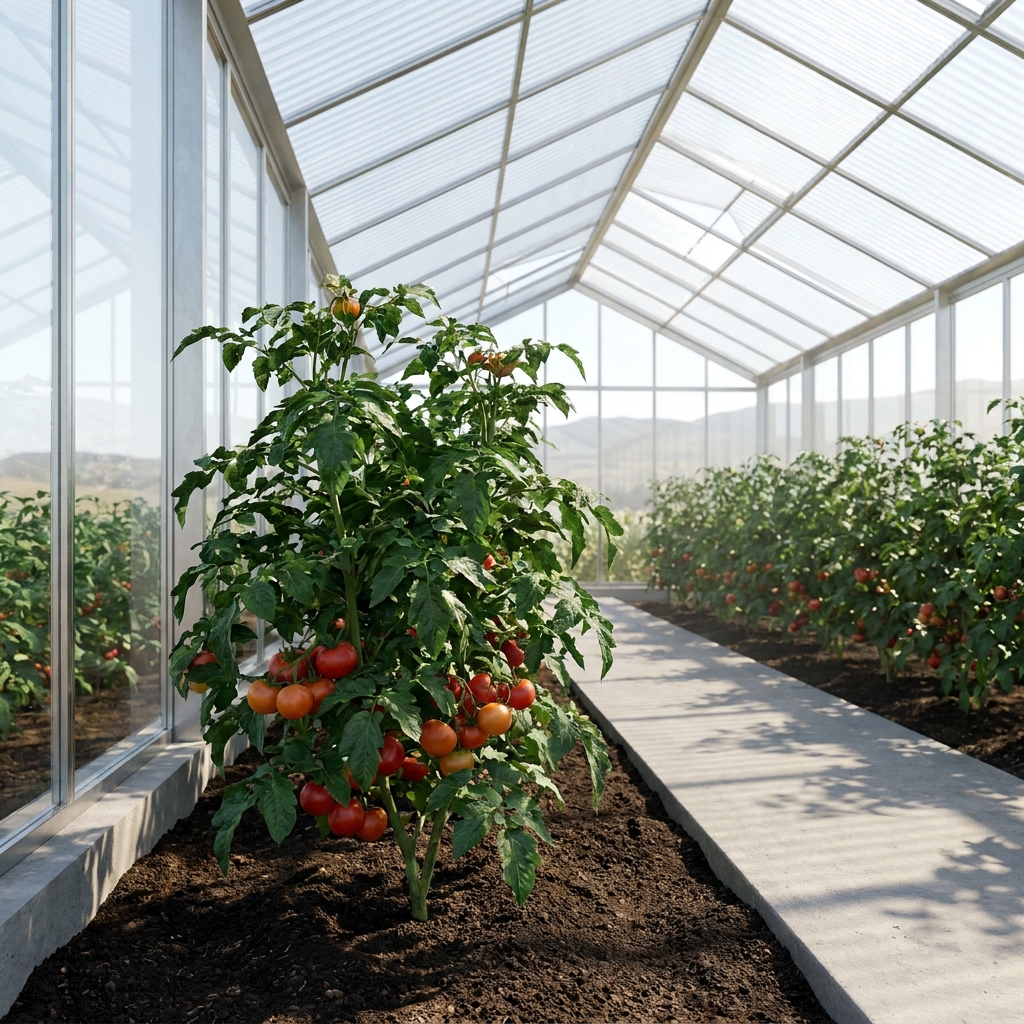
Students often struggle to believe that invisible gases like carbon dioxide can turn into something as solid as a tree trunk. That is why the “Why it matters” section is so useful. It links the photosynthesis process directly to our food supply. When students realize that crops like tomatoes and lettuce are converted air and sun, the abstract chemistry suddenly has a purpose. It moves from being a dry fact to a biological reality that puts food on their tables.
You will find that the lesson takes about 45 minutes of instructional time, making it a reliable choice for your curriculum. I find it most useful as an intervention tool for a student who missed the week of initial instruction, as the logical steps provided in the material are very sequential and easy to follow without needing a teacher to deliver a long lecture. The vocabulary is accessible, and the focus on the Central Valley context keeps it relevant. Just be prepared for a few students to push back against the idea that soil is not the primary food source; that moment of cognitive dissonance is exactly where the real learning happens. By keeping the Central Valley agricultural examples front and center, you help students see that this is not just textbook theory, but an observation of the world they interact with every day.
Related lessons
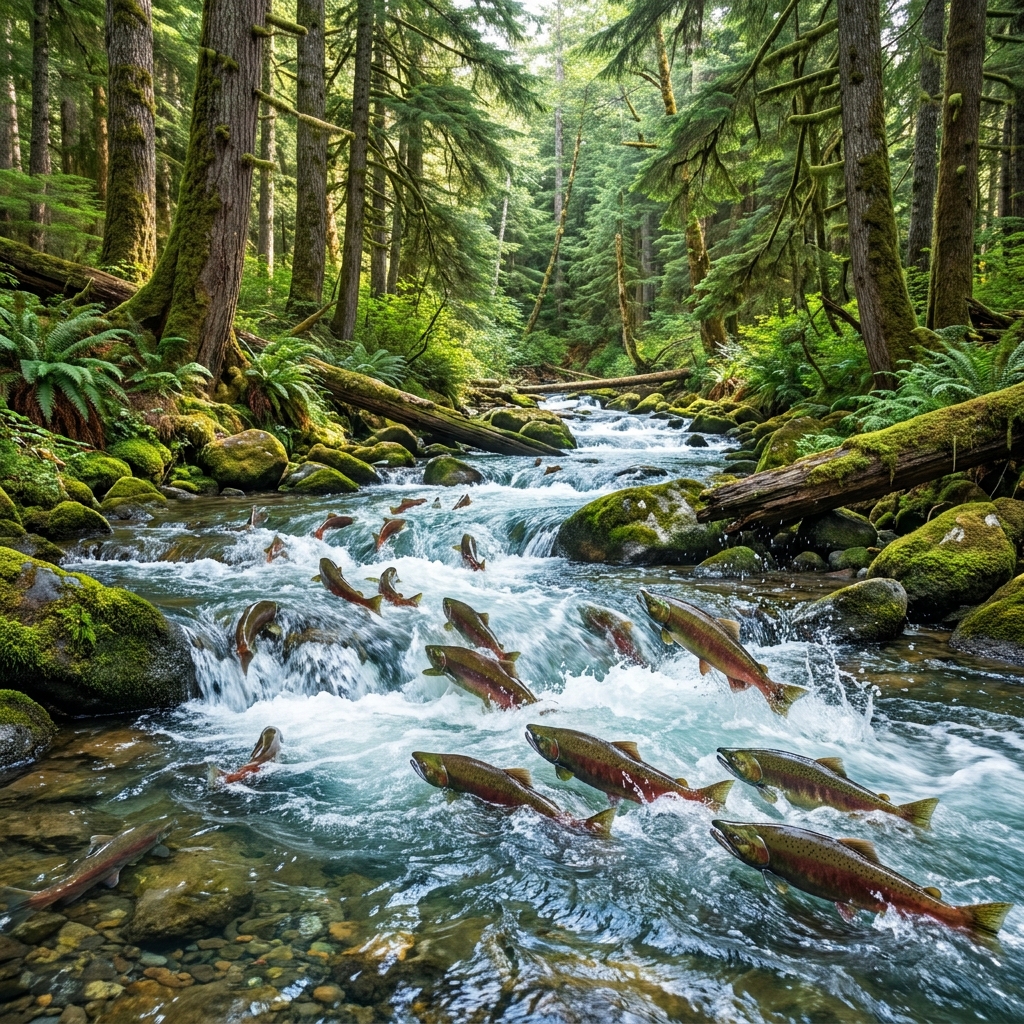
Human Activities and Matter Cycling in California, Discusses how human actions impact matter cycles within California ecosystems
Matter Cycles in California Ecosystems, Explains how matter moves through various environments in the state