

I remember sitting in a seventh grade classroom right around February. A student handed me a biology lab report on plant cells and pointed at a word in the second paragraph. They were frustrated. They told me the word stopped their progress, and they did not know what it meant. This is a common scene when students transition from reading narrative stories to digging into dense technical texts. They hit a wall of jargon, and the dictionary is not always the best tool to get them moving again. As teachers, we aim to provide reliable support, yet the sheer volume of material in the middle of the school year often forces us to move faster than we would prefer. This is where a targeted digital resource for reading literacy in science becomes a practical addition to your toolkit.
When you have a class where students are at different levels, or you are managing a day where you have three students who missed the week and need to catch up on assignments, a self-contained digital lesson is a lifesaver. This 7th grade English Language Arts lesson, Decoding Science: Understanding Technical Terms, provides a clear path for students to build their confidence. It addresses the exact challenge my student faced with that lab report. The material introduces the concept of context clues not as a dry rule, but as a set of hints hidden in plain sight. It explains that when we read, we often encounter words that seem difficult or unfamiliar. Good readers know that they can look at the words surrounding an unknown term to uncover its meaning. These surrounding words are called context clues, and they act as hints that help us figure out the definition of a word without needing a dictionary.
The lesson uses specific examples to show how this works. One scenario defines an organism as any individual living thing, such as a plant or an animal. It then defines a habitat as the specific natural environment where it finds the resources necessary to survive. By using these short, relatable examples, the lesson demonstrates that technical definitions are often embedded right in the sentences we read. Students get to move from these clear examples into a guided practice session involving a lab report about plant cells, which keeps the work grounded in the type of reading they actually encounter in their science courses.
What the lesson actually asks students to do
The core objective is to identify the meaning of scientific and technical words by locating and using clues found in the surrounding text. The lesson focuses on CA.ELA.RST.6-8.4, which asks students to determine the meaning of symbols, key terms, and other domain-specific words and phrases as they are used in a specific scientific or technical context relevant to grades 6-8 texts and topics. This requirement is the same across the state, whether taught in Sweetwater Union High School District, San Bernardino City Unified, Moorpark Unified, or Ocean View School District.
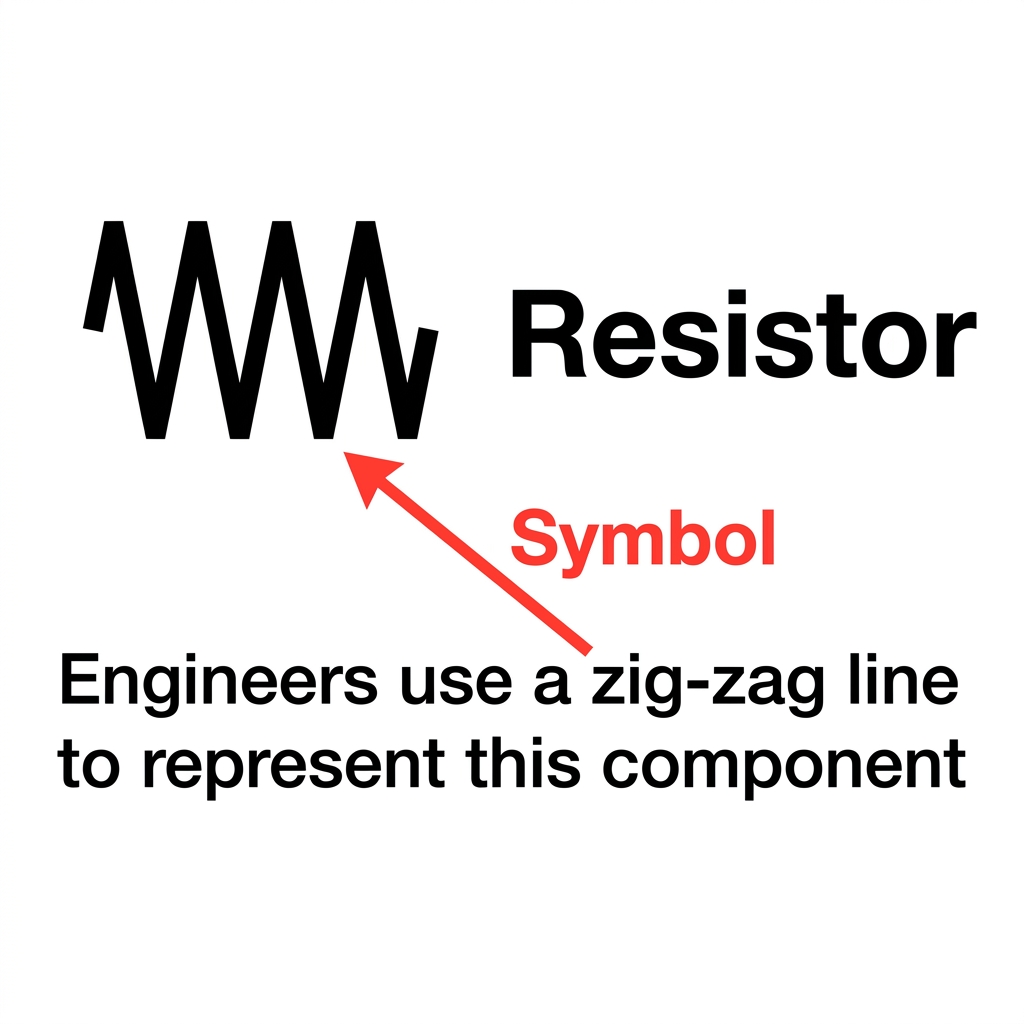
The standard is split into parts that build on each other. It asks students to handle both words and symbols, treating them as pieces of evidence in a larger puzzle. Students must look at how a term acts in the immediate context of a specific scientific argument. This is hard work. It requires a level of patience that middle schoolers often find taxing. They want to rush to the end of a page. This lesson forces them to slow down and treat every sentence as a source of information. It gives them a strategy they can carry with them long after the 45-minute timer hits zero.
Where students slip
One challenge I see regularly is that students tend to panic when they see words they do not recognize. They assume that if they cannot define a term immediately, they have failed the reading task. This lesson helps move them away from that mindset by showing them that they do not have to memorize every technical term in the textbook. They just need to be detectives. I find that this approach is effective for intervention groups because it removes the fear of the unknown. It turns a technical, scary document into a manageable string of clues.

You might consider using this as a whole-class assignment to kick off a unit on scientific writing or keeping it in your sub folder. It is also a solid option for independent study when a student needs a quick, meaningful way to spend 45 minutes on ELA standards. One thing to watch for is that the lesson relies on the reader being willing to look back at the previous sentences. If your students are particularly prone to skimming, you may want to circulate the room and remind them to keep their finger on the line they are analyzing. They need to see the connection between the definition and the environment of the sentence itself. It is a simple habit, but one that changes how they read for the rest of the year.
Related lessons
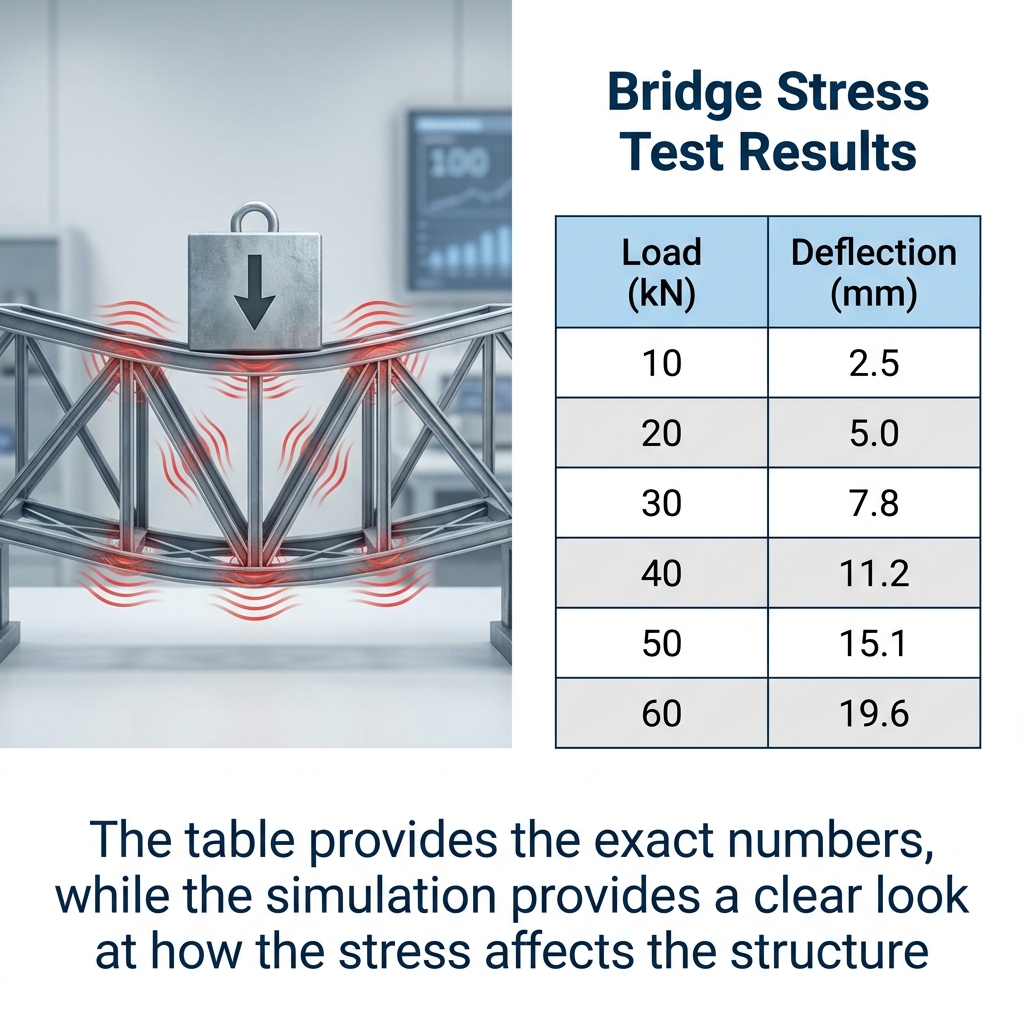
Comparing Text and Multimedia in Science, Analyzing how scientific information is presented across different media formats

Distinguishing Facts from Opinions in Scientific Texts, Sorting objective scientific evidence from subjective author claims and beliefs

Integrating Text and Visuals in Science, Connecting written information with charts and diagrams in science texts