

Students often mix up amplitude and wavelength when they first encounter wave mechanics. They see a ripple and want to talk about how fast it travels rather than identifying the distance between peaks or the height of the wave crest. In Understanding Waves and Energy, you will find a direct way to clear up that confusion for your 4th grade science class. This lesson is perfect for a whole-class assignment or for a student who missed the week and needs to catch up on physical science concepts.
Defining wave mechanics and energy
The core of this lesson is straightforward. It asks students to model how waves function as repeating patterns of motion that carry energy. The material uses a familiar scene in the Sierra Nevada mountains to illustrate the concept: a pebble hitting a calm lake creates ripples that move outward. These ripples are the starting point for explaining that waves transfer energy through patterns. When students analyze these patterns, they must understand that amplitude is the height of a wave from its middle point to its highest point, and wavelength is the distance between one peak of a wave and the next peak. By defining these terms clearly, you give the class the vocabulary they need to observe physical phenomena without guessing.

The lesson asks students to explain how that energy transfer causes objects to move. This is exactly what the standard 4-PS4-1 requires. California educators across districts like Orange Unified, Moreno Valley Unified, Norwalk-La Mirada Unified, and Klamath-Trinity Joint Unified teach this same material to meet these requirements. The objective is to ensure that students can develop a model of waves to describe patterns in terms of amplitude and wavelength and that waves can cause objects to move. It is the California-adopted standard, and keeping the focus on how energy moves an object helps ground the abstract math of wavelengths in the physical reality of the world around them.
Connecting waves to the California landscape
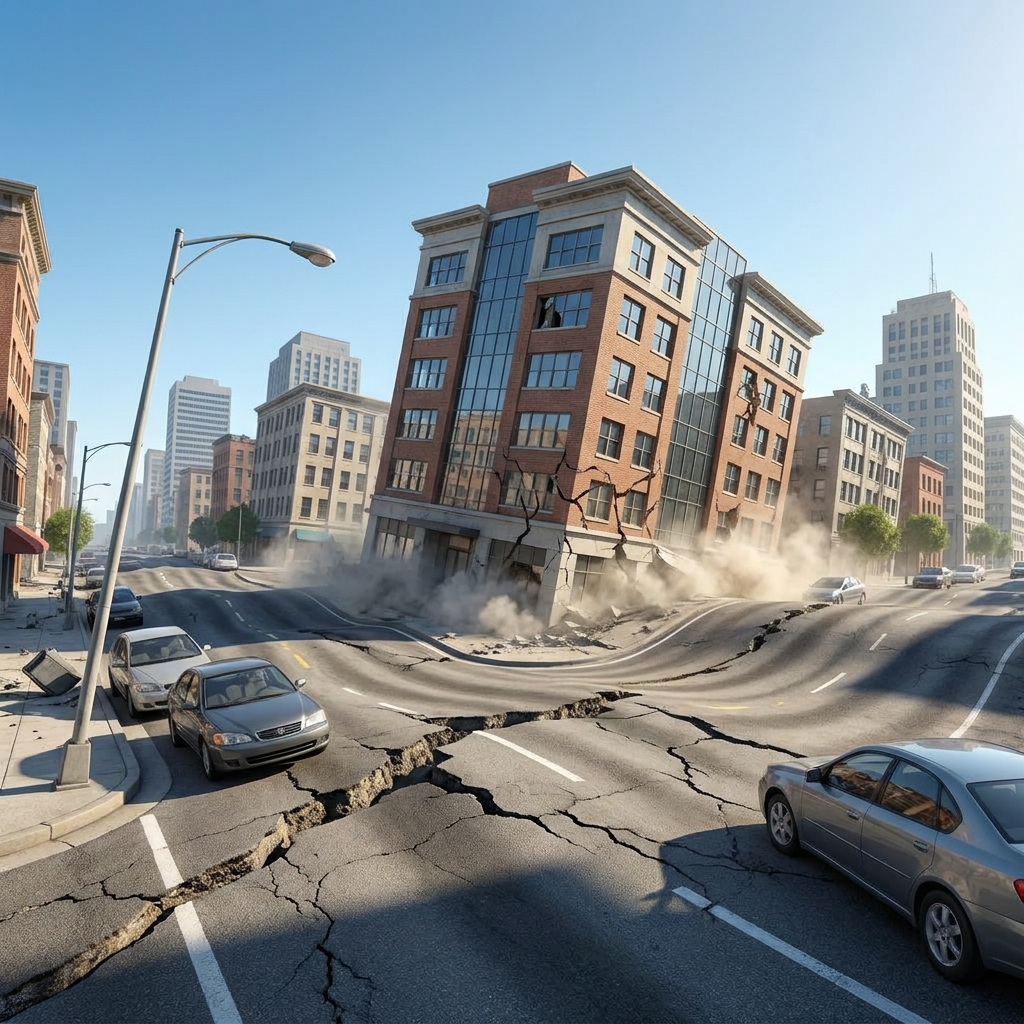
Once the definitions are set, the lesson shifts to seismic waves, which are patterns of motion in the earth that transfer enough energy to move buildings. This example brings the science into the real world. During guided practice, students analyze waves hitting a coastal cliffside. This part of the lesson addresses the CA addition to the standard, where California contextualizes this content with local geological features including the San Andreas Fault, the Sierra Nevada, and coastal erosion. By looking at how waves shape the coastline, students see that energy transfer has a lasting physical effect on the state’s natural landscape. This is where you can challenge the students who grasp the definitions quickly: ask them to predict how changing the amplitude of a wave would change the impact on a coastal cliff.
You will notice that the lesson emphasizes coastal erosion as the wearing away of land and the removal of beach or dune sediments by wave action. It explains that coastal engineers study wave energy to protect beaches from this process. They use their knowledge of how wave amplitude affects energy to predict how much erosion will occur. This is a practical application of the science they are learning. It shows students that understanding these patterns is not just a classroom exercise, but a method used by professionals to design protective structures that keep sand in place. The lesson moves from these ripples on a mountain lake to the forces that shift the entire coast, creating a solid narrative for a 45-minute block of instruction.
Practical application for the classroom
I suggest using this lesson as a primary tool when you introduce your physical science unit on energy. Because it includes a clear prior-knowledge opener, it is also a reliable choice for a substitute day when you want to ensure the class continues making progress toward the CA.4-PS4-1 standard without needing a complex transition. When students are working through the guided practice, walk around and listen to how they describe the motion of the waves. If you hear them describing movement without mentioning the energy transfer, prompt them to connect the two. Asking them how the height of the wave relates to its potential for moving sand on the beach usually sparks the right kind of conversation.
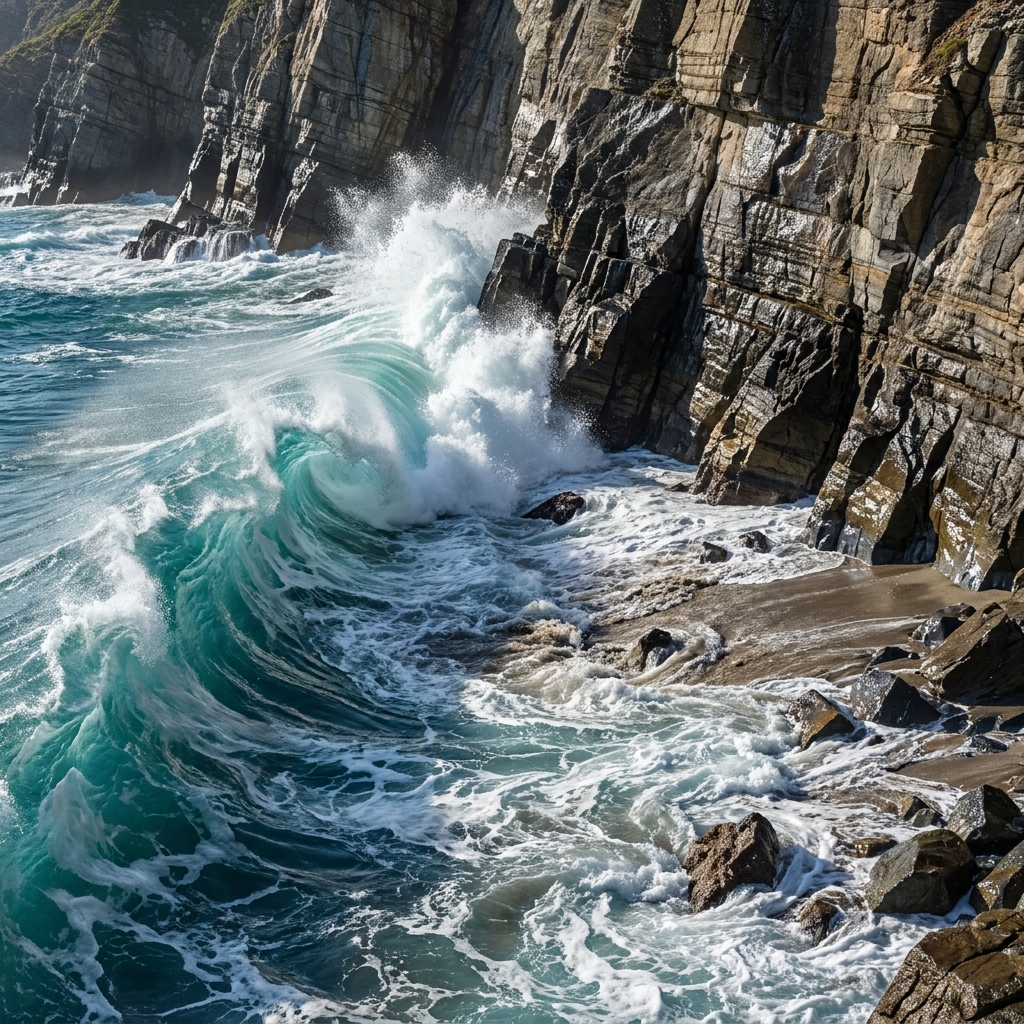
There is one small caveat: the math of wavelength and amplitude can feel dry if you don’t keep referring back to the visual models. Make sure students draw their own waves and label the amplitude and wavelength clearly before they try to explain the movement of the coastal cliffs. If they draw the model, they own the concept. If they just look at the screen, they might lose the connection between the definition and the reality of the wave motion. This lesson provides the structure you need to keep that connection strong throughout the period. Keep the focus on the patterns, and the students will find the logic in the movement.
Related lessons

Energy on the Move, Investigate how energy travels from one place to another
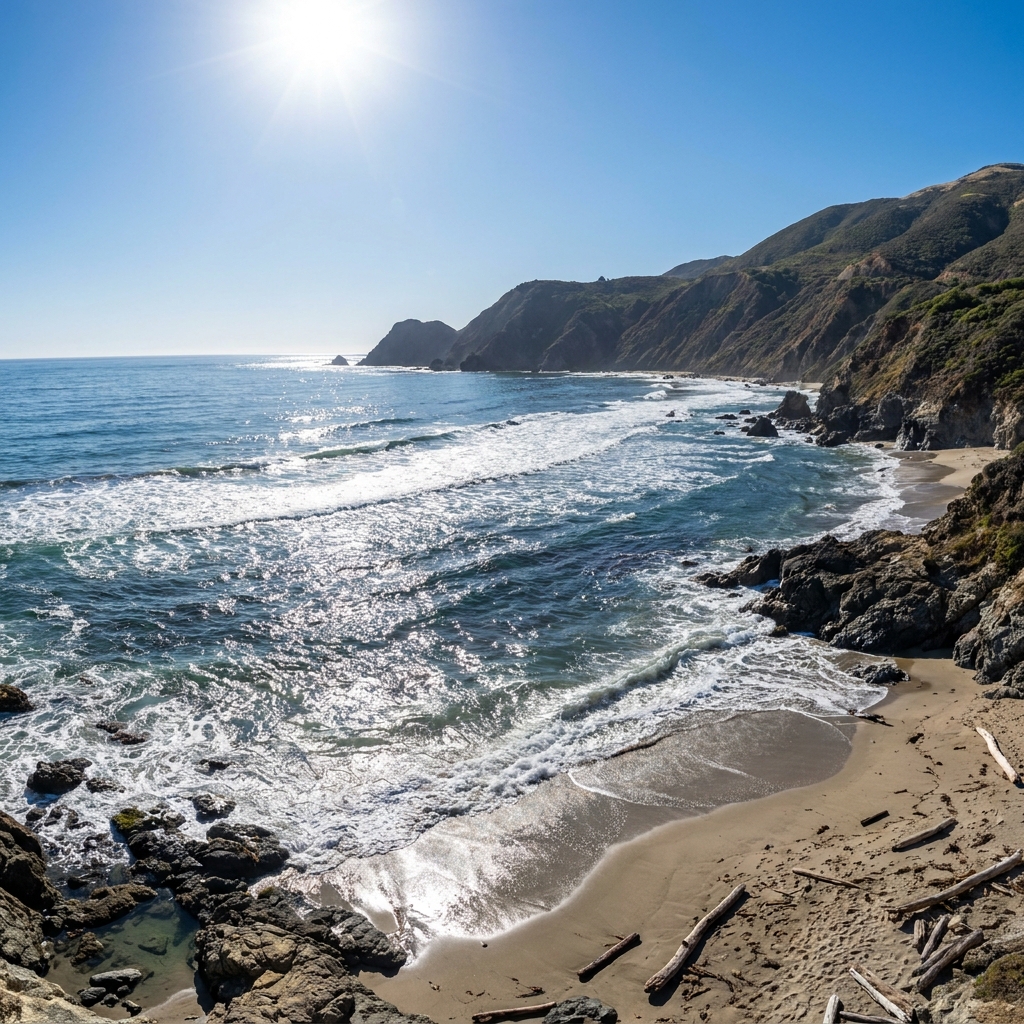
Solar Energy and California's Weather, Examine the role of solar energy in driving weather
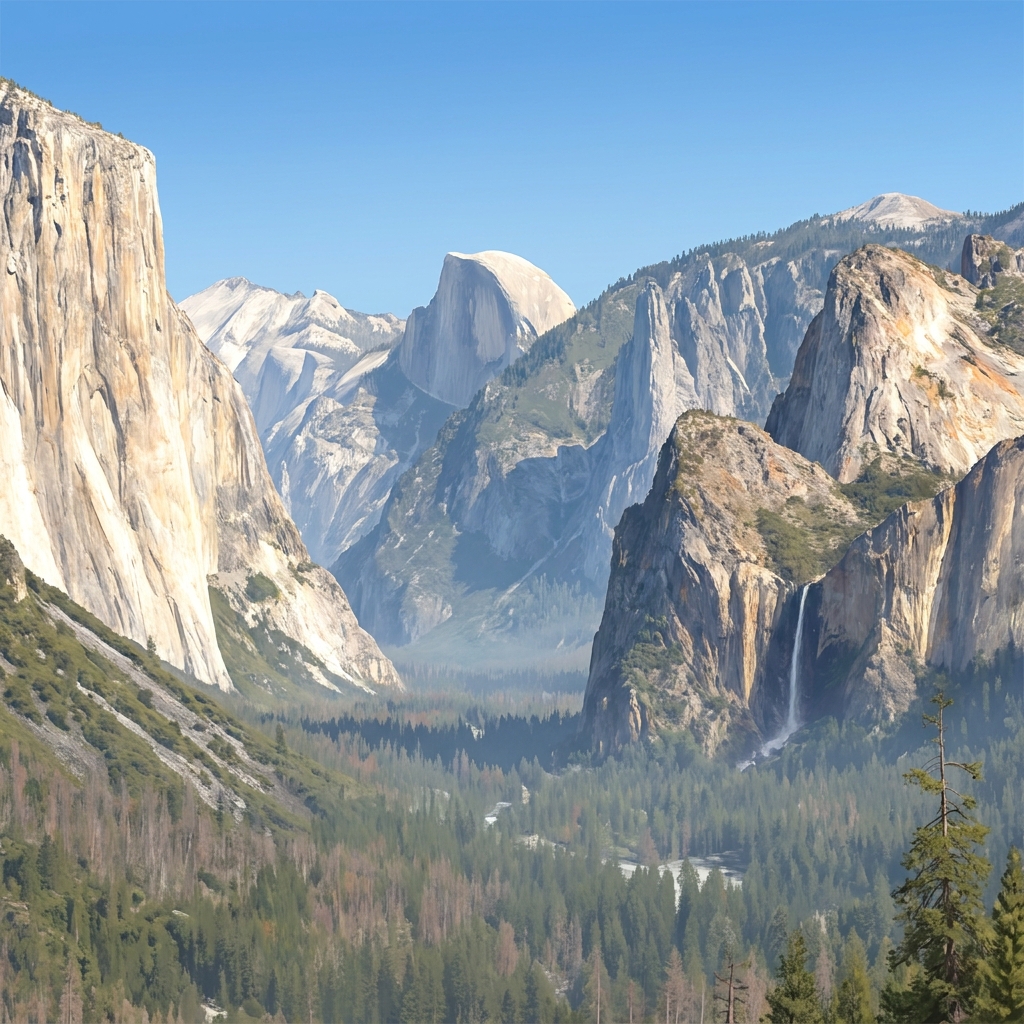
Seeing the World Through Light, Understand how light waves enable us to see objects