

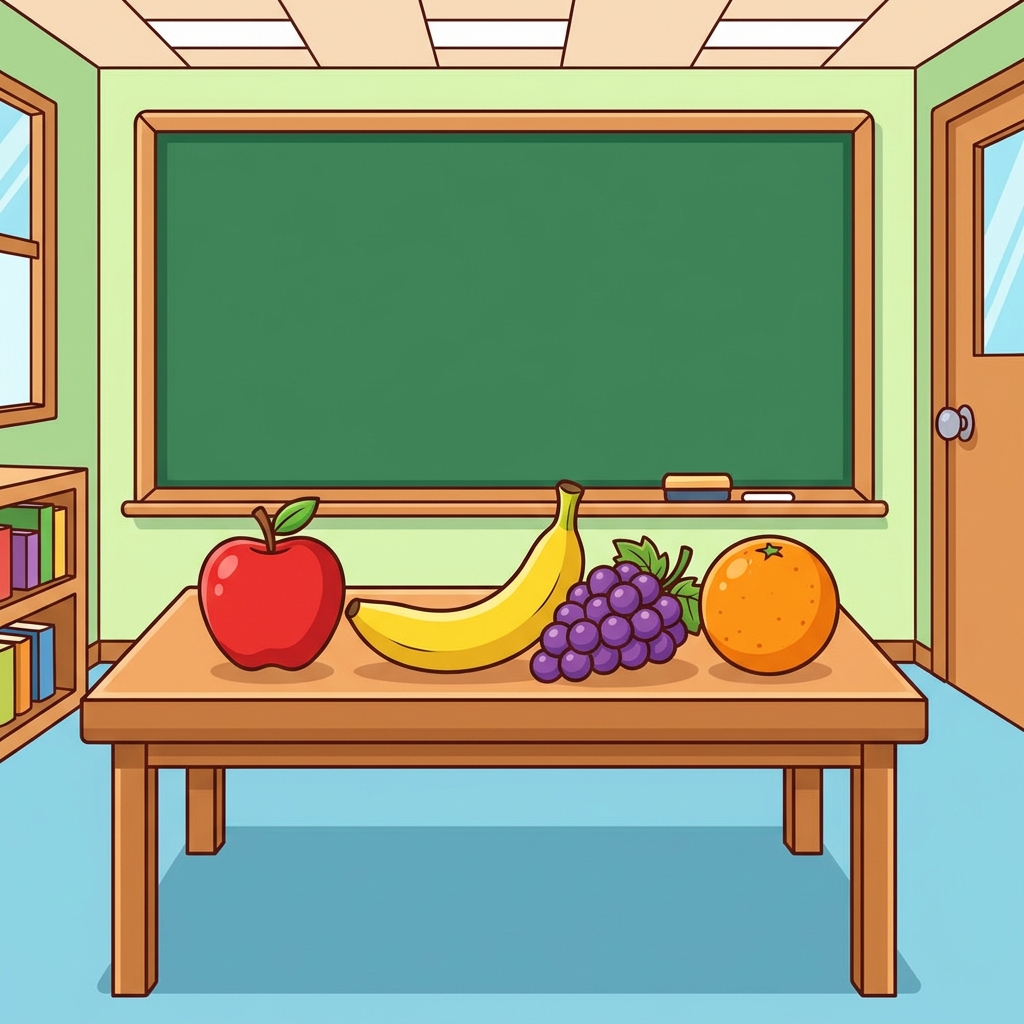
A parent once asked me why we spend so much time having five-year-olds sort pictures of fruit and shapes instead of just reading books all day. It is a fair question, especially when you are trying to squeeze every minute of academic progress out of a busy day in a kindergarten English Language Arts class. The truth is that before a student can read a complex sentence, they have to understand that language acts as a system of labels and relationships. If they do not grasp how words fit together, the later work of deciphering a plot or an argument becomes nearly impossible.
That is why I appreciate Words and How We Use Them. It is a brief, fifteen-minute activity that hits the foundational skills your students need to organize their mental dictionaries. Whether your students are in Fontana Unified, Riverside Unified, Pajaro Valley Unified, or Alisal Union School District, they all need to learn that language is not just a list of random items, but a series of related concepts.
What the lesson actually asks students to do
The core objective here is straightforward: we will learn new words and sort things together. The lesson moves through four distinct parts that build on each other. First, students look at common objects like shapes or foods and sort them into categories. This helps them understand the concept behind a grouping rather than just identifying single items. Then, the lesson introduces antonyms for common verbs and adjectives. Getting a student to realize that cold is the opposite of hot is the first step toward understanding nuance.
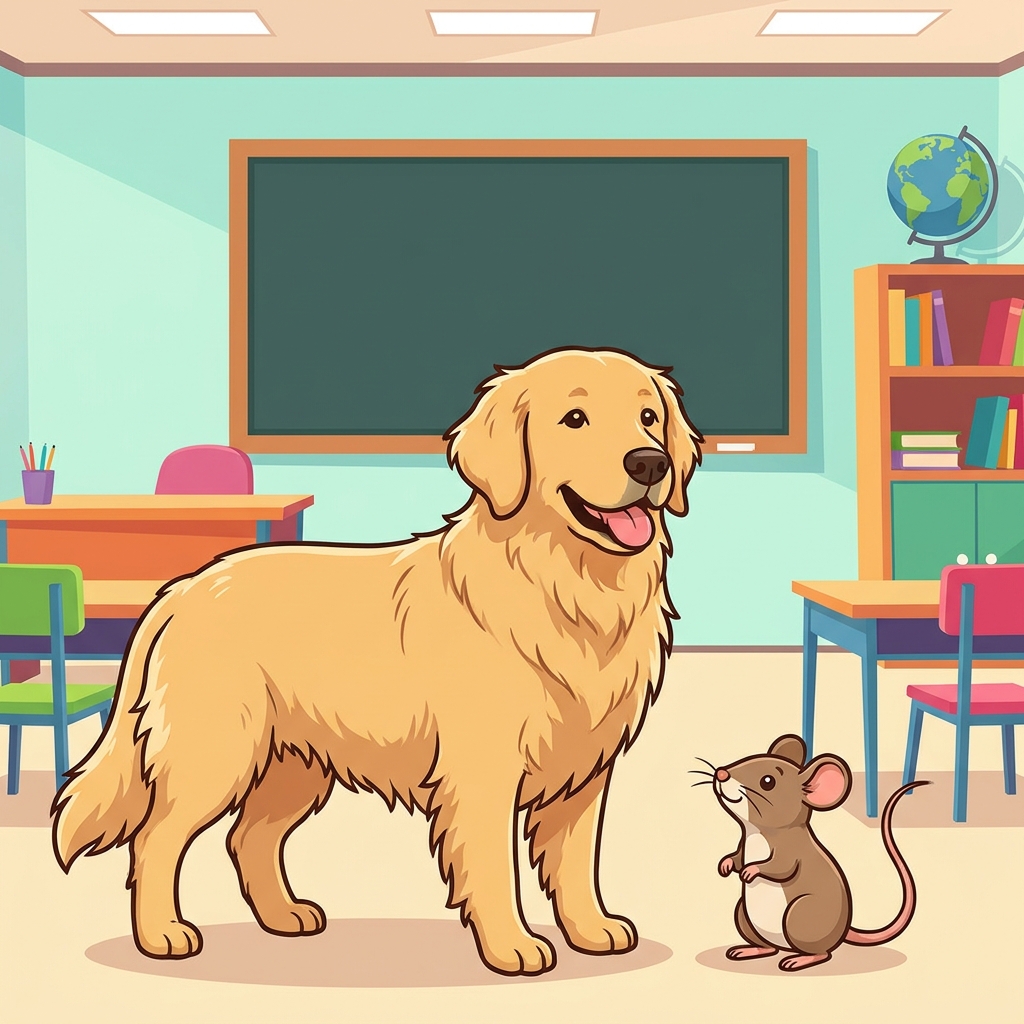
Next, the lesson moves to real-life connections. You are asking your students to look around the classroom and notice how language maps to their environment, like pointing out which parts of the room are particularly colorful. Finally, it asks them to distinguish shades of meaning in verbs like walk, march, strut, and prance by acting them out. I find that when kids actually have to physically perform these movements, they stop seeing those verbs as synonyms and start seeing them as distinct ways of describing an action. This is a very effective way to teach kindergarten English Language Arts, as it engages their need to move while they learn.
Connecting to the standards
This entire lesson is built to support CA.ELA.L.K.5. This standard asks that, with guidance and support, students explore word relationships and nuances. It is the California-adopted standard that sets the stage for everything that follows in the language domain. The standard has four parts. Part A covers sorting common objects to understand categories. Part B focuses on demonstrating understanding of frequently occurring verbs and adjectives by relating them to their opposites. Part C tasks students with identifying real-life connections between words and their use, and Part D asks them to distinguish shades of meaning among verbs. Each part adds a layer of depth, moving from simple classification to the realization that words are not static.
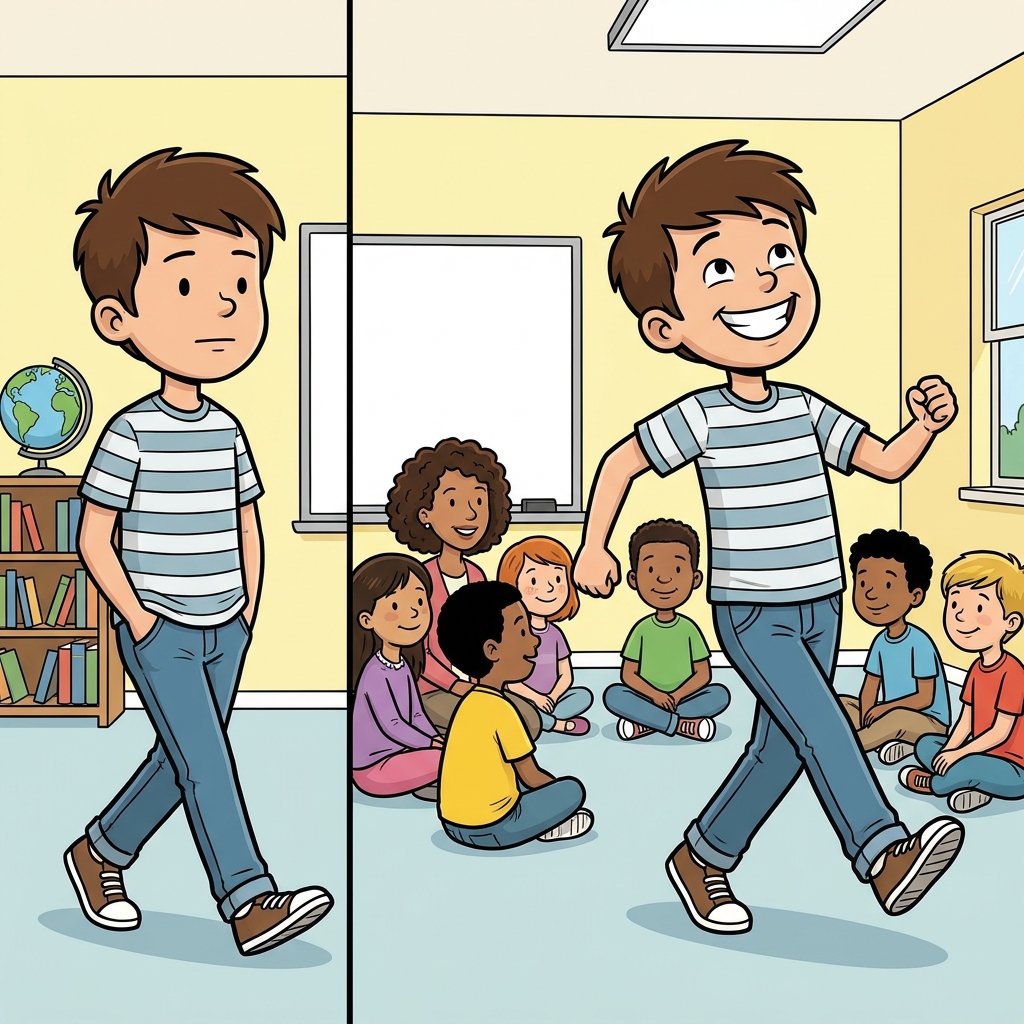
If you have a student who missed the week or someone who needs a little extra intervention on how language works, this works well as a small-group activity. It is also a handy resource to pull for a substitute day. My one caveat is that the acting-out portion for Part D can get a little noisy. You might want to have a clear plan for how the kids move through the room when they are asked to prance or march, or you might find yourself managing a classroom full of strutting children instead of a vocabulary lesson.
This lesson fits well into the learning path because it prevents a common gap. When kids struggle with reading in second or third grade, it is often because they lack the underlying ability to categorize information. By teaching this now, you are building the mental shelves they will use to store all the information they learn in the coming years. It feels like a small thing to sort shapes or act out a walk, but it is the bedrock of their future literacy. When you start with these basic associations, you make the jump to reading text much more manageable for everyone in the class.
Related lessons
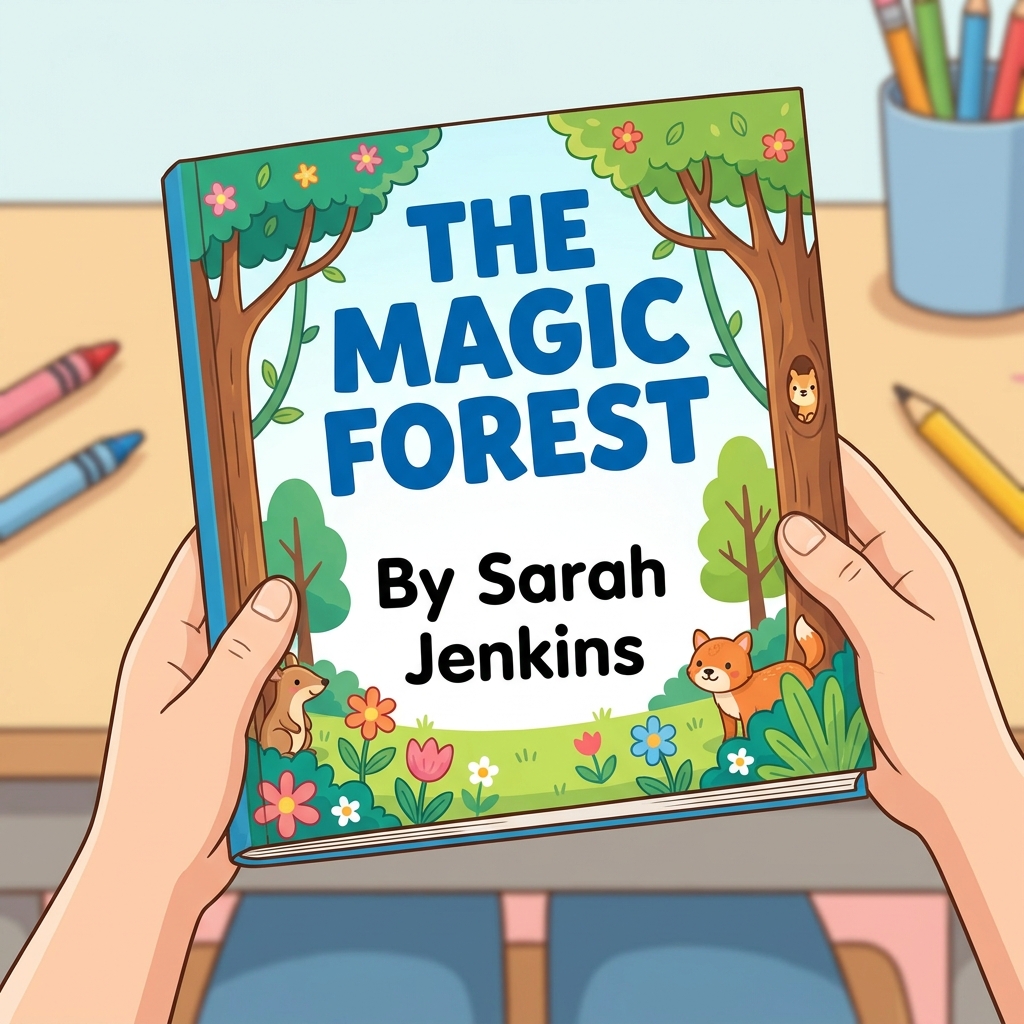
Who Made the Story?, Identifying the author and understanding the creation of a story
Why Did the Story Happen?, Learning to identify basic cause and effect in narrative
Books and Poems, Distinguishing between different types of written texts and formats