


A student staring at a blank screen for a twenty-minute quick-write often panics because they try to treat it like a term paper. They overthink the introduction and waste precious minutes on a title page. It is a common friction point in the middle school classroom. When I see this, I know it is time to work on their sense of scale for writing assignments. That is exactly what Adapting Your Writing for Different Tasks aims to solve for our 7th grade ELA students.
This lesson breaks down the difference between tasks that need an extended time frame and those that require a short time frame. It introduces the term writing adaptation, which the lesson defines as the process of changing your tone, length, and level of detail to match the specific goal, audience, and time available for a writing task. The lesson uses clear scenarios to illustrate these adjustments. For instance, it contrasts a multi-week historical research project on the American Revolution with a quick peer response in a history class. Students see that a formal analysis requires complex sentences and academic vocabulary, whereas a quick response should be direct and conversational.
What the lesson asks students to do
When you assign seventh grade writing adaptation strategies, you are giving your students a framework for thinking about their own process. The lesson guides them through the distinction between drafting over several days and composing in a single sitting. It reminds students that good writing is intentional. The materials explain that writing adaptation is a skill used throughout life, from drafting professional emails to writing school reports. By focusing on these shifts in style, you help your students build writing fluency across all their courses.

The lesson directly supports CA.ELA.WHST.6-8.10, which asks students to write routinely over both extended and shorter time frames for various discipline-specific purposes and audiences. This is the California-adopted standard, and it is taught in the exact same way across Elk Grove Unified, Twin Rivers Unified, Burlingame Elementary School District, and Sanger Unified. It is a vital standard because it forces students to move beyond the idea that all writing is the same. It acknowledges that science lab reports require a different voice than a reflective piece on a historical figure.
Where students slip and how to use this
In my experience, students often struggle with over-writing when the prompt asks for a concise answer. They fear that brevity equals lack of intelligence. If you watch them work, you might notice them stalling on the guided practice portion, where they must craft a quick response to a peer. If you see this, nudge them to focus on the immediate purpose rather than elaborate structure. This lesson is a great fit for a student who missed the week or as a standalone substitute day when you want to keep the class focused on practical skills. You could even use it for independent study or as a brief intervention during your writing workshop block. Because it takes about 45 minutes, it fits neatly into almost any schedule. It is a simple tool to get them thinking before they start their next big assignment in history, science, or your own classroom.

Related lessons
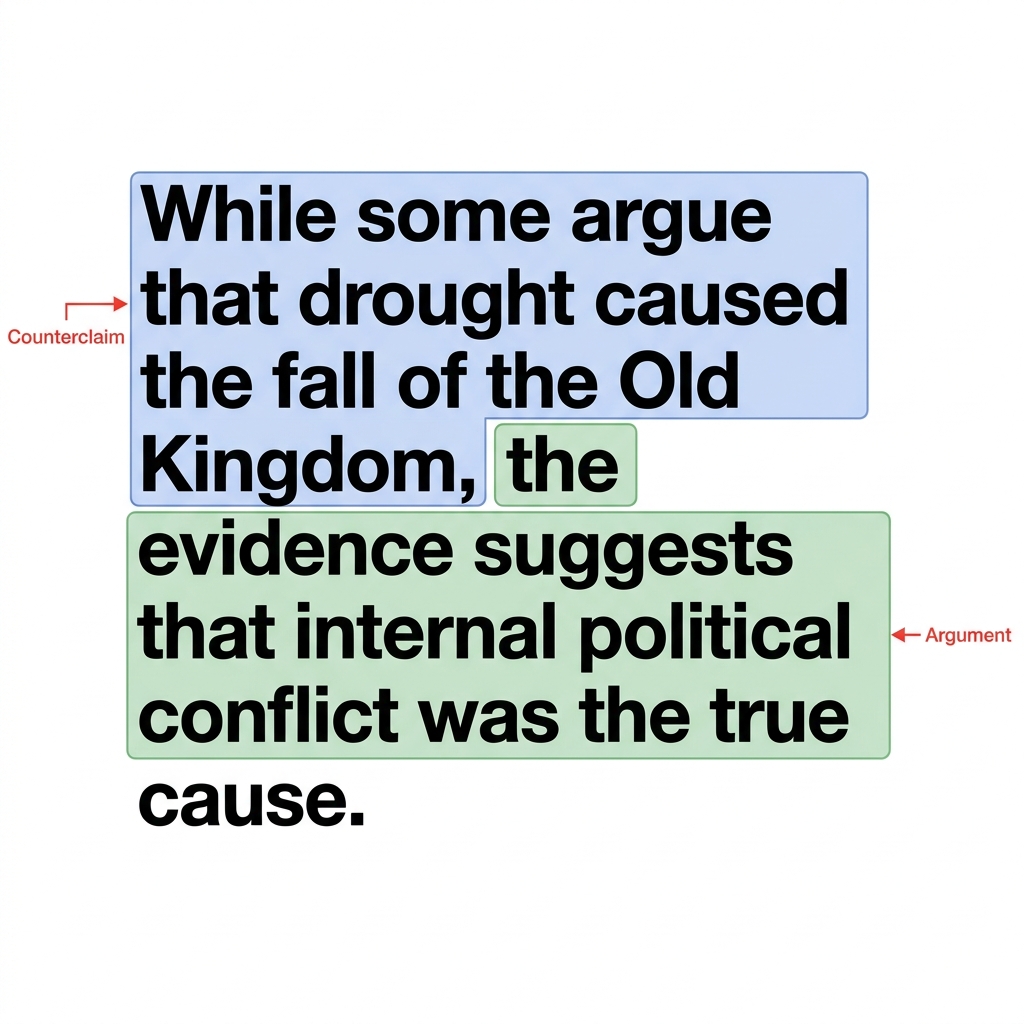
Constructing Strong Historical Arguments, Focuses on building logical arguments using specific historical evidence and analysis

Researching and Citing Historical Sources, Teaches the process of finding and properly citing diverse historical sources

Using Evidence to Support Your Ideas, Covers selecting and integrating textual evidence to strengthen written claims