

A parent once asked me if fifth graders really need to know the difference between the Spanish Reconquista and the Protestant Reformation, or if it is enough for them to simply memorize a few names and dates. It is a fair question, but it hits on the specific wrong turn students take when we teach 5th grade social studies. They often treat explorers as lone wanderers seeking adventure for its own sake. When students ignore the political and religious climate of the home countries, they miss the entire point of why these voyages happened in the first place.
We have to get past the idea of the lone explorer. To help your class understand the systemic pressure behind these voyages, I suggest using European Exploration: Reasons and Results. This lesson grounds the topic in the reality of trade and power. By the time students finish, they understand that a merchant in a European port was not just dreaming of the sea, but looking for a way to get spices and silk to increase national wealth. The lesson provides a concrete framework that prevents students from seeing these events as random occurrences.
Connecting history to the classroom
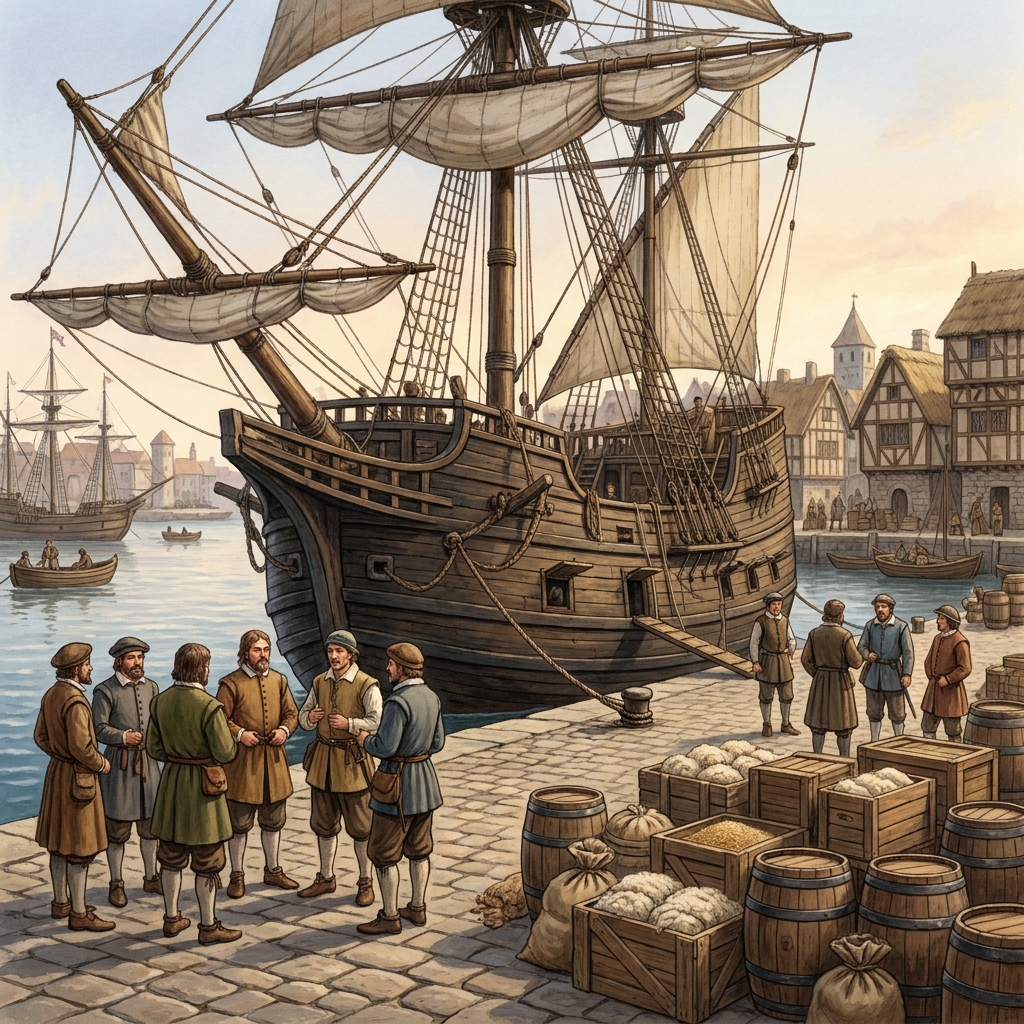
The lesson starts with a merchant looking at ships in a port city. This opener shifts the perspective from just the deck of a ship to the boardroom of a nation. It introduces the core concept of exploration, defined here as the act of traveling to new places to discover resources, spread beliefs, or gain power for a nation. This vocabulary is essential because it gives students a common language to discuss the motivation of countries like Spain and Portugal.
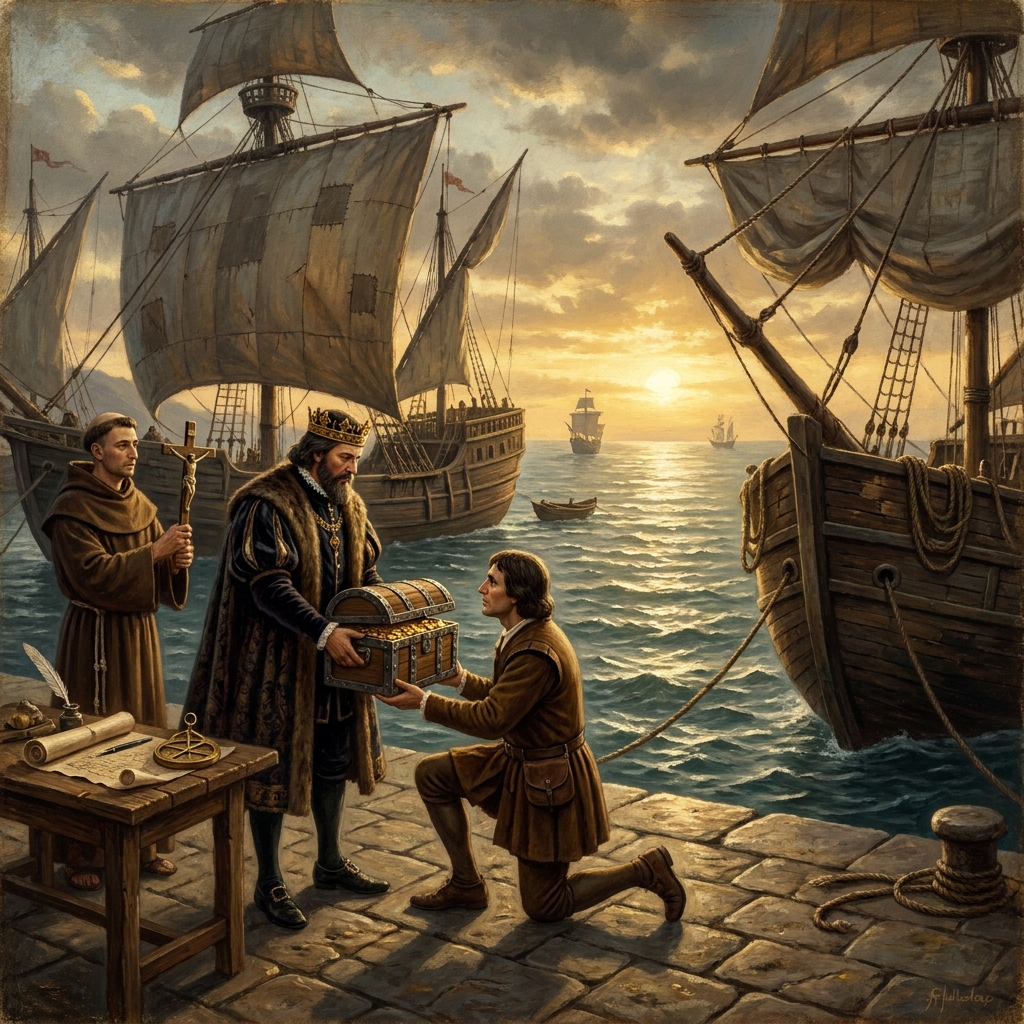
You can find this same standard taught across the state, from Chino Valley Unified and Los Angeles Unified to Chowchilla Elementary School District and Livermore Valley Joint Unified. The lesson covers the specific aims, obstacles, and accomplishments of the explorers and their sponsors. It explicitly uses the Spanish Crown’s funding of Christopher Columbus as a worked example to show how the desire for wealth and the goal of spreading Catholicism combined to drive these expeditions forward. Students also look at the impact of the Protestant Reformation, which split Europe into different Christian groups, and the subsequent Counter Reformation, which pushed Catholic nations to send missionaries to the Americas to regain influence.
Meeting the standard
The lesson is built to address CA.HSS-5.2.2. This California-adopted standard requires students to explain the aims, obstacles, and accomplishments of the explorers, sponsors, and leaders of key European expeditions, while also detailing the reasons Europeans chose to explore and colonize. It is a dense standard, but it is necessary for building a foundational understanding of how nations project power. Part of the challenge is keeping the vocabulary straight: students learn terms like Reconquista, which was a series of wars in Spain to reclaim territory and unify the country, as well as circumnavigation and the nature of a colony as a settlement ruled by a distant home country.
If you are looking for a reliable 5th grade social studies lesson, this one fits well because it balances the big picture with the personal risks these individuals took on their journey. It works well as a whole-class assignment to introduce the unit, or as a resource for a student who missed the week and needs a clear, structured way to catch up on the material.
Where students slip
The common mistake is assuming the explorers acted on their own initiative. Students often forget that explorers were hired employees. They had sponsors to please and national interests to serve. This lesson does a good job of emphasizing the role of the sponsors, such as the Spanish Crown. When students realize that exploration was often about competition between nations, the motives become much clearer. The lesson does not hide the complexity of the Reformation, which I find very helpful. A potential limitation is that the material is quite heavy on vocabulary; I usually spend a little extra time ensuring the students understand how the Counter Reformation directly led to more missionary activity in the Americas before we move on to the next topic.
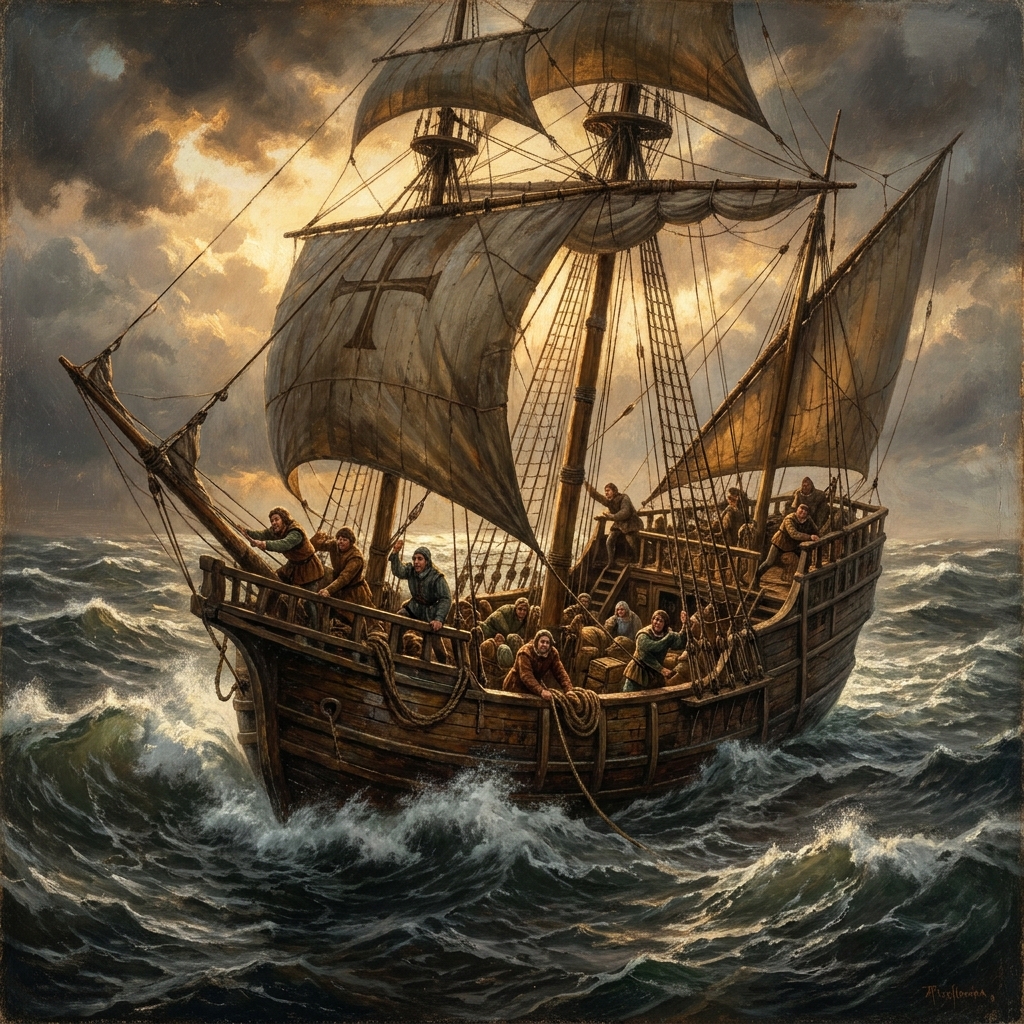
The lesson concludes with a why-it-matters statement that reminds students that exploration helped connect the world. By teaching them to look at the trade routes and the cultural exchange, we help them understand that our modern world was built on these early, sometimes violent, efforts to gain territory and influence. It takes about 45 minutes to get through the content, which fits nicely into a standard social studies block.
Related lessons
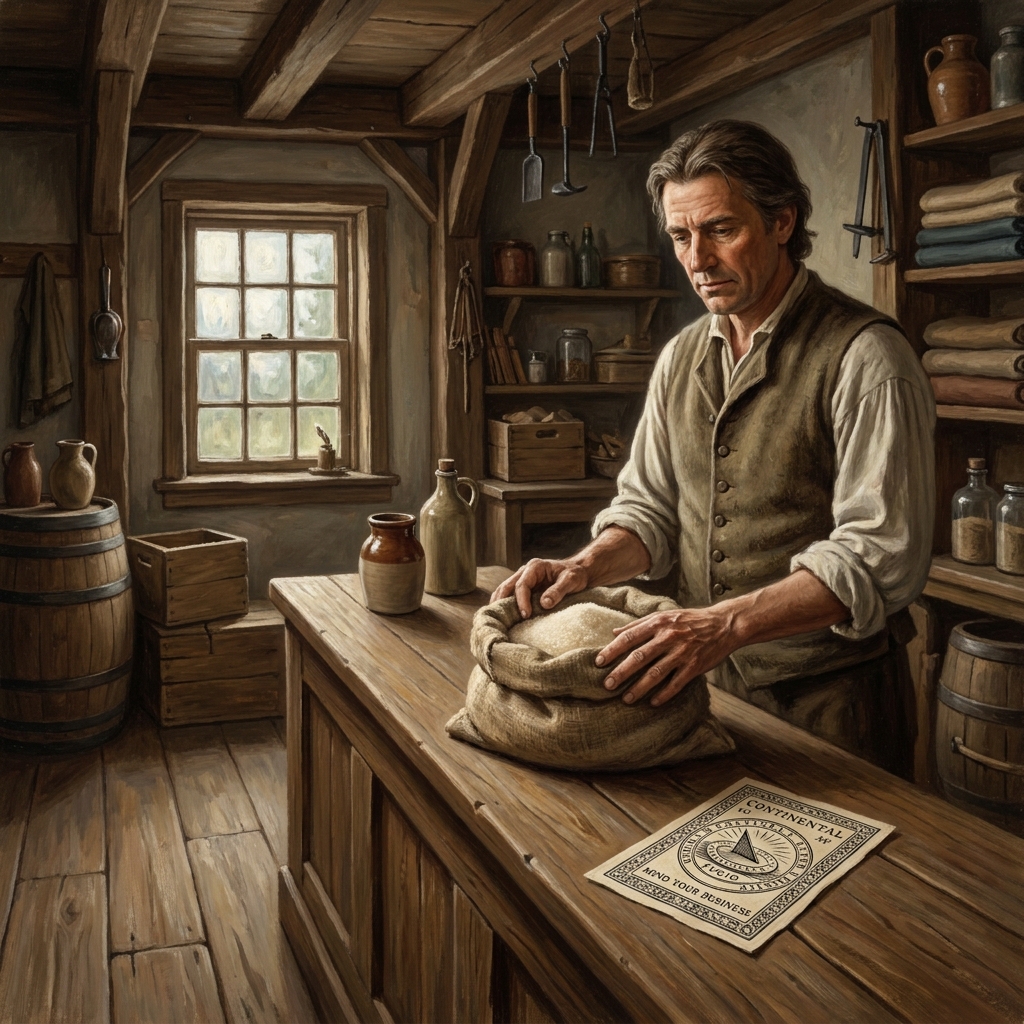
Hardship and Home Fronts in the American Revolution, Details the challenges faced by families during the Revolutionary War
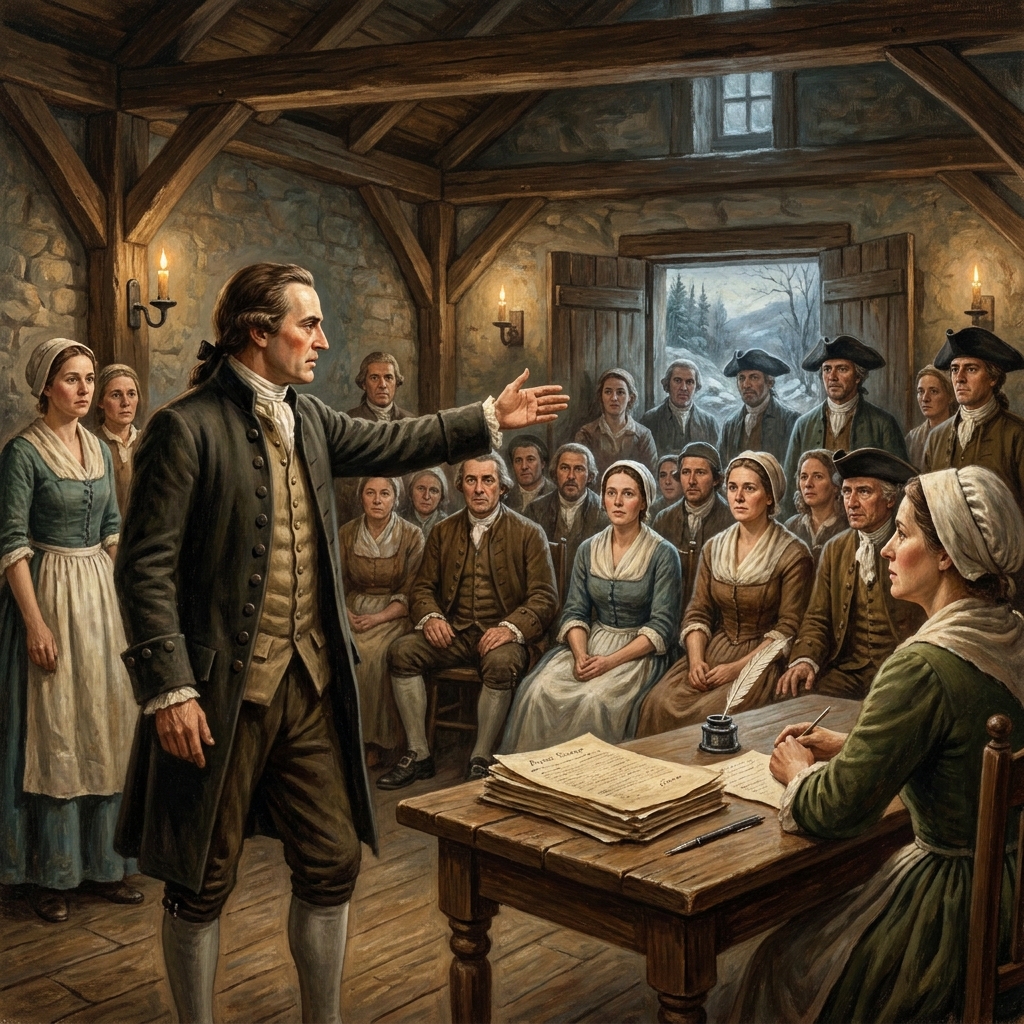
Leaders of the American Revolution, Covers the key figures and their roles in the revolution
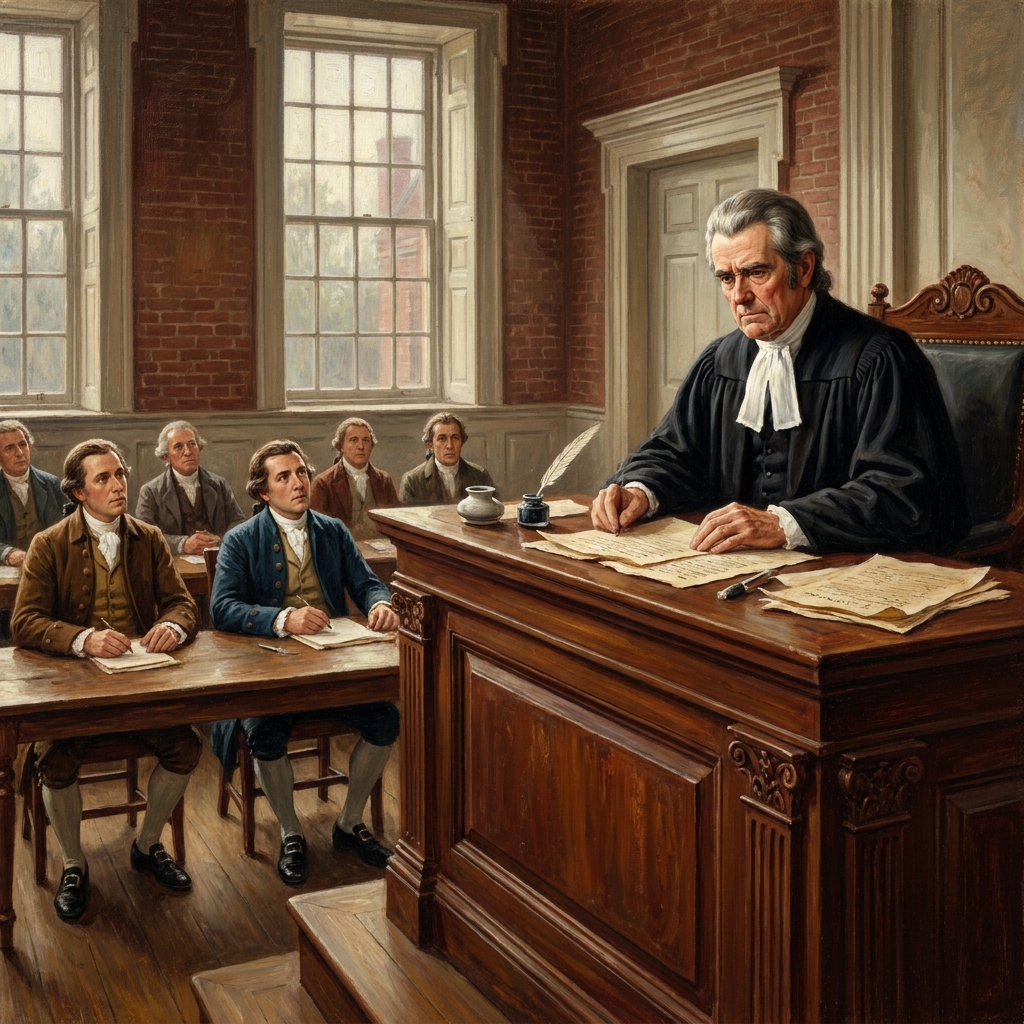
Leaders and Change in the Early United States, Explores how early national leaders shaped the new government