

You know how it goes this time of year in the classroom. We are constantly checking the calendar against the pacing guide, especially in middle school computer science, where the push toward project completion often squeezes out the quieter, more technical work of debugging. If you find your class scrambling to get programs running before the end of the term, Testing and Refining Programs is the exact kind of efficient, self-contained lesson that pulls a unit back together.
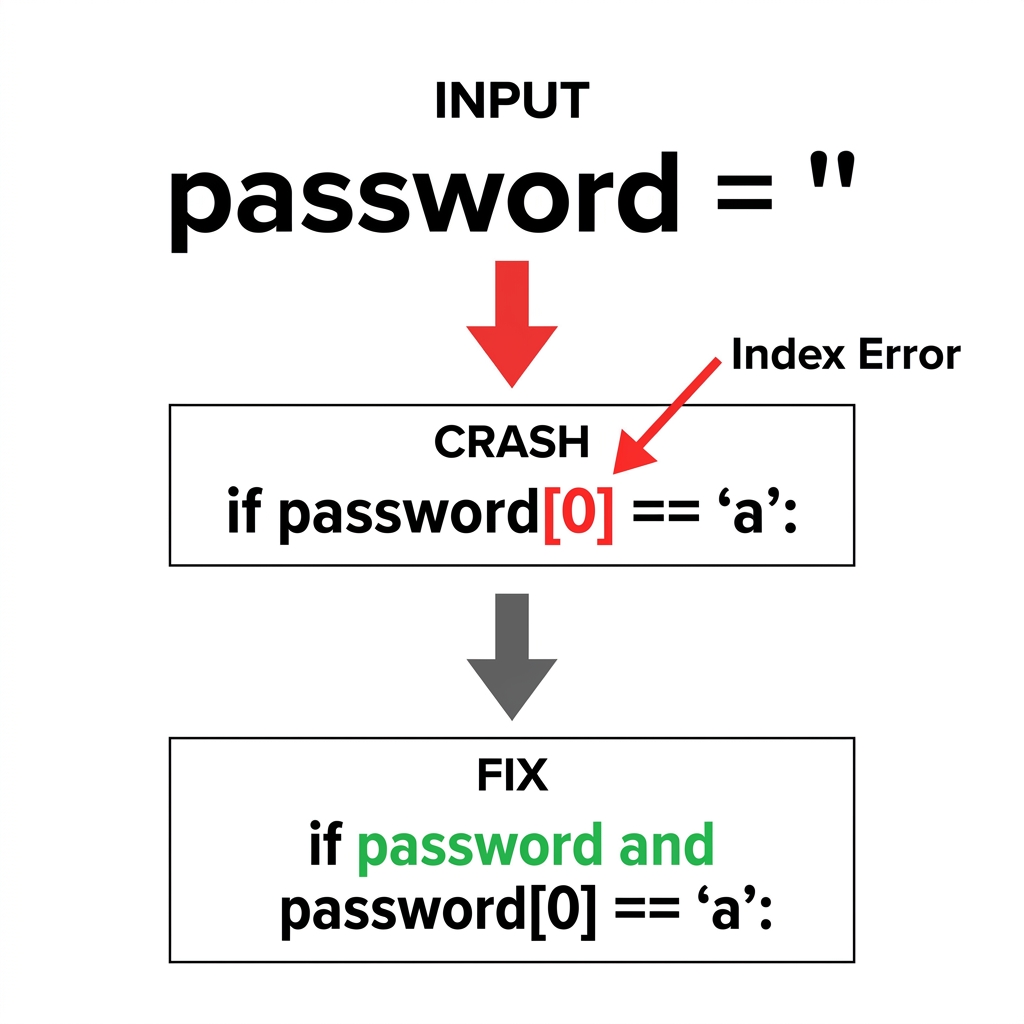
This 7th grade computer science lesson is built around the fundamental practice of systematic testing. It forces students to slow down and look at their code as a series of inputs and outcomes rather than just something that either runs or crashes. The material introduces three core vocabulary terms that provide a solid foundation for any student: a test case, which is a specific set of inputs and expected output to verify program function; a bug, defined here as an error or flaw causing incorrect or unexpected behavior; and a boundary case, which is an input value at the extreme end of an allowed range.
What the lesson actually asks students to do
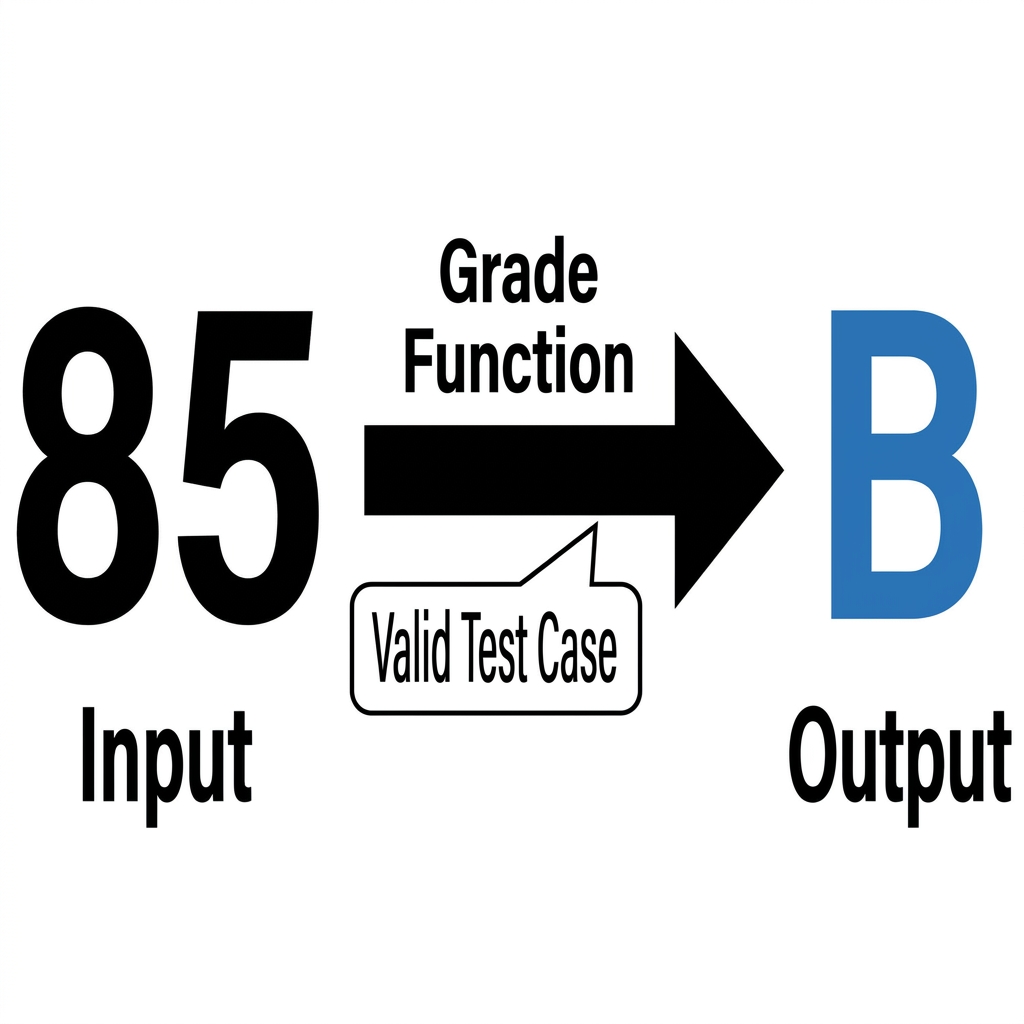
The lesson moves students through a logical progression, starting with simple addition logic before moving to more nuanced scenarios. It grounds the concept in real-world application, noting that engineers use these methods to ensure medical equipment is safe for patients. Students start by examining a grade calculator, where they learn that a valid test case, such as inputting an 85 to expect a B, is the bedrock of reliable programming. From there, they move into guided practice with a shopping cart program that hits a wall when the item price is set to zero.
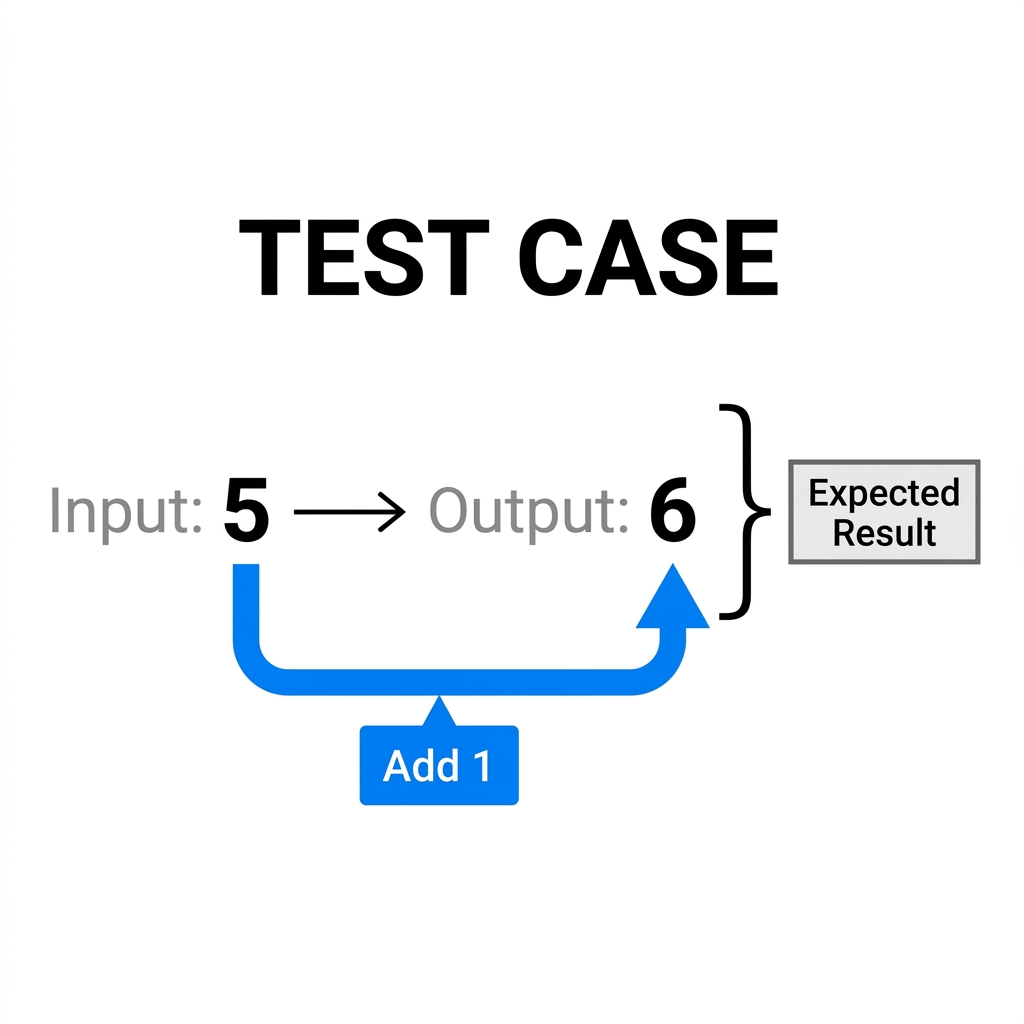
This specific approach aligns with the California-adopted standard CA.CS.6-8.AP.17. This standard asks that students systematically test and refine programs using a range of test cases. Teachers in Torrance Unified, Fresno Unified, Davis Joint Unified, and Oroville City Elementary School District are all teaching this same standard as part of their middle school curriculum. It is a critical skill because it moves students away from the I-changed-one-thing-and-it-works method of coding toward something that actually holds up in professional environments.
Where students slip
The biggest hurdle I see with 7th graders is their impatience with the boundary case. They are great at testing the middle-of-the-road values, but they rarely think to put in zero, a negative number, or an impossibly large value until the system tells them they have to. This lesson is particularly strong because it forces them to confront that shopping cart failure. When a student realizes their code works for five dollars but breaks for zero, they stop thinking of testing as an afterthought and start seeing it as a mandatory part of the development cycle.
Because the logic is laid out so clearly, it is a perfect resource for those moments when your classroom workflow gets interrupted. It fits beautifully as a whole-class assignment when you want to make sure everyone hits the same technical benchmark, or as an independent study tool for a student who missed the week while out sick. You could even hand this over for a substitute day, knowing that the progression from the calculator example to the shopping cart practice keeps students focused on the standard rather than just busywork.
Putting it to work
If you are looking for a straightforward seventh grade systematic testing lesson to clean up a messy programming project, this is a clean, focused choice. It does not waste time on fluff. It defines the terms, provides a clear example of how to think like a tester, and then gives them an immediate scenario to fix. I appreciate that the lesson does not let them off the hook; it demands that they account for those extreme cases that usually cause the most frustrating bugs later in a project. It is honest about the fact that testing is what keeps software from being dangerous, which adds a bit of professional weight to the work they are doing on their laptops.
Related lessons
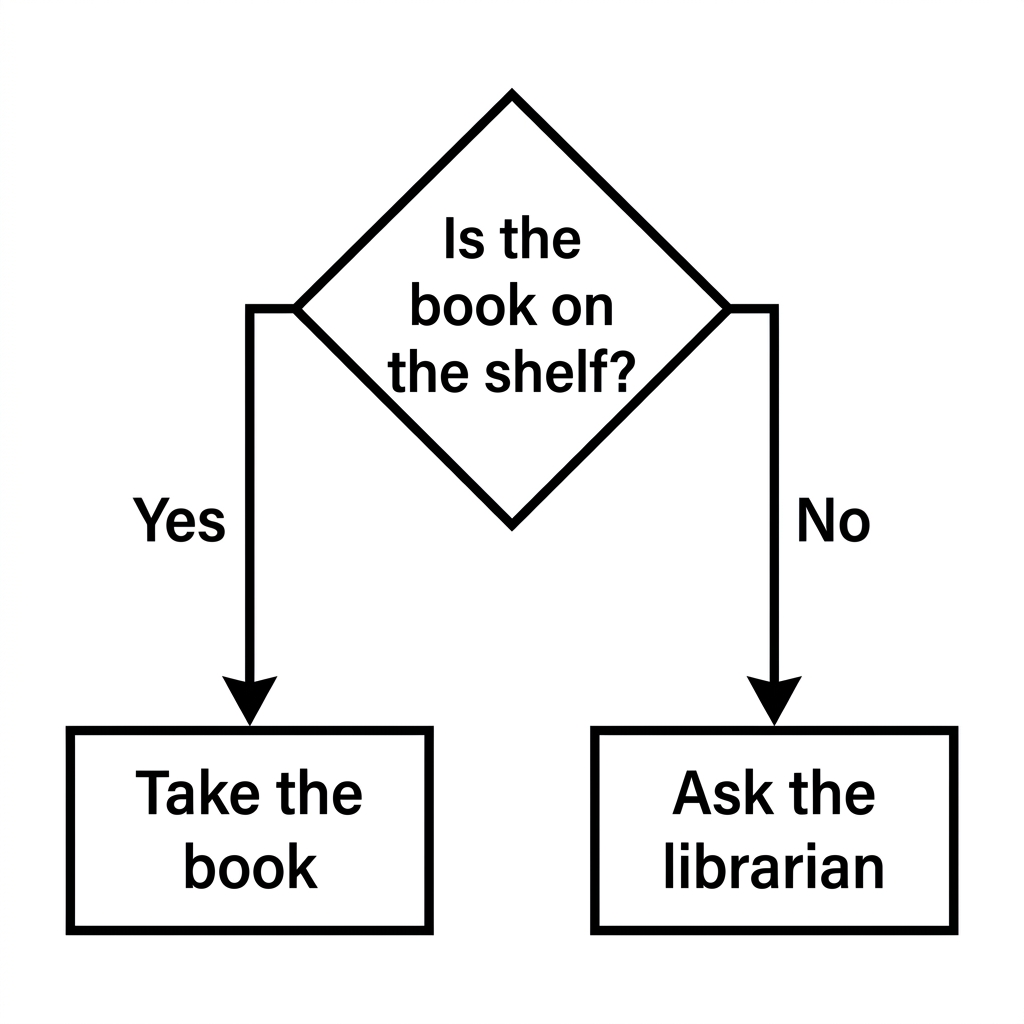
Designing Algorithms with Flowcharts and Pseudocode, Teaches students how to plan logic before writing actual code
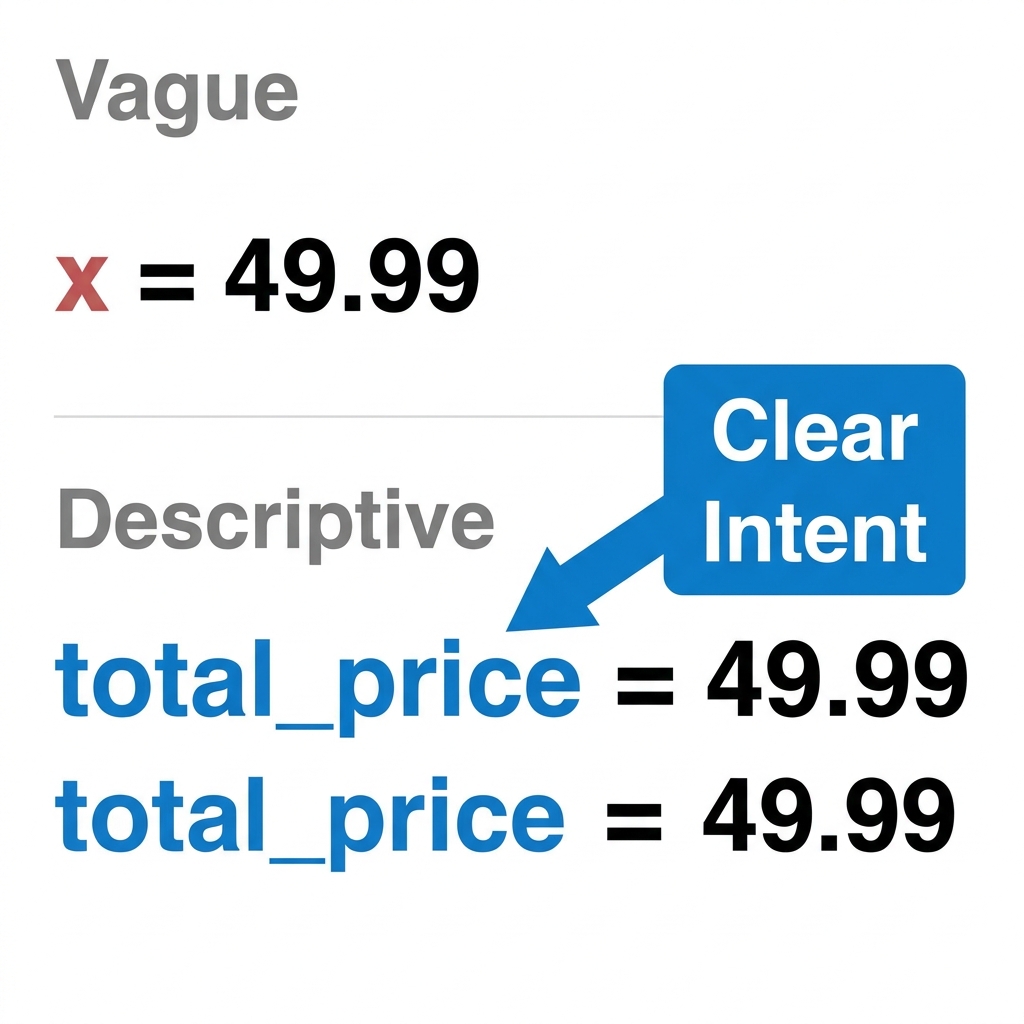
Managing Data with Variables, Covers how to store and update data using variable concepts
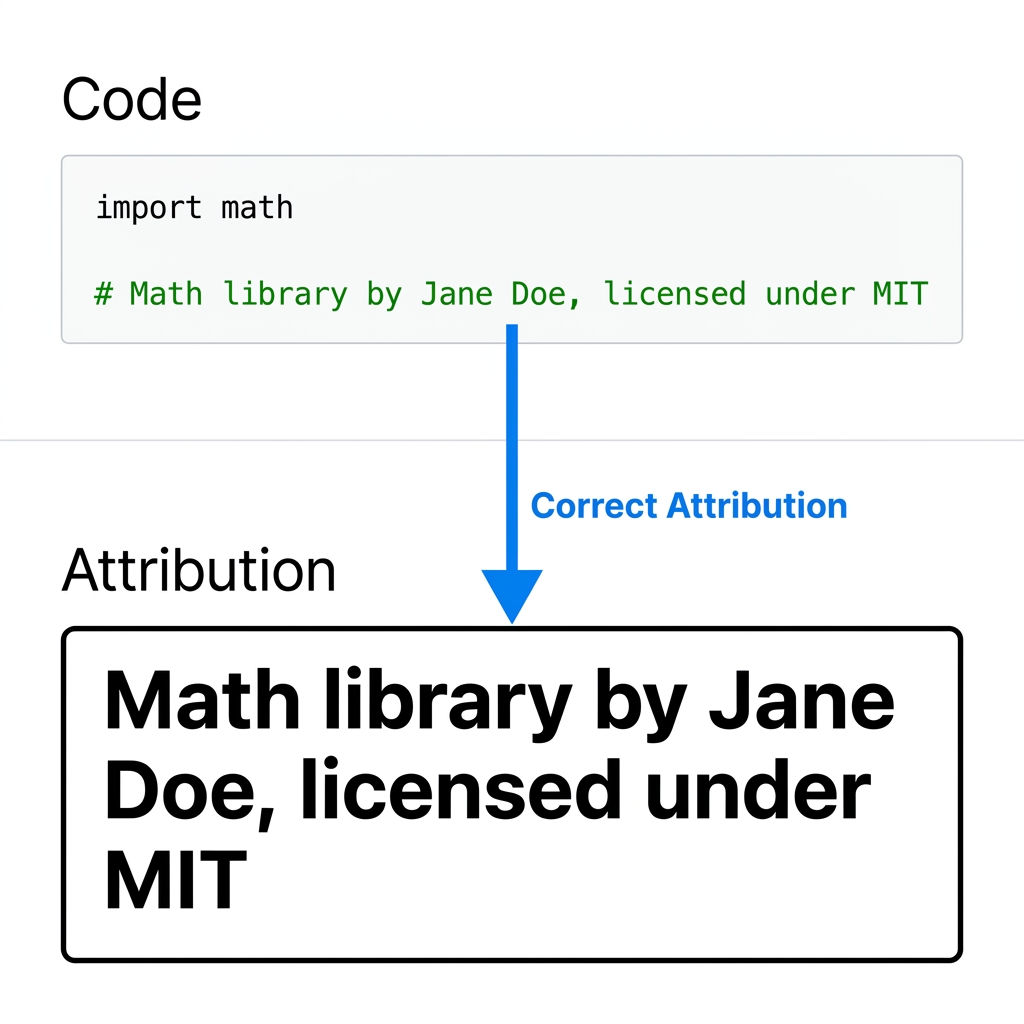
Building with Code and Giving Credit, Discusses programming basics and proper attribution for source material