


When we ask students to read nonfiction in 6th grade, they often treat the text like a data dump. They scan for facts and dates, feeling satisfied once they have captured a few bullet points. This approach works for an instruction manual, but it falls apart the moment they pick up a biography or a memoir. They miss the human heartbeat of the writing because they treat the narrative as a simple list of events. This Understanding Literary Nonfiction lesson is designed specifically to stop that mechanical reading habit in its tracks.
The trap of reading only for facts
The problem is that students view nonfiction as neutral delivery of truth. They think that if they know the who, what, where, and when, they have done their job. The lesson starts by challenging this assumption. It points out that true stories have an author, and that author has an objective. A biography is not just a timeline; it is a story crafted to explain why a specific person matters in the larger scheme of things. By showing that nonfiction is an exercise in persuasion or personal reflection, the lesson pushes students to ask, why did the author choose this specific memory? Why are they using this particular tone to describe a moment of personal struggle?
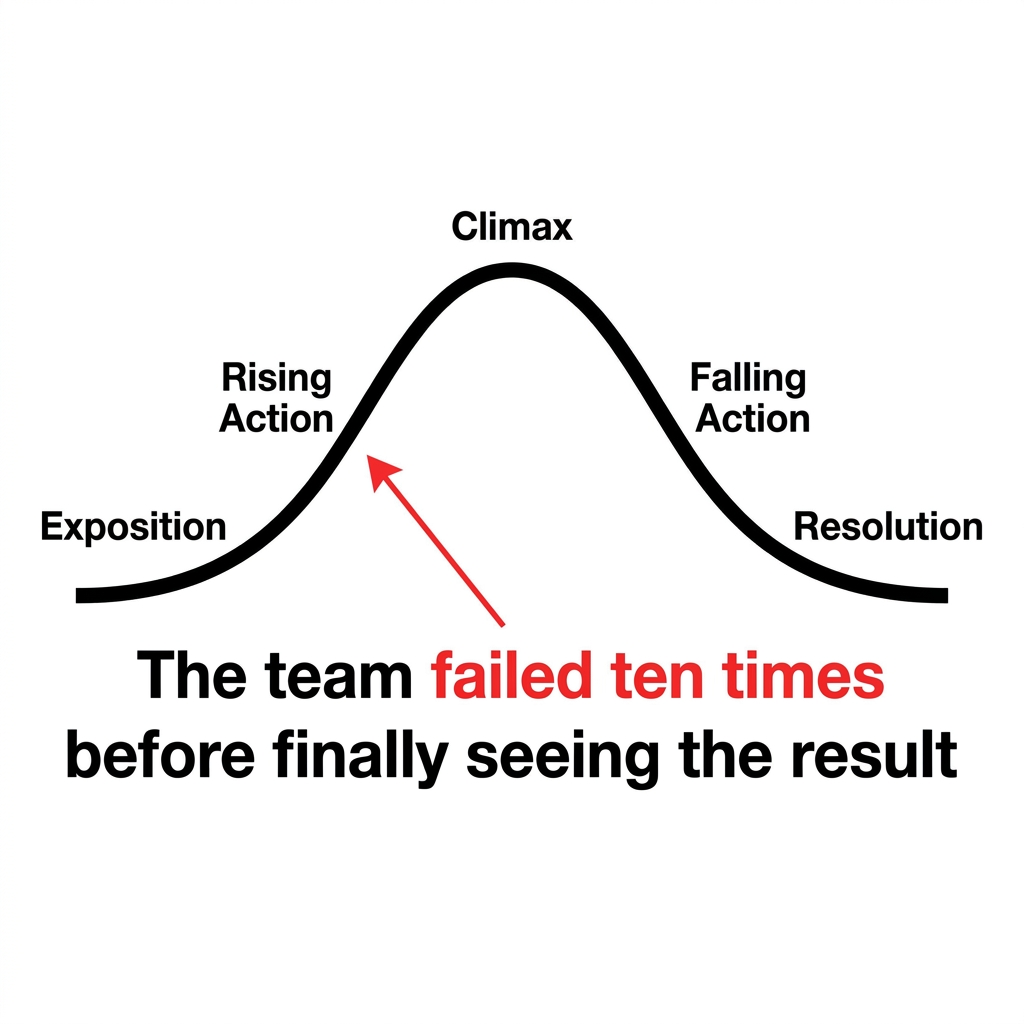
How the lesson builds deeper analysis
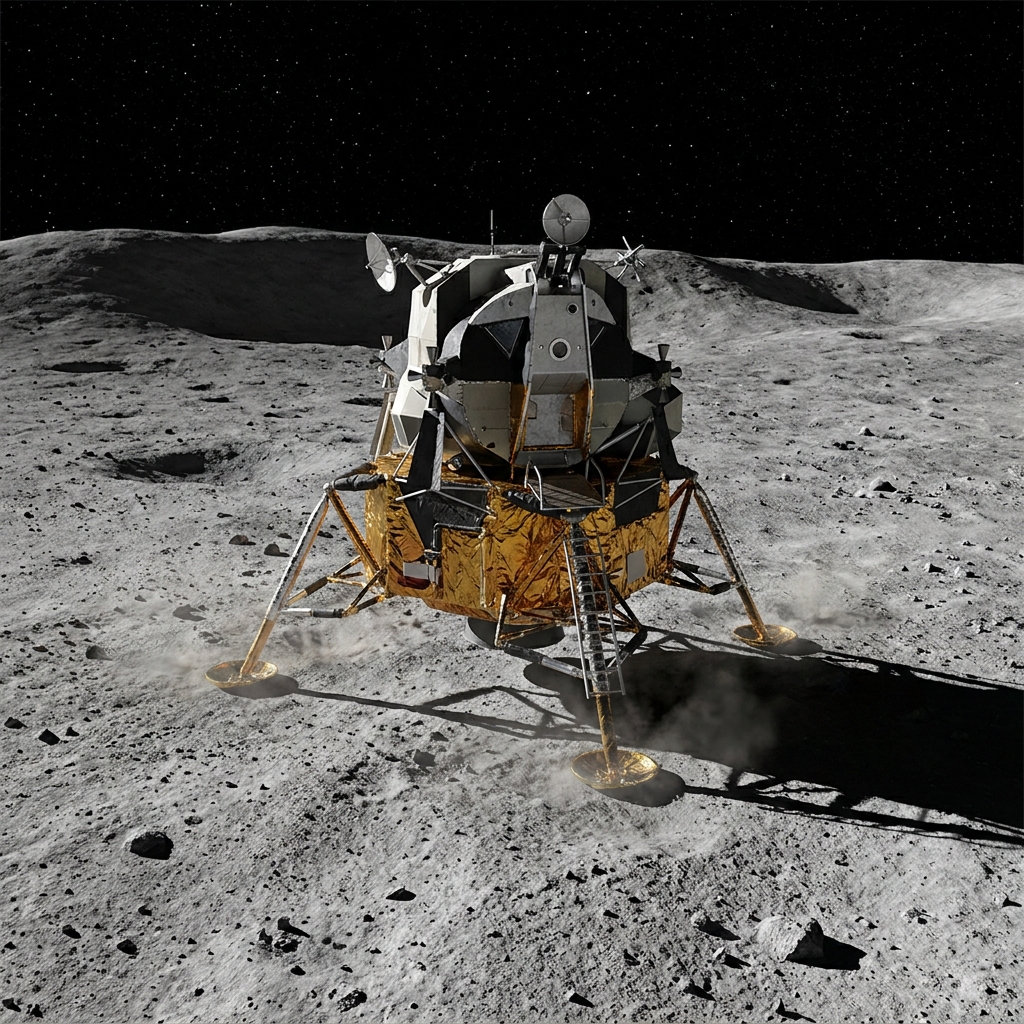
This 6th grade literary nonfiction lesson gives students a concrete way to practice this by using examples like a memoir about space travel. When an author writes about the stars looking like diamonds on black velvet, they are doing more than describing the view. They are setting a mood of wonder that connects to their central claim. That is the bridge between a simple summary and actual analysis. The guided practice moves to a profile of an Arctic climate scientist, which gives the class a chance to apply these skills to a more complex, academic subject. As they move through the text, they have to address more abstract themes and sophisticated sentence structures. This practice helps them learn to identify how specific stylistic choices, such as a well-placed metaphor or an evocative adjective, push the reader to agree with the author’s primary argument.
Aligning with state requirements
The lesson focuses on CA.ELA.RI.6.10, which requires students to read and comprehend literary nonfiction within the grades 6-8 text complexity band. This is the California-adopted standard. It calls for students to reach proficiency in these texts independently by the end of the year. This is the same standard taught in districts like Capistrano Unified, Sacramento City Unified, Alameda Unified, and Little Lake City Elementary School District. The lesson also works with CCSS.ELA-LITERACY.RI.6.10, which acts as the foundation for this grade level. These two codes function as a set, ensuring that students do not just read the words on the page and manage the increasing difficulty of texts that feature complex, real-world themes. Mastering this standard is the only way students can bridge the gap from elementary reading to the analysis expected in middle school and beyond.
Practical ways to use this resource
This material fits well into several classroom routines. If you have a group of students who missed the week of instruction on informational texts, this is a clean way for them to get back on track. It is also a solid option for a substitute day because the instructions are clear and the passages are self-contained. You do not need to worry about a massive stack of preparation or pre-teaching because the lesson covers the core concepts right in the flow of the activity. I find it most useful as a bridge between a traditional unit on short stories and an upcoming research project. When students realize that biography is just another form of storytelling, they become more comfortable with the research process itself. They learn to view informational texts as arguments rather than dry facts, which changes the way they approach their own writing later in the year. The best part is seeing a student stop and reread a sentence because they suddenly realized that the author used a specific word to sway their opinion, not just to inform them of a fact. That shift in perspective is the entire goal of the lesson.
Related lessons
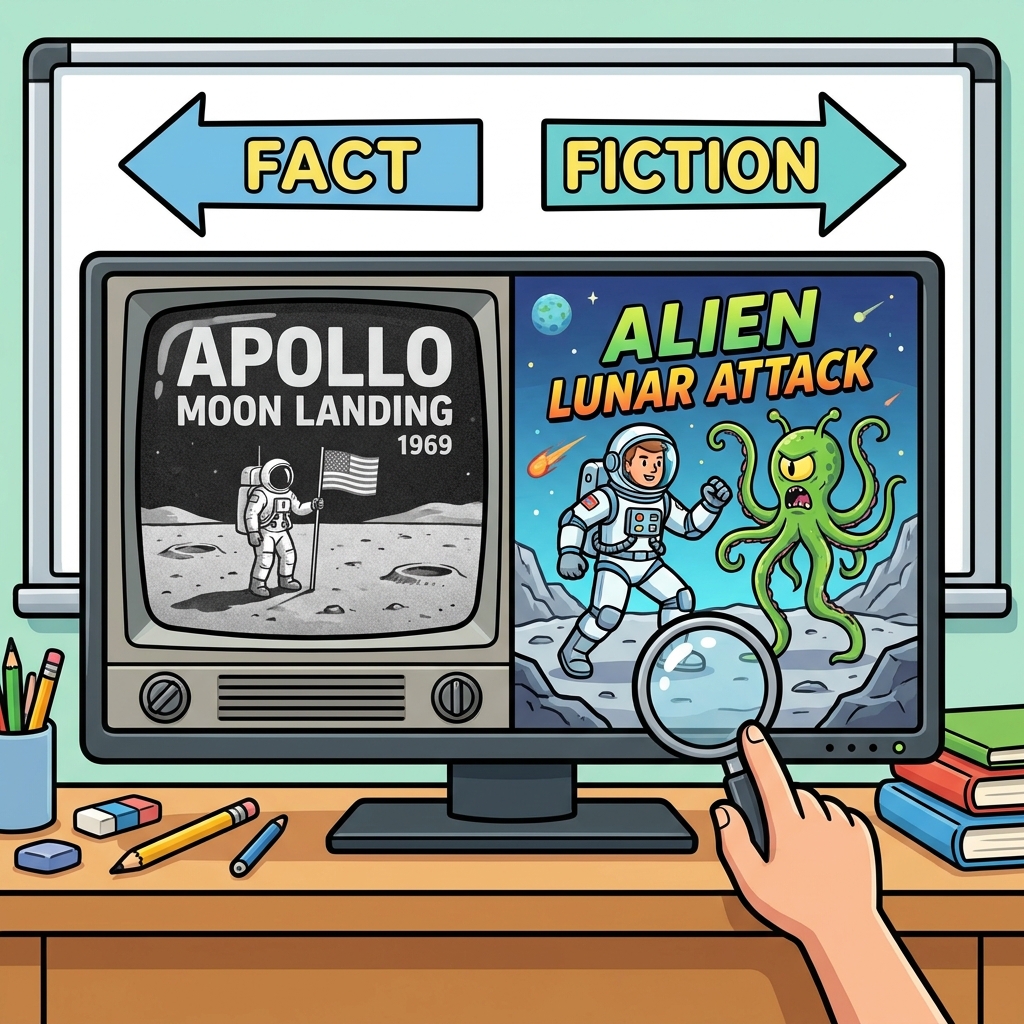
Comparing Perspectives in Historical Sources, Learning to identify different viewpoints within historical informational source documents
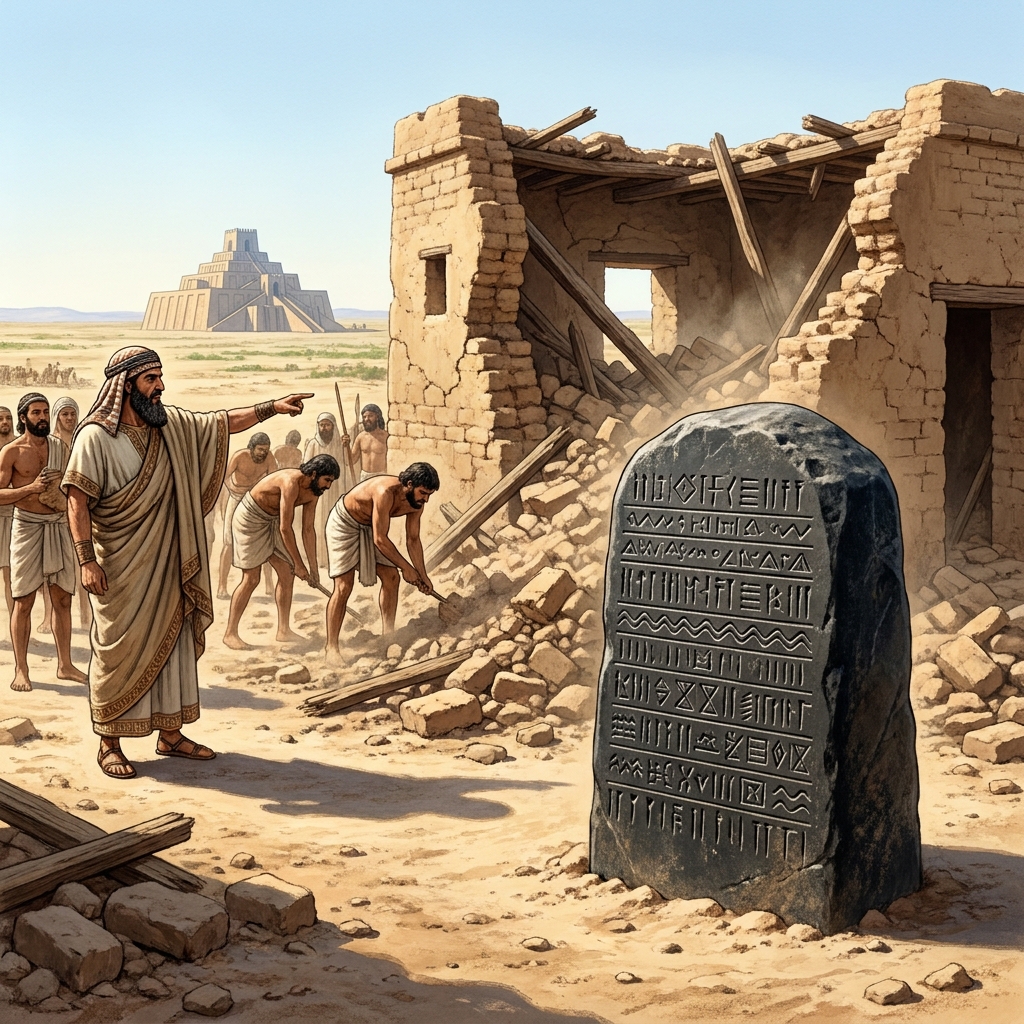
Using Textual Evidence in History, Support historical claims using specific evidence found in informational texts

Analyzing Word Choice in Informational Texts, Examine how specific vocabulary impacts the tone of informational writing