

In the middle of the school year, third graders often start to look past their own experiences and toward the larger world. This is the exact moment when a third grade community history lesson provides the structure they need to turn that curiosity into actual historical thinking. The lesson How Our Community Changes Over Time is designed to help students stop seeing their town as a static place and start seeing it as a layered product of many generations.
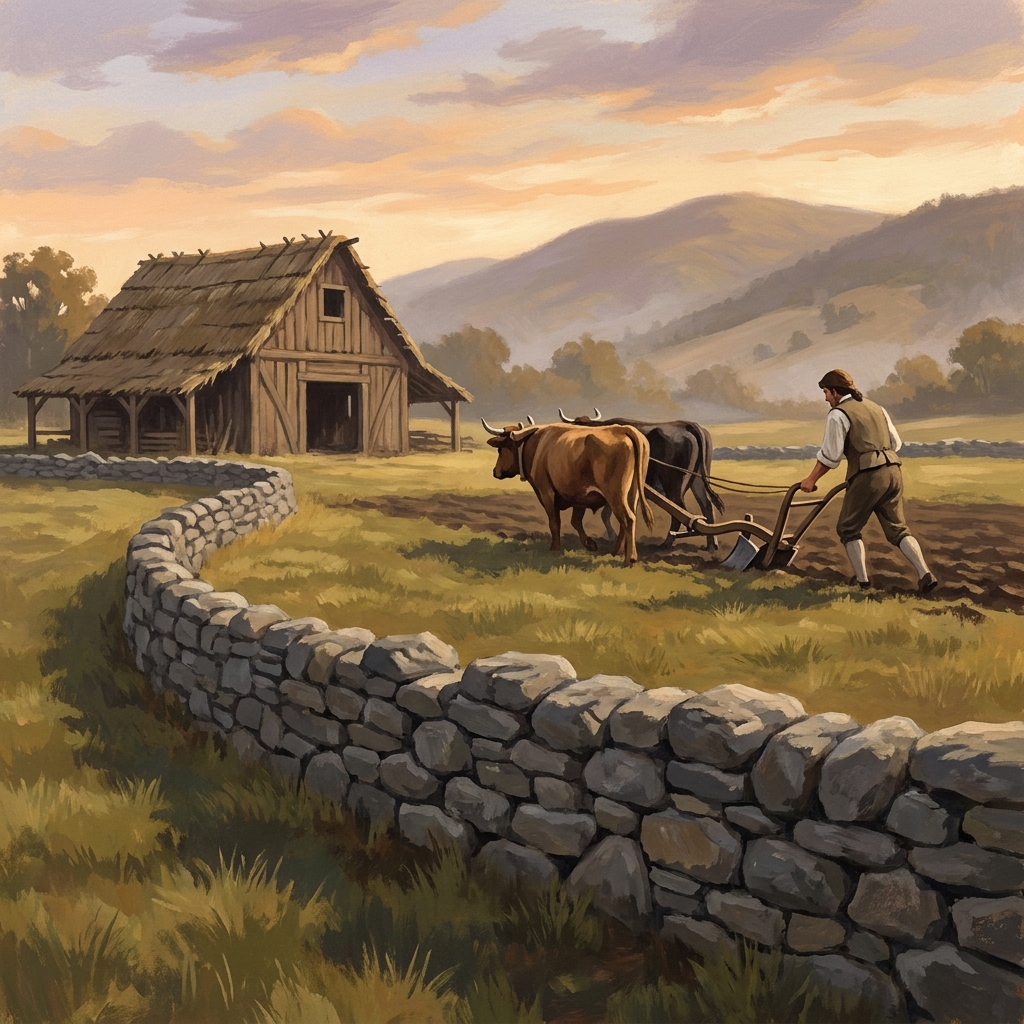
Students begin by looking at a park. The lesson explains that a single plot of land might have served as a gathering site for Native American families long ago, shifted to a colonial farm growing corn, and finally transformed into the public park where they play today. This simple narrative sets up the concept of a historical period, which the lesson defines as a span of time in a community that has its own special events, buildings, and ways of living. When students grasp this, they stop viewing old stone walls or empty lots as just clutter and start seeing them as evidence of past settlements, which are simply places where people built homes to start a community.
Building historical literacy through local resources
The lesson asks students to put local events in order, which is the primary challenge for a nine-year-old trying to master the abstract concept of time. To help them, the material introduces the timeline, defined as a line that shows the order of events from the past to the present. The lesson material uses the standard CA.HSS-3.3, which mandates that students draw from historical and community resources to organize the sequence of local historical events and describe how each period of settlement left its mark on the land. Teachers in Folsom-Cordova Unified, Visalia Unified, Moorpark Unified, and Riverbank Unified all use this same California-adopted standard to help their students organize time and space.
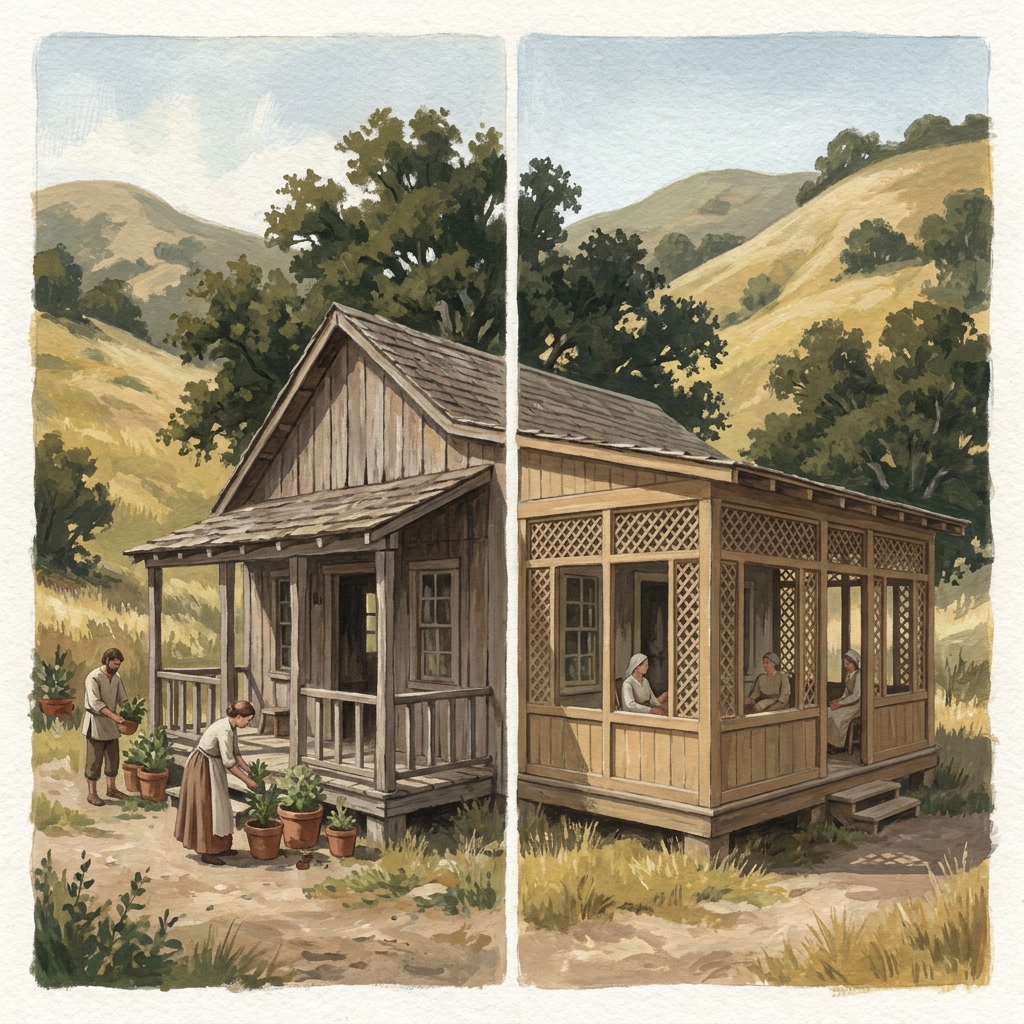
I have found that the most effective part of this instruction is the detective approach the lesson takes toward local buildings. By asking students to look at a museum that was once a mission-era building, the lesson turns the community into a living laboratory. It suggests that students treat their local library, historical society, or museum as a headquarters for finding primary sources like old maps or photographs. The objective is to make the past feel like a puzzle they can solve rather than a dry list of dates to memorize. When a student finds a photo showing a new building where an orchard used to be, the abstract concept of change becomes real.
Why this sequence matters for later learning
If a student does not get a handle on how settlements shift the use of land, they will struggle with the cause-and-effect reasoning required in fourth and fifth grade. When we ask them to consider why one settlement thrived and another declined, we are really asking them to perform the first steps of economic and geographic analysis. The lesson frames this well: understanding history matters because it helps us make better choices for our future, specifically when it comes to planning our own parks and schools. This is a powerful realization for a third grader who usually thinks of the town as something that has always existed exactly as it is now.
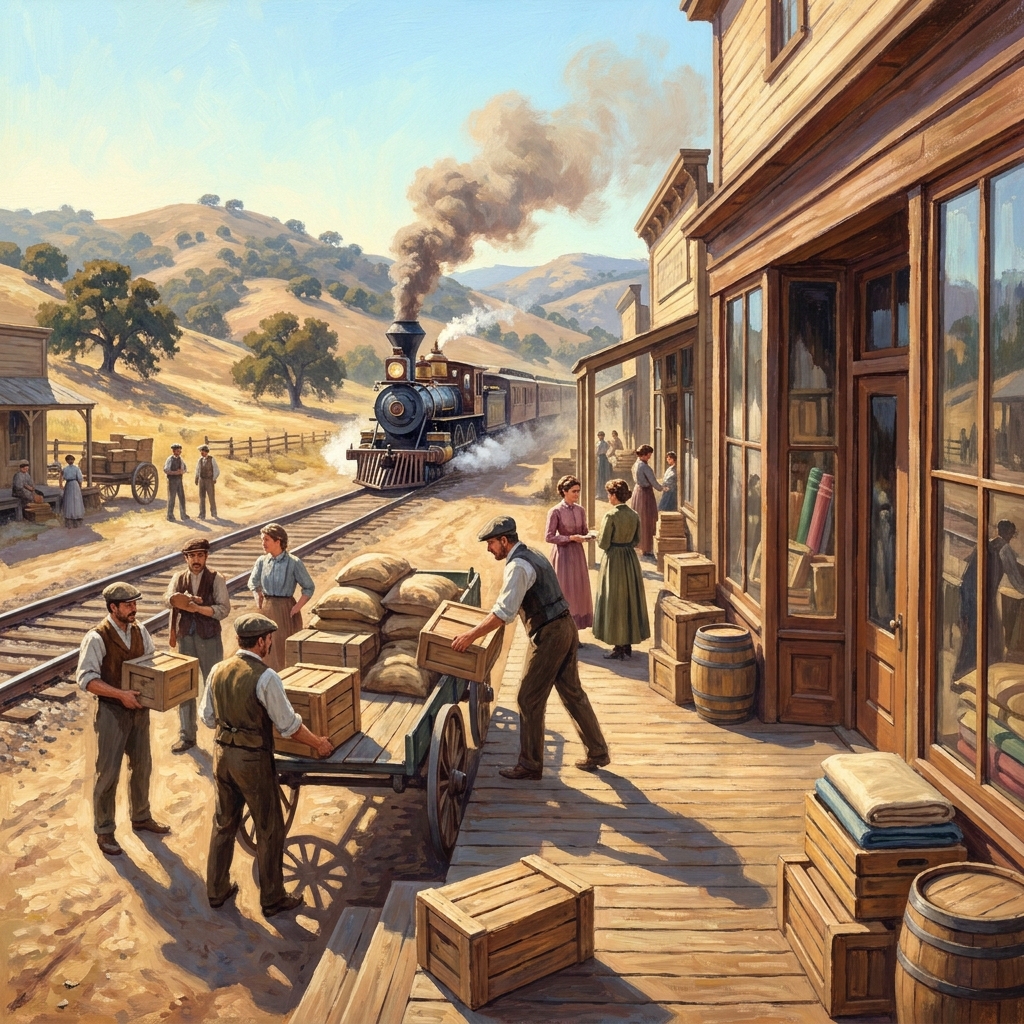
This lesson works well as a whole-class assignment, but it is also a fantastic resource for a student who missed the week of instruction or needs intervention. Because it relies on the physical environment, you can adapt it easily for independent study by asking the student to find one historic marker or older building near their home. One small caveat: some students will struggle to visualize a span of time that is longer than a year. Encourage those students to start by asking a grandparent or a neighbor about one specific change they have seen in the neighborhood. That small personal bridge usually helps the rest of the timeline fall into place.
Related lessons
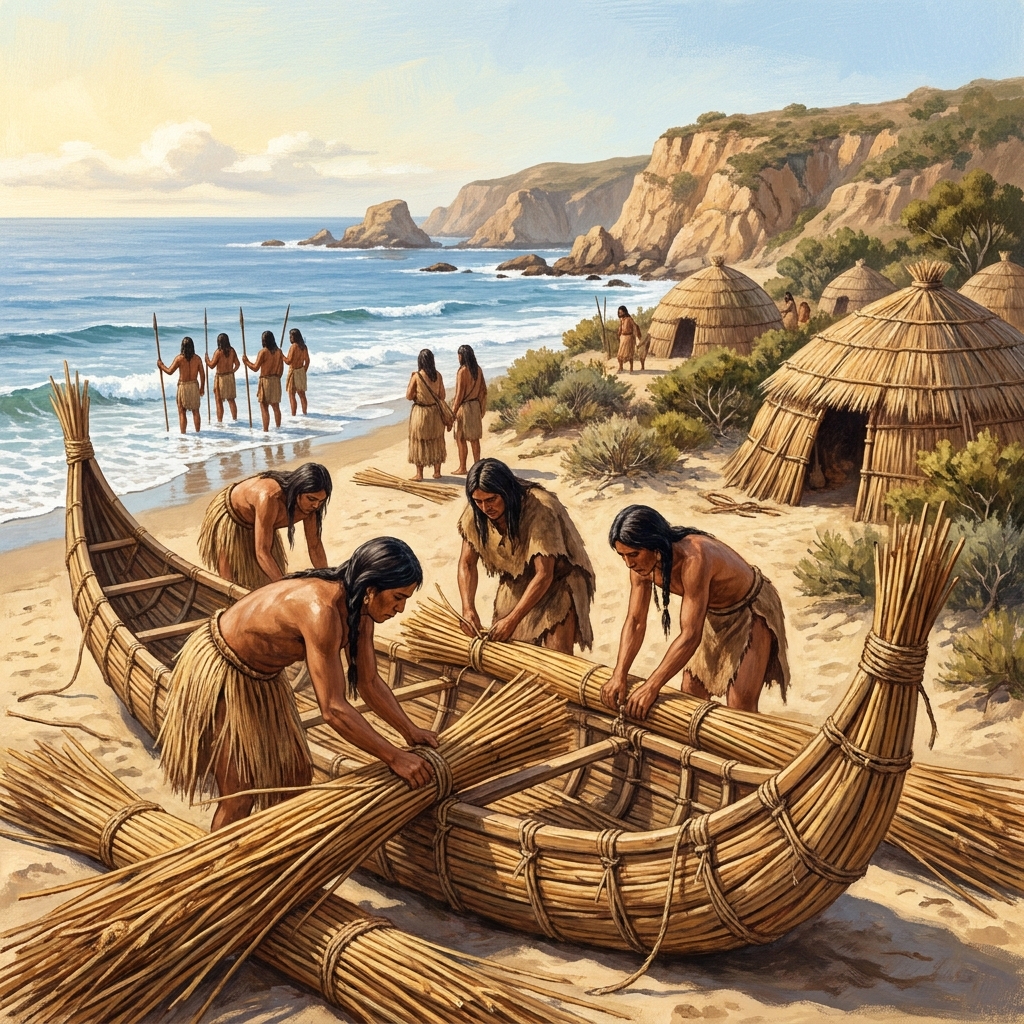
How Geography Shapes Our Lives, exploring the connection between physical land and human settlement patterns
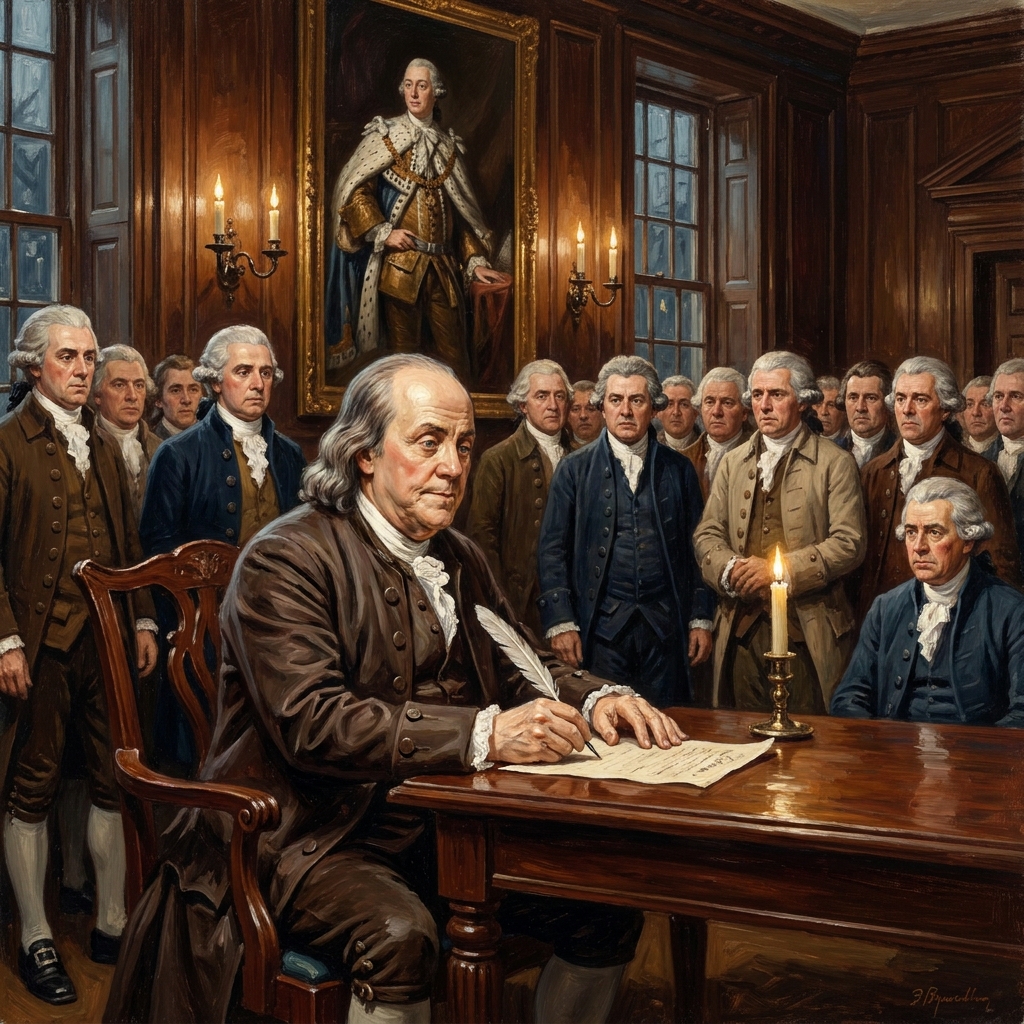
American Heroes and the Risk of Freedom, examining historical figures and the consequences of their difficult choices
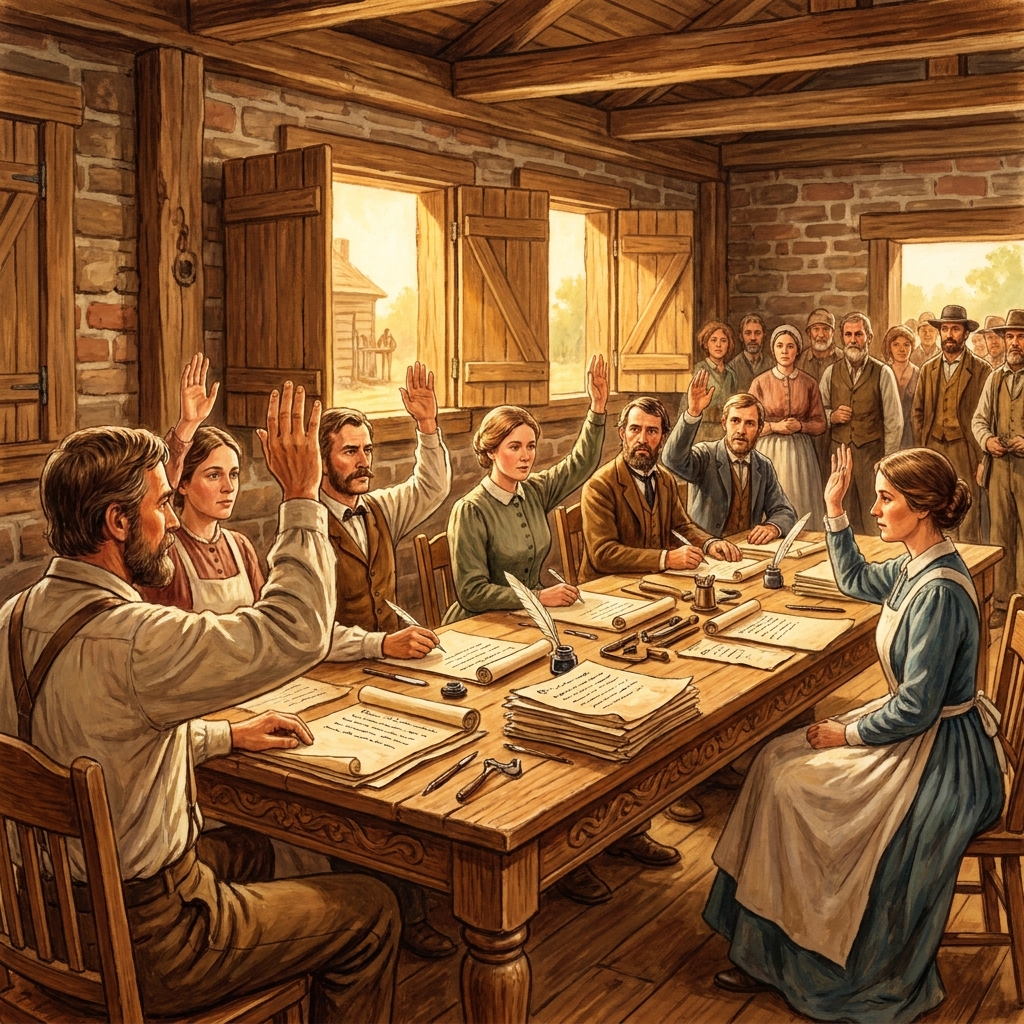
The Three Branches of Government, overview of the structure and roles of our government