

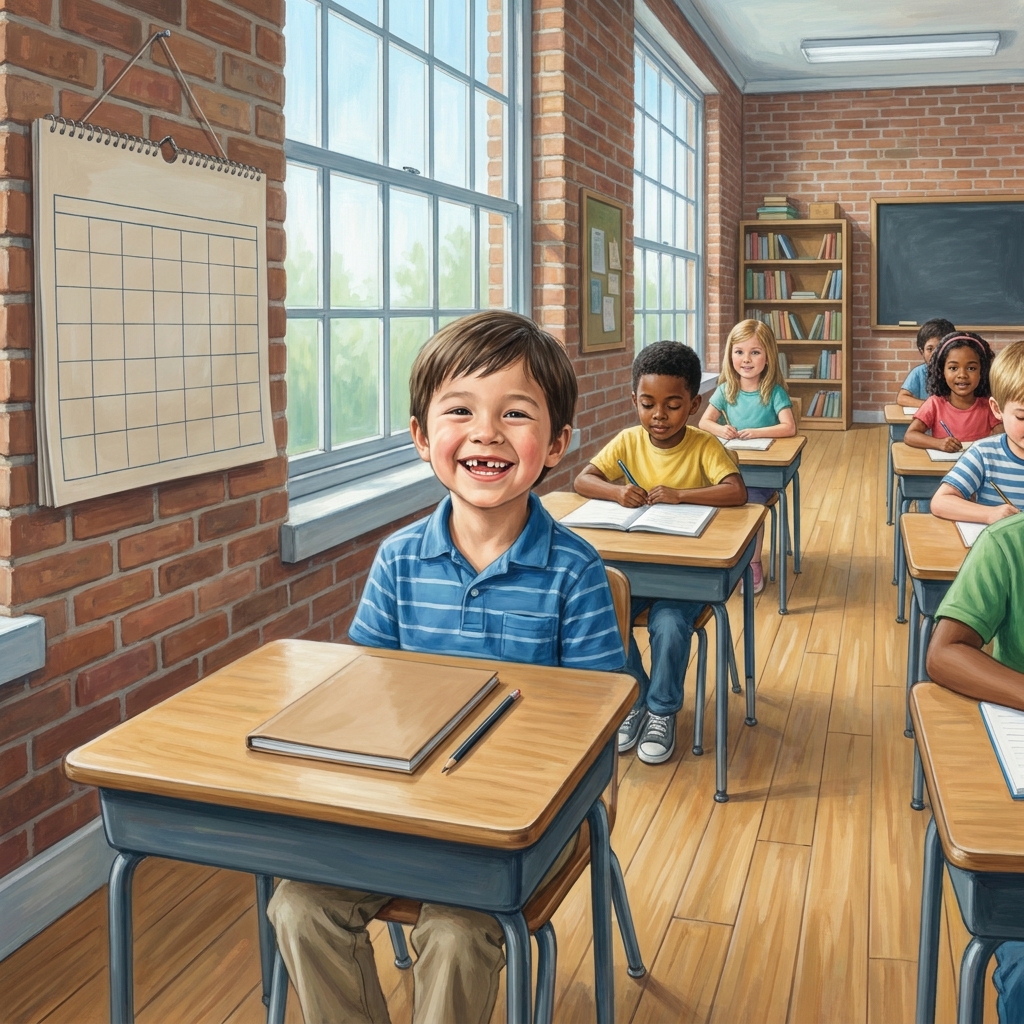
Most second graders struggle to distinguish between a Saturday two weeks ago and the time before they were born. They often group every memory that is not today into the same bucket labeled long ago. This habit creates a shaky foundation when they start tackling real history units later in the year. If they cannot identify what happened yesterday, they will inevitably get lost when the curriculum starts talking about historical figures who lived centuries ago.
This Yesterday and Long Ago lesson is a direct answer to that specific confusion. It is built for a 2nd grade social studies class that needs a concrete way to organize time. The lesson centers on building a sense of chronological markers, teaching students how to sort events into the recent past and the distant past. It covers the basic vocabulary, defining the recent past as the time that happened just yesterday or a very short time ago, and the distant past as the time that happened many years ago, long before the students were born.
Setting the stage for historical thinking
The core of this work is the CA.HSS-2.1 standard. Teachers in the Ontario-Montclair School District, Riverside Unified, Brentwood Union School District, and Brawley Elementary School District all use this framework to ensure that students can differentiate between things that happened long ago and things that happened yesterday. It is a simple standard on paper, but it requires a lot of repetition to make it stick. By starting here, you ensure that when you eventually discuss how a town or family grew, your students actually have a mental model for what that timescale looks like.
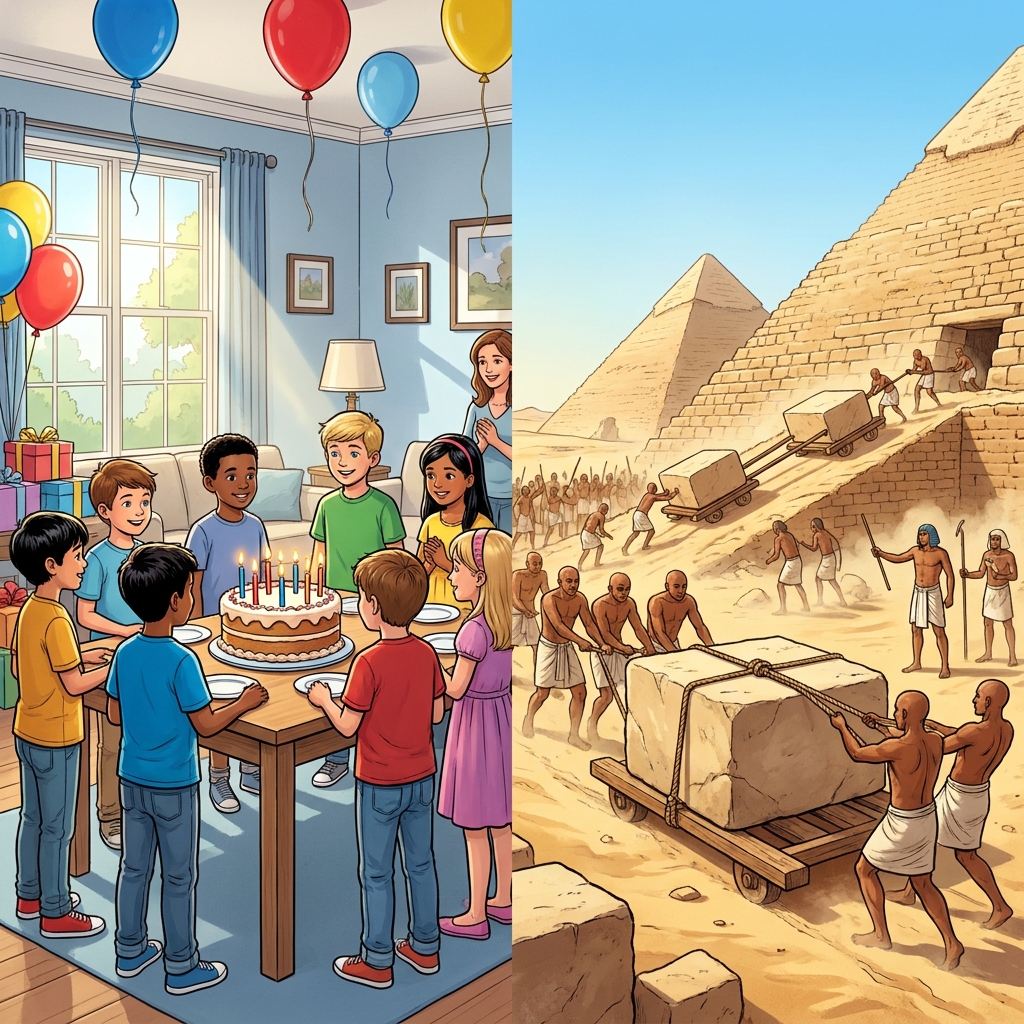
The lesson uses relatable examples, like losing a tooth or finishing a homework assignment, to make these concepts tangible. It guides students through a short practice where they consider items found in their house to categorize them as either recent or distant. I find that this is an effective second grade history timeline lesson because it forces kids to look for evidence of time rather than just guessing. If a student sees a picture of themselves as a baby, they have to reason through whether that is yesterday or something from a few years back.
Where the lesson fits in your week
This resource is quite versatile. You can use it as a whole-class assignment to kick off your unit on historical change, or save it for a student who missed the week and needs a focused intervention on chronological thinking. It works well for independent study too, especially if you have a student who needs to slow down and work through the examples at their own pace. The lesson is self-contained and typically takes about 45 minutes to finish, which is perfect for a quick refresh before moving into more complex biography or local history units.
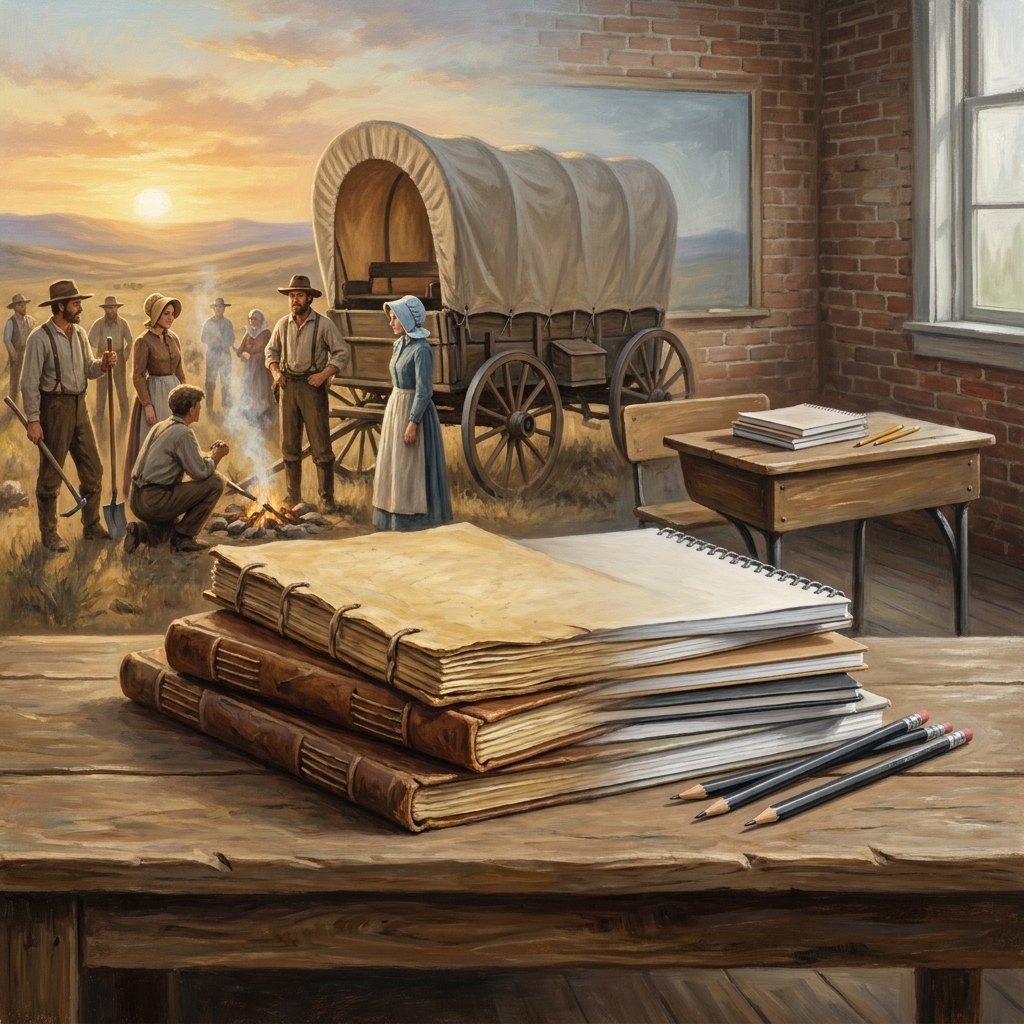
One limitation is that it focuses on the definitions rather than creating a full, complex timeline of the student’s own life. You might want to supplement it with a quick activity where they draw their own timeline on a strip of paper after they finish the online material. The primary goal here is clarity. Once they grasp that yesterday is just a sliver of time compared to the years that made up the distant past, the rest of the year’s social studies work becomes much easier for them to manage.
Do not skip this stage of the work. If students do not get this, everything else feels abstract and disconnected to them. By pinning down these categories now, you save yourself a lot of frustration when the district curriculum introduces more challenging historical dates later in the year.
Related lessons
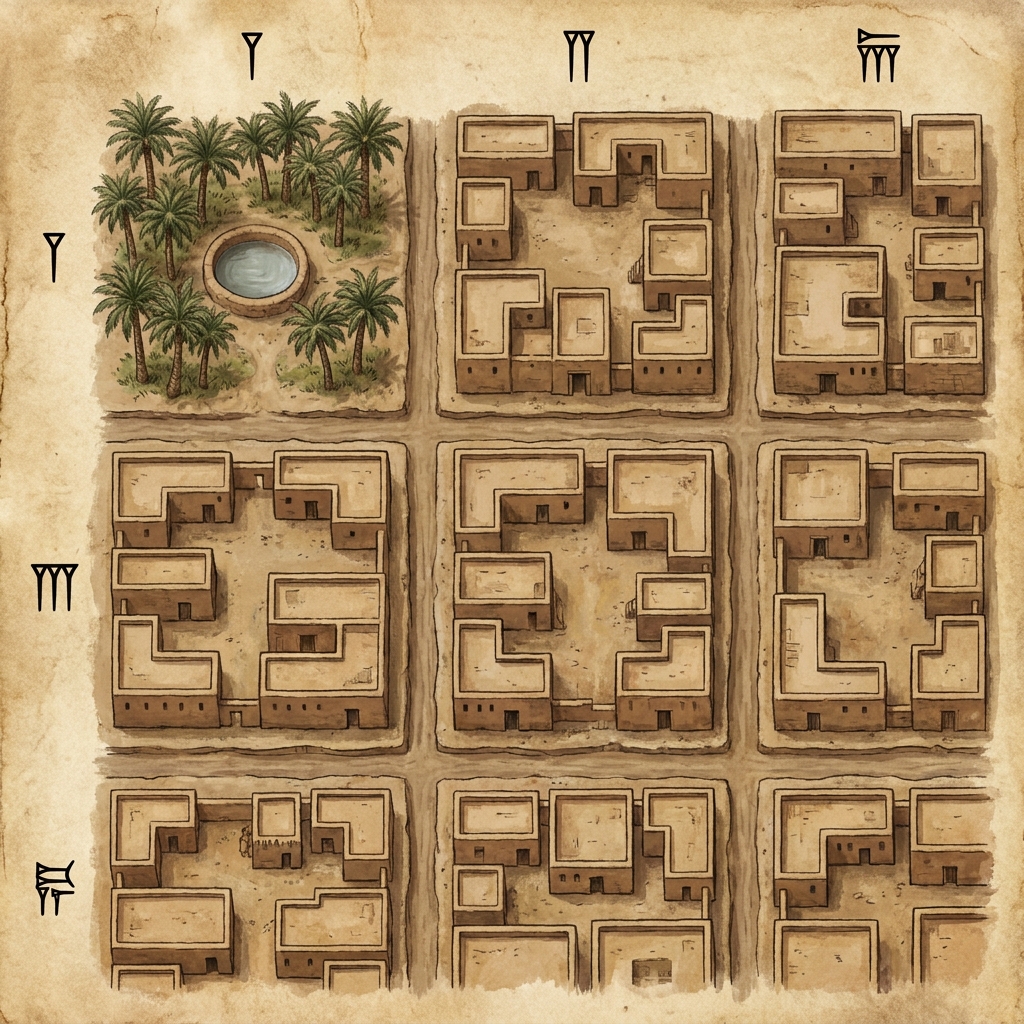
Finding Places on a Grid, Learning to locate specific positions on coordinate grids

How Life Changes Over Time, Examining the ways daily life evolves over generations
Tracing Our Family Stories, Exploring family history through personal stories and records