

California’s version of the eighth grade evidence standard adds one line to the national wording, and it is the line I would point a struggling reader toward first: “Cite specific textual evidence to support analysis of primary and secondary sources.” The word doing the work there is specific. Not “the article says the government can tax.” Which words, in which document, and how do they prove the point?
That is the whole target of Using Evidence to Analyze Sources, an eighth grade English language arts lesson from the Reading: Informational Text course. It runs about 45 minutes, which matters if you are a counselor or intervention teacher trying to fit a missed standard into one period rather than a week.
What the lesson actually asks students to do
The objective is plain: use specific details from texts to support analysis of primary and secondary sources. The lesson opens with a diary entry from 1906 describing the San Francisco earthquake, where the writer notes the ground shaking violently while trying to get out of the house. It is a good choice. Students can feel the difference between a person who was there and a person writing about it later, and the lesson leans on that difference throughout.
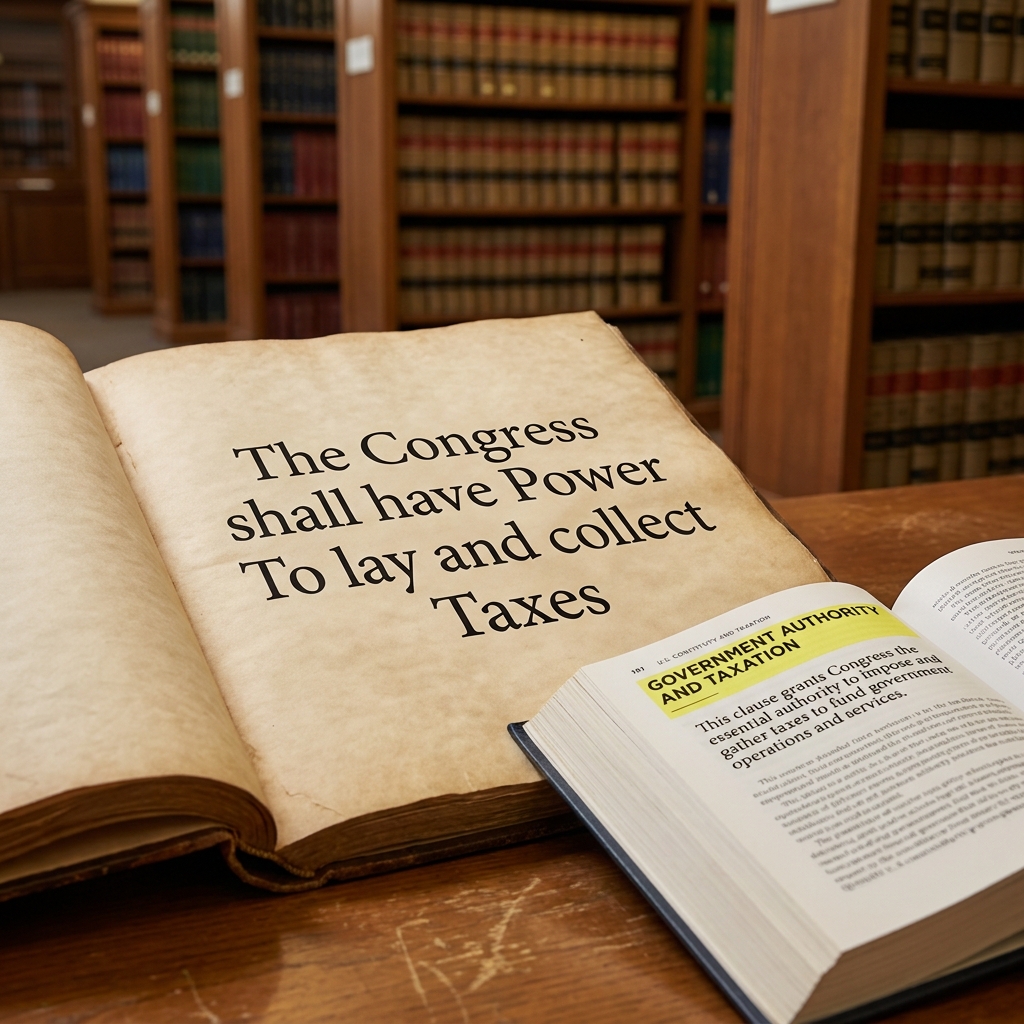
The worked example is where the two kinds of sources meet. The U.S. Constitution gives Congress the power to lay and collect taxes, and a legal textbook explains that this clause lets the government fund public services. The point students are supposed to catch is that the textbook is using the Constitution as its evidence. A secondary source building its argument on a primary one. Once a student sees that move, a lot of history reading makes more sense.
Guided practice then hands the student a primary source government treaty, defined in the lesson as a formal agreement between nations that outlines the end of a conflict. The vocabulary is short and worth previewing:
- Primary source: made by someone who experienced the event firsthand, like a diary entry or a photograph
- Secondary source: analyzes, interprets or summarizes primary sources, like a textbook or a biography
- Inference: a logical conclusion that combines what the text says with what the reader already knows
The standard behind it
The primary code is CA.ELA.RI.8.1, part of the California Common Core State Standards for English language arts, in the Key Ideas and Details cluster. It asks eighth graders to pick the evidence that most strongly supports an analysis, both of what a text says outright and of what can be inferred from it. The same page also covers CCSS.ELA-LITERACY.RI.8.1, which is the national wording without the California sentence about primary and secondary sources. Think of it as one standard with a California extension, not two separate targets.
Students in Garden Grove Unified, Los Angeles Unified, Western Placer Unified and Norwalk-La Mirada Unified are working toward this exact standard, since it reads the same everywhere in the state.
My honest caveat: “most strongly supports” is the hard part, and one 45-minute lesson will get a student started on it, not finished. Plenty of eighth graders can find a quote. Choosing the best one, and explaining why it beats the others, takes repeated practice across units. The lesson’s why-it-matters section ties the skill to news reports and messages from friends, which is fine, but the real payoff shows up in their next social studies paper.
Who I would assign it to
Three situations fit this well. First, a student who missed the week the class covered RI.8.1 and now cannot keep up when the teacher says “cite your evidence.” One period closes that gap. Second, intervention groups, especially students who summarize instead of quoting, or quote without explaining. The Constitution and textbook example gives you a concrete model to return to. Third, independent study or attendance recovery, where a student needs a self-contained lesson tied to a named standard.

On getting the work back to the classroom teacher: the guided practice treaty passage is the piece I would ask to see. Have the student note which words from the treaty they used and what inference they drew. That gives the teacher of record something real to look at, and it shows quickly whether the student is picking strong evidence or just any evidence.
If you are searching for an eighth grade citing textual evidence lesson that uses actual historical documents rather than invented passages, this one is worth a 45-minute slot. Start the student on the 1906 diary and watch whether they point to the words or just retell the earthquake.
Related lessons
Choosing the Best Way to Share Information, Deciding which format or medium best presents information to readers
Understanding Author Perspective and Counterarguments, Identifying an author's point of view and how counterarguments are handled
Understanding Central Ideas and Supporting Details, Finding a text's central idea and the details that support it