

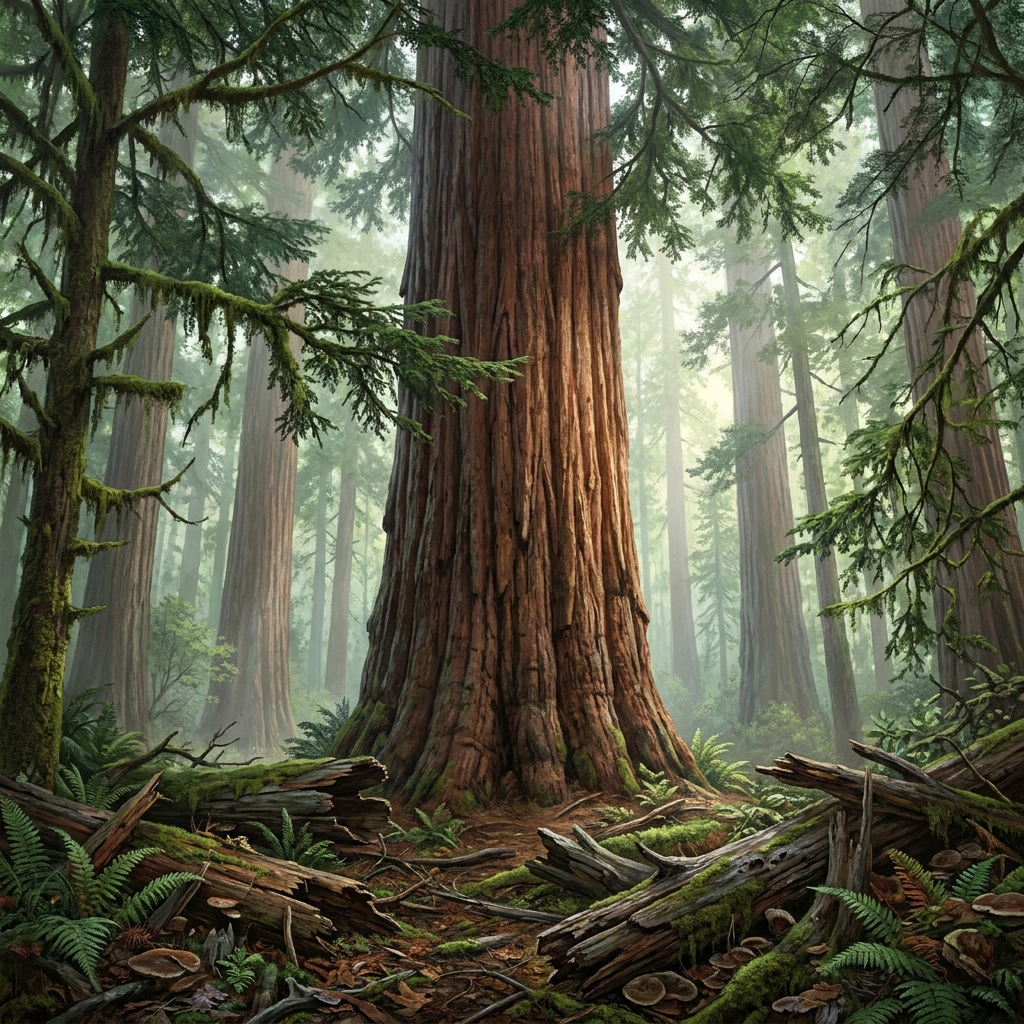
High school science students frequently hit a wall when asked to track matter through an ecosystem. Their biggest mistake is assuming that carbon somehow vanishes when an organism dies or when a tree burns. They see the smoke or the decaying log and assume the mass is gone for good. If you want your students to move past this mental block, The Cycling of Carbon in Nature provides a concrete way to map out these complex movements.
This lesson for high school biology acts as a solid introduction or review for students. It covers how carbon shifts between the atmosphere, the biosphere, the hydrosphere, and the geosphere. By using the provided scenarios, students learn to visualize invisible gas exchange as a physical process. Teachers in Corona-Norco Unified, Oakland Unified, San Jacinto Unified, and Sutter Union High School District use this material to ensure students master the same core science concepts across the state.
How carbon cycling works as a system
The lesson uses the example of a sealed glass terrarium containing a plant and a snail. This closed system forces students to observe the give and take between organisms. The plant needs carbon dioxide for photosynthesis, while the snail releases carbon dioxide as a byproduct of cellular respiration. It is a simple setup, but it is effective because it removes the noise of the outside world. This carbon cycling biology lesson also defines key terms clearly. Photosynthesis is the process where plants use sunlight to convert carbon dioxide and water into glucose and oxygen. Cellular respiration is the process where living organisms break down glucose and oxygen to release energy, producing carbon dioxide as a byproduct. Finally, carbon sequestration refers to the long-term storage of carbon in natural reservoirs like forests or deep ocean sediments.
Meeting the California standard
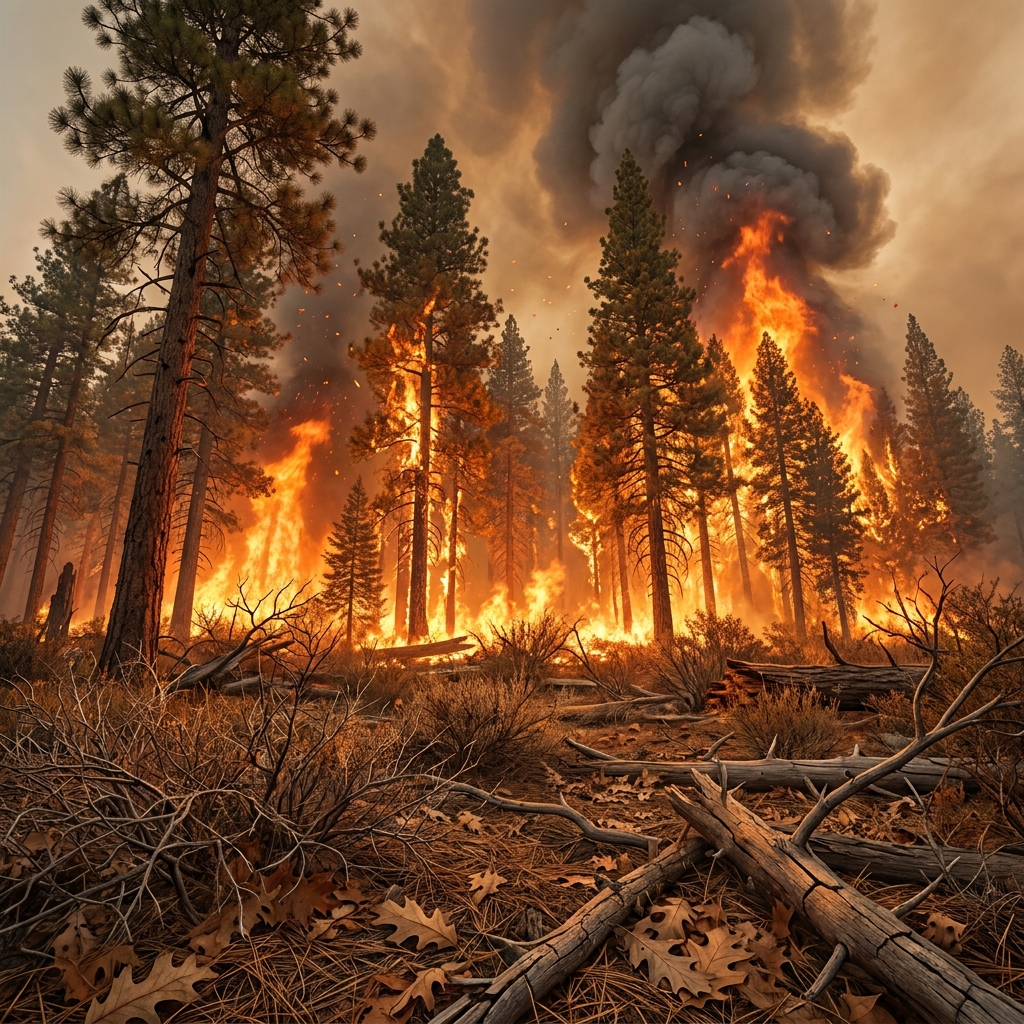
The main objective is to have students build a model that shows these processes in action. The primary standard for this work is HS-LS2-5. This California-adopted standard asks for a model that illustrates the role of photosynthesis and cellular respiration in the cycling of carbon among the biosphere, atmosphere, hydrosphere, and geosphere. The standard also requires that students model carbon cycling in California contexts including carbon sequestration in redwood forests, blue carbon in coastal wetlands, and carbon emissions from California wildfires. It is a tall order, but by breaking it down into manageable parts, the lesson prevents the subject from becoming overwhelming.
Applying the concepts to real scenarios
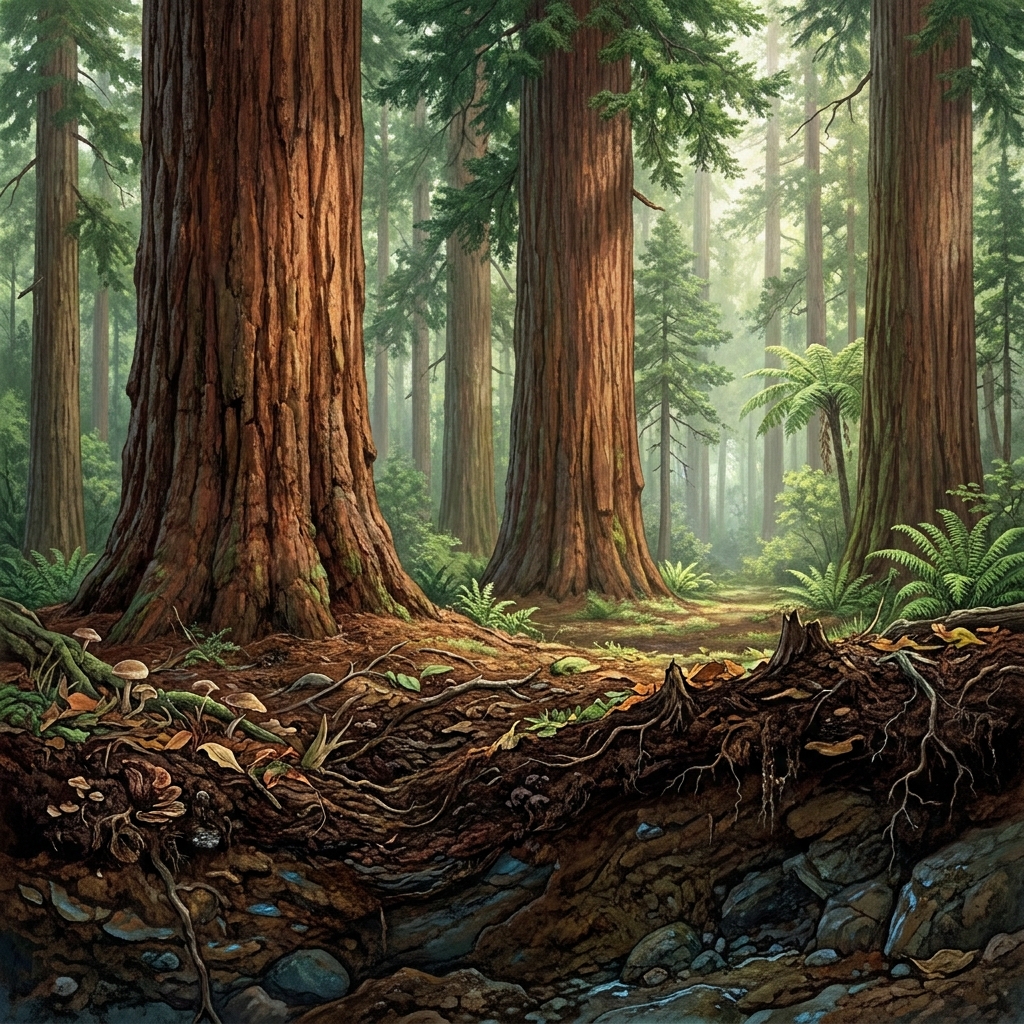
Once the basics are clear, students move to a worked example. They look at a redwood tree that pulls carbon from the air into its wood and roots. When that tree decays, the carbon moves into the soil. This shows that the carbon is not disappearing; it is changing form and location. This is a vital distinction for teenagers who are used to seeing only the final, static state of an ecosystem.
The guided practice asks the class to consider a controlled prescribed burn. Land managers perform these burns to reduce the risk of massive wildfires. Students must analyze how this process releases carbon into the atmosphere. This is a practical way to apply the lesson content, as it brings the discussion home to current forest management practices in our state. The lesson explains that carbon cycling is necessary for reducing the impacts of climate change because it helps regulate our planet temperature. When we manage forests and wetlands to sequester more carbon, we help keep the atmosphere balanced.
Using this in your classroom
You can use this lesson as a whole-class assignment to introduce the concept of matter cycles. It also works well for a substitute day because the instructions are clear and the examples are self-contained. Students who need extra time to grasp how cellular respiration and photosynthesis balance each other will find the terrarium example particularly helpful. If you have students who need to catch up, this lesson provides a quick, focused way to address the standard without needing days of preparation.
The lesson is brief enough to fit into a 45-minute period, leaving you enough time for a quick class check-in or a discussion on the role of soil in carbon storage. It is refreshing to have a lesson that avoids fluff and sticks to the mechanism of the cycle itself. By the time students finish, they should be able to explain exactly why a forest fire acts as a carbon source while a growing redwood acts as a carbon sink.
Related lessons
Group Behavior and Survival, Studies how animal groups increase their chances of individual survival
Land-Use Tradeoffs in California, Analyzes how human land use decisions impact local natural resources
Designing Solutions for California's Environment, Explores engineering designs to mitigate local environmental and climate challenges