

By the time fourth graders reach the physical science unit on energy, they have already developed a strong, if slightly inaccurate, intuition about motion. You have likely seen this in your own classroom. When asked what happens when a moving object hits another, most students immediately focus on the object that stops or moves away. They identify the result, but they struggle to connect that result back to the speed of the initial object. Students often think energy is just something an object has, rather than a quantity that increases as speed increases. This is a tricky mental jump to make, and it is exactly where this Speed and Energy in California lesson steps in to provide some much-needed clarity.
How the lesson builds physical science concepts
This lesson is designed to move students past the vague idea that faster objects are just stronger. It centers on the core concept of kinetic energy, which the lesson defines as the energy of an object due to its motion. By starting with the familiar scenario of a toy car rolling down a ramp, the lesson helps students observe that the faster the car rolls, the more energy it has to move other objects. This bridge from a simple classroom ramp to abstract concepts is handled with a level of specificity that fourth graders need.

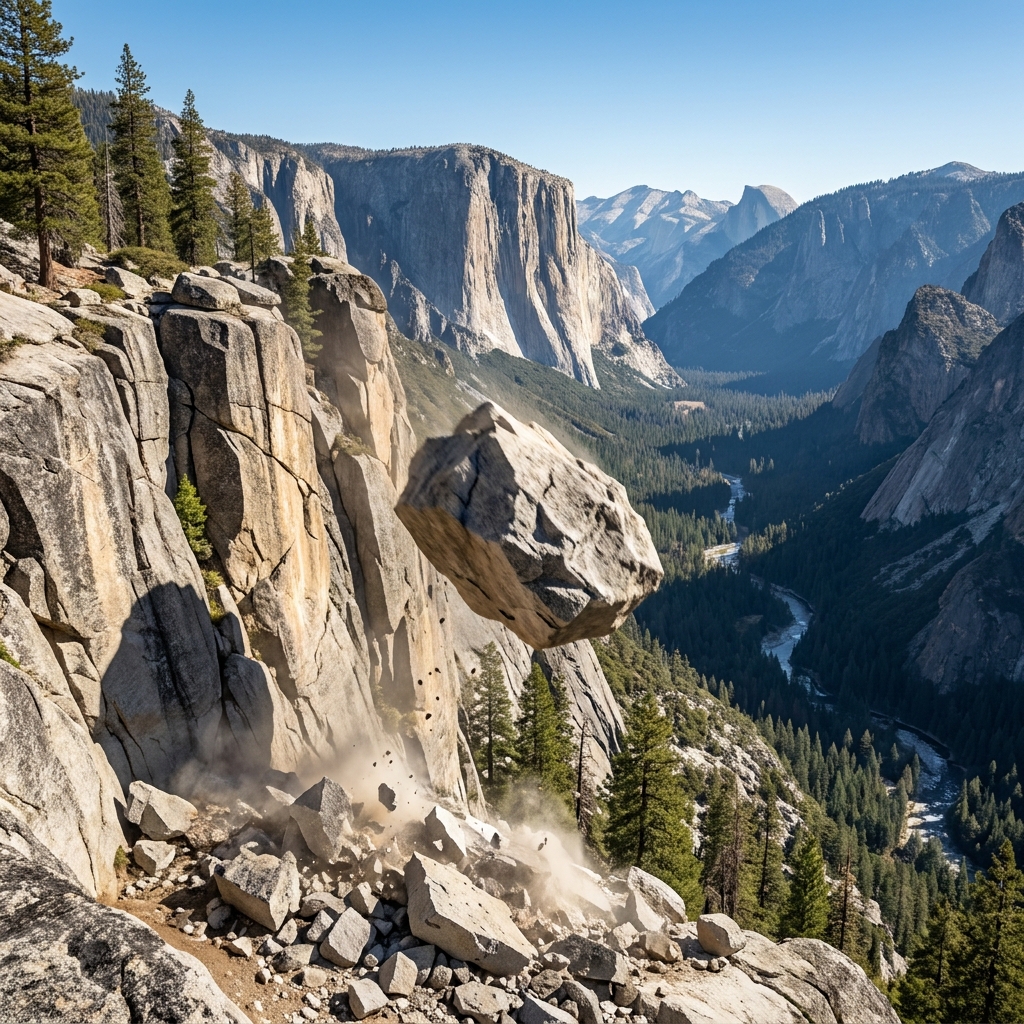
Students then apply this to a far more dramatic setting: the Sierra Nevada mountains. The lesson uses a worked example of rocks falling down a cliff. A rock falling at high speed possesses a significant amount of kinetic energy, which is evidenced by its ability to break other rocks upon impact. This forces the student to stop looking at the speed as an isolated variable and start looking at it as a predictor of impact force. The vocabulary included in the lesson, kinetic energy, speed, and seismic wave, gives them the terminology to articulate these observations accurately. This is the same fourth grade science curriculum standard taught in classrooms across Capistrano Unified, Folsom-Cordova Unified, Palo Alto Unified, and Bear Valley Unified.
Connecting motion to California geology
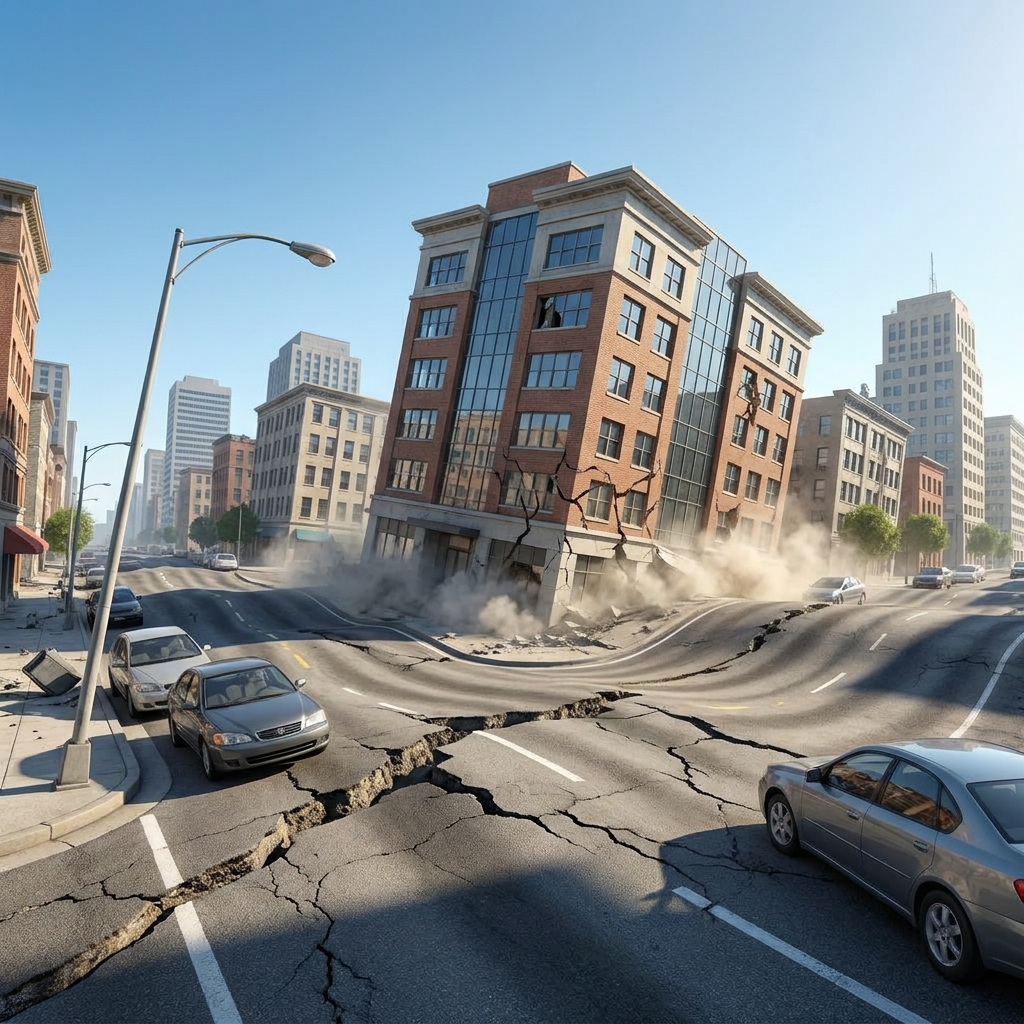
The lesson asks students to use evidence to construct an explanation relating the speed of an object to its energy, which is the exact requirement of standard CA.4-PS3-1. This is part of the California-adopted standard for physical science. The state contextualizes this requirement by grounding the work in local phenomena. Whether it is looking at how rocks move during a landslide or understanding how seismic waves move through the earth following an earthquake, the curriculum ensures students are not just learning physics in a vacuum. The standard adds layers here: CA.4-PS3-1 asks for evidence-based explanations of speed and energy, but the California addition specifically pushes for that investigation to include geological features like the San Andreas Fault or coastal erosion.
I find this approach helpful because it gives students a concrete reason to care about speed. When they learn about seismic waves, they are not just looking at a physics equation. They are learning how geologists predict the danger of landslides, allowing them to warn communities to stay safe. It makes the measurement of speed a vital piece of the puzzle for public safety.
Using the lesson in your classroom
This lesson is well-suited for a whole-class assignment when you are first introducing the energy unit, but it also functions nicely as an independent study tool for a student who missed the week of instruction. It is concise enough to fit into a 45-minute block while leaving time for the guided practice portion, where students analyze a rockslide triggered by an earthquake. This practice section is where I see the most growth. It moves them from the passive role of reading about kinetic energy to the active role of being an analyst.

One caveat: keep an eye on how your students describe the relationship between speed and energy. Some will want to say that the rock has more speed *because* it has more energy. Remind them to look for the cause and effect: the speed is the movement we measure, and the kinetic energy is the result of that motion. By focusing on the evidence they see in the Sierra Nevada scenarios, you can help them lock in that causality before they move on to more complex work. It is a solid, direct lesson that avoids fluff and gets right to the mechanics of the standard.
Related lessons

Energy on the Move, Covers movement of energy through different systems and environments
Understanding Waves and Energy, Introduces basic wave properties and energy transfer mechanics
Energy Conversion in California, Explores how energy changes forms within various geological settings