

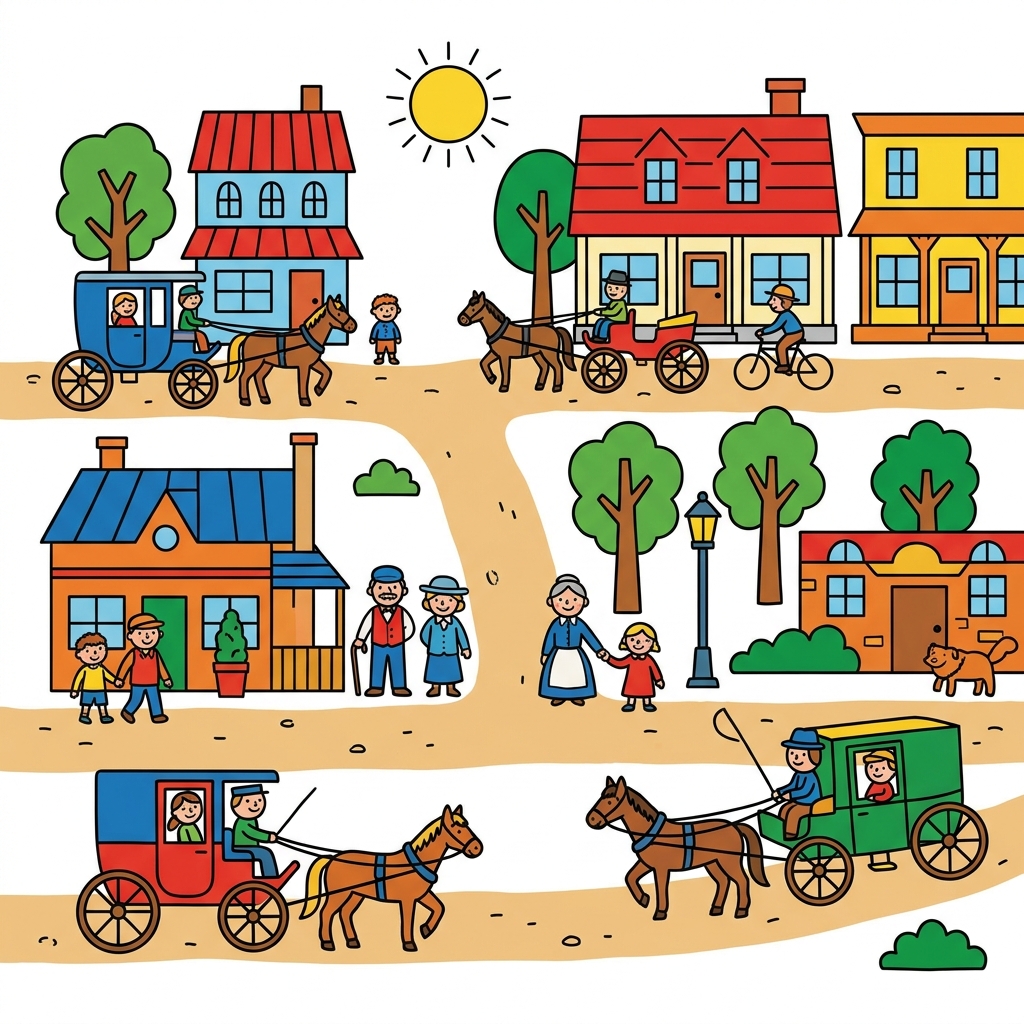
When you ask a first grader what life was like long ago, you often get answers involving dinosaurs, knights, or black-and-white cartoons. They struggle to connect the concept of history to their own neighborhood, assuming that a town is a fixed object that has always looked exactly as it does today. It is a common hurdle because six-year-olds are still developing their sense of time, and the difference between last year and fifty years ago often collapses into a single, blurry idea of the past. If you are teaching first grade social studies and need a way to ground those abstract concepts in something tangible, Our Town Long Ago provides a clean and focused approach to this developmental challenge.
This 15-minute lesson asks students to examine how schools and towns changed from the past to the present. The material helps students identify what parts of a community stay the same while others shift as the years go by. By using this first grade history of communities lesson, you can guide your students through a structured observation of their environment. It works well as a whole-class activity to kick off a unit, or as a quick refresher for a student who missed the week and needs to catch up on foundational concepts. It is also a solid choice for an independent study module where you want to ensure the learner is actually engaging with the material rather than just skimming text.
What the lesson actually asks students to do
The core objective is to get students to look at their surroundings with a historical eye. The lesson presents simple, clear examples that prompt students to compare school life today with school life in previous generations. Instead of overwhelming them with dates or dense historical narratives, it focuses on the structures of communities. Students look at how buildings, transportation, and daily school routines might have evolved.
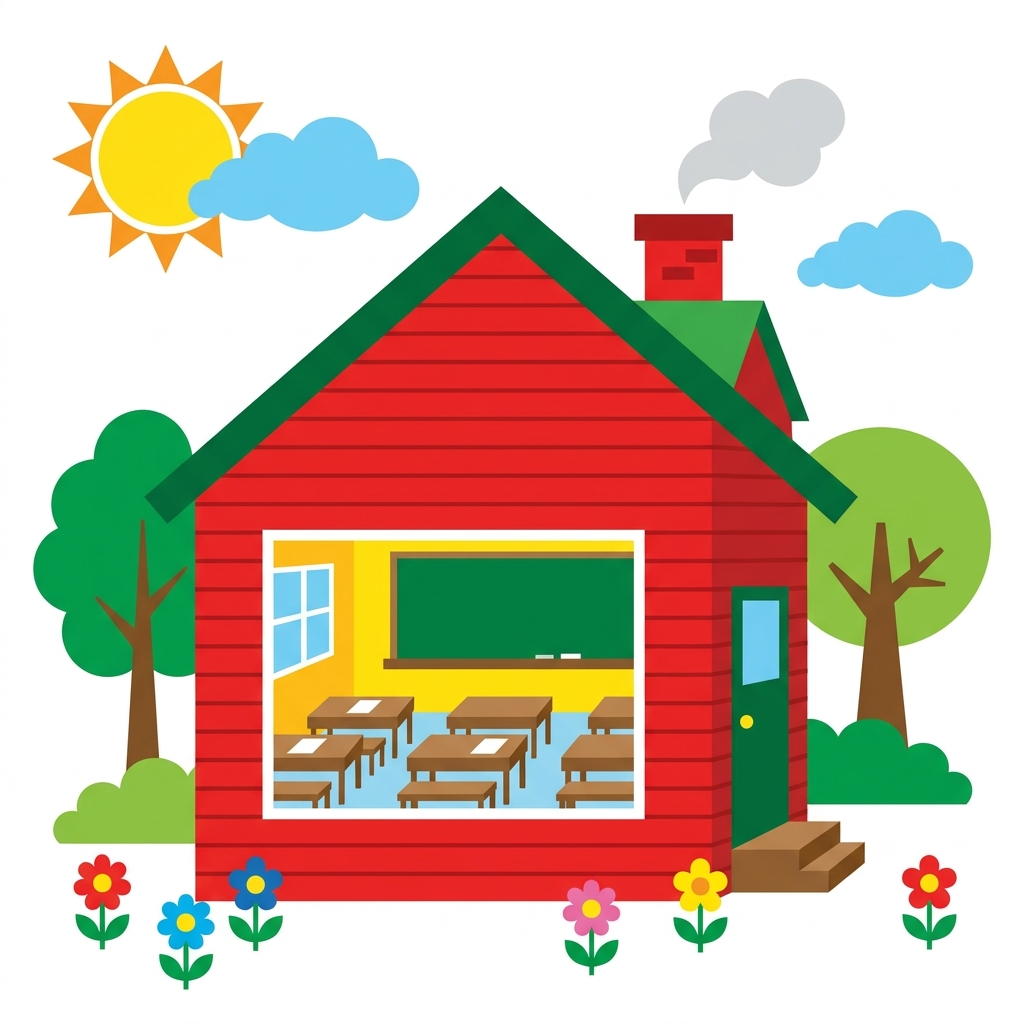
You will find that the language used is appropriate for a first-grade reading level, ensuring that the vocabulary serves the content rather than acting as a barrier. The lesson uses direct language to explain that our town looked different long ago. It pushes students to think about how they get to school, what their classrooms look like, and what the nearby streets might have held before they were paved or modernized. The structure of the lesson encourages students to build a bridge between their own experiences and the experiences of someone living in the same town several decades ago. Because the activity is brief, it leaves you plenty of time to supplement it with local photographs or interviews with people in your own community, which brings the lesson to life in a way that matches the specific character of your town.
Connecting to the standards
This lesson is designed to serve CA.HSS-1.4.1, which is the California-adopted standard asking students to examine the structure of schools and communities in the past. This standard is part of the broader CA.HSS-1.4 cluster, which encourages students to compare and contrast everyday life in different times and places. This is a foundational expectation for young learners, and educators in Visalia Unified, Anaheim Elementary School District, Kings Canyon Joint Unified, and Salinas City Elementary School District all teach this same standard to help their classes understand the progression of time and place. By working through these materials, you are hitting the specific requirement to contrast how everyday life changes while other aspects of our world remain consistent.
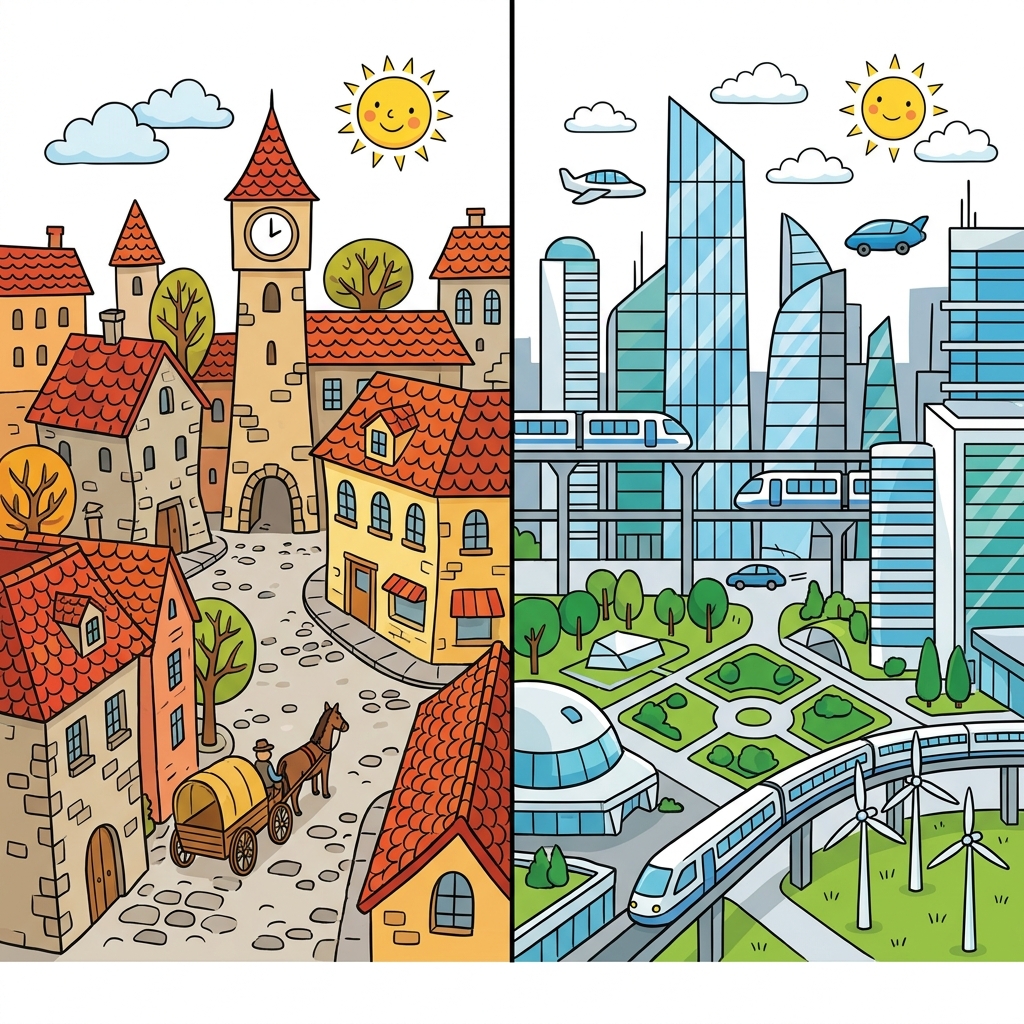
The lesson succeeds because it does not try to teach the entire history of the state. It keeps the focus on the local environment, which is much more manageable for a six-year-old. When students look at the structure of their own school and realize that the playground or the classroom might have functioned differently in the past, they gain a concrete mental anchor for what the standard expects. I recommend using this as a starting point, perhaps inviting a local resident or even just showing photos of your school from twenty or thirty years ago to expand on the themes within the lesson. It is a simple way to show students that their town is a living thing with a story of its own.
Beyond the primary classroom use, this lesson is also an excellent fit for attendance recovery. If a student is behind on their social studies credits, the specific and self-contained nature of this content allows them to demonstrate proficiency without needing hours of extra research or complex projects. It covers the necessary standard effectively in a short time frame, which respects the student’s limited remaining time while ensuring they meet the learning goals. You could also keep this in your sub folder. A substitute teacher can easily facilitate this lesson because the material is self-explanatory, and it does not require deep knowledge of the specific unit flow to execute correctly.
As you move through the lesson, keep an eye on how your students handle the idea of change. Some will find it strange that their school was once something else or that the roads were once dirt. This is the exact moment of curiosity you want to capture. If you find they are struggling to visualize the past, use the lesson’s examples to ask them questions about what they see on their way home. It turns the ride home into a historical investigation, and that is where the real learning happens.
Related lessons
Where We Are, Students explore their physical location within their home and school

Trading for Treasures, An introduction to the basic concepts of trade and exchange
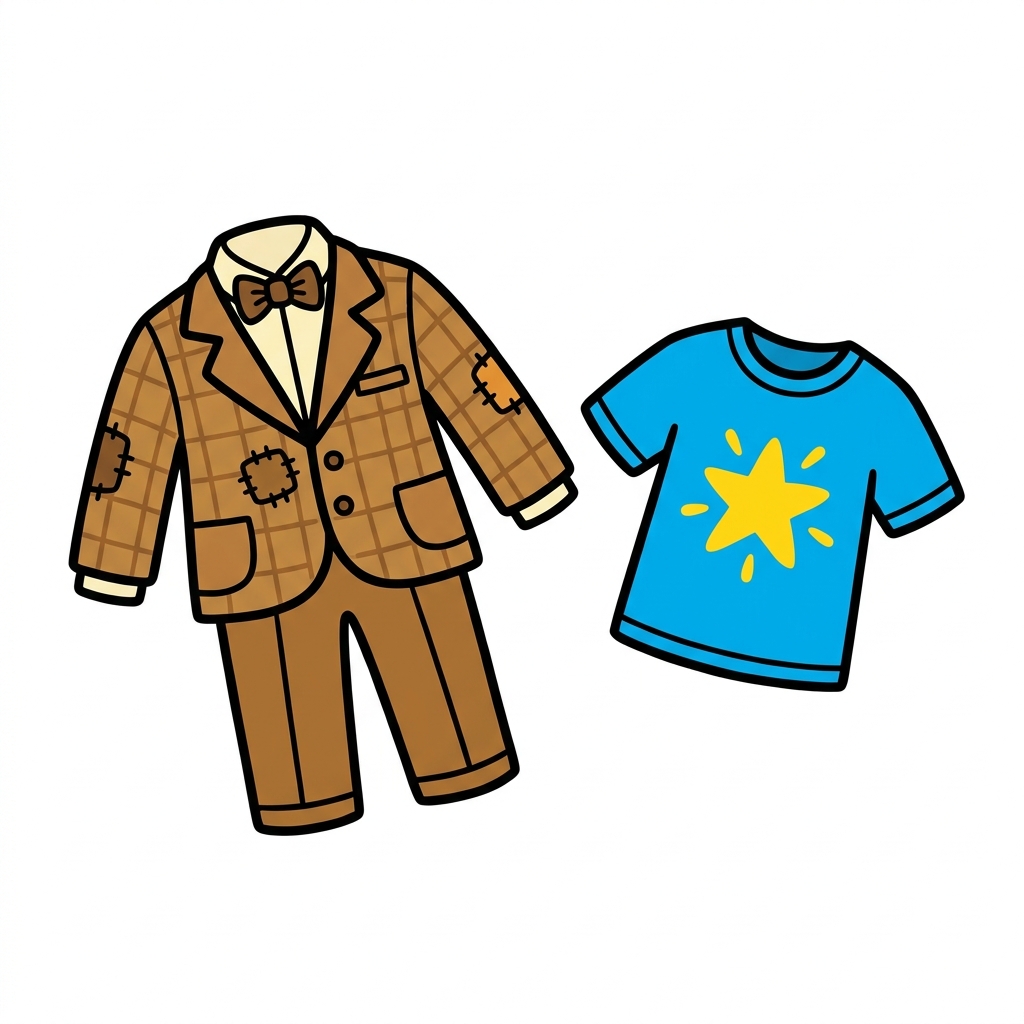
How Things Change, Comparing how objects and daily life shift through time