

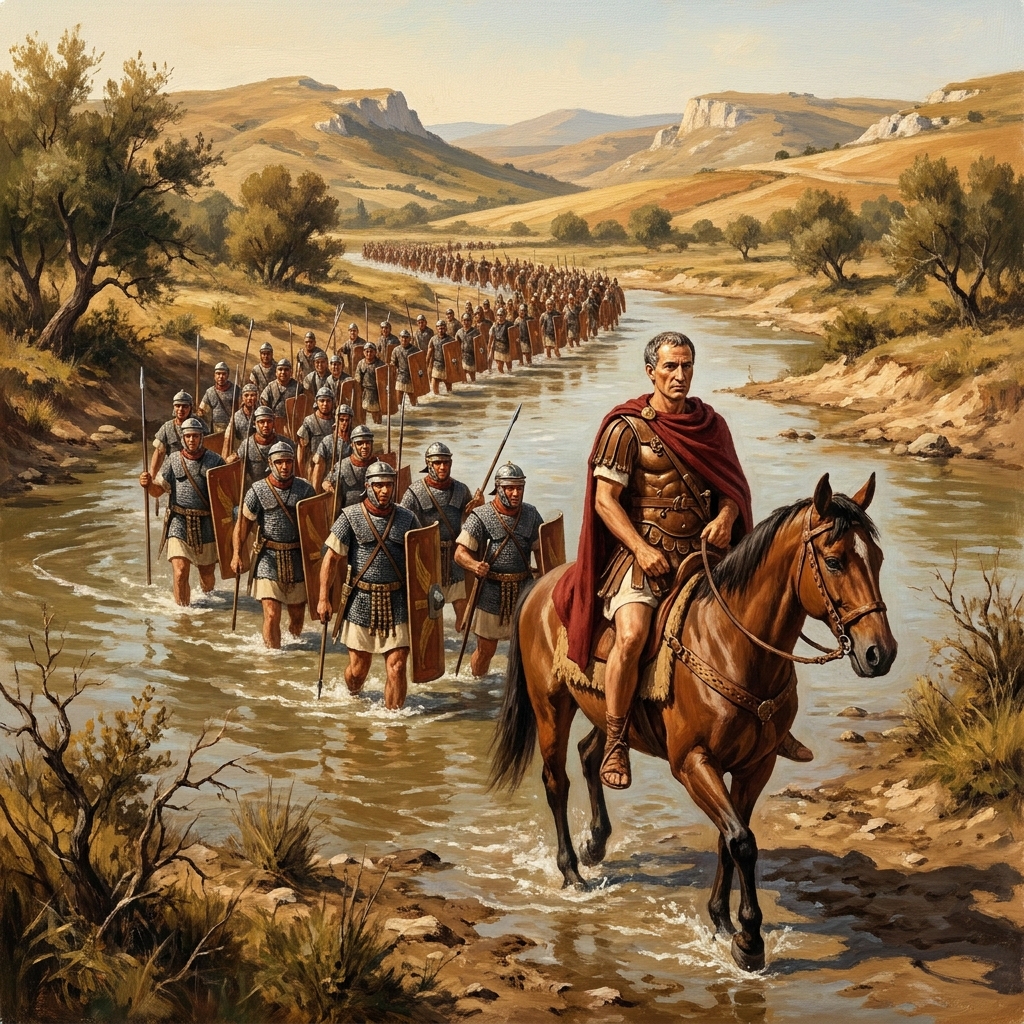
When you start the unit on Rome, you likely start with the contrast between a representative system and a total takeover. The image of Julius Caesar crossing the Rubicon river with his army is a concrete starting point for 6th grade students. It is a moment where the internal rules of a republic effectively crumble because a military commander decides he is more important than the Senate.
In this 6th grade social studies lesson, From Republic to Empire: The Roman Transition, students move through that exact shift. They look at how the Roman structure, which relied on citizens electing representatives, was systematically dismantled by two key figures. The material covers the basic definitions of a republic and an autocratic empire, which is essential for students who are still building their vocabulary around government types.
What the lesson actually asks students to do
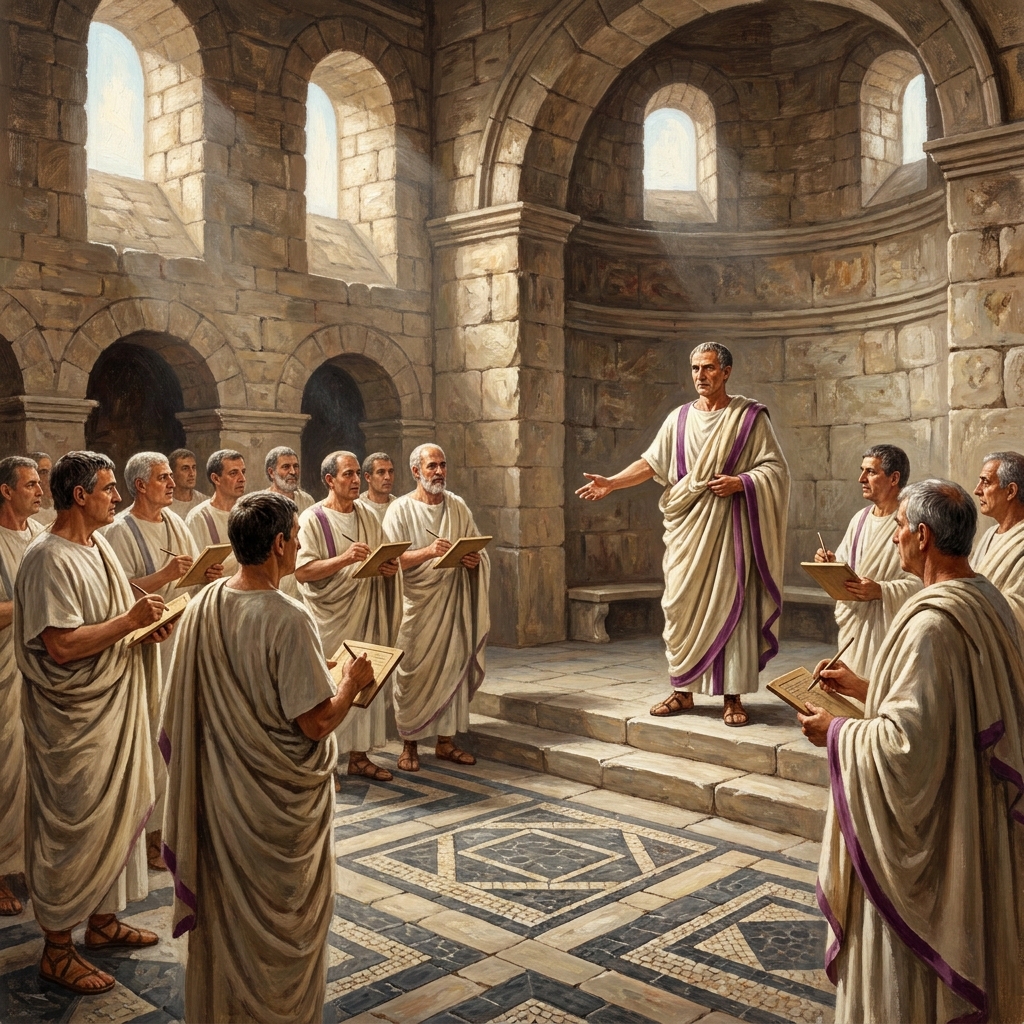
The lesson focuses on the transition described in CA.HSS-6.7.4. This California-adopted standard asks students to discuss the influence of Julius Caesar and Augustus in Rome’s transition from republic to empire. It is a concept that teachers in Capistrano Unified, Sacramento City Unified, Lakeport Unified, and Stanislaus Union Elementary School District all cover as part of their world history curriculum. Students start by identifying the roles of the Senate, then they examine how a dictator can emerge during a crisis. The core objective is for them to explain how these two specific men changed Rome from a representative republic into an autocratic empire.
To build this foundation, the lesson includes a few key terms that you should reinforce with the class:
- Republic: A form of government where citizens elect representatives to make laws and decisions for them.
- Dictator: A leader who has total control over a government, often taking power by force or during a time of crisis.
- Autocratic Empire: A system of government where one person holds absolute power over the state, replacing a system where many citizens or representatives share decision-making.
- Senate: A group of elected officials in Rome who advised the government and made important laws.
The lesson asks students to move past the simple narrative of emperors as kings. Instead, they look at the mechanism of power. The students trace how Julius Caesar defied the authority of the Senate by bringing his army across the Rubicon and how Augustus later solidified that control. This is not just a retelling of history; it is an analysis of how government systems are structured.
Where students slip
One challenge I often see with this age group is assuming that a change in government happens overnight because of a single speech or a single battle. Students often miss the transition of authority. When they look at the 6th grade social studies lesson, they sometimes get stuck on the biography of Caesar rather than the shift in the political system. You might need to remind them that the republic relied on shared decision-making. If they focus too much on the personalities of the leaders, they lose the point about why the structure of the government was so fragile.
The guided practice setup is quite helpful here. It explicitly points out that Augustus kept his power by using the army to ensure no one could challenge him. If a student struggles to articulate this, have them talk through why an army general who refuses to listen to the Senate is different from a legislator who listens to the vote of the people. The prior-knowledge opener uses the analogy of a village council. This is effective because it brings the scale down to something a 6th grader can picture. If they can understand why a village council needs everyone to vote to stay fair, they can better understand why one person seizing control breaks that system.
I find that having students rewrite the definition of an autocratic empire in their own words is a good way to see if they caught the distinction between a representative government and one controlled by a single person. If they can describe the difference, they are likely ready for the discussion on the influence of Caesar and Augustus.
Managing the lesson flow
This lesson is designed to take about 45 minutes, which makes it a very predictable block for a busy week. Because the steps are laid out clearly, it works well as a whole-class assignment when you are introducing the unit. If you have a student who missed the week or a student needing intervention, the linear progression of the examples helps them catch up on the historical context without feeling overwhelmed by an entire chapter of a textbook. It also works as a reliable activity for a substitute day because the students have the definitions right there in the lesson to guide their work.
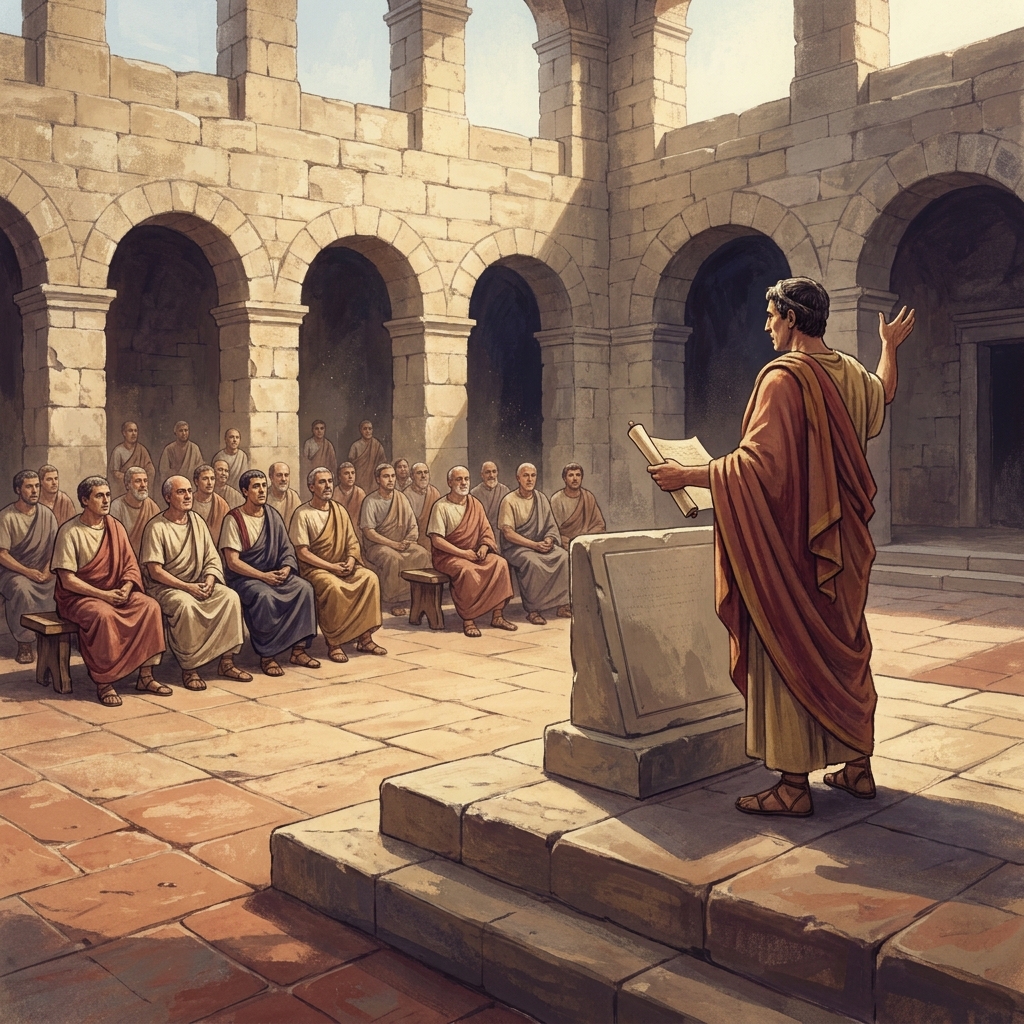
When you use the materials, keep an eye on how the students interpret the phrase about power being shared. It is easy for them to think that if one person is in charge, it is always bad. The lesson encourages them to look at the transition as a shift in structure rather than a moralizing tale. Keeping that focus on the structural change, from representatives to a single autocrat, is the key to hitting the standard effectively.
Related lessons

Human Migration and Adaptation, Studies how early human populations moved and adapted to new environments
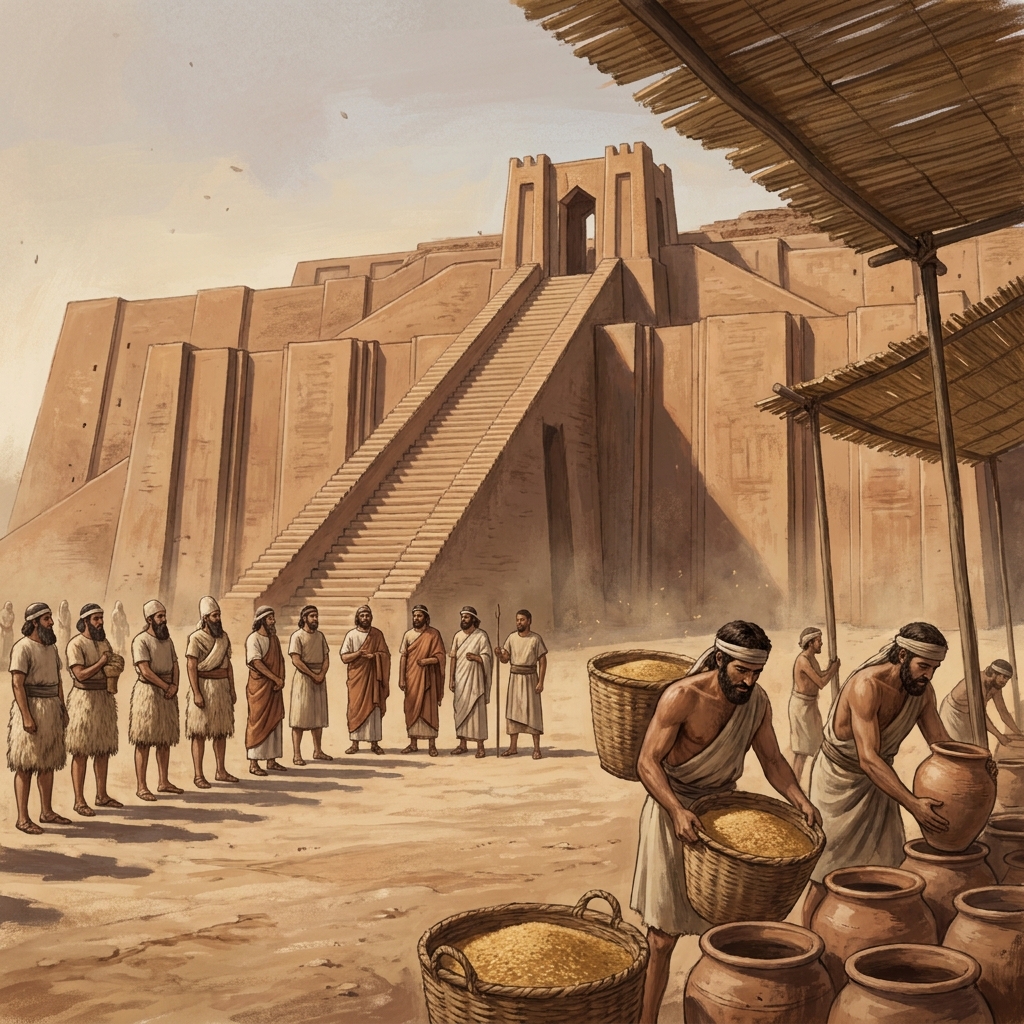
Ancient Civilizations: How Geography and Society Connect, Explains the relationship between physical geography and ancient societal development
Trade Networks of Ancient Egypt, Covers the economic exchanges and trade routes of ancient Egyptian society