

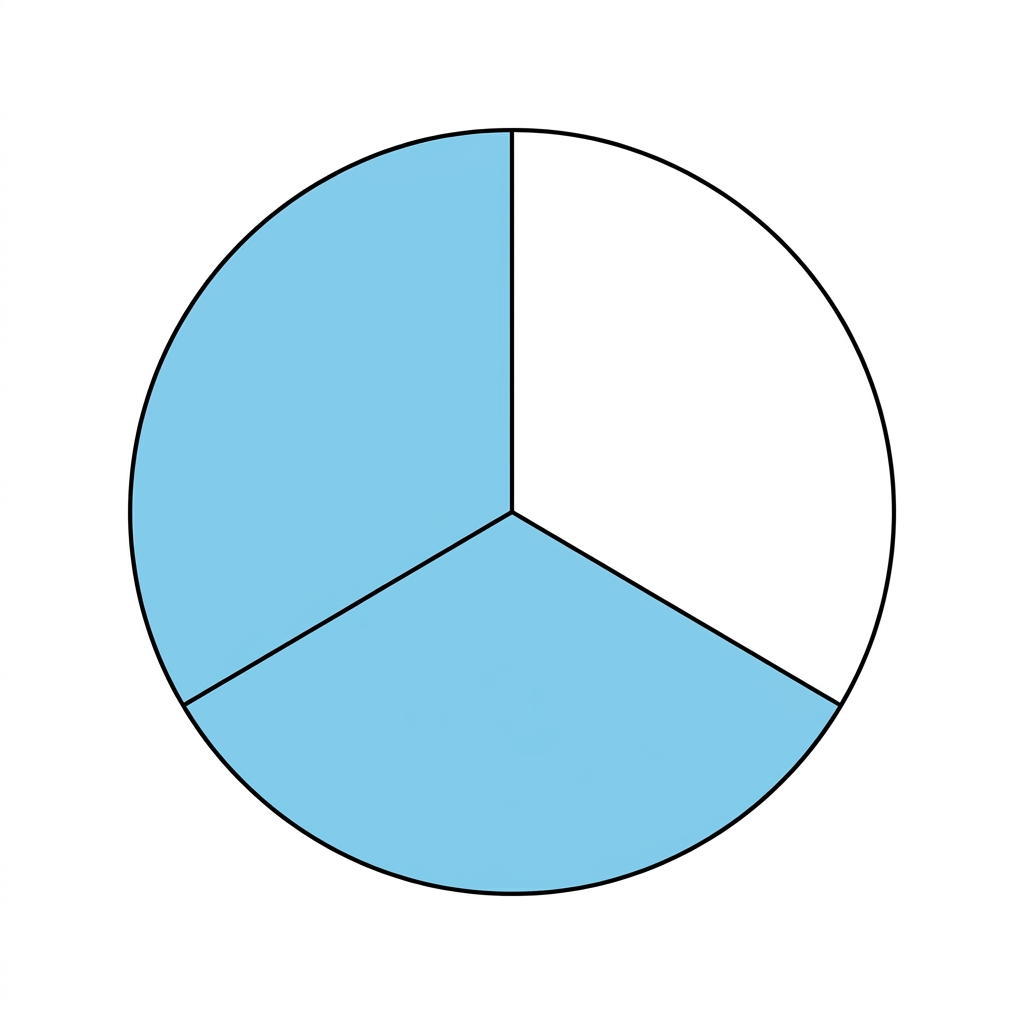
Finding time to cover all required mathematics standards by the end of the school year is a challenge for many teachers. Fractions often require extra attention because students need strong visual models to understand concepts like equivalent fractions. Using targeted resources helps bridge the gap for students who struggle to visualize these abstract ideas.
When the fraction unit feels rushed
It is usually late in the spring when I notice the math calendar starting to compress. You are trying to cover as much as possible before the end-of-year assessments, and fractions often get the shortest end of the stick. If you are a teacher in West Contra Costa Unified, Visalia Unified, Mendota Unified, or Kerman Unified, you know the pressure of keeping the whole class on pace while supporting those who missed a few days of instruction. When we get to the point of teaching kids that 1/2 is the same as 2/4, it is rarely the best time for a whole-class lecture that leaves half the room behind. That is why Understanding Equivalent Fractions is such a useful tool for your toolkit.
What the lesson actually asks students to do
This 3rd grade mathematics lesson keeps things simple and visual, which is exactly what students need when they start questioning how a larger denominator can represent the same physical space. The lesson begins by reminding students of the basics: a fraction is just a part of a whole, like one piece of a chocolate bar. From there, it uses a rectangle shaded at 1/2 to show that shading 2/4 of the same rectangle covers the exact same area. This visual approach is essential for meeting the requirements of CA.MATH.3.NF.3b, the California-adopted standard that asks students to explain why fractions are equivalent using visual models and reason about their size. It does not just ask kids to memorize a rule; it demands they see the geometry behind the arithmetic.
The vocabulary provided is straightforward, focusing on the three terms that usually trip kids up: equivalent fractions, numerator, and denominator. By keeping the language anchored to those definitions, the lesson helps students build a bridge between the abstract numbers on a page and the physical reality of a fraction. If you have a student who missed the week of introduction, or if you need a reliable task for an independent study session, this lesson functions as a private tutor that forces the student to look at the model rather than just guessing which number is bigger.
Why this lesson works for your classroom
What I appreciate about this specific lesson is that it moves quickly into a guided practice setup that feels grounded. It asks students to imagine a carpenter trying to measure a board, looking for a length that matches 1/2 of a piece of wood. It is a minor detail, but that specific scenario helps answer the question of why we even bother with this math in the first place. Chefs changing recipe sizes and carpenters measuring wood are tangible examples that make the math feel less like a game of paper-and-pencil manipulation. When students grasp that different numbers can mean the same amount, it builds a confidence that they often lack when they start looking at fractions as two separate, disconnected integers.
The lesson is not a silver bullet, of course. Some students will still struggle to move from the visual rectangle model to pure mental math without those boxes drawn on their paper. That is okay. If you have a student who struggles with this, let them keep drawing the models until they are ready to step away from them. The standard itself encourages using these models as a tool for reasoning, and it is a perfectly valid way to show mastery.
Practical uses beyond the classroom
I find that this digital lesson fits perfectly as an intervention for students who are hitting a wall during your regular math block. It also works beautifully as a high-quality substitute day assignment when you are out of the building. Because the structure is self-contained, a student who is currently engaged in independent study can work through the definitions and the examples without needing you to lead a group discussion. It provides that necessary repetition on the standard without taking up your limited instructional time. If you find your class is moving ahead while a small group is stuck on the concept of equivalence, this is exactly the kind of targeted resource that keeps the momentum going without sacrificing the individual needs of your students. It is a quiet, reliable way to make sure everyone arrives at the same conclusion by the time the unit ends.
Related lessons
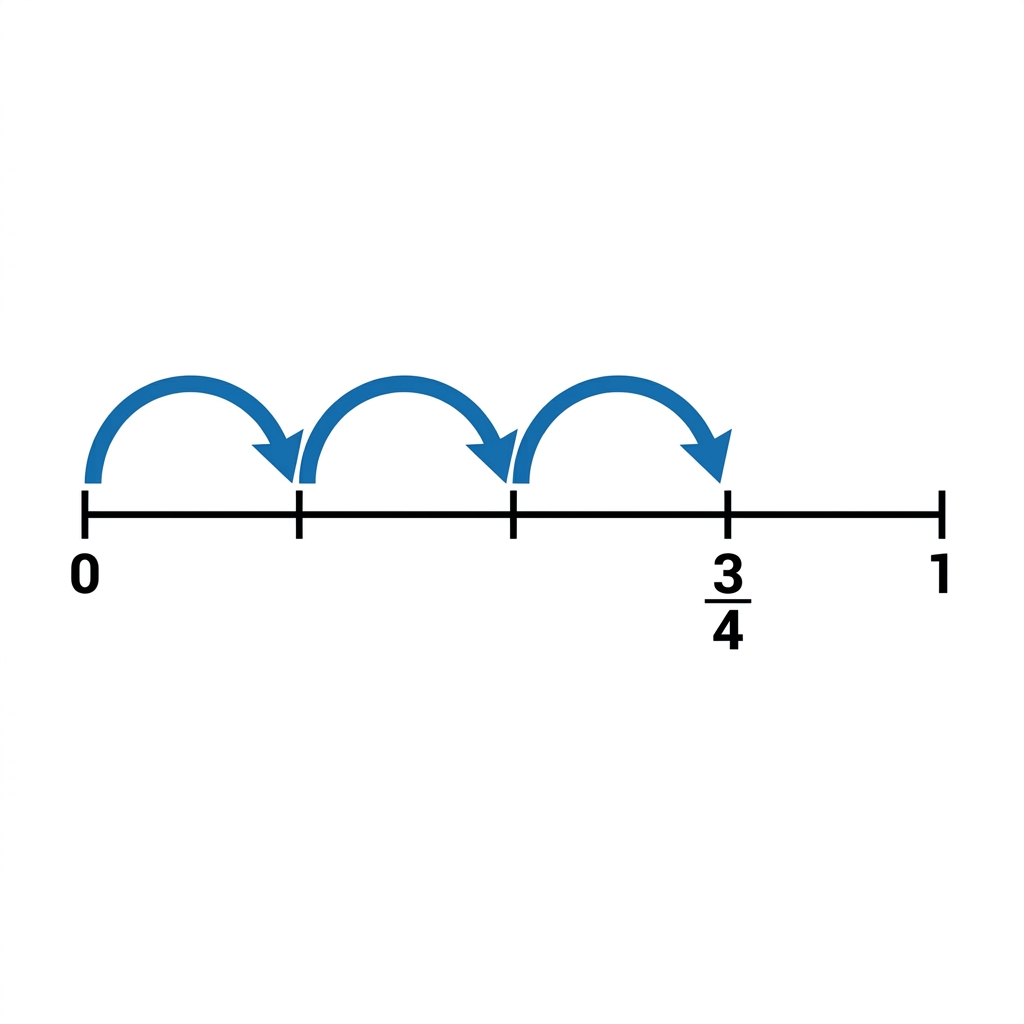
Fractions on the Number Line, Explains how fractions are represented along a number line model
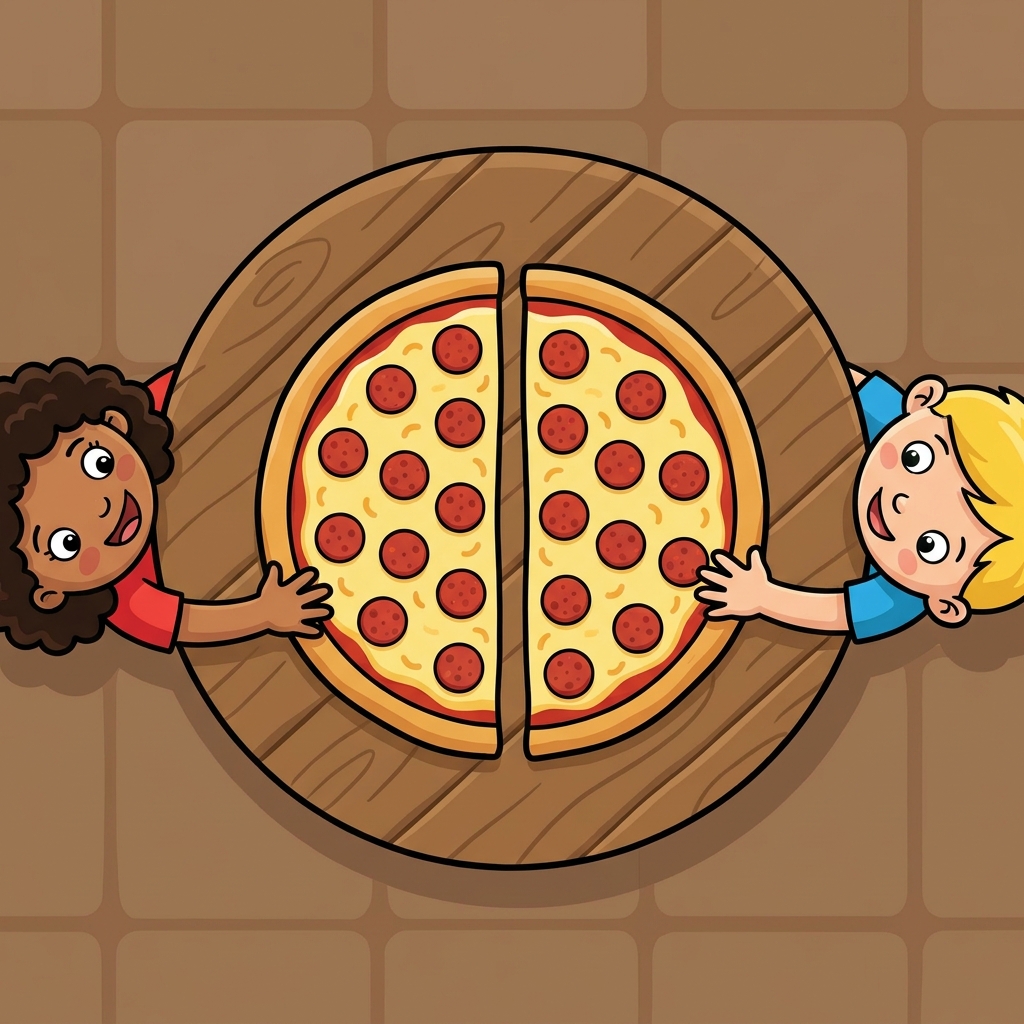
Comparing Fractions by Reasoning About Size, Strategies for comparing fractions based on their relative physical size
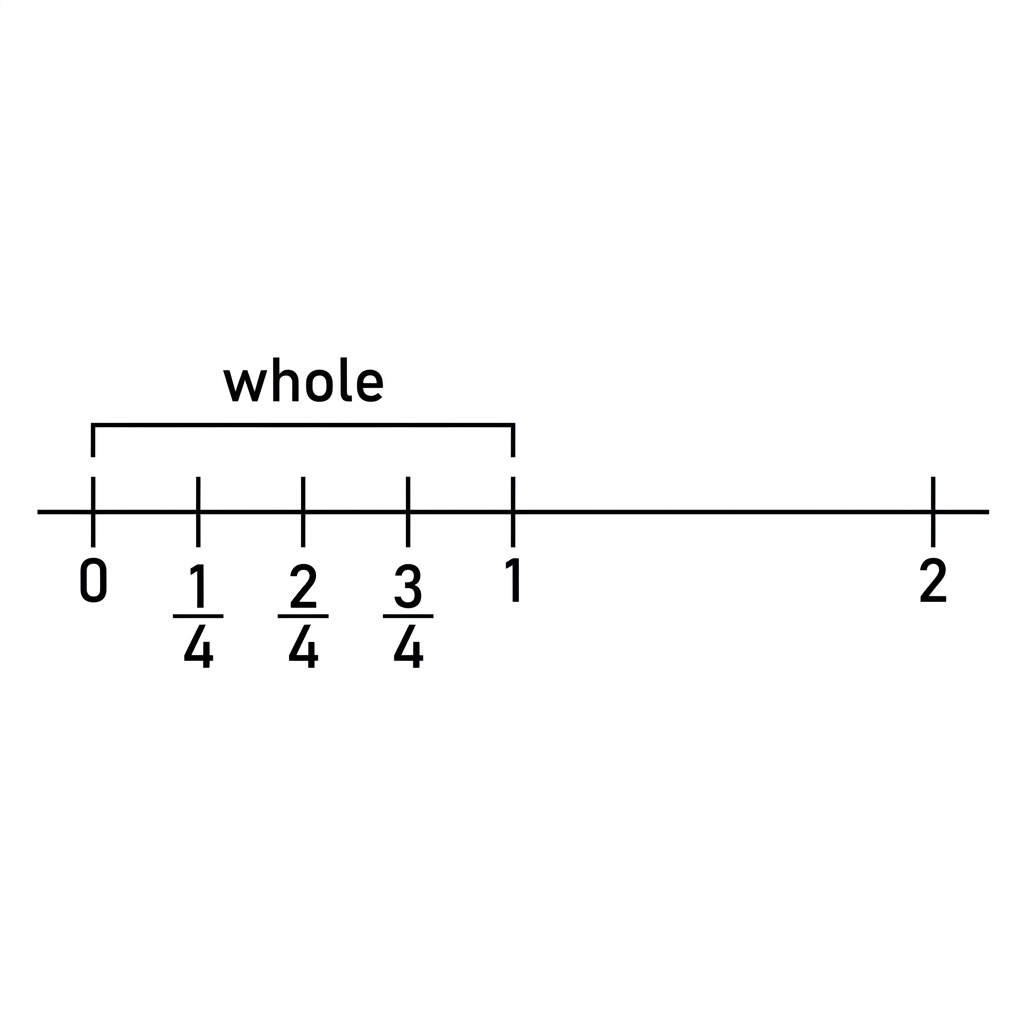
Understanding Fractions on a Number Line, Covers identifying and plotting fractional values on a number line