

High school students often struggle to understand the difference between holding an election and maintaining a functional democracy. They frequently assume that any country with a ballot box is automatically a bastion of freedom. This creates a significant hurdle when teaching modern political systems, as students often lack the framework to recognize the erosion of rights or the rise of authoritarianism. The following sections explore how educators can address these concepts directly within the constraints of a busy semester.
The difficulty of teaching current global trends
Students often mistake the mere existence of an election for the presence of a healthy, functioning democracy. When we reach the unit on contemporary world history in the tenth grade, they tend to assume that any country with a ballot box is automatically a bastion of freedom. This is the biggest hurdle in the high school World History curriculum. It makes the conversation about authoritarianism and the erosion of rights incredibly difficult to get off the ground, especially when you are racing to finish the syllabus before the semester ends.
If you are a high school teacher in the Antelope Valley Union High School District, Visalia Unified, San Jacinto Unified, or Corning Union High School District, you know exactly how tight the calendar gets during the spring. This specific grade 10 social studies lesson is a lifesaver when you need a self-contained unit to keep the class moving. It covers the nuanced territory of Democracy and Individual Freedom in the Modern World by breaking down why some nations solidify democratic structures while others slip into centralized control.
What the lesson covers
The lesson focuses on the objective of examining how political trends in different regions impact individual rights and the strength of democracy. It does not just list facts. It pushes students to look at how power shifts from absolute rulers to citizens. The material clearly defines terms that students often muddle: authoritarianism as a system where power rests with a single leader or small group, civil society as the network of non-governmental institutions that reflect citizen will, and democratic consolidation as the point where a democratic system becomes the only legitimate form of governance.
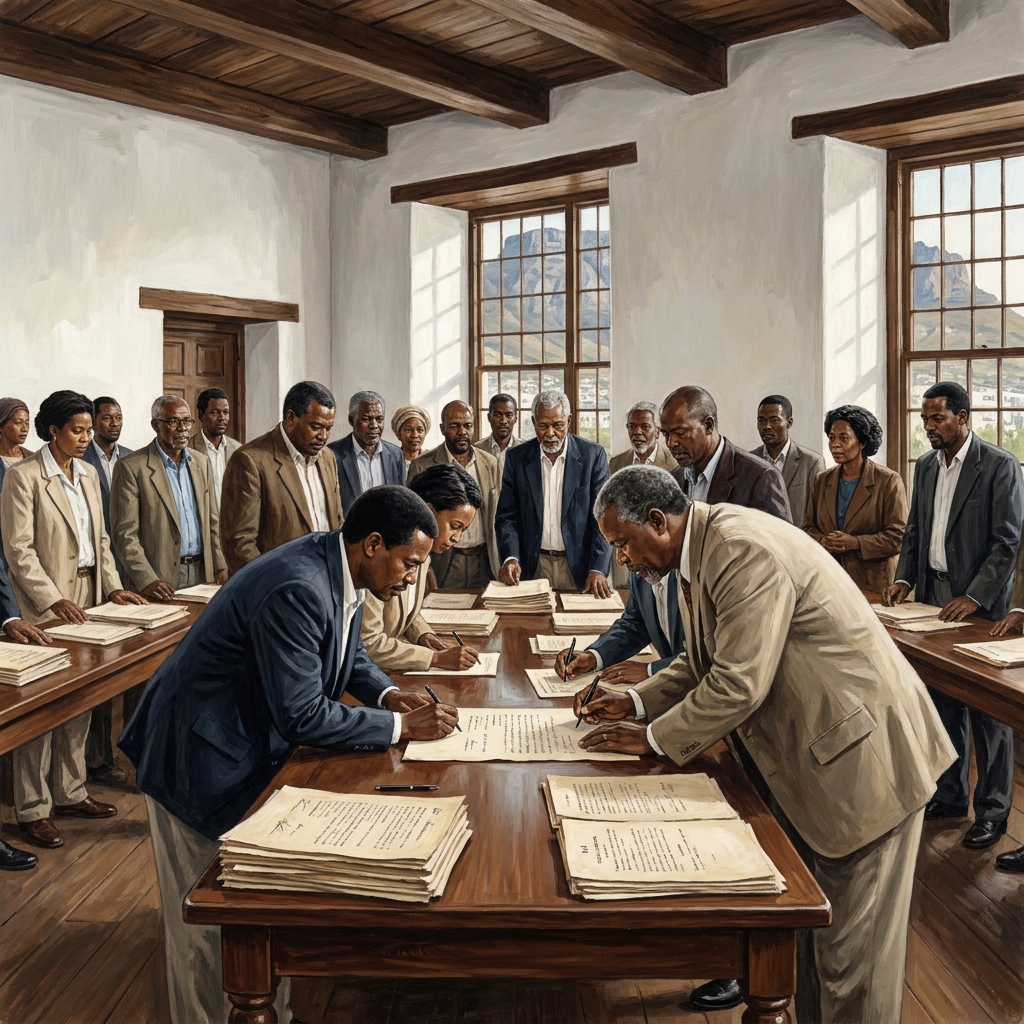
One of the strongest parts of the material is the use of the 1996 South African constitution as a case study. It describes this as a key moment for democratic consolidation, highlighting how the document moved the nation toward stability by creating institutions that protected rights from the influence of any single leader. This is a much better example than generic theory. It shows students that democracy is not just a concept, but a set of institutional guardrails. The lesson also includes a sobering section on why digital monitoring often leads to the silencing of political rivals, even when governments frame that monitoring as a necessity for national stability.
Meeting the California standard
This work directly serves the California-adopted standard CA.HSS-10.10.3. This standard asks students to discuss the important trends in various regions today and evaluate whether those trends actually serve the cause of individual freedom and democracy. The lesson requires students to analyze instances of nation-building in the contemporary world, pulling from regions like the Middle East, Africa, Mexico, and China. By providing structured scenarios where candidates have different approaches to law, the lesson turns an abstract standard into a concrete exercise in political science.

Using a world history political trends lesson like this one is an excellent choice for a whole-class assignment when you have a day where you need to focus on primary source analysis. It also works well as a module for a student who missed the week or needs independent study material to catch up on the HSS-10.10 cluster. It requires about 45 minutes of seat time, which makes it a very predictable choice for a substitute day as well.
Where students slip
The place where I see students struggle most is the distinction between a state that has the outward appearance of democracy and one that has truly consolidated those institutions. Many students see an election and stop their analysis there. They struggle to identify the role of civil society or to understand why monitoring digital communication might be a red flag for future democratic decline. The lesson pushes them past their initial surface-level observations. It forces them to consider the machinery behind the government: the laws, the constitution, and the non-governmental organizations that keep power in check. If you have students who think that voting is the only part of democracy, they will find this content challenging in a good way.
Do not expect them to master this in one sitting. The concept of democratic consolidation is heavy, and it relies on them having a grasp of the history that came before. If they have not spent time on the basics of constitutional systems, the prior-knowledge opener will be vital for them. It explains that in many nations, the transition to a constitutional monarchy where a ruler’s power is limited by laws was a significant shift toward a more inclusive system. Use that intro to ground them before they move into the modern scenarios. It creates a bridge between the historical monarchies they already know and the complex political structures of the contemporary world.
Related lessons
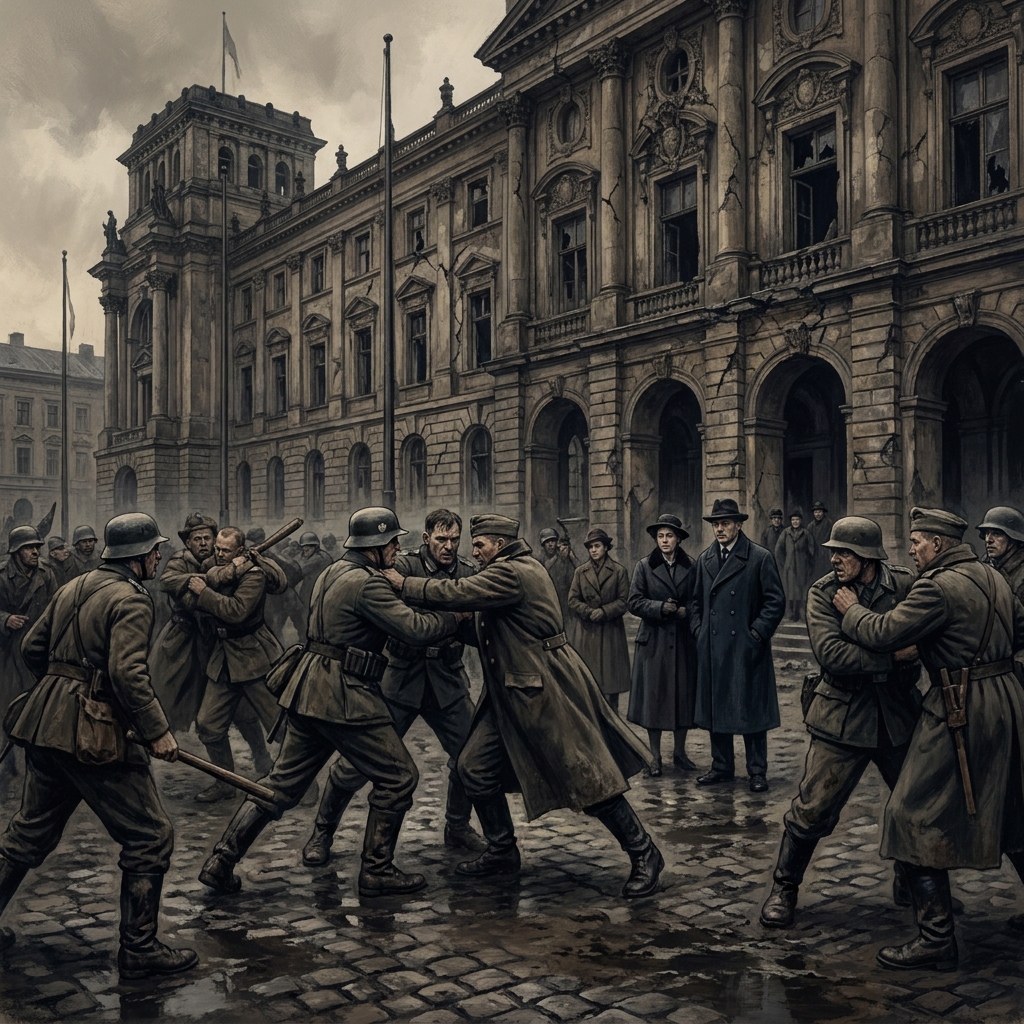
The Collapse of Trust: Post-WWI Europe and the Rise of Totalitarianism, Covers the decline of democracy and emergence of totalitarian governments
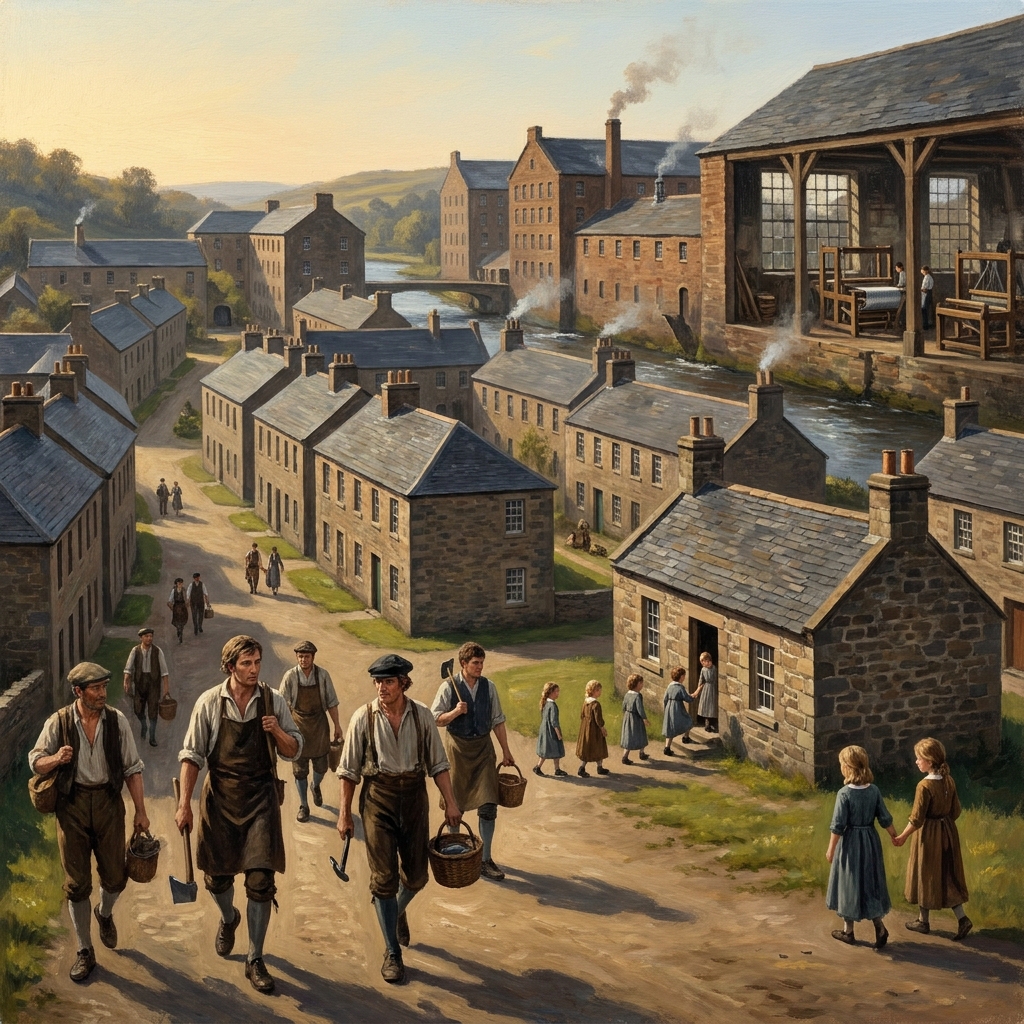
Capitalism and Its Critics, Analyzes the evolution of capitalist systems and their various opponents
Power and Control: The Soviet Union under Stalin, Examines political control and life under the Stalinist regime